


75/36 Parallel Twin-Screw Barrel
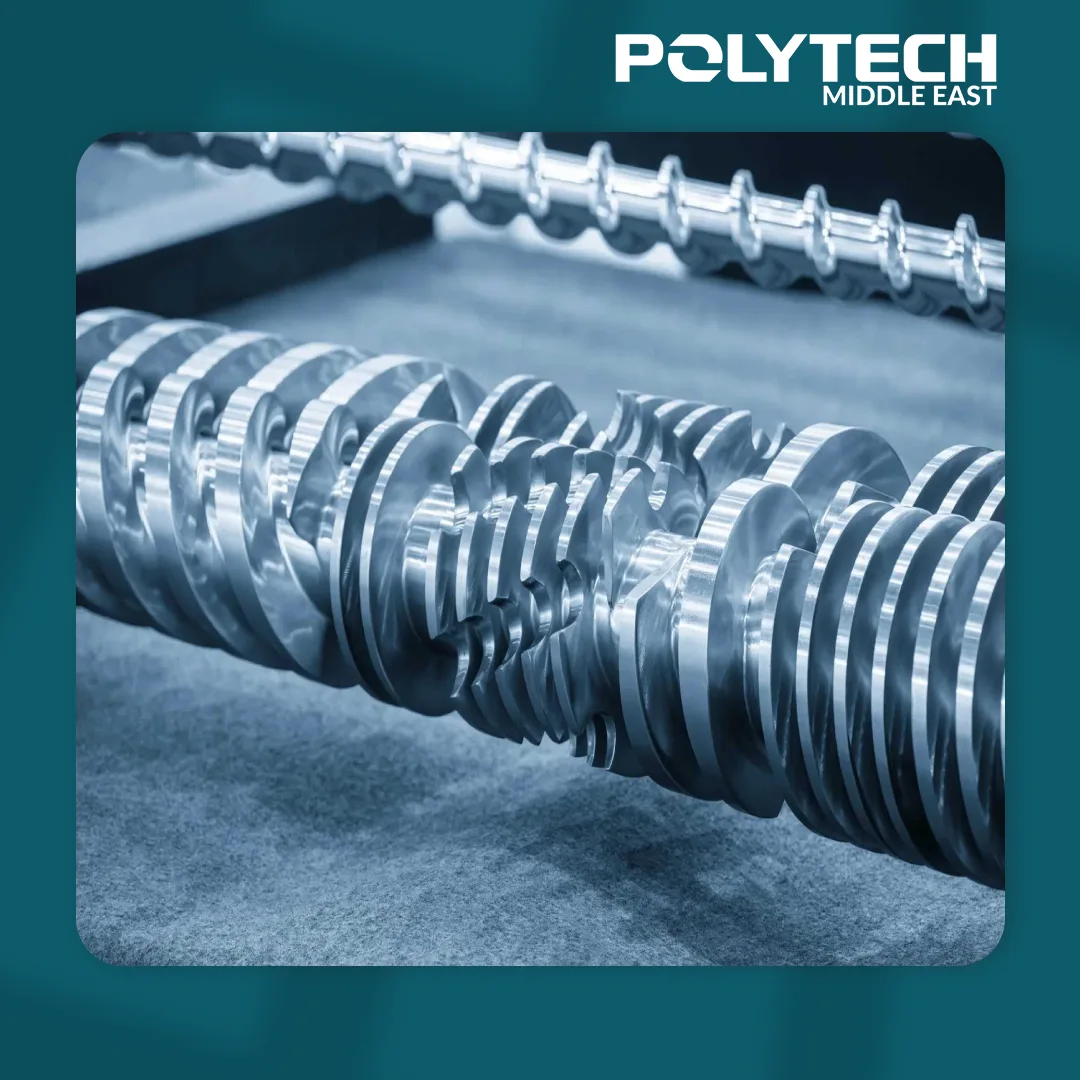
75/36 Parallel Twin-Screw Barrel
75/36 parallel twin-screw barrel (75 mm dia, L/D 36) in hardened alloy steel (nitrided/bimetal options). High-throughput PVC/PP/PE compounding. View specs, coatings, and FAQ.
Category -> Machines and Spare Parts
Description
Executive Summary
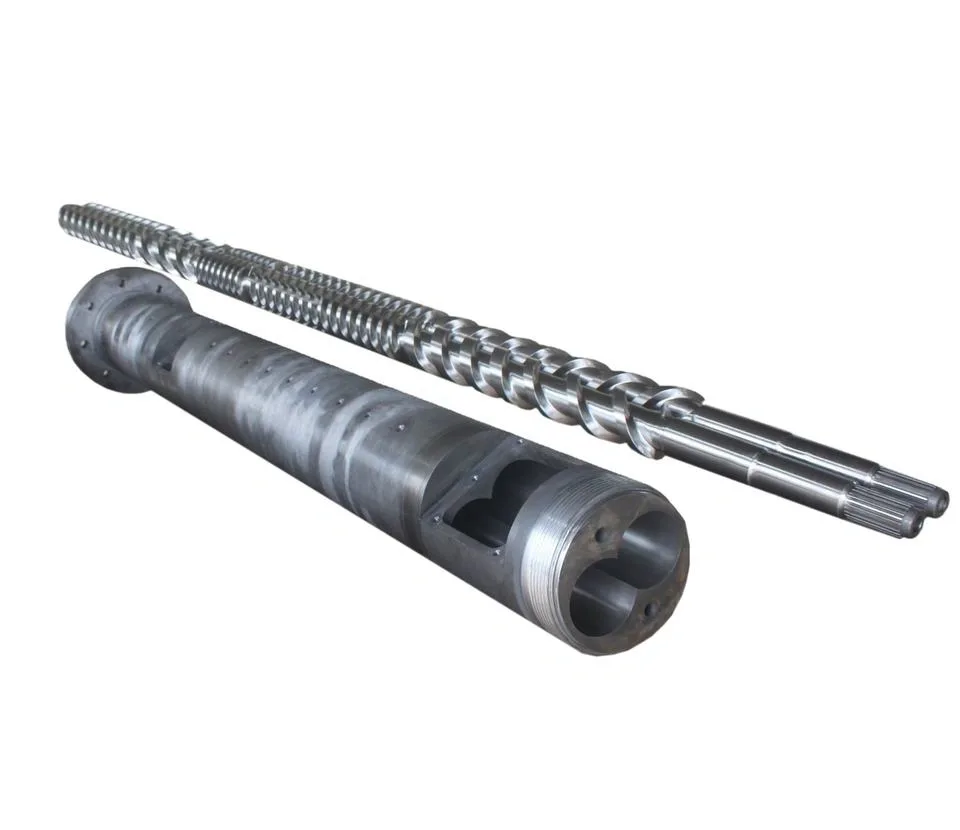
- Configuration:Co-rotating twin screws, 75 mm diameter, L/D 36:1 (barrel ~2700 mm long). Two intermeshing screws provide long effective length for high throughput and intensive mixing.
- Performance:Delivers very high output for its size. For example, Grace’s GMPT series lists a 75/36 extruder output ~400–500 kg/h for PVC. The barrel’s long L/D and large surface area yield finer melt homogenization and up to 30–50% more throughput than a comparable single-screw extruder.
- Construction:Made of high-strength alloy steel (e.g. 38CrMoAlA) with precision-machined barrel and screws. Surfaces are hardened by nitriding or bimetallic liners for wear resistance. Optional hard coatings (HVOF-sprayed tungsten-carbide, chrome) can be applied for extreme abrasion resistance. These treatments boost surface hardness (often >HRC50) and extend service life under abrasive/filled polymers.
- Key Benefits:Modular design (split barrel, interchangeable zones) allows precise temperature control and easy maintenance. The 75/36 design handles tough compounding (PVC, PE, PP, WPC, masterbatch, recycling) with stable pressure and dimensional control, minimizing rejects.
Product Overview
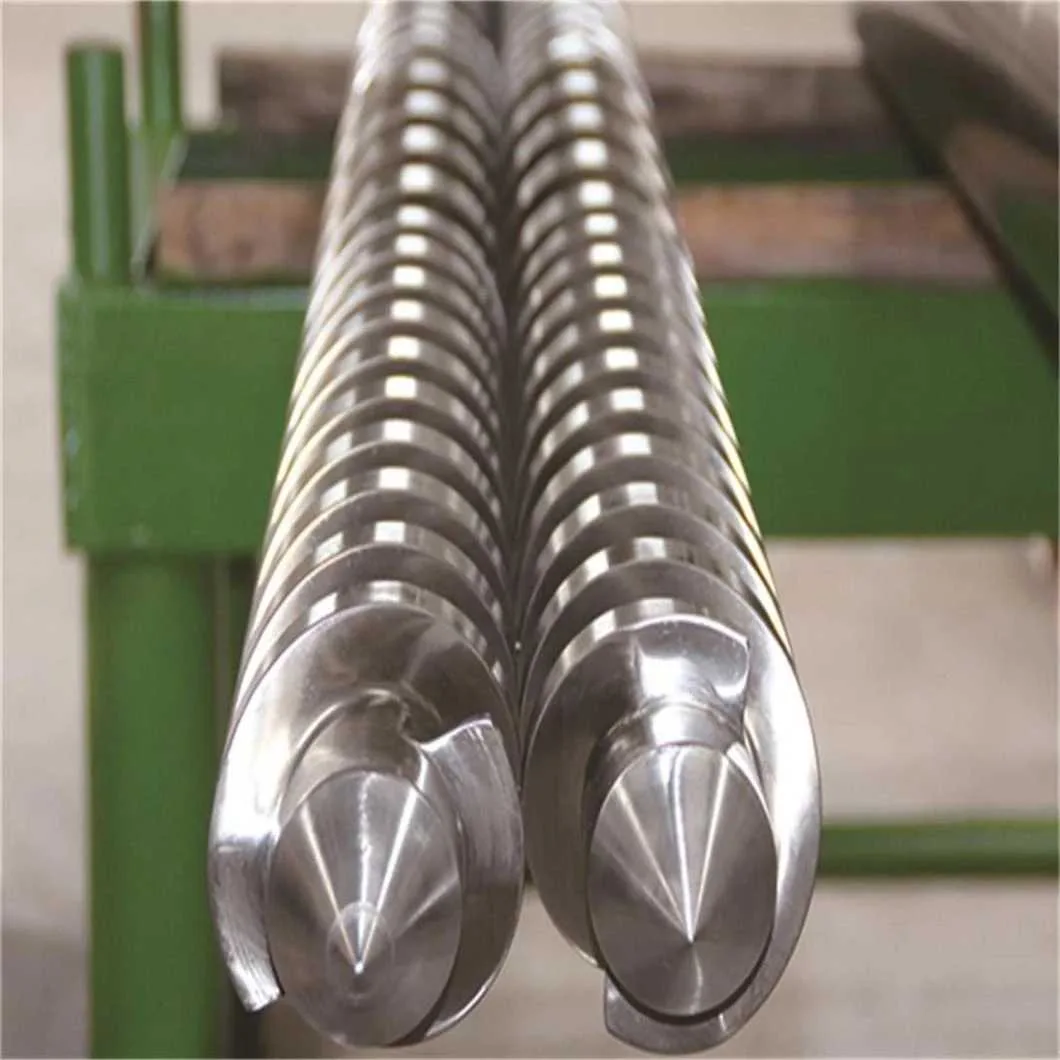
The 75/36 parallel twin-screw barrel is a core component for large co-rotating twin-screw extruders. Two 75 mm-diameter screws run side-by-side in a common barrel divided into multiple heated zones (feed, transition, metering). The effective length is ~2700 mm (36×75), providing ample kneading length. This geometry delivers very high shear and pressure uniformity – ideal for thorough melting and mixing of polymers. Compared to narrower barrels, the 36:1 L/D ratio ensures large output while keeping the footprint reasonable. Parallel (uniform-diameter) screws offer stable, balanced flow (Figure 1), making this barrel suited for steady, high-capacity production.
The 75/36 barrel is built for compatibility with leading extruder brands. It typically fits co-rotating extruder models around the 75 mm class: e.g. KraussMaffei KMD 75-36, Coperion ZSK 75-36, Leistritz ZSE 75-36, JSW CT75/36 series, and similar machines. (Exact fitment depends on shaft geometry and mounting; confirm with OEM.) Its robust design allows processing of filled and shear-sensitive materials without the overheating issues seen on shorter barrels.
Materials & Coatings
The 75/36 barrel is machined from premium alloy steels chosen for strength and thermal fatigue resistance (commonly DIN 1.2767, DIN 1.4122 or equivalent). Inner bore liners or screws are often made of 38CrMoAlA steel. The base steel is heat-treated for toughness, then finish-treated for wear:
- Nitriding:Gas or plasma nitriding diffuses nitrogen to harden the surface (case depth ~0.5 mm, hardness ~1000 HV). Nitride-treated barrels resist abrasive fillers and extend life.
- Bimetallic alloy layers:Some barrels use a bimetal design (e.g. an inner layer of high-chrome or stainless steel welded into a steel tube) for corrosion/acid resistance. This is useful for PVC or caustic compounds.
- Thermal spray coatings:Advanced options include HVOF-sprayed tungsten-carbide coatings, which create a very hard, dense layer on the barrel ID. These are especially effective against extreme abrasion. Milacron’s barrels, for example, come standard with a proprietary nitride finish and can be ordered with an exclusive tungsten-carbide linings or chrome plating.
- Carbide inserts:In the most demanding cases, barrel segments may be fitted with replaceable carbide inserts in metering or kneading zones.
These treatments dramatically boost wear life. Combined hardness often exceeds HRC50, so the barrel withstands highly filled or mineral-loaded plastics for thousands of hours with minimal erosion.
Features & Benefits
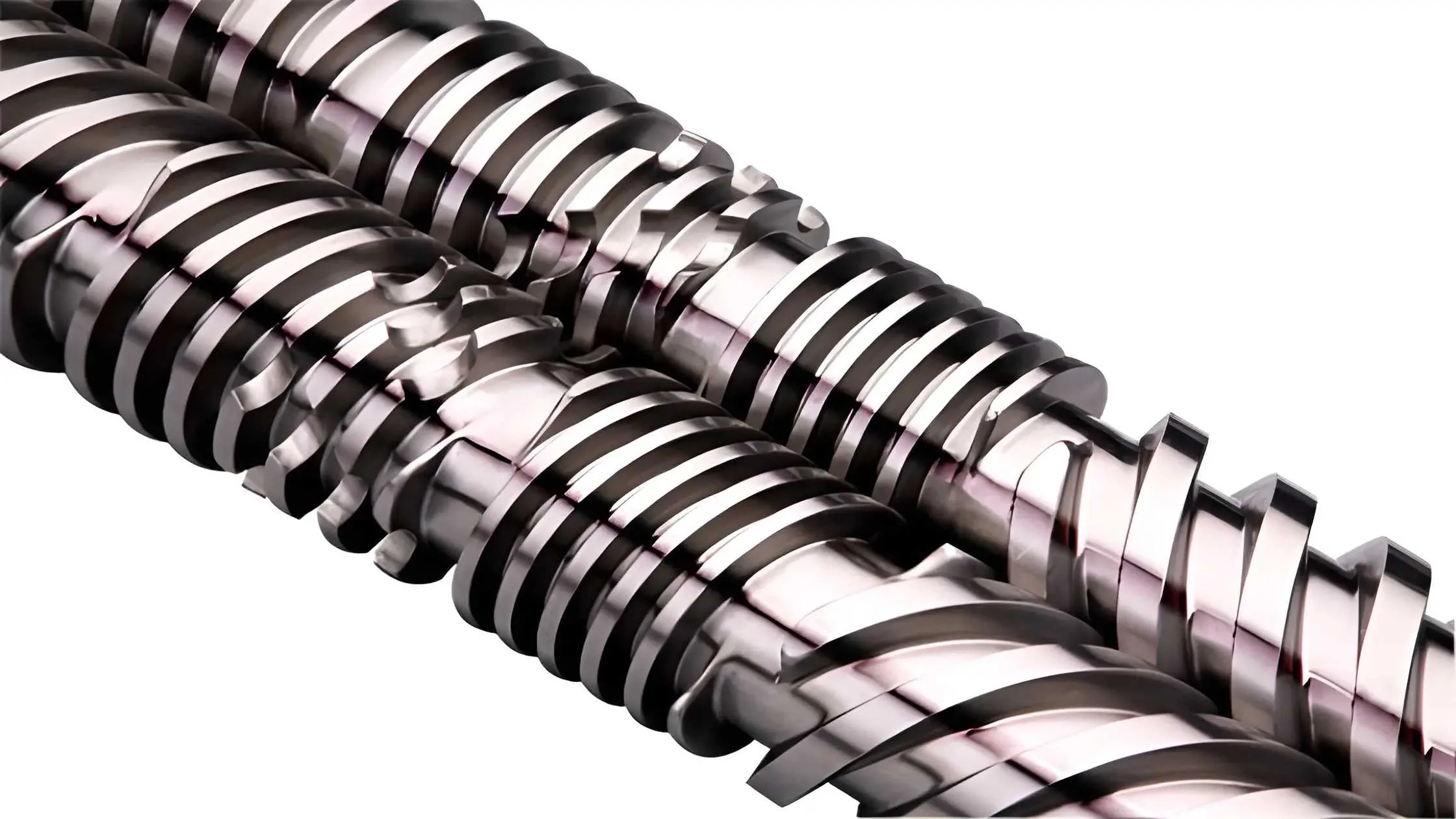
- Superior Mixing & Throughput:The co-rotating intermeshing screws provide self-wiping action (each screw passes material to its neighbor), yielding very effective distributive and dispersive mixing. This results in finer, more uniform melt and typically 30–50% higher throughput than a comparable single-screw extruder for the same power.
- High Wear Resistance:Hardened alloy steel construction with premium coatings (nitriding, bimetal, HVOF) ensures a long service life even on abrasive, glass-filled, or PVC formulations. Extended wear life reduces downtime and total cost of ownership.
- Modular Design:The barrel is built in flanged sections and the screws are composed of interchangeable elements (feed, compression, metering, kneading blocks, etc.). This allows quick reconfiguration of screw profiles for different processes or easy replacement of individual sections. In practice, you can adapt the screw layout (more kneading elements, vent zones, etc.) without needing a new barrel.
- Precision Temperature Control:Multiple independent heating/cooling zones along the barrel (each 300–600 mm long) keep a tight melt profile. This prevents hotspots or degradation – critical for heat-sensitive materials like PVC. Thermocouples in each zone monitor temperature to ±1°C accuracy.
- Stability & Reliability:The parallel design produces a balanced flow path, minimizing vibration and maximizing screw bearing life. A well-maintained 75/36 barrel can run for many thousands of hours. (For reference, similar 90/26 barrels often exceed 10,000–20,000 hours before major overhaul.) Precise machining keeps flight-to-bore clearance within microns to prevent melt slipping.
Installation & Compatibility
Proper installation is crucial. The barrel is split into two flanged halves and mounted onto the extruder’s rigid frame Key steps: align both halves so they sit perfectly level and perpendicular to the screws. Slide the upper and lower barrel halves together around the screws, ensuring the screw flights enter the barrel bores without binding. Tighten the flange bolts evenly to create a leak-free seal. Connect each heating/cooling line (or jackets) and pressure-test for leaks before initial startup.
After mounting, perform checks: rotate the screws by hand (or slowly with motor) to confirm there is no mechanical interference. Calibrate temperature controllers for each zone. Run the extruder “dry” at low speed to verify that the drive train (motor and gearbox) and cooling system are functioning normally. Only then introduce material.
This 75/36 barrel is designed for co-rotating twin-screw extruders around 75 mm size. It typically matches machines such as KraussMaffei KMD 75-36, Coperion ZSK 75-36, Leistritz ZSE 75-36, JSW CT75/36 series, Nanjing (Allwell/Useon) 75 mm models, etc. (We assume standardized flange patterns and shaft sizes for these classes – verify your extruder’s flange and drive specifications). Always consult the machine OEM’s instructions for final installation details.
Quality Control & Testing
Every 75/36 barrel undergoes strict inspection protocols. Raw materials come with certified mill test reports and are checked for composition. Throughout machining, critical dimensions (bore ID, OD, thread forms, and L/D length) are measured with precision instruments (CMMs, bore gauges). Tolerances are tight – typically cylindricality and concentricity are controlled to <0.05 mm.
After machining and heat-treating (e.g. nitriding), the barrel inner surface and screws are examined: hardness is verified by Rockwell/Vickers tests (to ensure nitride case meets spec), and surface finish is inspected for cracks or defects. Screw flights and barrel liner are assembled and run-tested on a pilot extruder if possible: this functional test checks smooth rotation, proper zone heating, and leak-tight sealing. Coolant circuits are also tested under pressure.
Manufacturers often follow ISO 9001 or equivalent standards. Final delivery usually includes an inspection report or certificate of conformity, and any required CE/TÜV documentation. Quality notes: verify that all thermocouples and heater bands fit correctly in their grooves, and that the assembled unit meets the specified diameter and straightness before installation.
Maintenance Tips
- Regular Cleaning:Keep feed hoppers, vent ports, and downstream die clean. Material build-up can overheat the barrel and cause surges.
- Wear Monitoring:Inspect the clearance between screw flights and barrel bore every few hundred production hours. A simple way is to feel for looseness or listen for material slipping. If flow rate drops or product quality worsens, measure the gap. Re-chrome or re-nitriding is justified when wear reaches ~0.2–0.3 mm. If wear approaches ~0.5 mm (i.e. flight nearly touches bore), plan to replace the barrel.
- Spare Parts:Keep critical spares on hand: heating bands, thermocouples, thrust/pillow block bearings, and at least one spare screw segment. Stocking an extra barrel liner or half-barrel can be lifesaving for high-uptime operations.
- Lubrication:Ensure gearboxes and thrust bearings are lubricated per schedule. Check gearbox oil levels during major maintenance.
- Temperature Checks:Monitor barrel zone temperatures and motor load continuously. Sudden spikes can indicate plugging or mechanical issues. Retract purging when needed to clear the feed throat.
- Alignment:If the extruder is ever disassembled, realign the shaft keys/pins carefully to prevent rotor imbalance.
- Documentation:Keep a maintenance log of operating hours, wear measurements, and any incidents. This history helps predict service needs.
Ordering & Support
The 75/36 barrel is a custom-made item. Lead time is typically 6–12 weeks from order confirmation (longer for extensive heat treatments or special materials). Factors affecting schedule include barrel length (L/D 36 is relatively long), required nitriding/quench cycles, and testing protocols. Rush production may be offered (often at extra cost) for simpler configurations.
When ordering, provide full details: extruder make/model, screw diameter, L/D, flange type, required length, and process media. Specify any special requirements such as vent ports or extra-thick liners. Most suppliers will review the order to confirm compatibility with your machine’s motor/gearbox.
Customization: The screw profiles (mixing blocks, kneading length, pitch) are fully customizable. You can request more kneading elements for intense mixing, or fewer for gentle conveying. If processing PVC or corrosive compounds, specify stainless liners or additional coating.
Spares & Warranty: We recommend stocking key spare parts (thermal sensors, heater bands, bearings, seals). Barrels themselves often have 12-month limited warranties against material defects (wear typically excluded). Always order spare O-rings and gaskets matching your flange.
Assumptions
- Performance values assume a properly water-cooled 75/36 extruder running around 30–40 rpm. (For reference, KraussMaffei’s KMD 90-26 yields ~200–250 kg/h for PVC, and Grace reports 75/36 giving ~400–500 kg/h.)
- Barrel length (~2700 mm) is an estimate from the L/D ratio; actual flange-to-flange length will depend on bearing housings.
- Compatibility listings are based on standard extruder classes; verify exact shaft/endplate dimensions with the machine maker.
- All tolerances (e.g. barrel bore ±0.02 mm) and wear limits (~0.2–0.3 mm re-coat threshold) follow typical extrusion industry practice.
Products
Recommended Applications
75/36 barrels excel in demanding extrusion processes requiring high output and intensive mixing:
- PVC Pipe & Profile:Rigid PVC compounding (with fillers or plastisols) benefits from the barrel’s homogeneous mixing and venting ability. Multi-layer or foam-core PVC pipe lines often use similar barrels to process outer/inner layers efficiently.
- PE/PP Sheet & Profile:Production of large sheets, extruded panels, or coextruded polyolefin profiles (stiff or flexible) sees improved uniformity, since the long screw melts high-melt-index PE/PP while dispersing additives.
- Masterbatch & Compounding:High-speed compounders and masterbatch lines use 75/36 barrels for producing color/antioxidant concentrates, filled engineering polymers (ABS, PC/ABS) and high-loader compounds (calcium carbonate, glass fiber). Consistent dispersion is achieved without excessive energy input.
- Wood-Plastic Composites (WPC):Mixing wood flour or CaCO₃ into PVC or PP requires strong kneading. The intermeshing screws ensure fibers/additives are uniformly distributed. Co-rotating twin screws handle dense loads better than single screws or counter-rotating designs.
- Recycling Lines:Co-rotating designs can process reclaimed PVC, PP, or PE (often contaminated or wet) because of their good self-cleaning action. They can also compound recycled plastics with virgin resin in masterbatch style.
Applications
Gallery
Main Features
Technical Specifications
| Specification | 75/36 Barrel | 90/26 Barrel (for comparison) |
| Screw diameter | 75 mm | 90 mm |
| L/D ratio (length/diam.) | 36:1 | 26:1 |
| Approx. barrel length | ~2700 mm (calculated) | ~2340 mm |
| Max. throughput (PVC) | 400–500 kg/h | 200–250 kg/h |
| Typical motor power | ~45 kW (45 kW reported) | ~45–75 kW (assumed) |
| Materials | Alloy steel (e.g. 38CrMoAlA); nitrided or bimetallic inner surfaces | Alloy steel (nitrided) |
| Surface treatments | Nitride, bimetallic liner, HVOF tungsten-carbide (optional) | Nitride (standard) |
| Typical applications | PVC/PE/PP pipe & profile, WPC compounding, masterbatch, recycling | Similar (PVC profiles, compounding) |
Related products
-
 Machines and Spare Parts
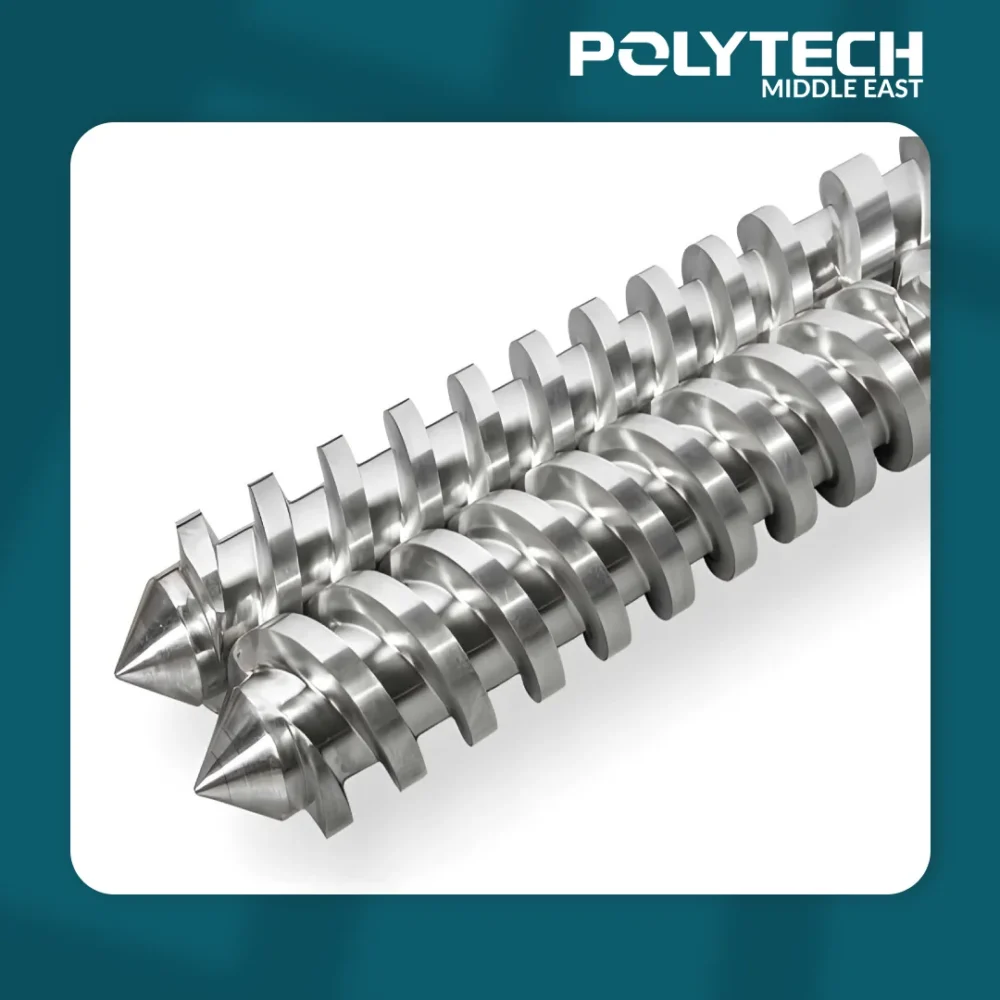
125/30 Parallel Twin Screw Barrel
-
 Machines and Spare Parts
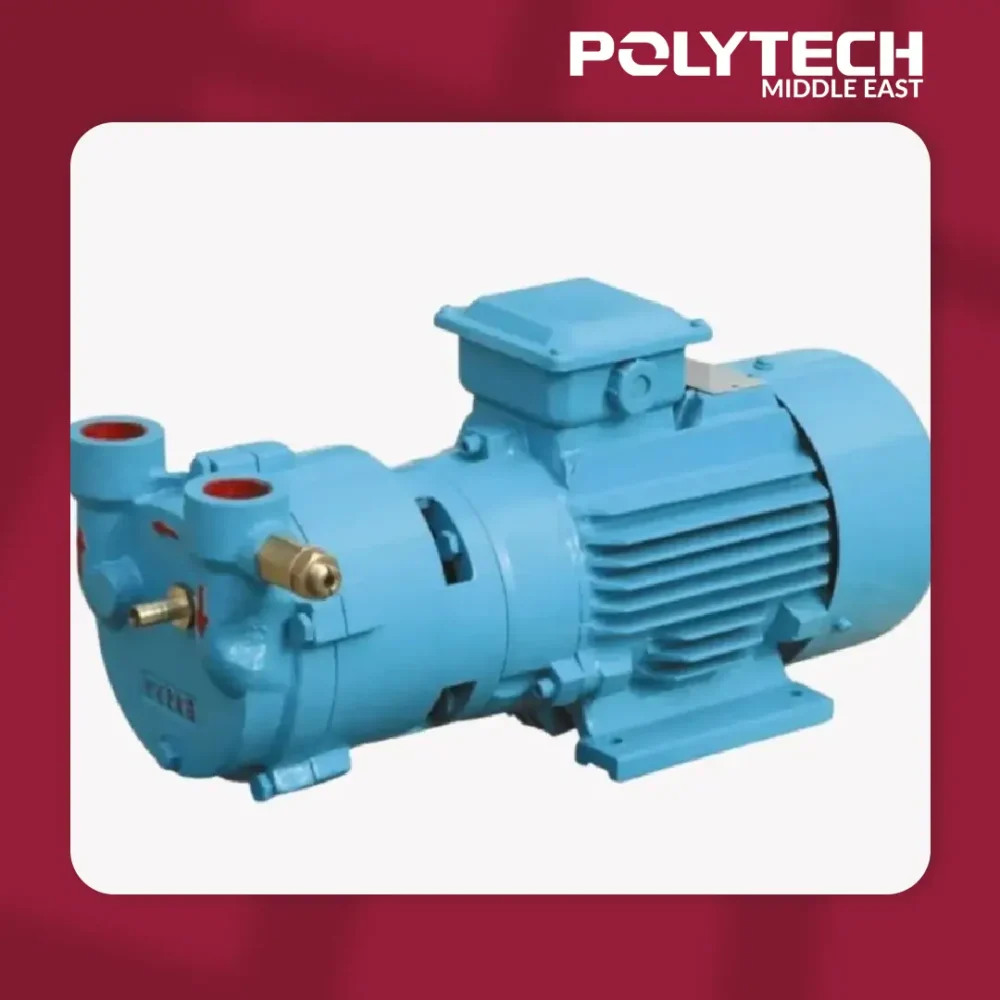
Vacuum pumps
-
 Machines and Spare Parts
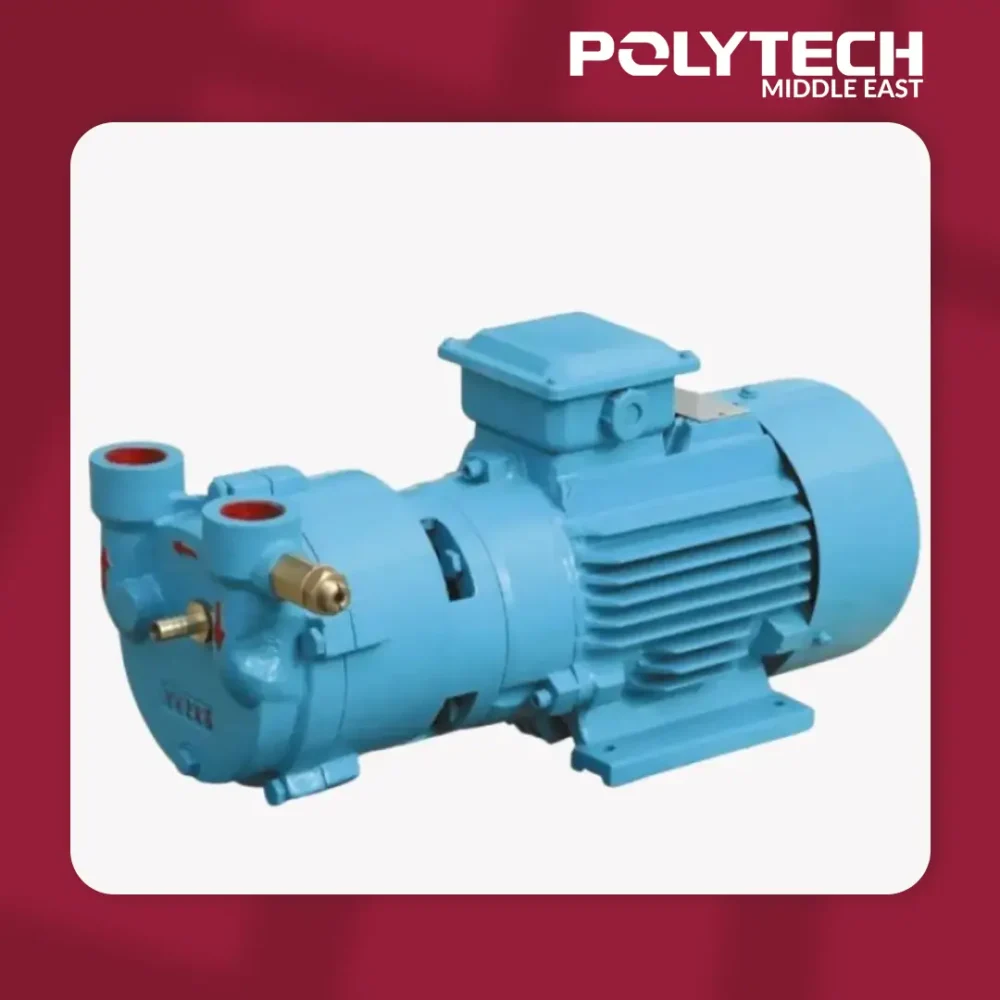
2.2kw Vacuum Pumps for Plastic Extrusion Line
-
 Machines and Spare Parts
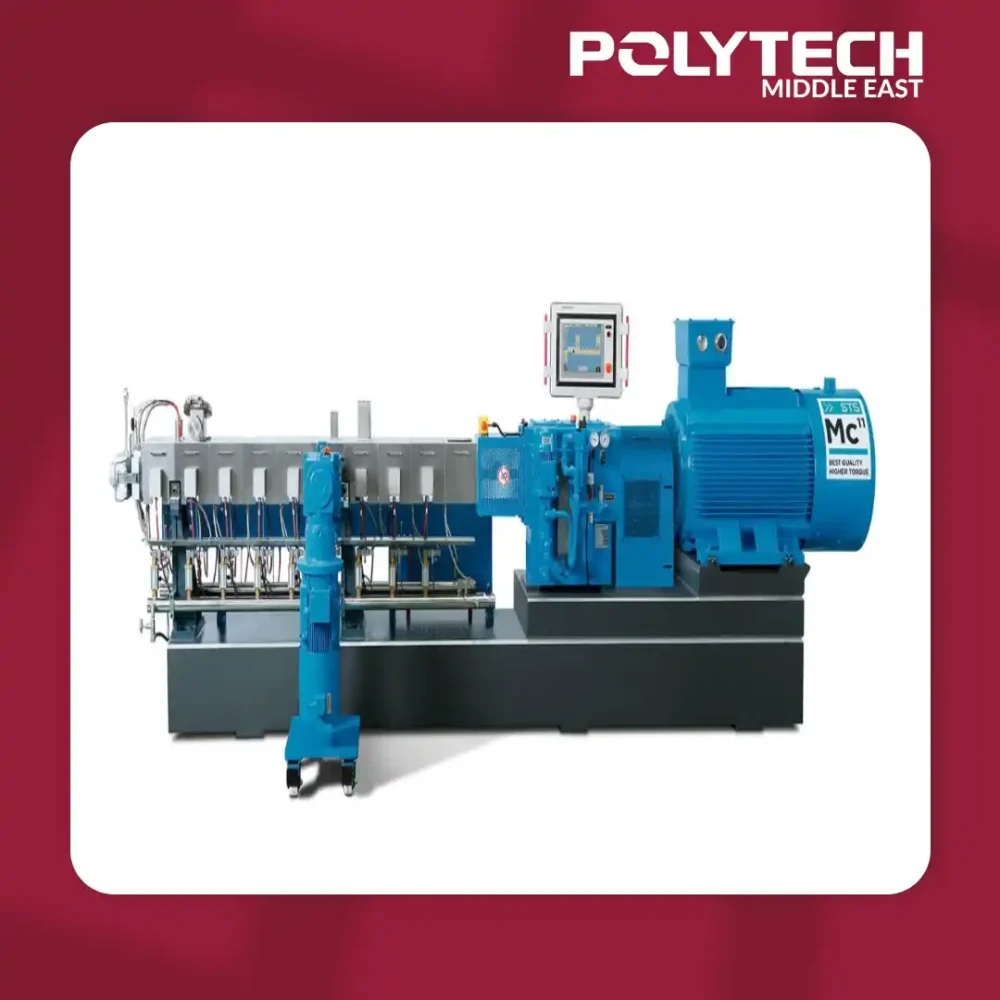
High-Torque Twin-Screw Extruder