


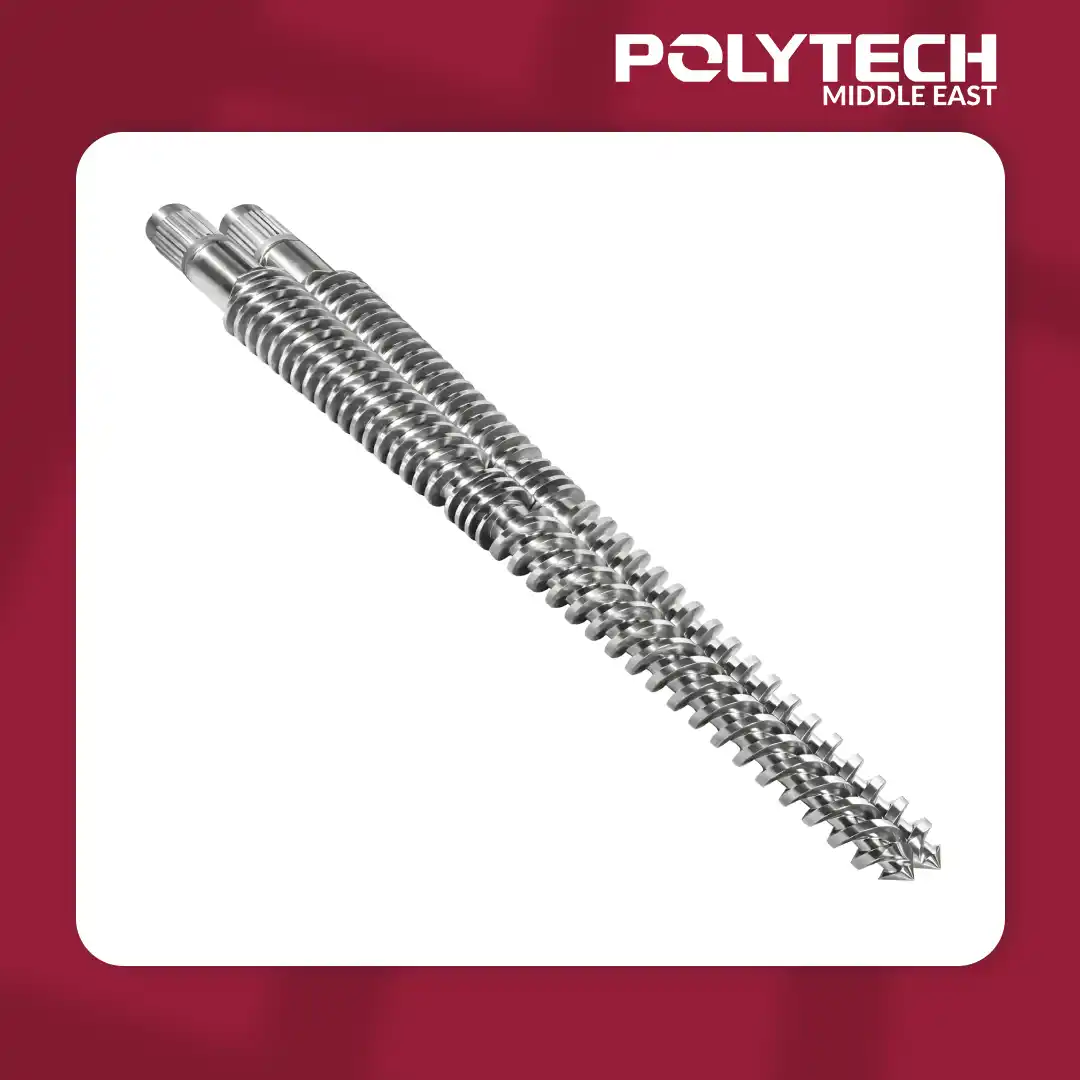
65/138 Conical Twin-Screw Barrel
65/138 Conical Twin-Screw Barrel
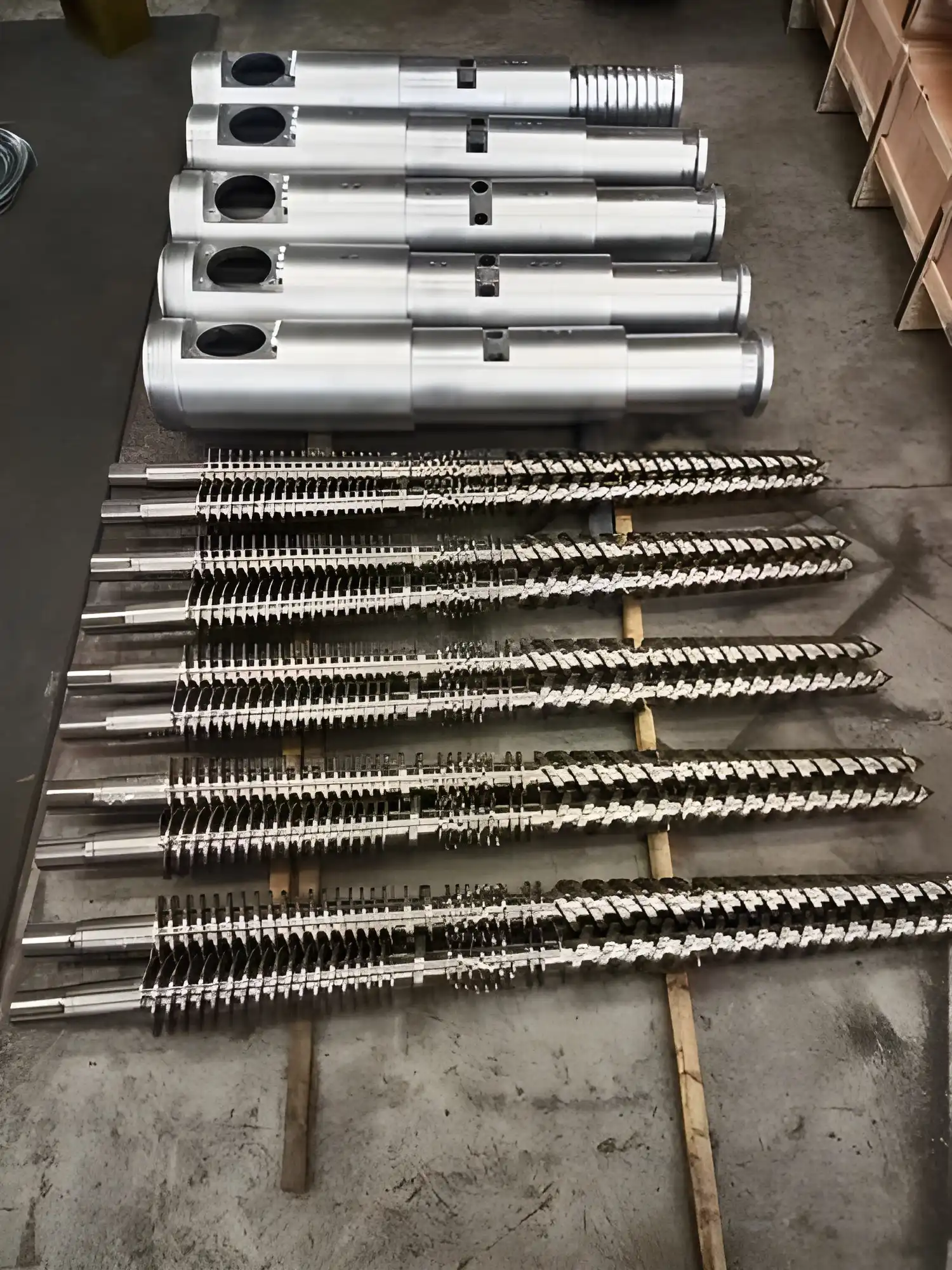
High-performance 65/138 conical twin-screw barrel for industrial plastic extrusion machinery. Features bimetallic coating and nitrided 38CrMoAl for superior PVC and WPC production.
Category -> Machines and Spare Parts
Description
Executive Summary
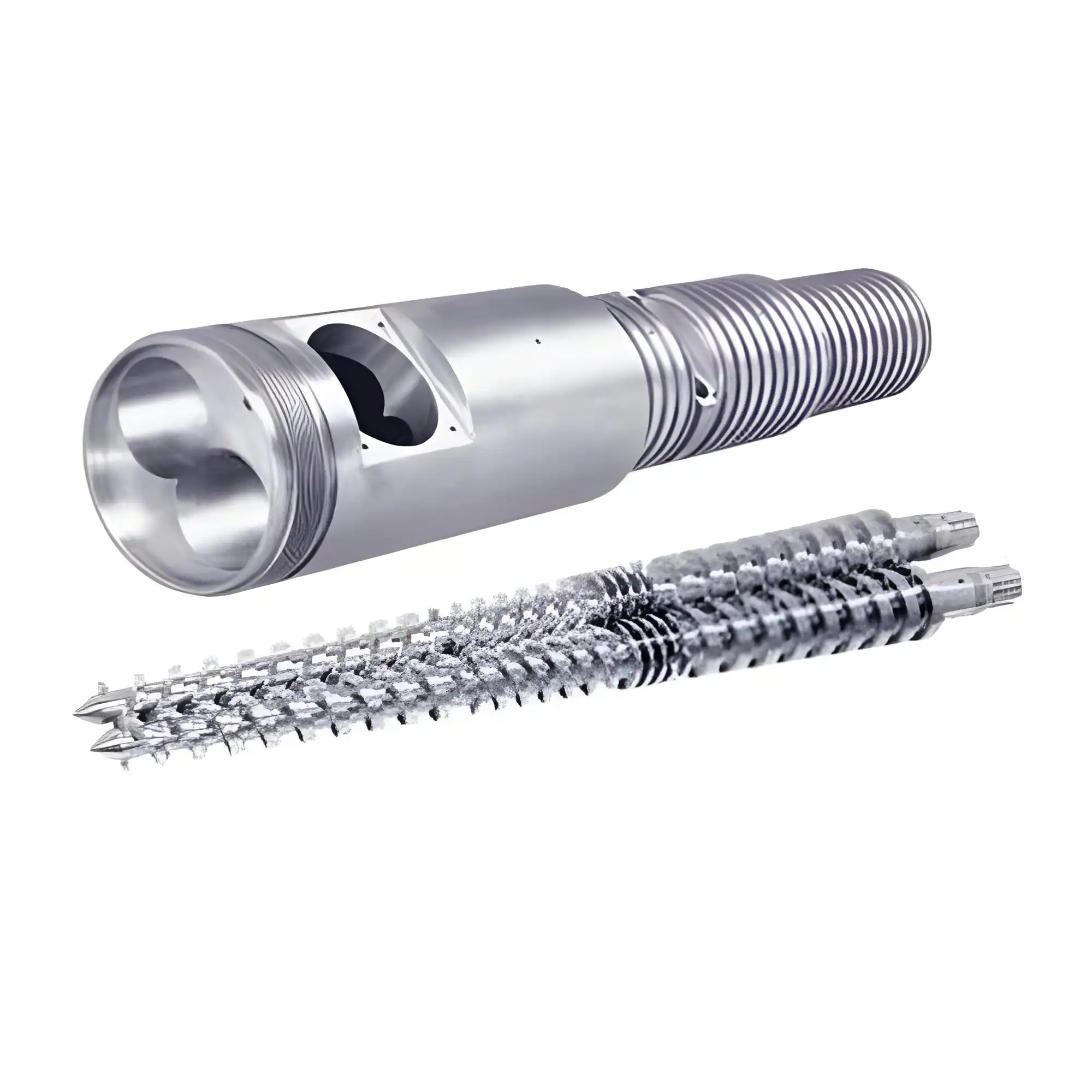
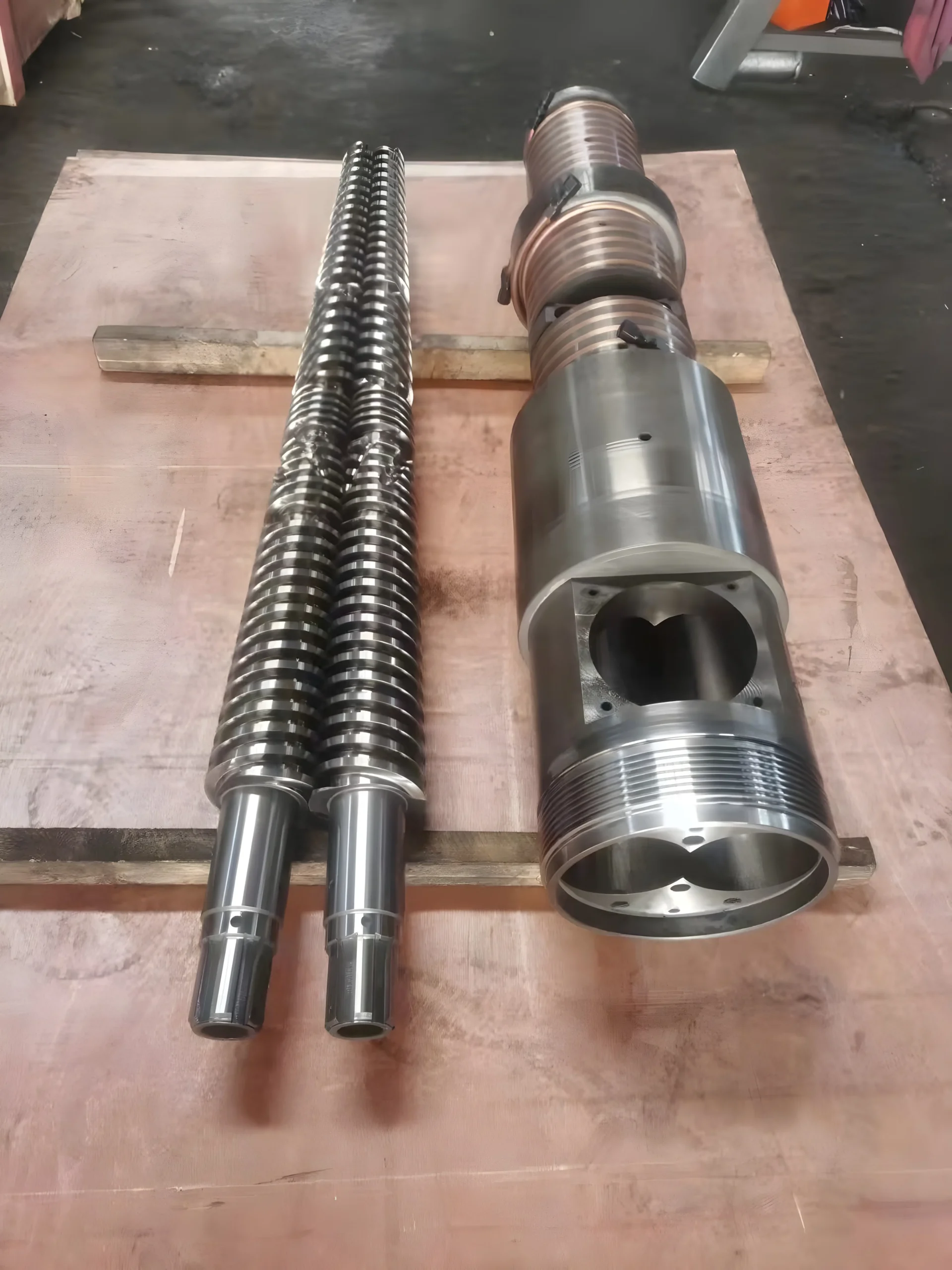
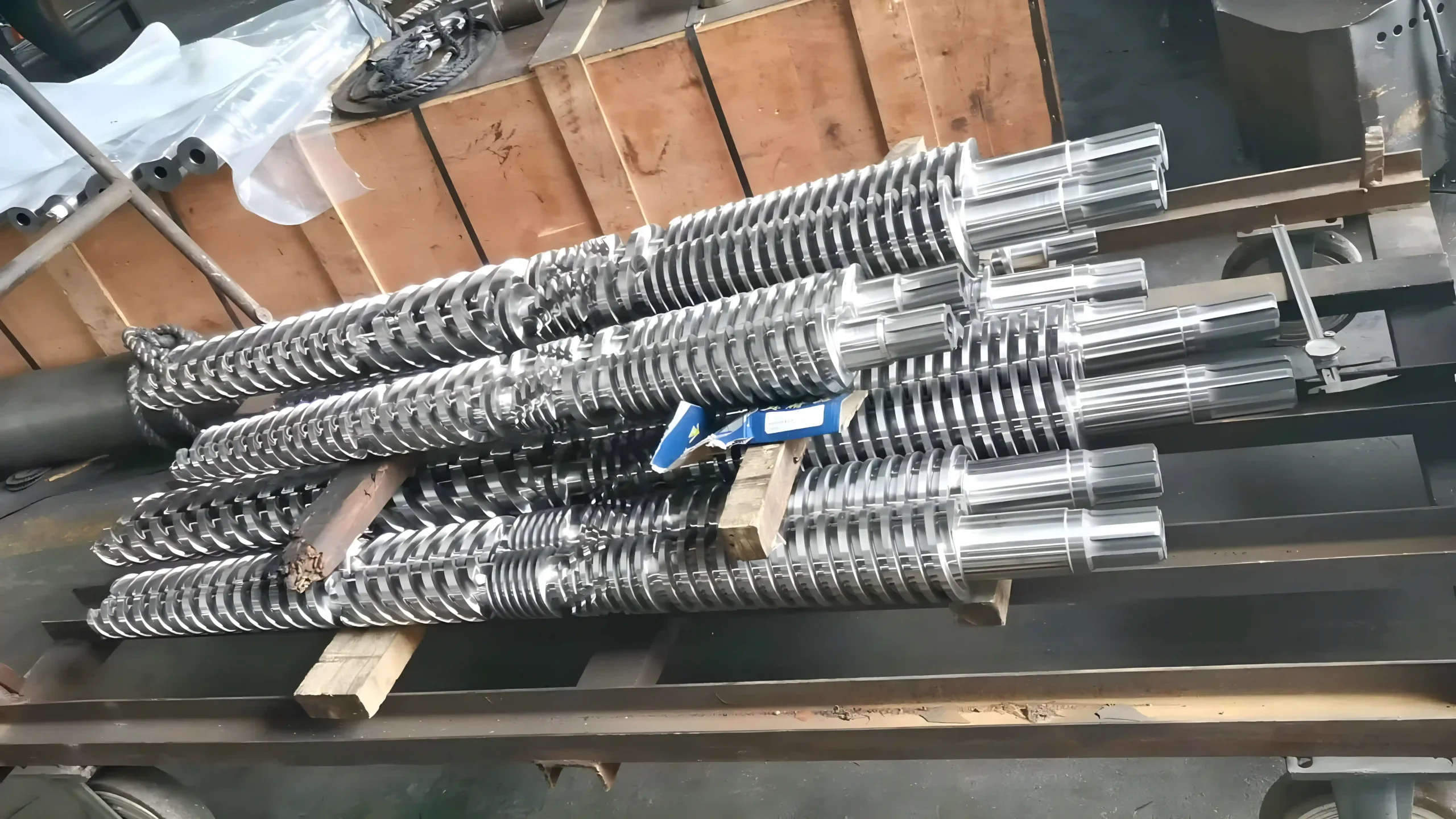
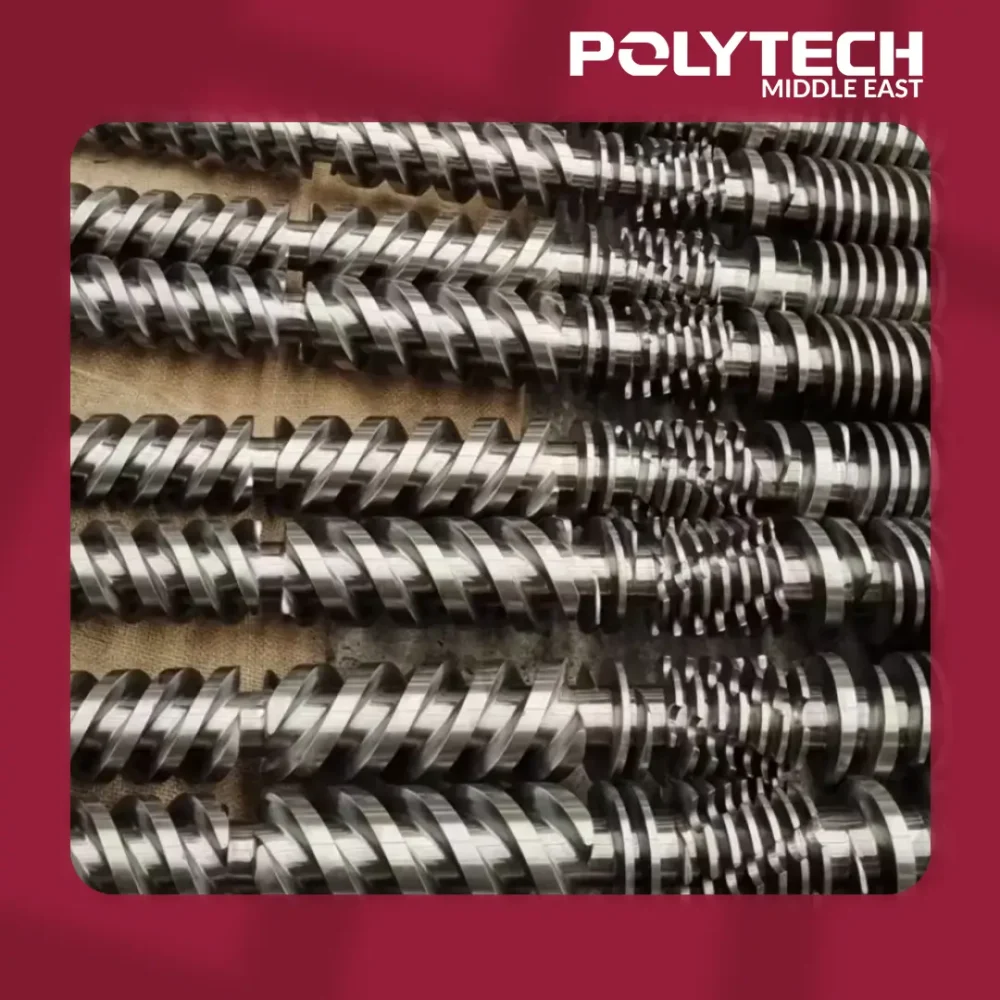
The 65/138 conical twin-screw and barrel is engineered for the high-efficiency extrusion of rigid PVC, wood-plastic composites (WPC), and similar thermoplastics. Utilizing two intermeshing screws that taper from a 138 mm feed diameter to a 65 mm discharge diameter, it creates a robust and natural compression zone.
Precision-machined from high-grade nitriding alloy steel like 38CrMoAl, the screws and barrel undergo rigorous heat treatment. Standard treatments include gas nitriding (0.45–0.7 mm depth at 850–1000 HV) and optional bimetallic alloy casting (2–5 mm wear-resistant layer at 50–65 HRC).
This design ensures thorough homogenization and high melt pressure at moderate screw speeds, significantly boosting throughput for industrial plastic extrusion lines while maintaining melt stability. Key benefits include prolonged service life when processing abrasive compounds and energy-efficient operation. The self-wiping intermeshing action guarantees a uniform melt and prevents material degradation. Applications include heavy-duty PVC pipe manufacturing, roofing sheets, and WPC flooring profiles, making it highly reliable for continuous industrial operations.
Design & Materials
The 65/138 barrel features a counter-rotating, two-screw system tapering conically from a 138 mm feed-end to a 65 mm discharge-end. This gradual reduction steadily builds melt pressure across the length of the barrel.
- Construction: The foundation is built from premium alloy steels, prominently 38CrMoAl. This nitriding-grade steel provides exceptional core toughness (HB 280-320 after tempering). Both the screws and barrel are gas-ion nitrided to achieve a highly durable surface layer (0.45–0.7 mm deep) with a hardness of 850–1000 HV.
- Surface Coatings: For superior longevity against corrosive and abrasive fillers, a bimetallic wear-resistant layer is often cast into the barrel’s inner wall. This alloy layer is 2–5 mm thick and achieves a dual alloy hardness of 50–65 HRC. Alternatively, a hard chrome plating (0.025–0.10 mm thickness) can be applied over the nitrided steel to resist micro-abrasion from materials like chlorinated PVC.
- Precision Machining: To guarantee smooth plastic flow, the surface roughness is strictly maintained at ≤ Ra 0.4 µm. The screw straightness is controlled to a precise 0.015 mm, ensuring the assembly remains rigidly aligned and avoids mechanical interference under high-torque conditions.
Technical Advantages
- High Output & Mixing: The pronounced 138 mm to 65 mm taper intrinsically builds pressure, allowing high-capacity extrusion at moderate RPMs. The intermeshing design delivers excellent self-wiping action, leading to a perfectly uniform melt and higher throughput than parallel alternatives of similar sizes.
- Wear Resistance: Combining 38CrMoAl base steel with bimetallic casting (2–5 mm layer) offers maximum protection against heavily filled formulations (e.g., high CaCO₃ content in pipes or silica in WPC). This significantly delays wear, extending the maintenance lifecycle.
- Efficient Heat Management: Lower operating speeds reduce sheer-induced overheating, which is vital for processing heat-sensitive PVC. Zoned heating and integrated cooling maintain absolute temperature stability across the feed, transition, and metering segments.
- Self-Cleaning Feed Zone: The specialized flight geometry near the 138 mm feed end actively draws material in and self-cleans, preventing the stagnation of moisture and complex additives, ensuring highly reliable startups.
- Customization: Flight pitch, channel depths, and compression ratios can be highly customized to match the exact requirements of industrial plastic extrusion lines, whether optimized for roofing sheets or thick-walled pipes.
Installation & Compatibility Notes
- Mechanical Fit: The 65/138 barrel is installed into standard counter-rotating conical twin-screw extruder gearboxes. Proper flange leveling and bolt torquing are essential for secure assembly.
- Alignment: Screws must intermesh without any metal-on-metal contact. The 0.015 mm straightness tolerance helps achieve perfect alignment, but manual low-speed rotation during commissioning is required to verify clearance.
- Cooling and Heating: Ensure all barrel cooling jackets and external heater bands are securely connected. Zoned temperature controllers must be calibrated before introducing any polymer.
- Machine Compatibility: The host extruder must provide adequate torque for the large 138 mm feed section. Verify that the L/D ratio and mounting flanges match the existing machine architecture.
Maintenance & Lifespan
- Wear Monitoring: Regularly track throughput and melt quality. Inspect the radial gap between the screw flights and the barrel wall. If the bimetallic or nitrided layer wears beyond standard tolerances, replacement or refurbishing is required.
- Cleaning: Purge the barrel immediately after processing PVC to prevent the release of corrosive HCl gas. Using standard commercial purging compounds maintains the integrity of the Ra 0.4 µm surface finish.
- Preventive Service: Routinely inspect end-bearings, gearbox oil, and screw couplings. Ensure that heaters and cooling channels are free of scale and fully operational.
- Life Expectancy: A well-maintained 65/138 barrel with a 2-5 mm bimetallic layer can last for tens of thousands of hours, even when running heavily filled PVC and WPC compounds continuously.
Safety & Quality Standards
- Quality Assurance: Components are manufactured to strict tolerances (Nitriding brittleness: Grade II). Suppliers typically adhere to ISO standards, providing full material and heat-treatment certification.
- Safety Practices: Employ standard extruder safety protocols. Ensure hot barrel zones are insulated and guarded. Implement proper ventilation for potential polymer off-gassing, especially with PVC formulations.
- Operational Safety: Operators must strictly follow the manufacturer’s startup and shutdown sequences to avoid cold starts or excessive back pressure build-up.
Products
Applications & Industries
- PVC Pipe and Profile Extrusion: Perfectly suited for industrial plastic extrusion machinery manufacturing rigid PVC pressure pipes, corrugated pipes, and architectural profiles. The conical design handles stabilizers and mineral fillers efficiently.
- Roofing Sheets and Panels: The high output and stable melt pressure guarantee uniform thickness and mechanical strength for extruded PVC roofing sheets and corrugated panels.
- Wood-Plastic Composite (WPC): Highly effective for WPC decking and flooring. The robust compounding action ensures perfect dispersion of wood flour within the PE/PVC matrix while the bimetallic barrel withstands the highly abrasive wood fibers.
- Cable and Conduit Manufacturing: Utilized for high-volume electrical conduit and continuous cable jacketing, offering defect-free surfaces and high resistance to compounding additives.
- General Thermoplastics: Capable of processing a wide range of polymers including PE, PP, and ABS, providing superior shear control for consumer and industrial plastic goods.
Applications
Gallery
Main Features
Technical Specifications
| Property | Specification (typical) |
| Screw diameters | 65 mm (discharge end) and 138 mm (feed end) |
| Base material | High-grade alloy steel (e.g., 38CrMoAl) |
| Heat treatment | Quenched & tempered (HB 280-320) + Nitriding |
| Nitriding depth & Hardness | 0.45–0.7 mm depth; 850–1000 HV |
| Bimetallic layer (Optional) | 2–5 mm depth; Dual alloy hardness 50–65 HRC |
| Surface coating (Optional) | Hard chrome plating (0.025–0.10 mm, ≥900 HV) |
| Straightness tolerance | ≤ 0.015 mm |
| Surface roughness | ≤ Ra 0.4 µm |
| Compatible Polymers | Rigid PVC, WPC, PE, PP, ABS |
Related products
-
 Machines and Spare Parts
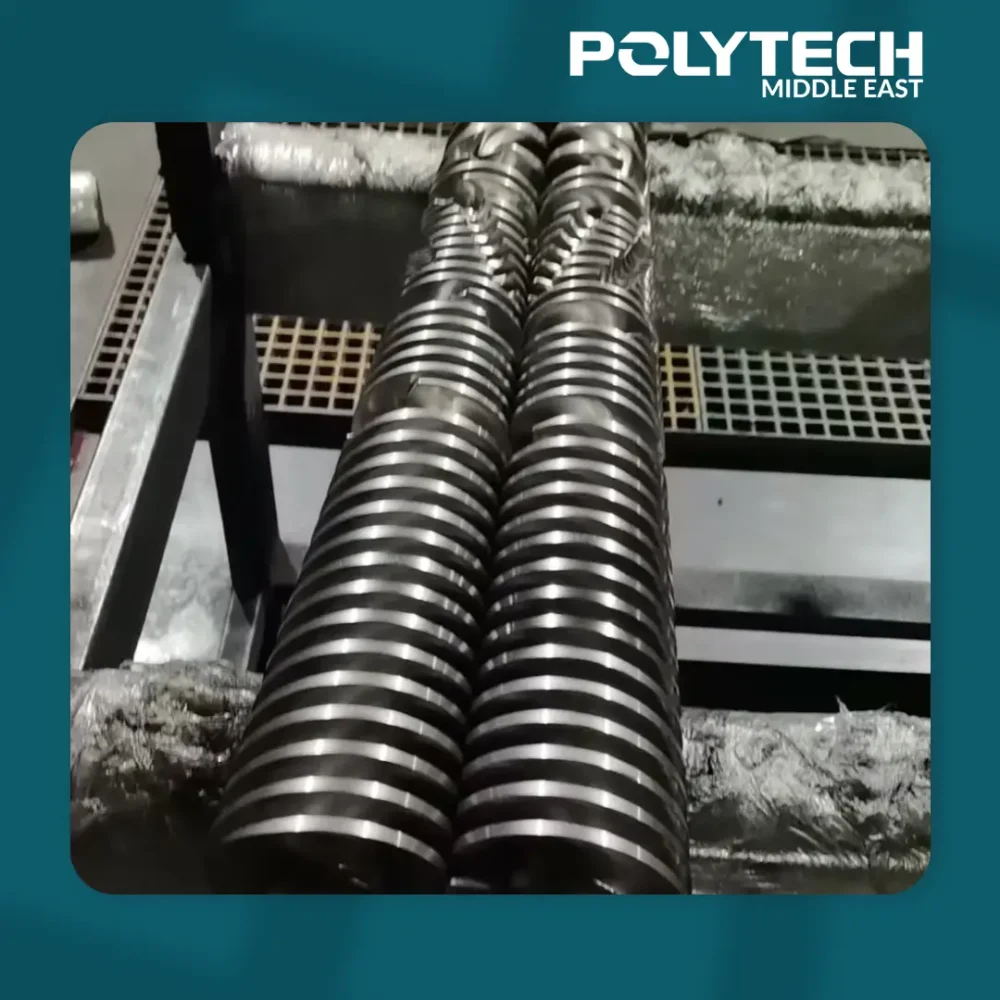
65/132 Conical Twin Screw Barrel
-
 Machines and Spare Parts
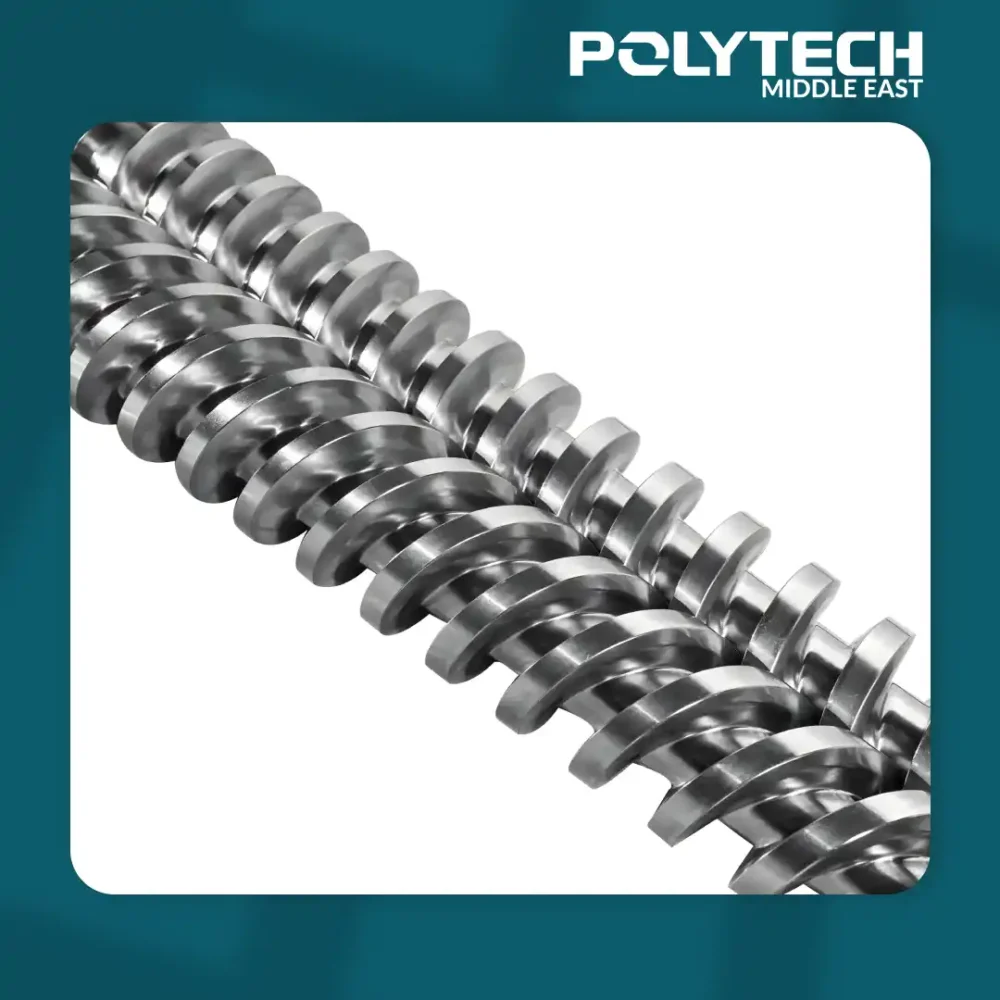
115/230 Conical Twin-Screw Barrel
-
 Machines and Spare Parts
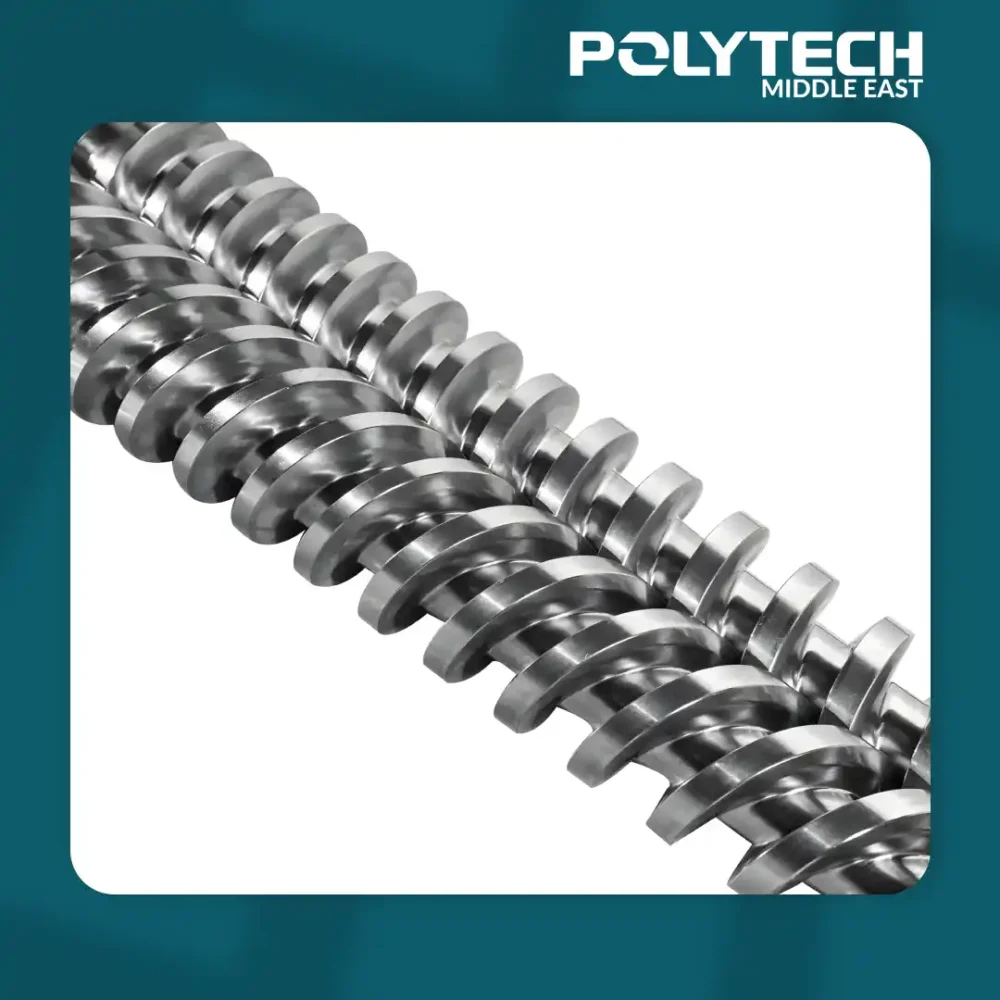
55/110 Conical Twin-Screw Barrel
-
 Machines and Spare Parts
51/105 Conical Twin Screw Barrel