

The flooring industry has evolved rapidly in recent years, and SPC floor production has become one of the most talked-about innovations. Known for its durability, waterproof nature, and elegant designs, SPC flooring is now a preferred choice for both residential and commercial spaces. From raw materials and manufacturing techniques to installation methods and future trends, this guide covers everything you need to know about SPC flooring. Whether you are a homeowner looking for a stylish upgrade or a business owner searching for a practical solution, understanding the process of SPC floor production will help you make an informed decision.
SPC Floor Production: A Complete Guide to Manufacturing and Installation
What is SPC Flooring?
SPC flooring, short for Stone Plastic Composite flooring, represents one of the most advanced solutions in the modern flooring industry. It is designed with a rigid core that combines natural limestone powder, PVC resin, and stabilizers, resulting in a surface that is highly durable, waterproof, and resistant to daily wear. Unlike laminate or WPC flooring, SPC does not swell, warp, or lose shape when exposed to moisture, making it a top choice for kitchens, bathrooms, and high-traffic areas.
Why Choose SPC Flooring?
SPC flooring has gained worldwide popularity because of its strength and versatility. Its rigid structure provides superior dimensional stability, while the wear layer on top protects against scratches and stains. In addition, the flooring comes in a wide range of designs, from wood-like patterns to modern stone textures, giving homeowners and businesses the freedom to match any interior style. Eco-friendliness and ease of installation add more value, making SPC a practical and sustainable choice.
What are the Raw Materials for SPC Flooring?
The strength of SPC flooring comes from its carefully selected raw materials:
- Stone Powder (Calcium Carbonate): Provides the solid base that ensures rigidity.
- PVC Resin: Acts as a binder, giving flexibility and durability.
- Plasticizers and Stabilizers: Improve elasticity and performance under different conditions.
- UV Coating and Wear Layer: Protect the surface from sunlight, scratches, and stains.
Each layer plays a role in building a product that can last for decades without losing its aesthetic appeal.
How is SPC Flooring Manufactured?
The manufacturing of SPC flooring is a precise process that ensures both durability and design quality:
- Mixing and Heating: Raw materials are blended and heated to form a homogeneous mixture.
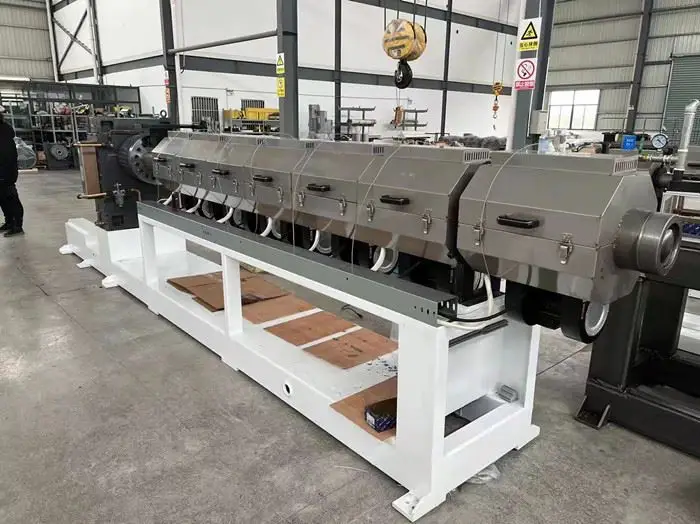
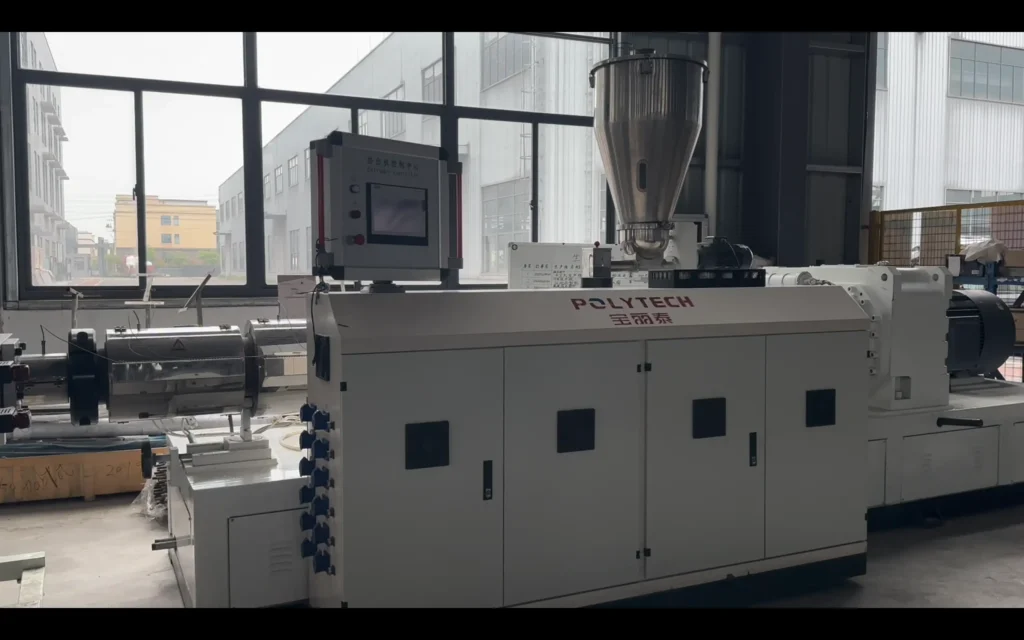
- Extrusion and Sheet Formation: The mixture is passed through an extruder to create rigid sheets.
- Hot Pressing and Cooling: Layers are compressed under high temperature and pressure, then cooled to maintain shape.
- Cutting, Slotting, and Surface Treatment: Final steps include shaping planks, adding click-lock systems, and applying decorative finishes.
This process ensures every plank is identical in quality, strength, and appearance.
Quality Control in SPC Floor Production
To meet international standards, SPC flooring undergoes strict quality control:
- Thickness and density tests to ensure stability.
- Waterproof testing to guarantee resistance against spills.
- Scratch and impact resistance checks for long-term durability.
- Color consistency tests to maintain design accuracy across batches.
How to Prepare Floor for SPC Flooring?
Before installation, proper preparation of the subfloor is essential:
- Checking the Subfloor: Ensure it is solid and free of cracks.
- Cleaning and Leveling: Remove dust, debris, and level uneven areas.
- Moisture Testing: Prevents damage by ensuring no hidden water issues remain.
These steps guarantee smooth installation and long-lasting performance.
Installation Methods of SPC Flooring
There are several ways to install SPC flooring depending on the project:
- Click-Lock System: Fast, glue-free installation suitable for DIY projects.
- Glue-Down Method: Provides extra stability, perfect for commercial spaces.
- Floating Installation: Allows flexibility, especially in large rooms.
Maintenance and Care of SPC Flooring
SPC flooring requires minimal effort to stay in excellent condition:
- Sweep or vacuum regularly to remove dust.
- Use mild cleaners for spills and stains.
- Avoid dragging heavy furniture to prevent scratches.
With proper care, SPC flooring can maintain its beauty for 15–25 years.
SPC Flooring vs. Other Flooring Options
- SPC vs. Vinyl: SPC is thicker and stronger than traditional vinyl.
- SPC vs. Laminate: Unlike laminate, SPC is 100% waterproof.
- SPC vs. Hardwood: SPC mimics wood but is more cost-effective and low maintenance.
Who are the Top SPC Flooring Manufacturers?
The SPC market is led by global manufacturers that specialize in innovation and quality:
- International Leaders: Companies in the US, Germany, and South Korea offer premium SPC flooring with advanced designs.
- Asian Manufacturers: China and Vietnam are major producers with competitive pricing and large export markets.
- European Brands: Known for eco-friendly processes and strict quality standards.
When choosing a supplier, it is important to consider certifications, warranty, and after-sales service.
Future Trends in SPC Floor Production
The future of SPC flooring is driven by technology and sustainability:
- Development of eco-friendly raw materials.
- Advanced digital printing that offers more realistic patterns.
- Smart flooring solutions that integrate underfloor heating and soundproofing.
Conclusion
SPC flooring combines durability, beauty, and practicality, making it one of the most reliable flooring options today. From carefully selected raw materials to advanced production methods, every detail ensures long-lasting performance. For homeowners and businesses seeking modern design with low maintenance, SPC flooring is an investment worth considering.