

Explore the comprehensive guide to the SPC floor extrusion line. Learn about the production process, key raw materials, and advanced machinery used to create SPC flooring. Discover the benefits of SPC flooring, including its exceptional durability, water resistance, and eco-friendly characteristics. This guide covers everything you need to know from installation methods to the quality control processes that ensure top-notch products. Additionally, find out about SPC flooring requirements, common weaknesses, and how to choose the best SPC flooring manufacturers. Whether you’re a homeowner or a business, SPC flooring offers a sustainable and stylish solution for all your flooring needs.
SPC Floor Extrusion Line: A Complete Guide to Manufacturing and Installation
What is an SPC Floor Extrusion Line?
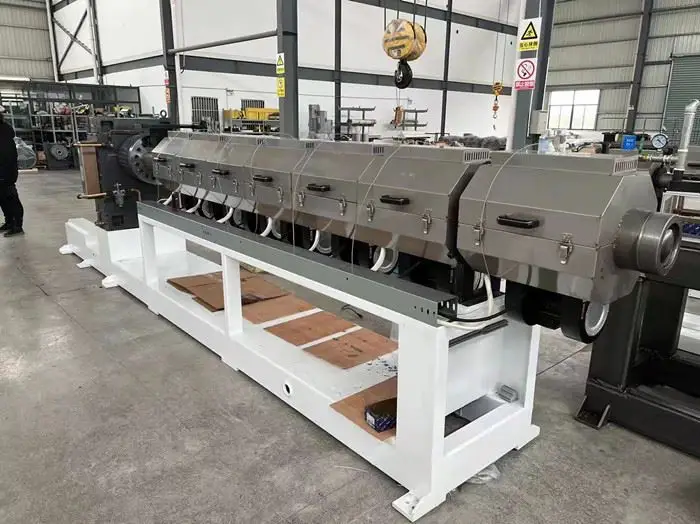
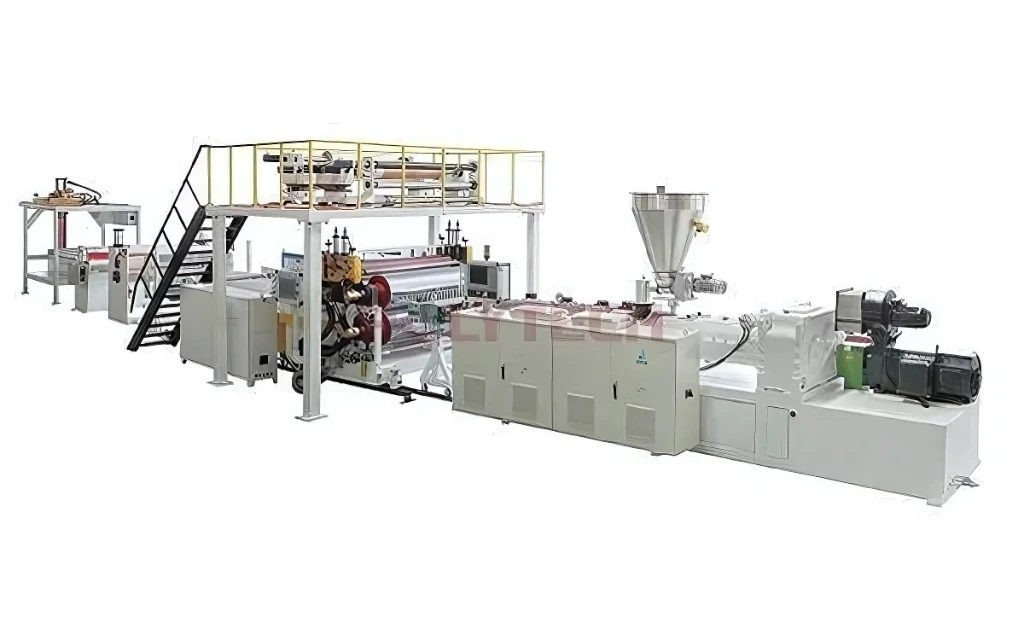
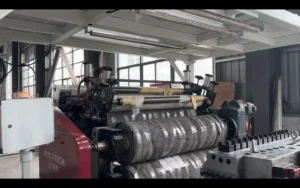
An SPC floor extrusion line is a specialized production system used to create Stone Plastic Composite (SPC) flooring. The process begins with SPC flooring production, where raw materials like calcium carbonate, PVC resin, and stabilizers are combined and heated until they form a homogeneous mixture. This mixture is then forced through the extrusion line, shaping it into rigid, durable flooring sheets. The use of the SPC extrusion line for flooring ensures that every sheet produced is of high quality, providing the strength and stability required for long-lasting flooring solutions.
Why is SPC Flooring Popular?
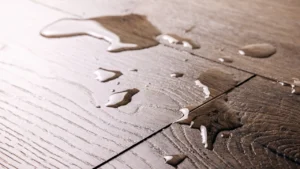
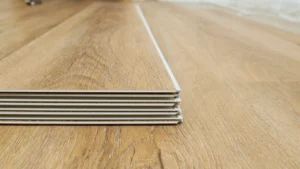
SPC flooring has gained immense popularity because of its durability, versatility, and eco-friendly characteristics. One of the major SPC flooring benefits is its water resistance, making it ideal for installation in kitchens, bathrooms, and high-traffic areas. In comparison to traditional flooring options, SPC is also far easier to install, often using a click-lock system that requires no glue or nails.
Another significant benefit is that SPC flooring comes in a wide range of designs, from wood-like patterns to modern stone textures, allowing it to complement any interior décor. The eco-friendly SPC flooring option is also made from sustainable materials, appealing to consumers looking for environmentally-conscious solutions.
What are the Key Components of an SPC Floor Extrusion Line?
The SPC floor extrusion line involves several key components that work together to produce high-quality SPC flooring:
- Extruder Machinery: The extruder is where the raw materials are mixed and melted to create a uniform, homogeneous mixture.
- Roller and Cooling System: After extrusion, the heated material passes through rollers and cooling systems to ensure the sheet maintains its form and rigidity.
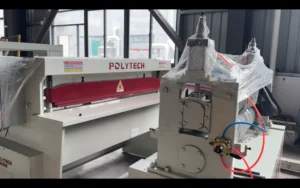
- Cutting and Sizing Equipment: Once the sheet has cooled, it is cut to the desired dimensions, ready for further processing, such as click-lock installation systems.
How Does SPC Flooring Get Produced Through Extrusion?
The SPC flooring production process consists of several detailed steps:
- Mixing and Preparing Raw Materials: Calcium carbonate, PVC resin, and other stabilizers are combined and melted in the extruder to create a smooth, consistent mixture.
- Extrusion Process and Sheet Formation: The heated mixture is then pushed through an extrusion die, creating rigid flooring sheets with a smooth, uniform texture.
- Cooling and Cutting: The extruded material is cooled to solidify its shape, then cut into planks or tiles.
- Surface Treatment and Finishing: Finally, the surface of the SPC flooring is treated with a UV coating to enhance its scratch resistance and provide a realistic finish, mimicking wood or stone.
Does SPC Flooring Need a Vapor Barrier?
Yes, SPC flooring often requires a vapor barrier, especially when installed over concrete or uneven subfloors. Vapor barriers help protect the flooring from moisture damage by preventing water from seeping into the flooring, which can lead to swelling, warping, and other issues. The need for a vapor barrier is more critical in areas with high humidity, such as basements or bathrooms.
However, if the subfloor is already moisture-resistant, the vapor barrier may not be necessary. Always consider the environmental conditions and consult with a flooring expert before installation.
What is the Weakness of SPC Flooring?
Despite its many advantages, SPC flooring does have some weaknesses:
- Surface Scratches: While durable, SPC flooring can still be scratched if heavy objects are dragged across it or if sharp objects come in contact with the surface.
- Expansion and Contraction: Like most rigid core flooring, SPC can expand or contract depending on changes in temperature. Proper installation, leaving an expansion gap, is essential to prevent buckling or warping.
- Hardness: Some people find SPC flooring harder underfoot compared to softer flooring options like carpet or cork. This can be mitigated by using underlayment for added cushioning.
What are the Requirements for SPC Flooring?
Proper installation of SPC flooring requires the following:
- Subfloor Preparation: The subfloor should be clean, dry, and level to ensure a smooth installation. Any cracks or irregularities in the subfloor could cause the SPC flooring to shift or become damaged over time.
- Environmental Conditions: It’s important to install SPC flooring in a climate-controlled environment. Extreme heat or cold can cause the material to expand or contract, leading to gaps or buckling.
- Installation Method: Depending on the space, SPC flooring installation can be done using a click-lock system, glue-down method, or floating installation, each method having its specific requirements.
What is the Gap Between SPC Floors?
When installing SPC flooring, it’s essential to leave an expansion gap around the perimeter of the room. This gap allows the flooring to expand and contract naturally with temperature and humidity changes. Typically, a gap of 1/8-inch to 1/4-inch is recommended.
The expansion gap is often hidden by baseboards or trim, but it’s necessary to maintain the integrity of the floor.
Quality Control in SPC Floor Extrusion Production
To ensure the highest quality, SPC flooring production undergoes strict quality control:
- Thickness and Density Tests: These tests ensure the flooring is sturdy and resistant to wear.
- Waterproof and Scratch Resistance Tests: Testing ensures the SPC flooring can withstand everyday use without showing damage.
- Design and Color Consistency Checks: Ensuring every batch of SPC flooring matches the expected design, color, and texture.
SPC Flooring vs Other Flooring Options
SPC flooring is often compared to other types of flooring, such as:
- SPC vs Vinyl Flooring: SPC is thicker and more durable than traditional vinyl flooring, making it more suitable for areas with high traffic or moisture exposure.
- SPC vs Laminate Flooring: Unlike laminate, SPC is 100% waterproof, making it ideal for moisture-prone areas like kitchens and bathrooms.
- SPC vs Hardwood Flooring: SPC flooring mimics the appearance of wood but offers better durability and lower maintenance.
Who are the Top SPC Flooring Manufacturers?
The SPC flooring market is led by some well-known global manufacturers:
- International Leaders: Major companies in the United States, Germany, and South Korea offer high-quality SPC flooring with cutting-edge designs.
- Asian Manufacturers: China and Vietnam are leading producers of SPC flooring, offering competitive pricing and large-scale production.
- European Brands: Known for their commitment to eco-friendly practices, many European SPC manufacturersfocus on sustainability.
When choosing a manufacturer, consider their certifications, warranties, and after-sales support.
Future Trends in SPC Floor Production
The future of SPC flooring production is driven by innovation:
- Sustainable Materials: Manufacturers are looking at using more eco-friendly raw materials, making SPC flooringan even more environmentally-conscious choice.
- Advanced Digital Printing: The use of digital printing technology will allow for more realistic designs and textures on SPC flooring.
- Smart Flooring Solutions: Integrating underfloor heating and soundproofing systems into SPC flooring is expected to gain popularity in the future.
Conclusion
SPC flooring is a reliable, durable, and eco-friendly flooring solution that has revolutionized the flooring industry. From its advanced manufacturing process using SPC floor extrusion lines to its wide array of designs, SPC flooring provides a sustainable option for both homes and businesses. Its long-lasting durability, resistance to water, and ease of maintenance make it an excellent investment for those seeking a low-maintenance flooring solution.