


125/30 Parallel Twin Screw Barrel
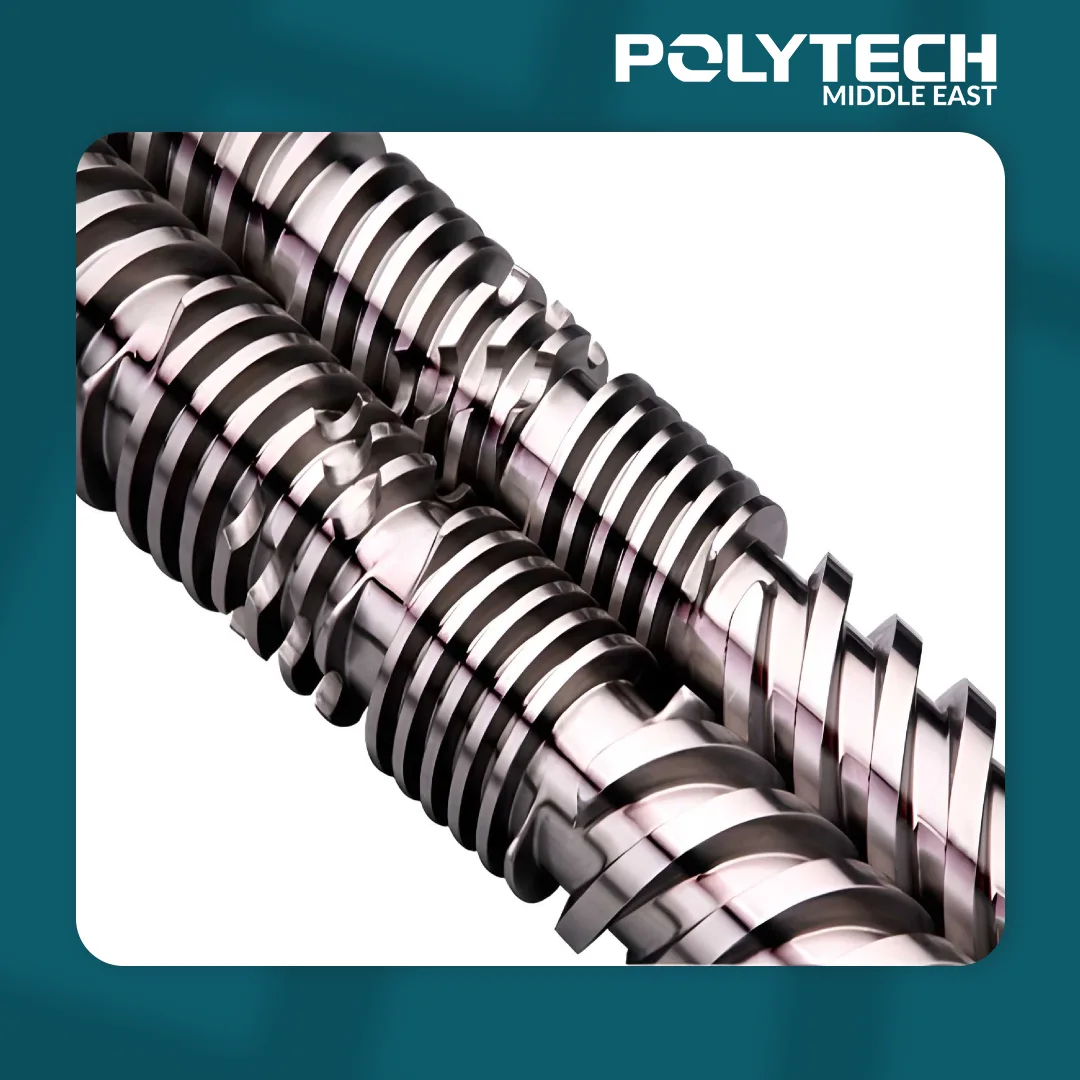
125/30 Parallel Twin Screw Barrel
Discover the 125mm diameter (L/D 30) parallel twin screw extruder barrel. Made of nitrided 38CrMoAlA steel with bimetallic lining, it delivers uniform mixing and wear resistance for PVC, PE, PP, and ABS extrusion.
Category -> Machines and Spare Parts
Description
Executive Summary
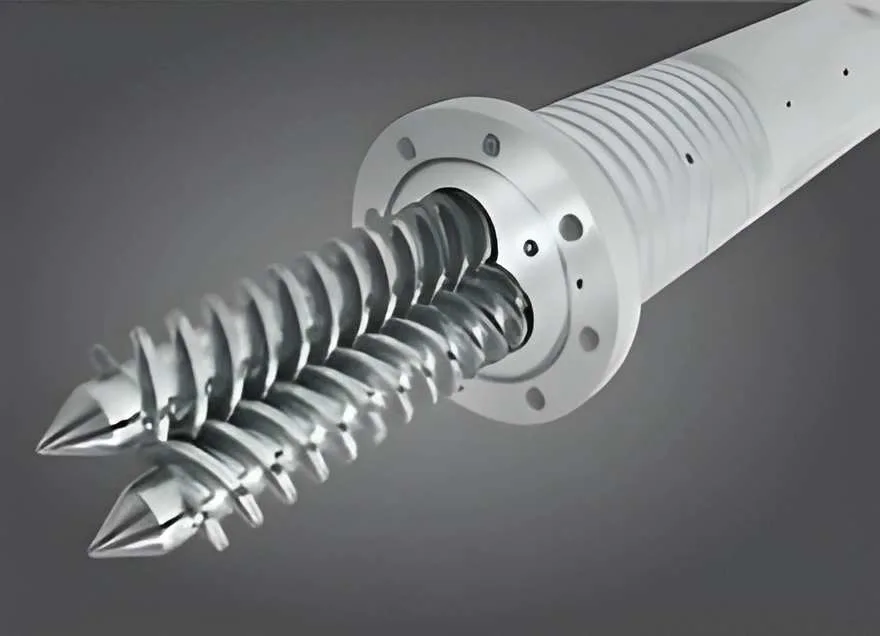
The 125/30 Parallel Twin Screw Barrel is a precision-engineered extrusion component designed for large-capacity plastic processing. With a 125mm screw diameter and 30:1 length-to-diameter (L/D) ratio, it provides an extended plasticizing zone for high throughput. Constructed from high-strength 38CrMoAlA alloy steel with advanced surface treatments (nitrided, bimetallic lining), this barrel ensures excellent wear and corrosion resistance. It’s compatible with major twin-screw extruder brands (e.g. KraussMaffei 125-30 series, Bausano MD-125/30) and ideal for producing PVC/PE/PP pipes, profiles, sheets, and wood-plastic composites.
Introduction
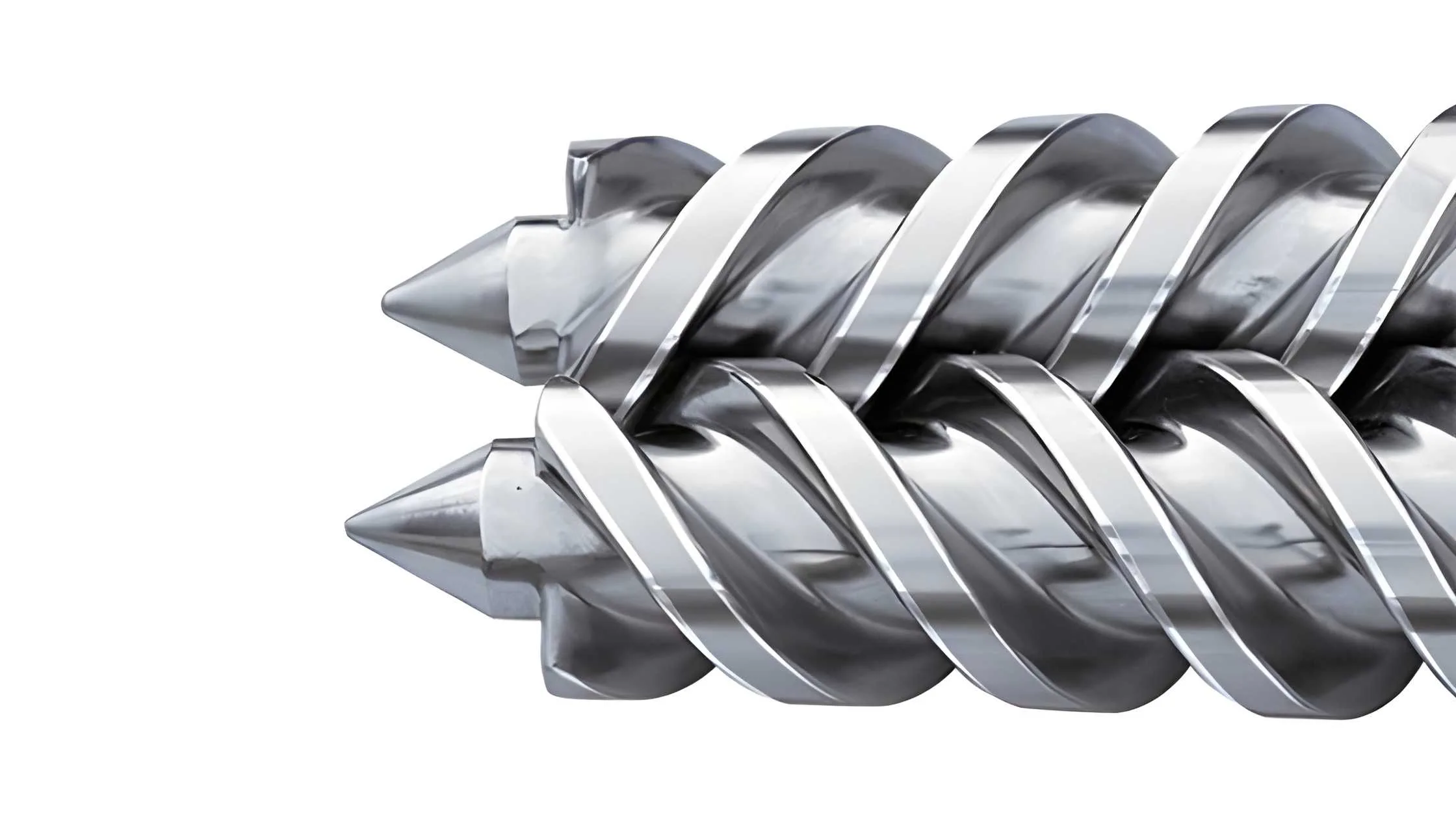
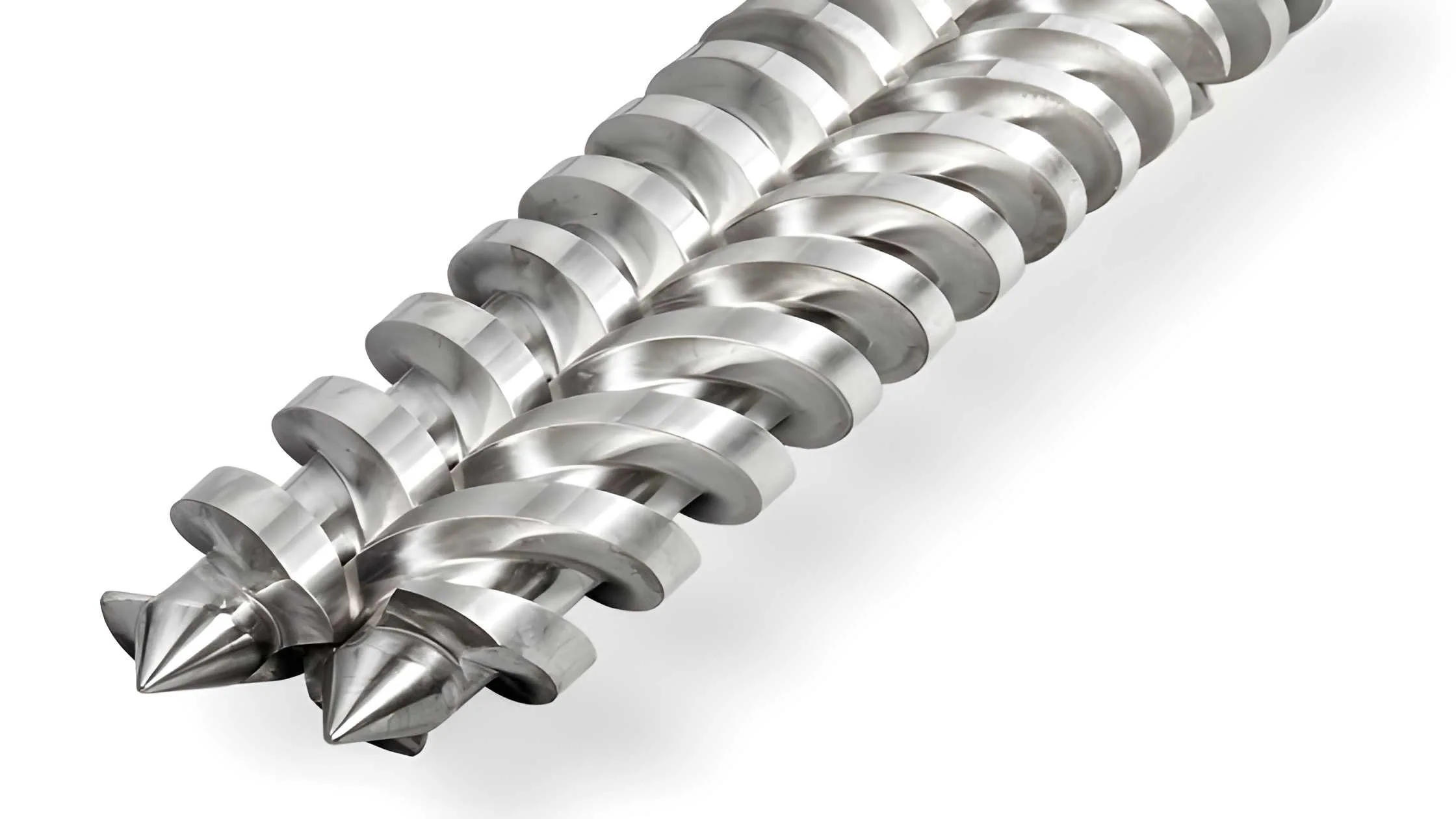
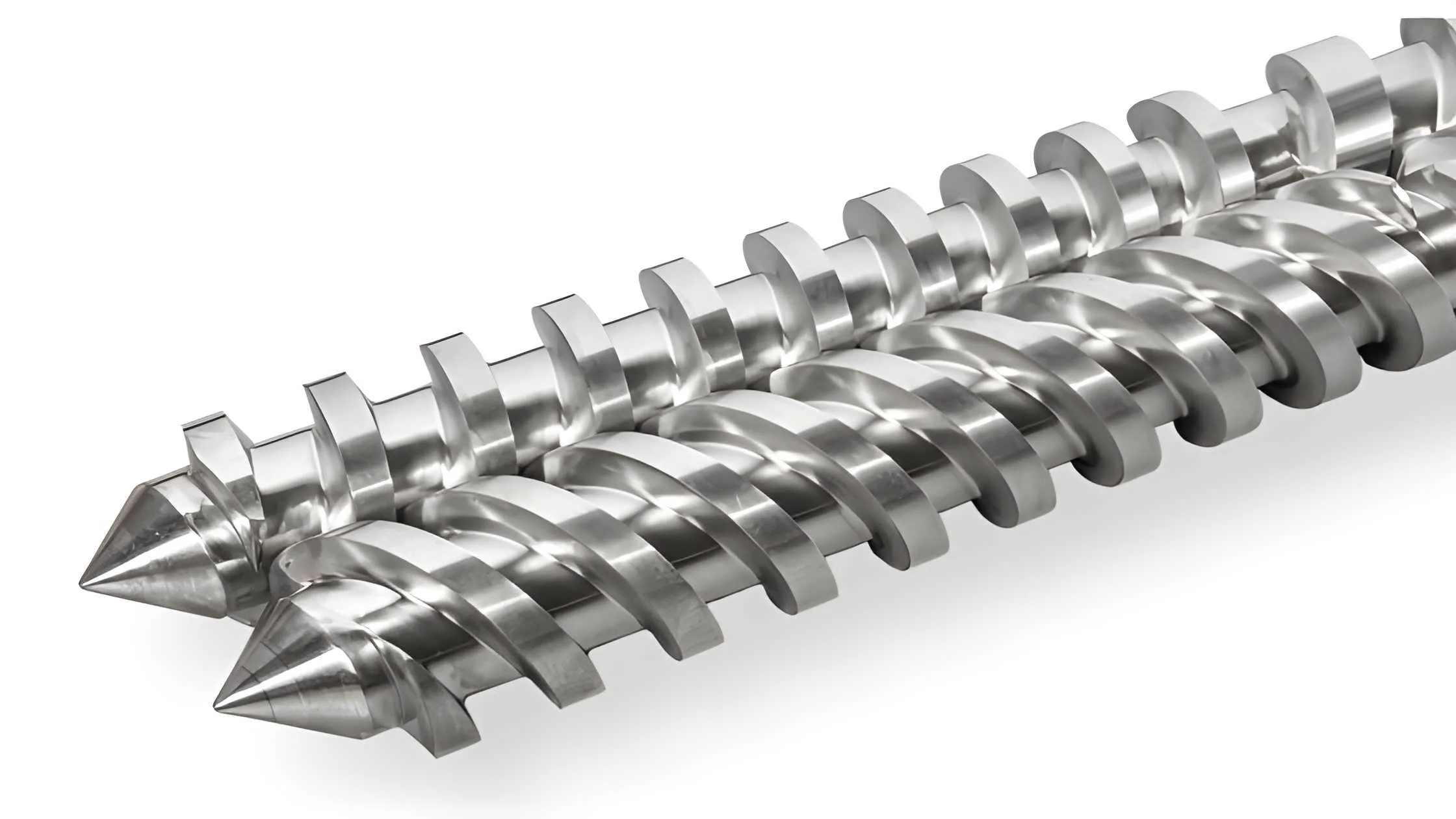
Parallel twin screw barrels are critical components in co-rotating twin-screw extruders, providing even melting, strong mixing, and stable pressure during extrusion. The 125/30 barrel features two same-diameter screws running side-by-side inside a split barrel, yielding balanced compression and thorough plasticizing. This design is common in large extrusion lines (PVC pipes, PE/ABS profiles, WPC sheets, etc.) where uniform material distribution and high output are required.
Features & Benefits
- High Output & Uniform Mixing: Dual co-rotating screws generate strong shear and distributive mixing, ensuring materials are homogeneously melted and extruded. The long L/D 30 design further increases residence time for thorough plasticizing, enabling higher throughput (up to several hundred kg/hr depending on material).
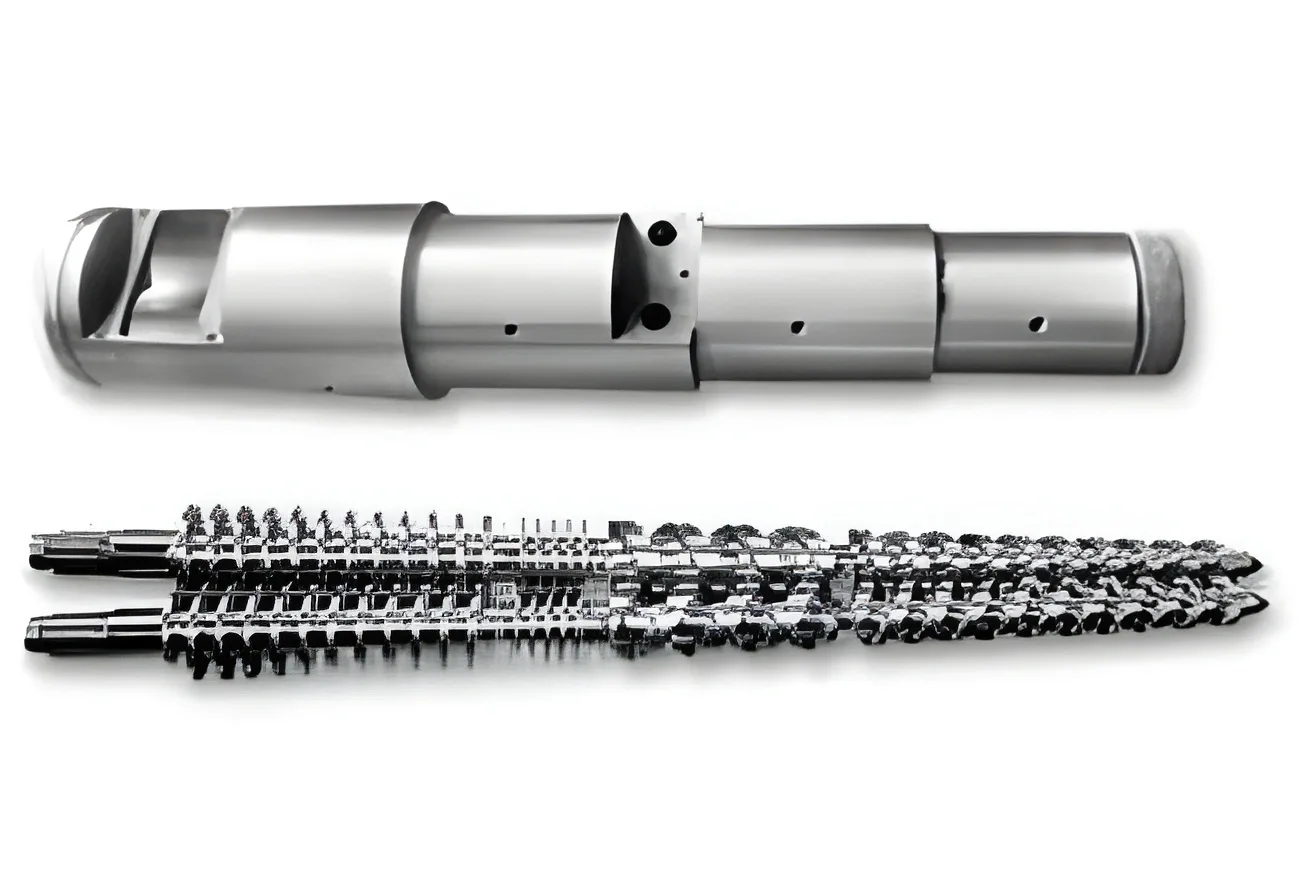
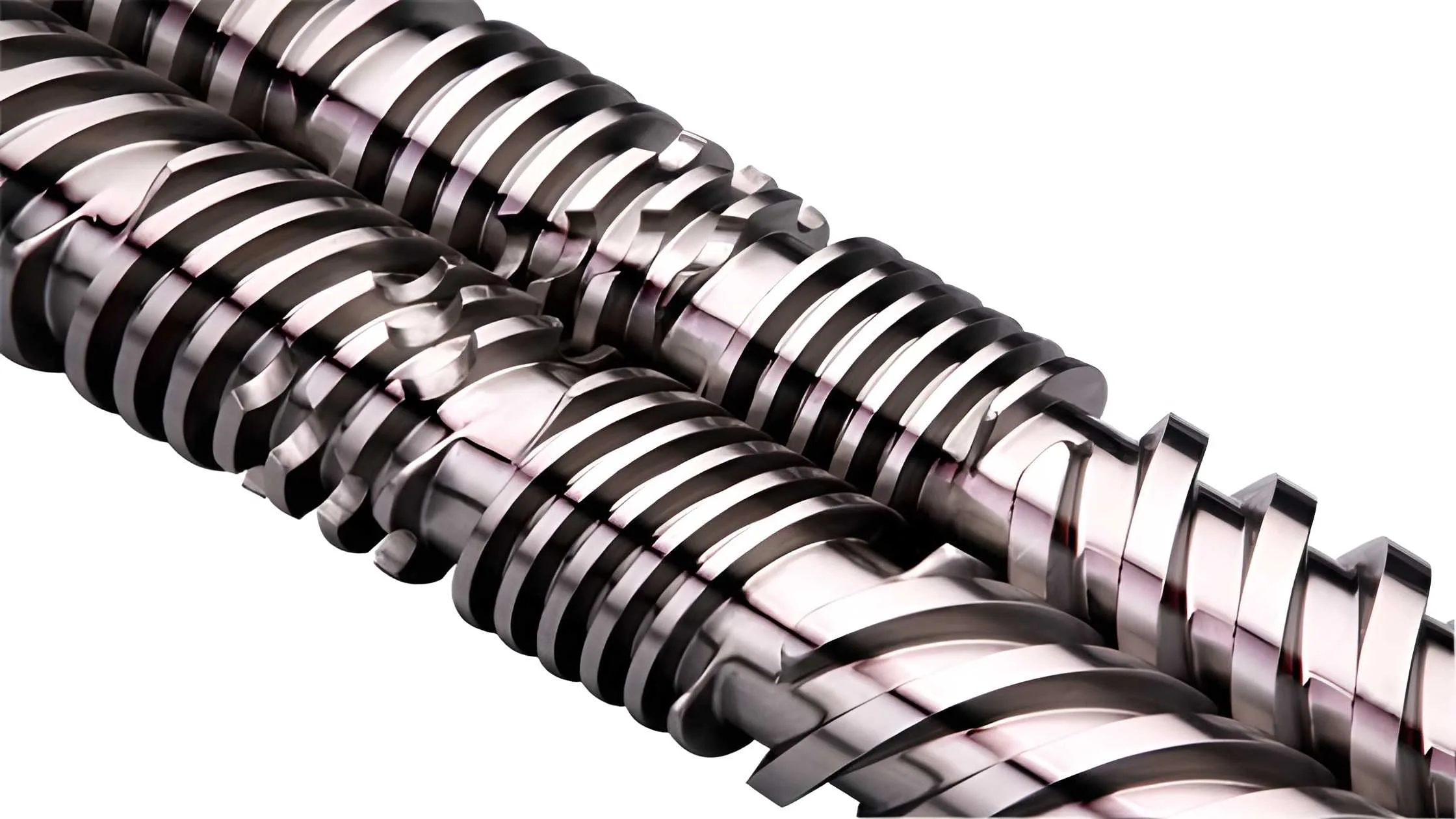
- Modular Segmented Design: The barrel is split into interchangeable segments (feed, compression, metering zones) and lined with replaceable inserts. Screw shafts are built from bolt-together elements (conveying flights, kneading blocks, cutters). This modularity allows fast repairs and format changes without replacing the entire barrel.
- Extreme Durability: Made of hardened 38CrMoAlA alloy steel (sourced from Baosteel) with precision heat treatment. Surfaces receive gas nitriding or bimetallic layers (case depth ~0.5–0.8 mm, hardness ~HRC56–60). These treatments (nitriding, chrome plating or tungsten-carbide surfacing) yield an outer hardness up to HRC60–65, giving outstanding abrasion and corrosion resistance.
- Stable Pressure & Quality: Tight screw-to-barrel clearances (e.g. screw straightness ~0.015 mm, surface finish ~Ra0.4) ensure consistent pressure and minimal leakage. This results in steady extrusion and uniform product dimensions, improving final product quality and reducing waste.
- Material Flexibility: Robust construction allows processing a wide range of thermoplastics and compounds. Common materials include PVC, polyethylene (PE), polypropylene (PP), polystyrene (PS), ABS and wood-plastic composites. The barrel handles filled and reinforced materials (high-calcium, WPC) without compromise.
- OEM Compatibility: Designed for extruders like KraussMaffei, Bausano MD series, JSW, etc. The 125/30 model matches the specifications of KraussMaffei’s KMD 36D series or Bausano MD-125/30 extruders. Custom machining ensures fit to your machine’s mounting, sleeve geometry, and heating requirements.
Materials & Surface Treatment
The barrel and screws use premium alloy steels with advanced hardening:
- Base Material: High-strength 38CrMoAlA (JIS SACM645) alloy steel, known for toughness and fatigue resistance.
- Heat Treatment: Vacuum or induction hardening and tempering to roughly HB280-320, followed by gas nitriding for wear surfaces.
- Surface Coatings: Gas nitriding provides a hard case (hardness ~HV920–1000, 0.5–0.8mm depth). Alternatively, a bimetallic liner (2–3 mm thick alloy layer) can be applied for maximum abrasion resistance (hardness HRC56–64). Tungsten-carbide or chrome plating are less common but also available.
- Precision Machining: Screw bores and grooves are machined to tight tolerances (straightness ~0.015 mm, surface Ra≤0.4μm) to ensure efficient melting and minimal leakage.
- Segment Finish: Barrel halves are machined and matched in sets, then heat-treated. O-rings or gaskets seal segments. Ends are prepared for quick-disconnect heating bands or water-cooling jackets as required by the extruder design.
Compatibility & OEM Fit
This 125/30 barrel is built to match industry-leading twin-screw extruders. Notably, it fits KraussMaffei 125-30 (KMD 36D series) and Bausano MD 125/30 PLUS machines, which use 125 mm screws with L/D ≈30. It can also be supplied for other brands (JSW, Battenfeld, etc.) with identical size.
Key OEM considerations:
- Mounting & Orientation: Flange pattern, inlet feed throat, and clamp shells are manufactured to the extruder’s specifications.
- Heating/Cooling Zones: Configured for your machine’s control system (barrel heaters, water/air cooling circuits).
- Screw Configuration: We supply standard screw geometry or custom screw elements (mix of conveying flights, kneaders, cutters) per customer’s processing needs.
- Custom Upgrades: Anti-segregation elements or special disassembly screws are available for high-filler materials.
Experienced technical staff can adapt designs to fit your equipment. On-site measurements and engineering support ensure the barrel integrates seamlessly with your extrusion line.
Installation & Maintenance Notes
- Preparation: Inspect barrel halves and screws before assembly. Clean all parts and check alignment dowels/guides.
- Assembly: Install barrel halves in a split clamshell frame. Tighten segment bolts evenly to spec. Ensure seals or O-rings are properly seated.
- Alignment: Verify screw shafts and barrel alignment (use straightness gauges or dial indicators). Correct any misalignments to prevent wear.
- Utility Connections: Attach thermocouples, cartridge heaters, and cooling pipes. Test heating zones individually. Ensure cooling lines flow freely when hydraulically tested.
- Run-In Procedure: Start the extruder empty (no resin) at low speed to warm up slowly, checking for any abnormal sounds or vibrations.
- Routine Maintenance: After initial run-in, follow standard lubrication and inspection schedules. Due to modular design, replace worn segments or screw elements as needed rather than whole screws. Keep detailed records of wear limits and regrinding intervals.
- Safety: Always lock out power and allow barrel to cool before opening. Follow all OEM safety guidelines for high-temperature and high-pressure equipment.
Quality Control & Testing
Each 125/30 twin barrel is manufactured under strict quality controls:
- Material Certification: All steels come with mill test reports (e.g. Baosteel certificate for 38CrMoAlA).
- Dimensional Inspection: Using CMM and custom gauges, we verify screw diameter, pitch, straightness (target ±0.015 mm), and barrel bore integrity.
- Surface Checks: Hardness testing (Rockwell scale) confirms nitriding or alloy hardness (typically HRC56–60 for nitrided case). Metallurgical cross-sections are inspected to verify case depth and layer bonding.
- Runout & Balance: Screw-runout and dynamic balance tests ensure stable rotation at high speed, avoiding vibration under production loads.
- Leakage Test: Each barrel assembly is pressure-tested with a sealing compound to detect any path from screw grooves to the outer barrel.
- Final Inspection: Visual and functional checks ensure no sharp edges, proper labeling, and complete documentation. We typically provide a compliance report covering all specs.
Products
Typical Applications
- PVC Pipe & Profile Extrusion: Production of rigid PVC pipes, conduits, and profiles. The barrel’s long L/D and high torque support high-calcium and filled PVC compounds.
- Sheet and Board Production: Extrusion of flat sheets (SPC flooring, PVC wallboard, roofing sheets) using PP, PE, or PVC. Uniform melting prevents streaks and gel in finished board.
- Wood-Plastic Composites (WPC): Extruding PP/PE with wood or calcium fillers for decking, trim, and composite panels. Robust design handles abrasives in wood fiber or CaCO₃.
- ABS/Engineering Plastic Processing: Making ABS profiles or durable plastic sheets. High shear mixing benefits filled and reprocessed materials.
- General Compounding Lines: Twin-screw compounding for PVC pellets, HDPE regrind, or specialty blends, where precise residence time and homogenization are needed.
Applications
Gallery
Main Features
Technical Specifications
| Specification | Details |
| Screw Diameter | 125 mm (co-rotating twin screws) |
| L/D Ratio | 30:1 (length-to-diameter) |
| Barrel Type | Parallel Twin-Screw (co-rotating), split/clamshell design |
| Construction | Segmented barrel with multiple sections (steel welded or bolted) |
| Base Material | 38CrMoAlA alloy steel (Baosteel) |
| Surface Treatment | Nitrided case (~0.5–0.8 mm at HV920–1000) or bimetallic liner (~2–3 mm) |
| Heating/Cooling | Independent electrical heater zones; water cooling channels (feed/metering) |
| Segment Length | ~300–400 mm per segment (total barrel length ≈3,750 mm) |
| Dimensional Tolerances | Screw straightness ≤0.015 mm; barrel bore finish Ra ≤0.4 μm; diameter ±0.02 mm |
| Weight | Unspecified (depends on configuration) |
| Processing Materials | PVC, PE, PP, ABS, PS, WPC, wood-plastic composites, filled compounds |
Related products
-
 Machines and Spare Parts
2.2kw Vacuum Pumps for Plastic Extrusion Line
-
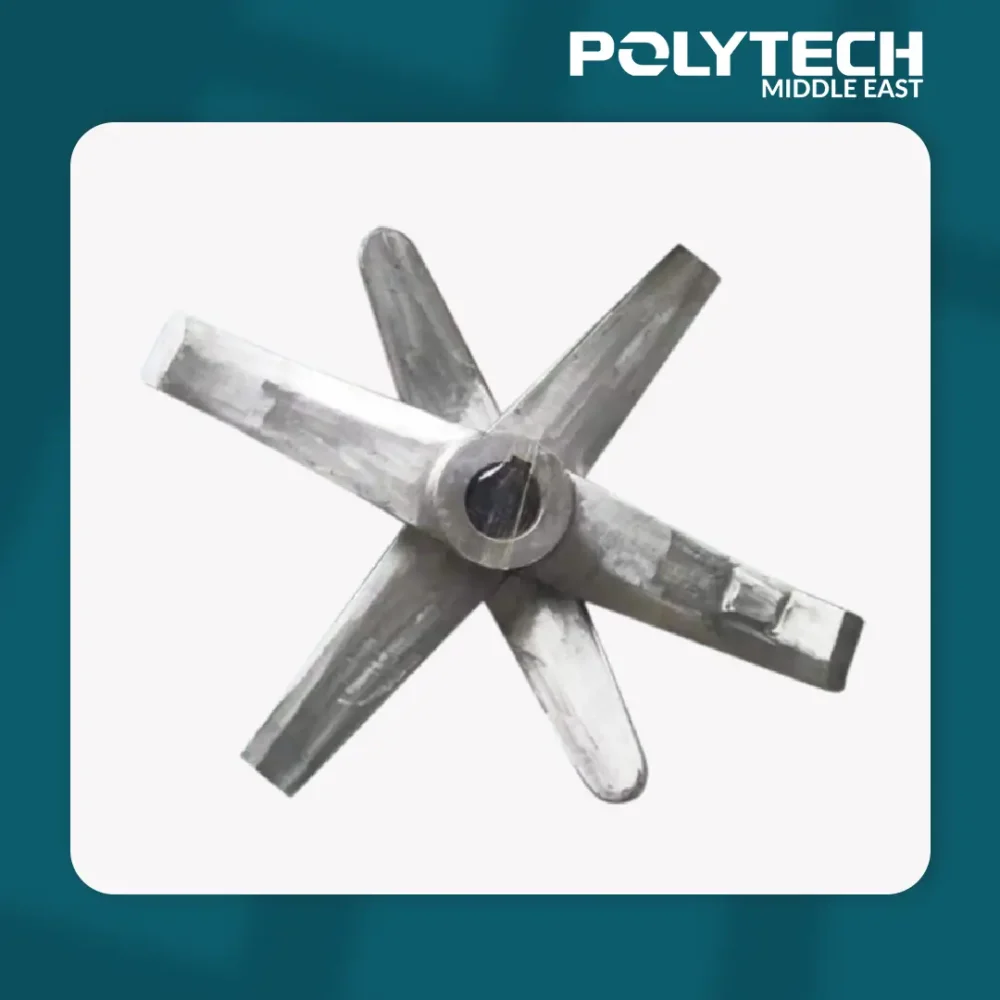 Machines and Spare Parts
PVC Mixer Blades
-
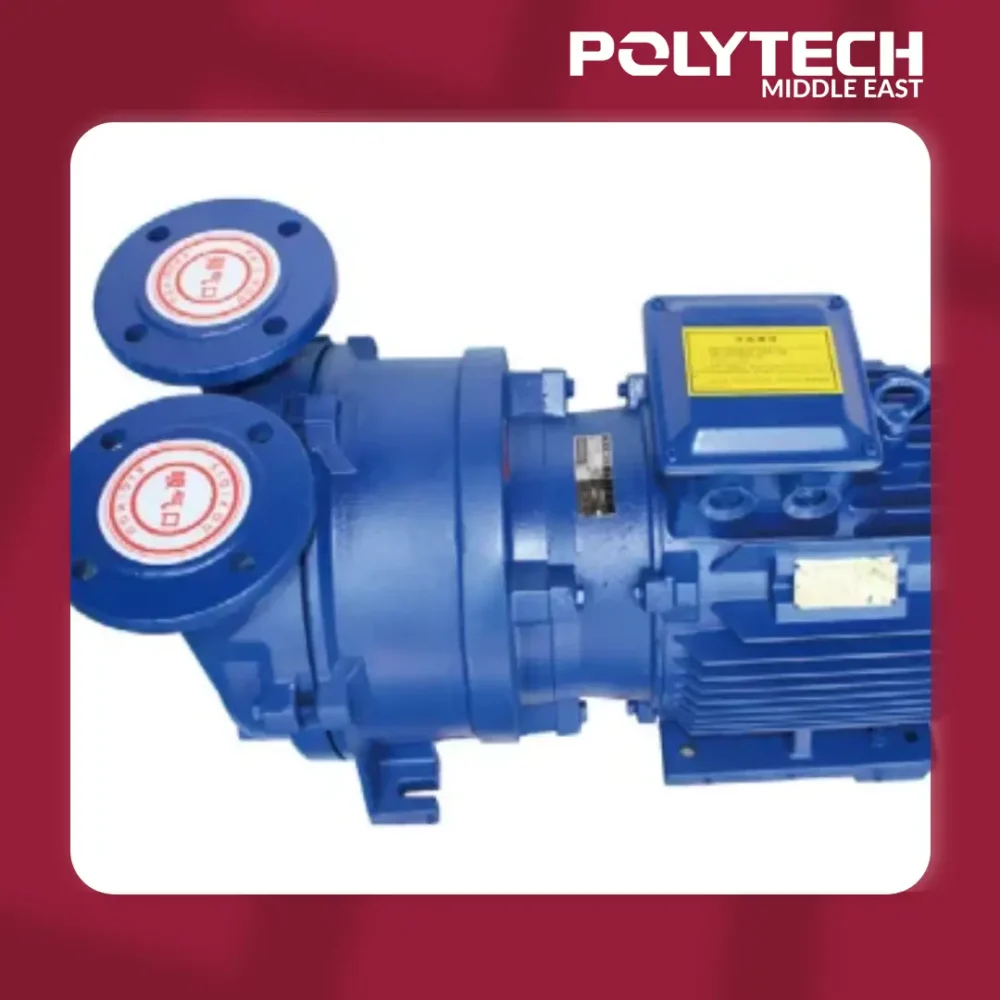 Machines and Spare Parts
5.5 kW Vacuum Pump
-
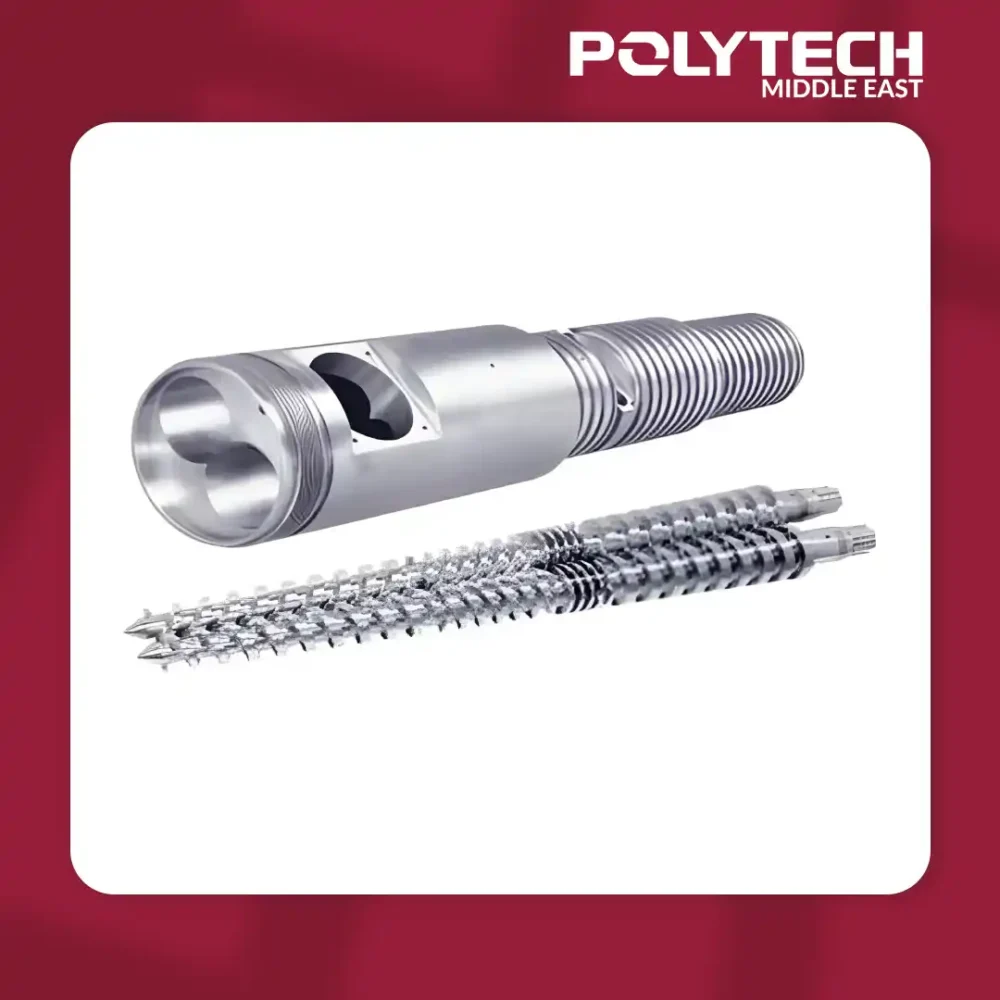 Machines and Spare Parts
110/220 Conical Twin-Screw Barrel