

Introduction
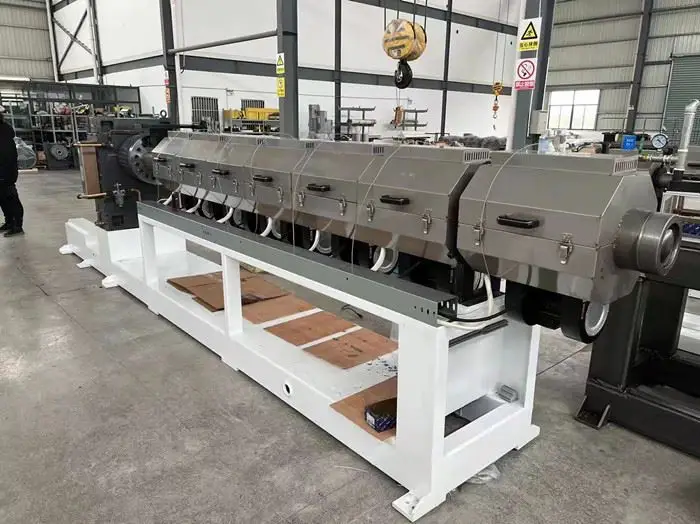
Plastic machinery and parts are the foundation of modern plastic manufacturing. From extrusion and recycling systems to compounding and profile production equipment, every production line depends on reliable machinery and high-quality components to achieve consistent performance and product quality.
As the plastics industry continues to evolve, manufacturers require advanced equipment that delivers higher productivity, improved efficiency, and long-term operational reliability. Modern plastic machinery is designed to support continuous production while minimizing downtime and maintenance costs, making it an essential investment for plastic processing facilities.
The Importance of Plastic Machinery in Manufacturing
Plastic machinery plays a critical role in transforming raw materials into finished products used across numerous industries. Advanced manufacturing equipment ensures precise processing, efficient material utilization, and consistent product quality.
Modern production facilities rely on plastic machinery for:
- Material processing and compounding.
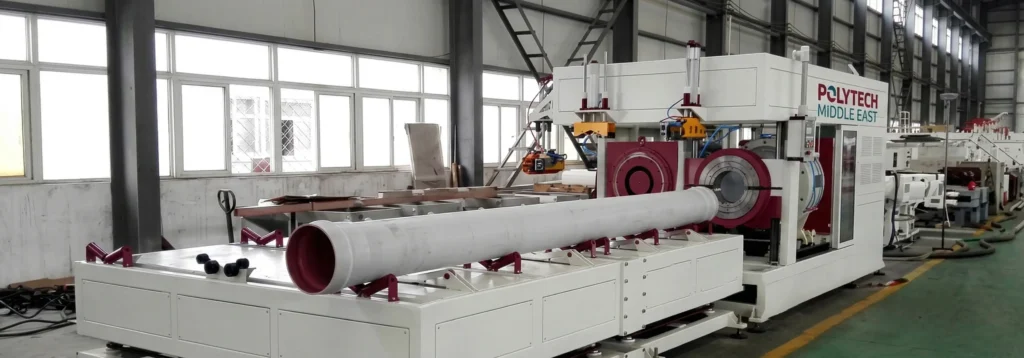
- Pipe and profile extrusion.
- Sheet and panel production.
- Recycling and pelletizing operations.
- Product finishing and quality control.
By integrating advanced machinery into production lines, manufacturers can increase output, reduce waste, and improve operational efficiency.
Essential Plastic Machinery Parts
The performance of any production line depends not only on the machine itself but also on the quality of its individual components. High-performance spare parts ensure stable operation and help extend equipment lifespan.
Common plastic machinery parts include:
Screw and Barrel Systems
Responsible for melting, mixing, and conveying raw materials through the production process.
Gearboxes
Provide efficient power transmission and ensure stable machine operation.
Heating and Cooling Components
Maintain precise processing temperatures for consistent product quality.
Dies and Molds
Shape molten material into the desired product dimensions and profiles.
Motors and Drive Systems
Control machine speed, torque, and overall production performance.
Control Systems
Allow operators to monitor and optimize production parameters through automated interfaces.
Applications of Plastic Machinery
Plastic machinery and spare parts are used across a wide range of industrial sectors.
Pipe Manufacturing
Production of PVC, HDPE, PPR, and other plastic pipes.
Profile Production
Manufacturing of window profiles, decorative profiles, cable trunking, and skirting boards.
Sheet and Panel Production
Processing of PVC, PP, PE, and SPC sheets and panels.
Recycling Industry
Conversion of plastic waste into reusable materials and pellets.
Packaging Industry
Production of films, sheets, containers, and packaging materials.
Construction Industry
Manufacturing of building materials, wall panels, and structural components.
Choosing the Right Plastic Machinery and Parts
Selecting the appropriate machinery and components is essential for achieving optimal production results. Several factors should be considered during the selection process.
Production Requirements
Evaluate capacity, product specifications, and future expansion plans.
Material Compatibility
Ensure machinery and components are suitable for the materials being processed.
Durability and Quality
Choose parts manufactured from high-quality materials with proven performance.
Technical Support
Reliable maintenance and technical assistance contribute to long-term operational success.
Cost Effectiveness
Consider the balance between initial investment, operating costs, and expected service life.
Performance and Production Efficiency
High-quality plastic machinery and parts significantly improve manufacturing performance. Modern equipment is designed to maximize productivity while maintaining excellent processing accuracy.
Key performance advantages include:
- Continuous production capability.
- Stable material processing.
- High output rates.
- Improved energy efficiency.
- Reduced production downtime.
- Consistent product quality.
- Precise process control.
- Enhanced operational reliability.
These benefits help manufacturers achieve greater profitability and long-term production stability.
How Quality Parts Improve Machine Reliability
Using premium machinery components is essential for maintaining production efficiency and reducing unexpected failures. High-quality parts are manufactured to precise tolerances and designed to withstand demanding operating conditions.
Benefits of quality machine parts include:
- Longer service life.
- Improved wear resistance.
- Reduced maintenance requirements.
- Enhanced production stability.
- Lower operating costs.
- Increased equipment efficiency.
Regular replacement of worn components helps prevent major equipment failures and supports uninterrupted production.
Conclusion
Plastic machinery and parts are essential elements of successful plastic manufacturing operations. High-quality equipment and reliable components improve productivity, enhance product quality, and reduce operational costs. Whether used in extrusion, recycling, compounding, or sheet production, modern plastic machinery provides the performance and durability needed to meet the demands of today’s competitive manufacturing environment. Investing in the right machinery and spare parts ensures long-term efficiency, stable production, and sustainable business growth.