


PVC Edge Banding Sheet Extrusion Line
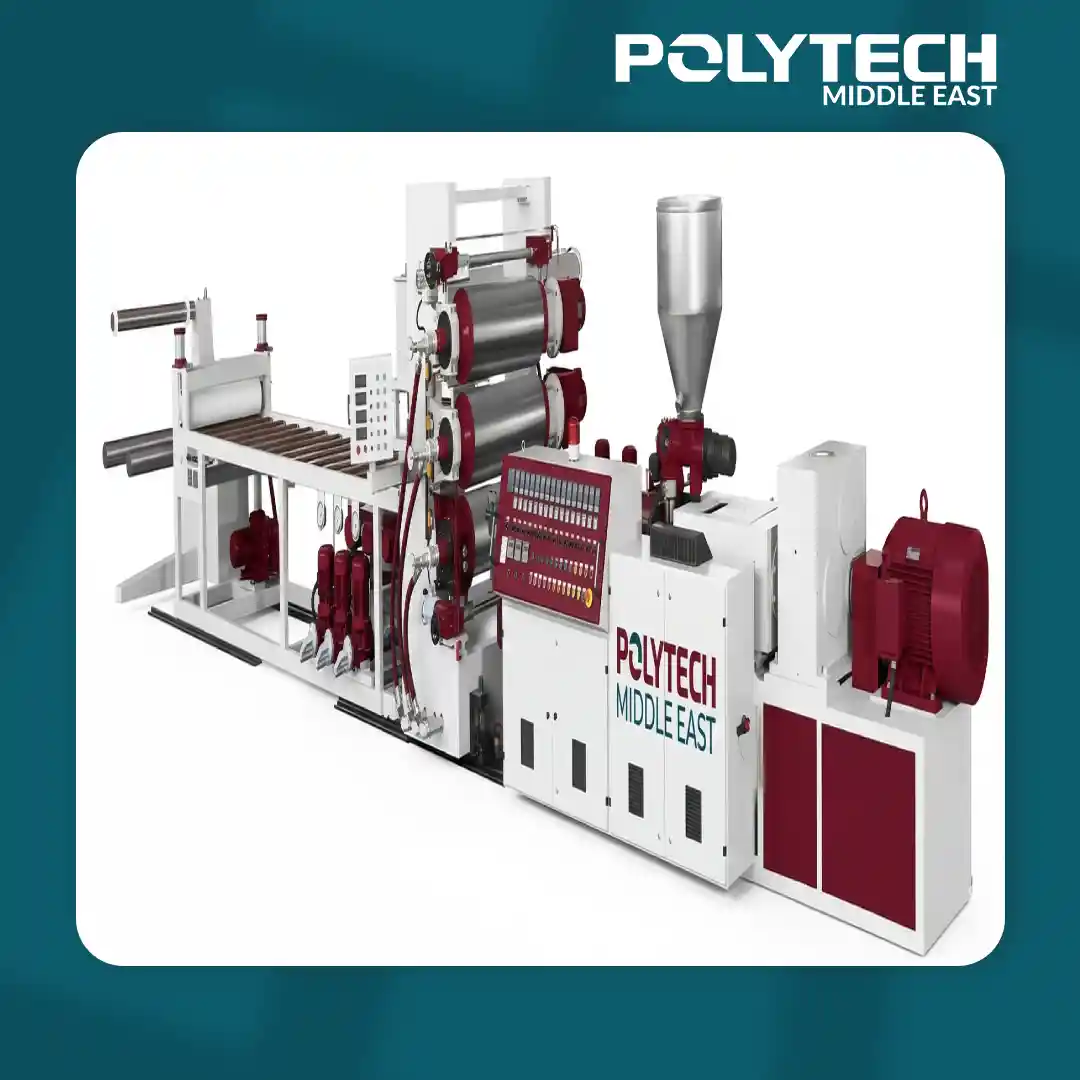
PVC Edge Banding Sheet Extrusion Line
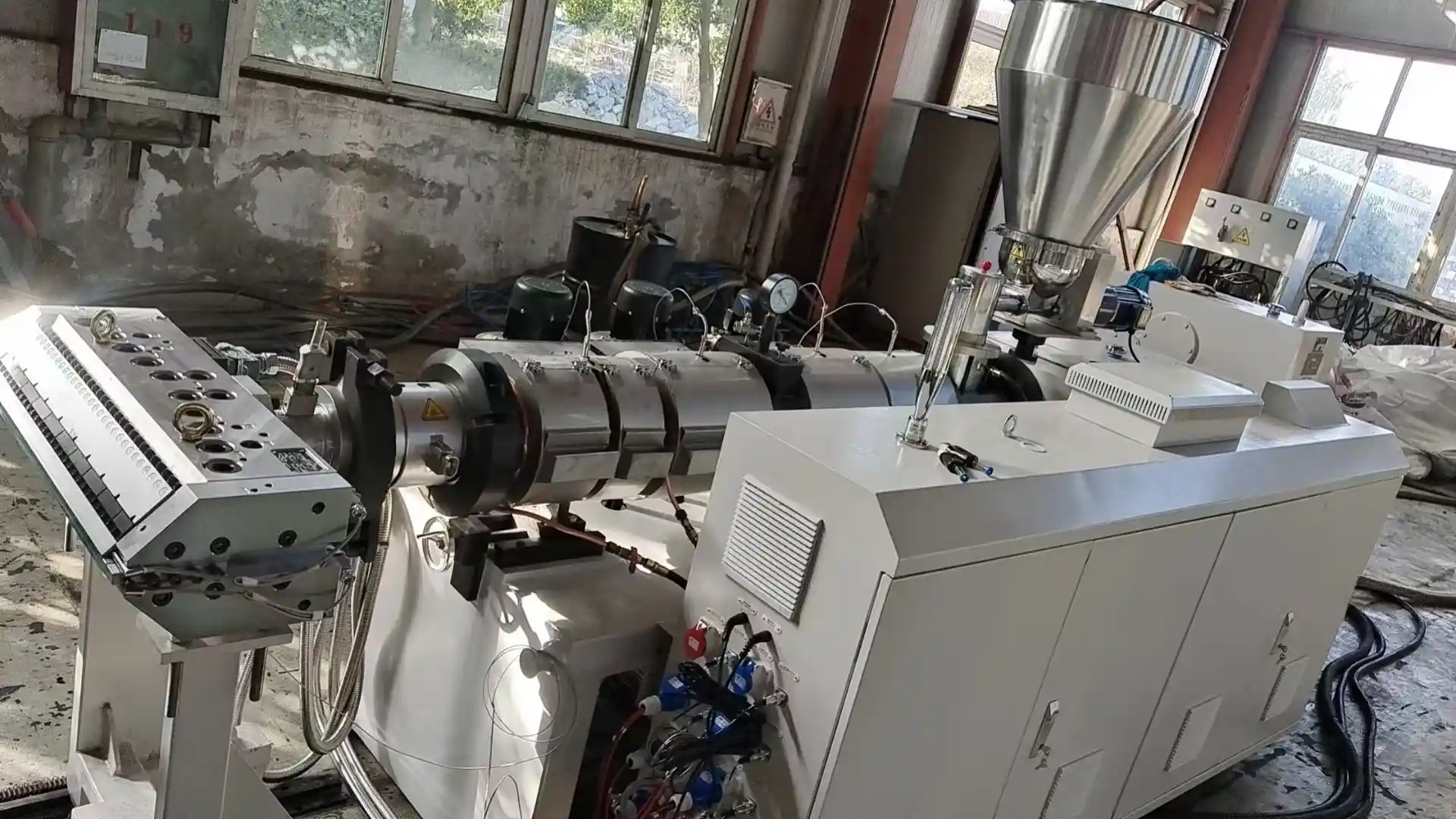
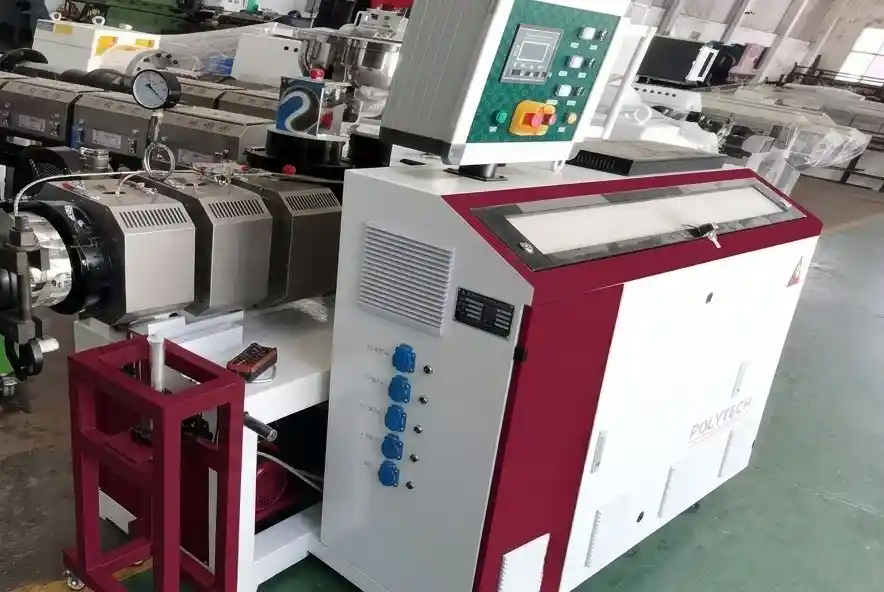
High-speed PVC edge banding extrusion line (sheet/slitting process) to produce decorative edge tapes for furniture. Continuous production of colored or wood-grain PVC edge strips.
Category -> Full Extrusion Lines
Description
Introduction
PVC edge banding is a plastic strip used to cover and finish the raw edges of furniture panels. An extrusion line makes these bands continuously from a PVC compound. In this process, PVC resin (often dry-blend with colorants or wood patterns) is heated and mixed, extruded into a sheet or broad band, then cooled, printed/coated, and slit into narrow edge tape. The result is a high-quality, uniform edge band used for decorative and protective purposes on cabinets, desks, and other furniture. Modern lines automate all steps to achieve consistent color, thickness and high output.
Problem / Challenge
Furniture and cabinet makers require consistent, large volumes of edge banding in exact dimensions and designs. Manually applying pre-fabricated tapes is labor-intensive and can lead to variability. Key challenges include ensuring uniform thickness, perfect color matching, and tight tolerances over long production runs. Poorly matched or uneven edging detracts from quality and can allow damage or moisture ingress at the panel edge. The goal is to produce seamless, high-quality edge banding with minimal waste and labor, so the extrusion line must reliably meet specified width (e.g. 19–54 mm) and thickness (e.g. 0.4–3 mm) requirements.
Solution
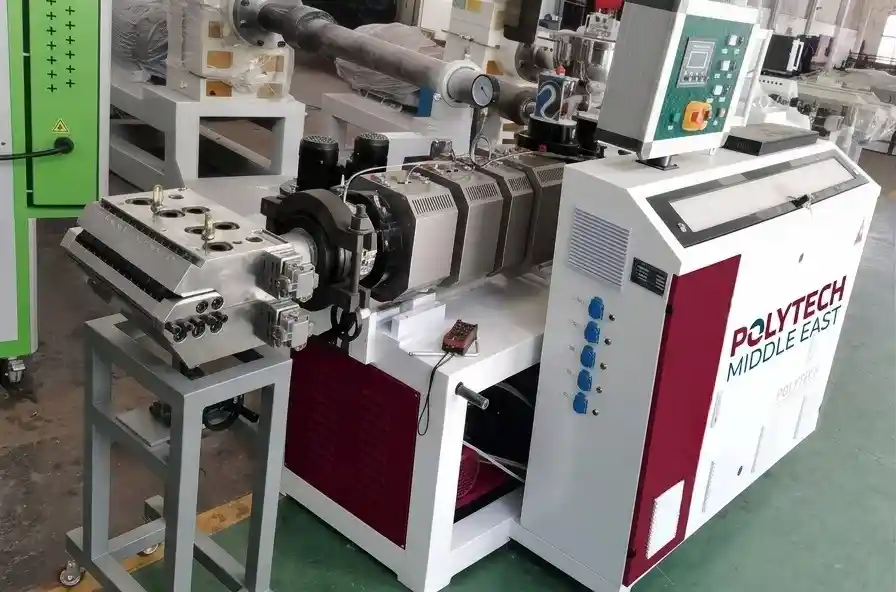
A PVC edge banding sheet extrusion line addresses these needs by fully automating production. First, PVC compound is mixed and fed into a twin-screw extruder (or single-screw) that plasticizes and homogenizes the material. The melt is forced through a flat sheet die or three-roll calendar, producing a continuous PVC sheet. The sheet passes through a cooling/calibration section (water baths or chill rolls) which fixes its dimensions. A primer applicator and multi-color printing unit can decorate the sheet with solid colors or wood-grain patterns. The wide sheet is then fed to a high-speed slitting machine, which precisely cuts it into narrow edge strips. The final tapes are wound onto reels. The entire process is PLC-controlled for speed, temperature, and tension, ensuring uniform output and easy adjustment of thickness and width on the fly.
Features & Specifications
- Extruder: Conical twin-screw extruder (e.g. 45/90, 51/105, 80/156 models) with L/D ~30:1. Melts PVC blend at controlled zones. Motor power typically 22–55 kW. High torque gearbox allows processing of powdered or pellet PVC.
- Die/Calendar: Flat T-die or heated three-roll calendar heads. These form the molten PVC into a flat sheet with thickness set by the die gap or roll clearance. Precision-machined molds ensure consistent edge profile. Calibrating rolls or vacuum tables then stabilize the sheet.
- Cooling System: Series of water-cooled tanks or chill rolls cool the sheet quickly after extrusion. Controlled cooling prevents warping and achieves final mechanical properties.
- Printing & Coating: Inline gravure/flexo printing or coating heads apply surface patterns or primer to the sheet. Can handle multi-color designs for wood grain, textures or solid colors. Optional primer coater prepares the back side for better adhesion to furniture adhesives.
- Cutting/Slitting: High-speed slitting or guillotine cutters trim the sheet into final edge band widths. The line can output strips from ~19 mm to 54 mm (as required). Cutting speed is synchronized with extruder output for continuous operation.
- Winding: Tension-controlled winders gather the continuous edge band into coils or spools, maintaining consistent tension to avoid stretching. Finished rolls are ready for shipment.
- Control & Automation: PLC system with HMI manages all drives and heaters. Sensors track thickness and length, enabling thickness accuracy around ±0.05–0.1 mm. Frequency inverters save energy, and recipe control allows quick changeover between products.
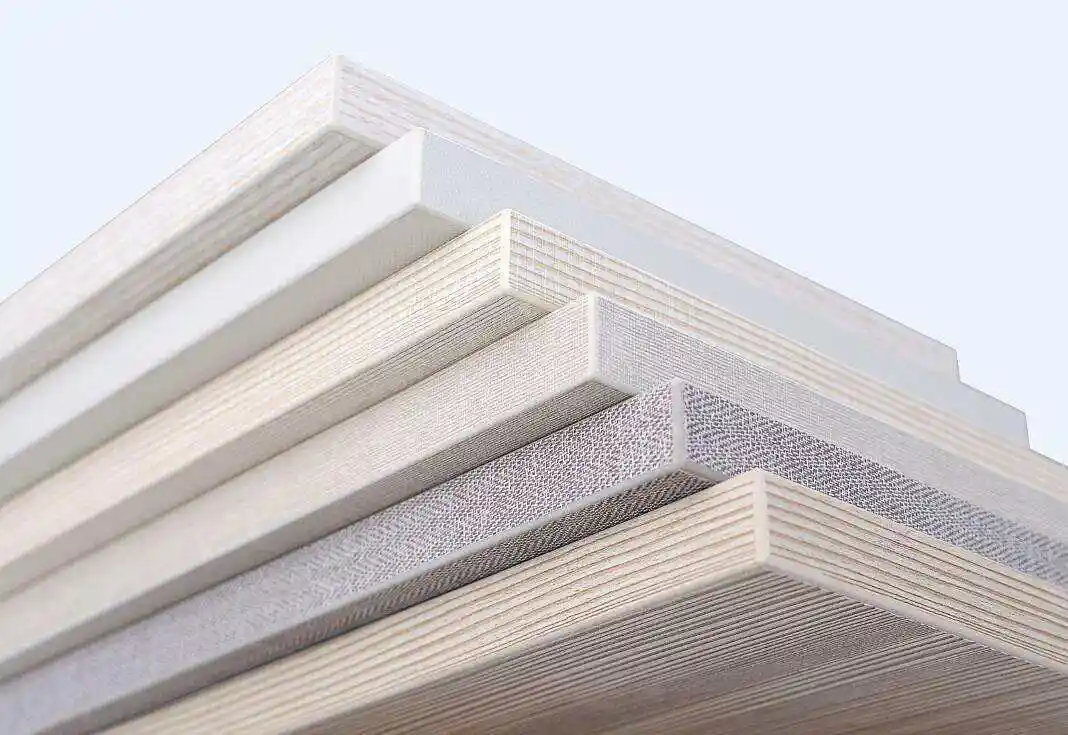
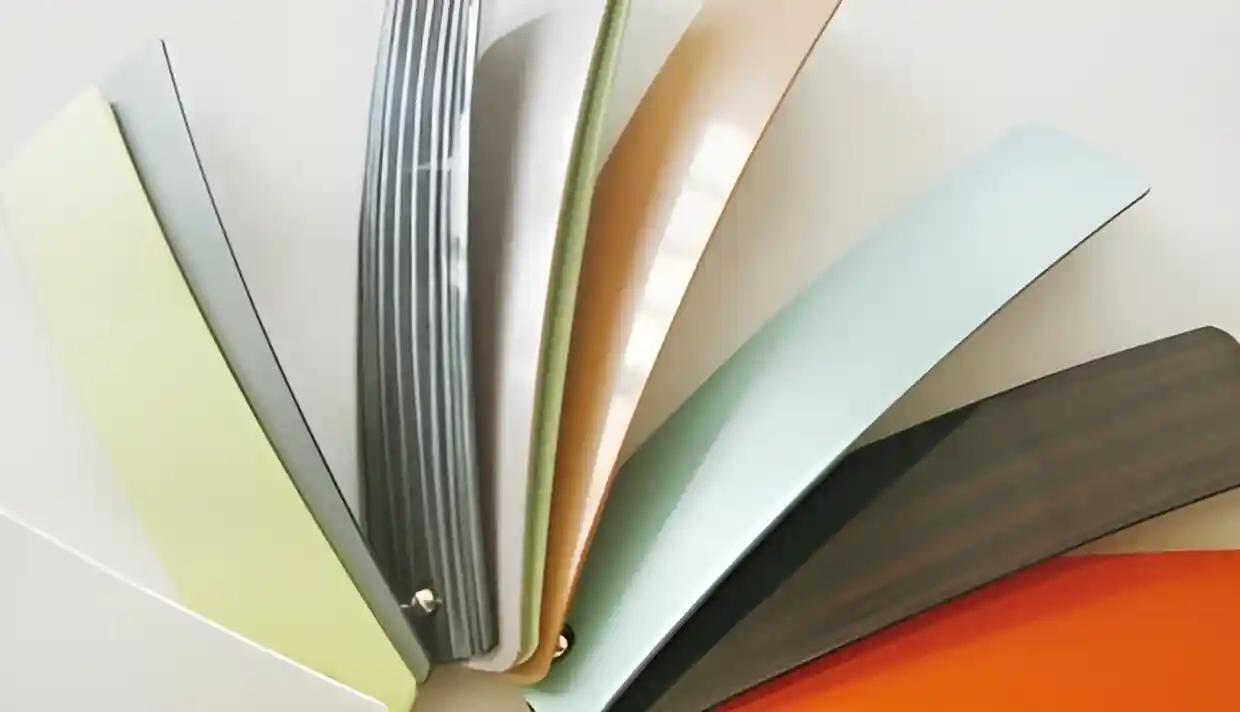
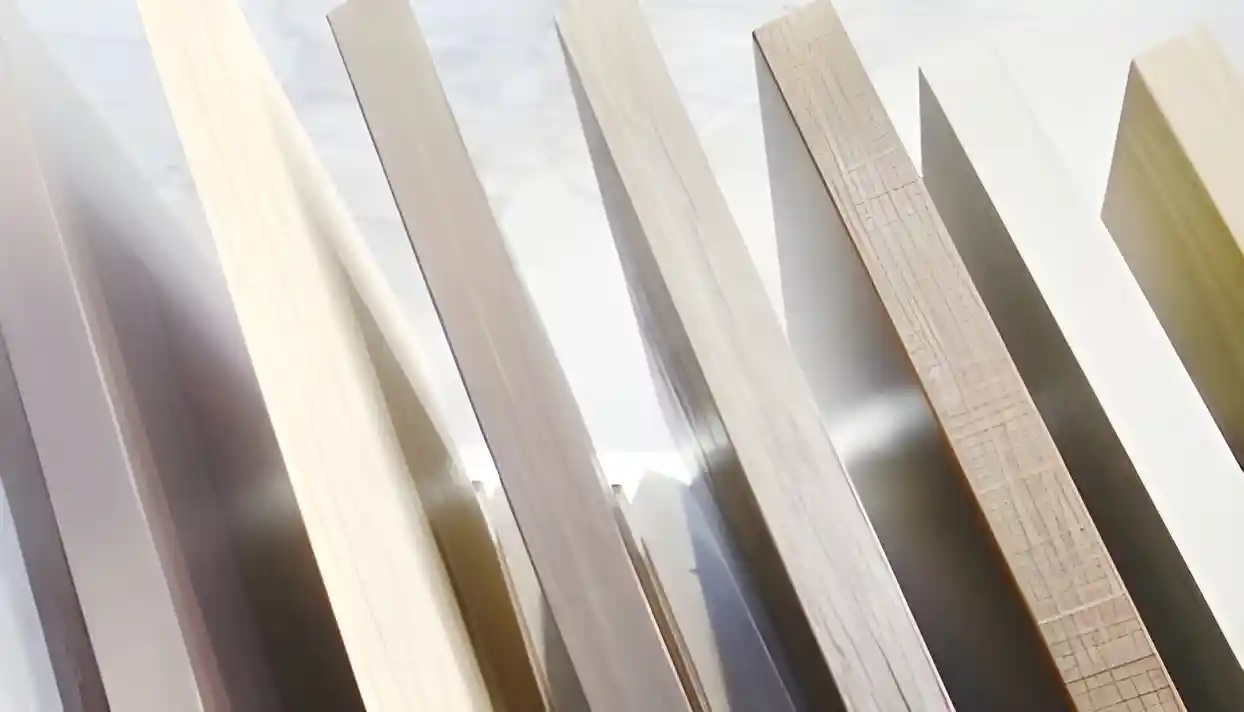
Products

Use Cases / Applications
PVC edge banding from this line is widely used in the furniture industry. Typical applications include:
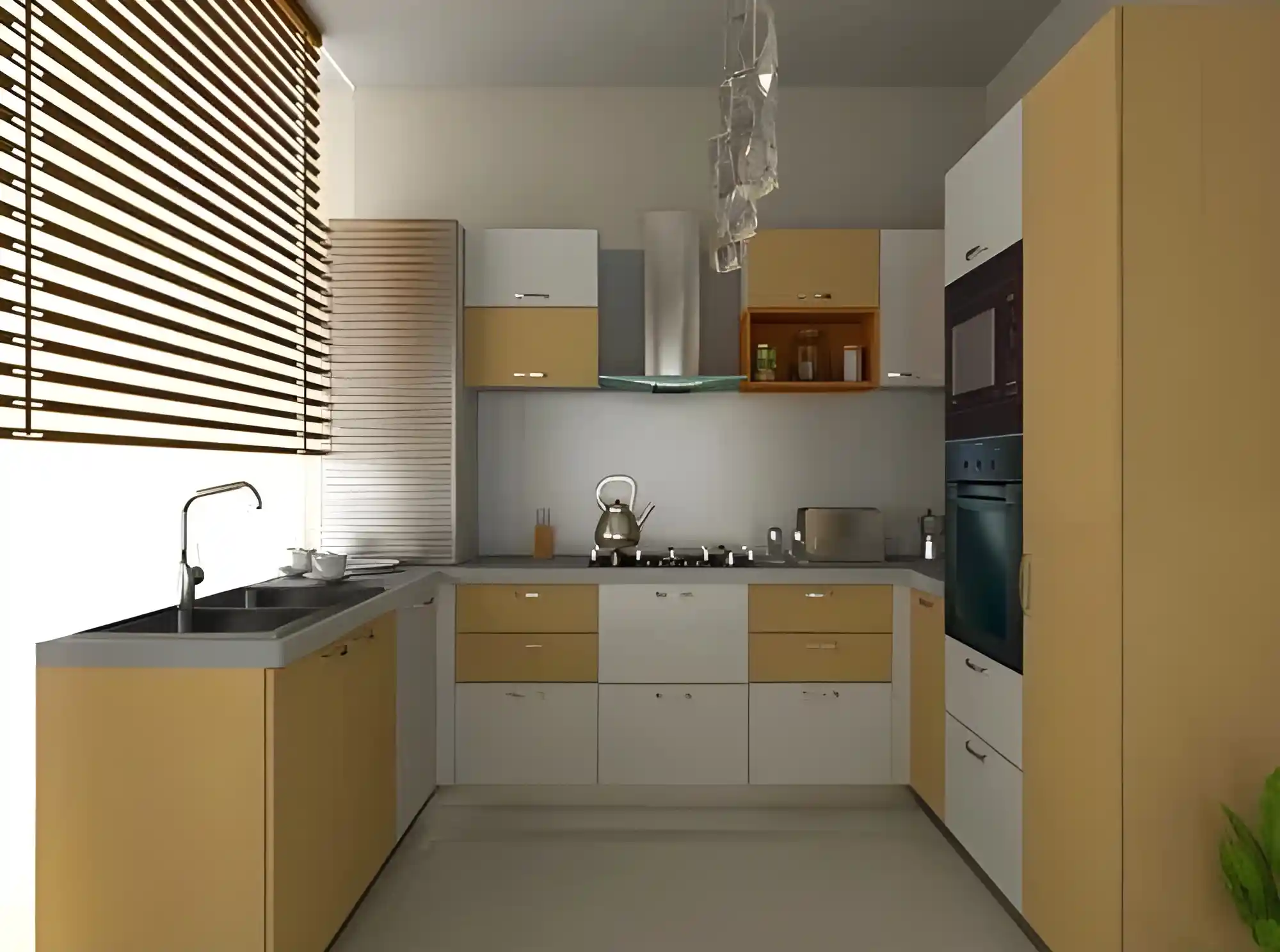
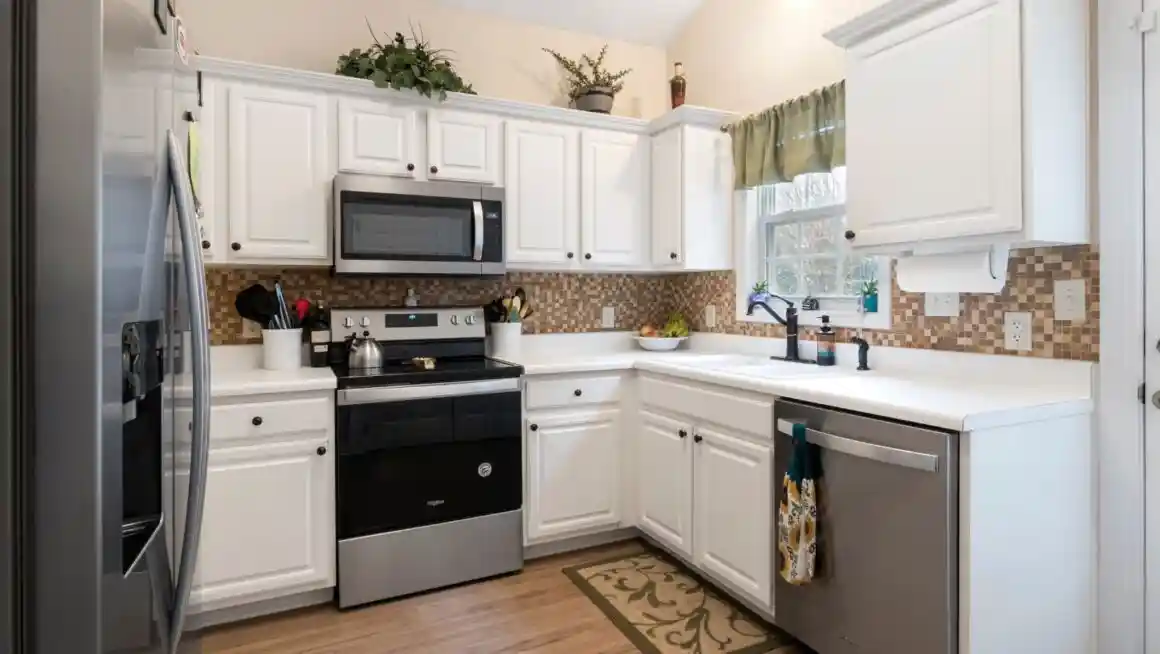
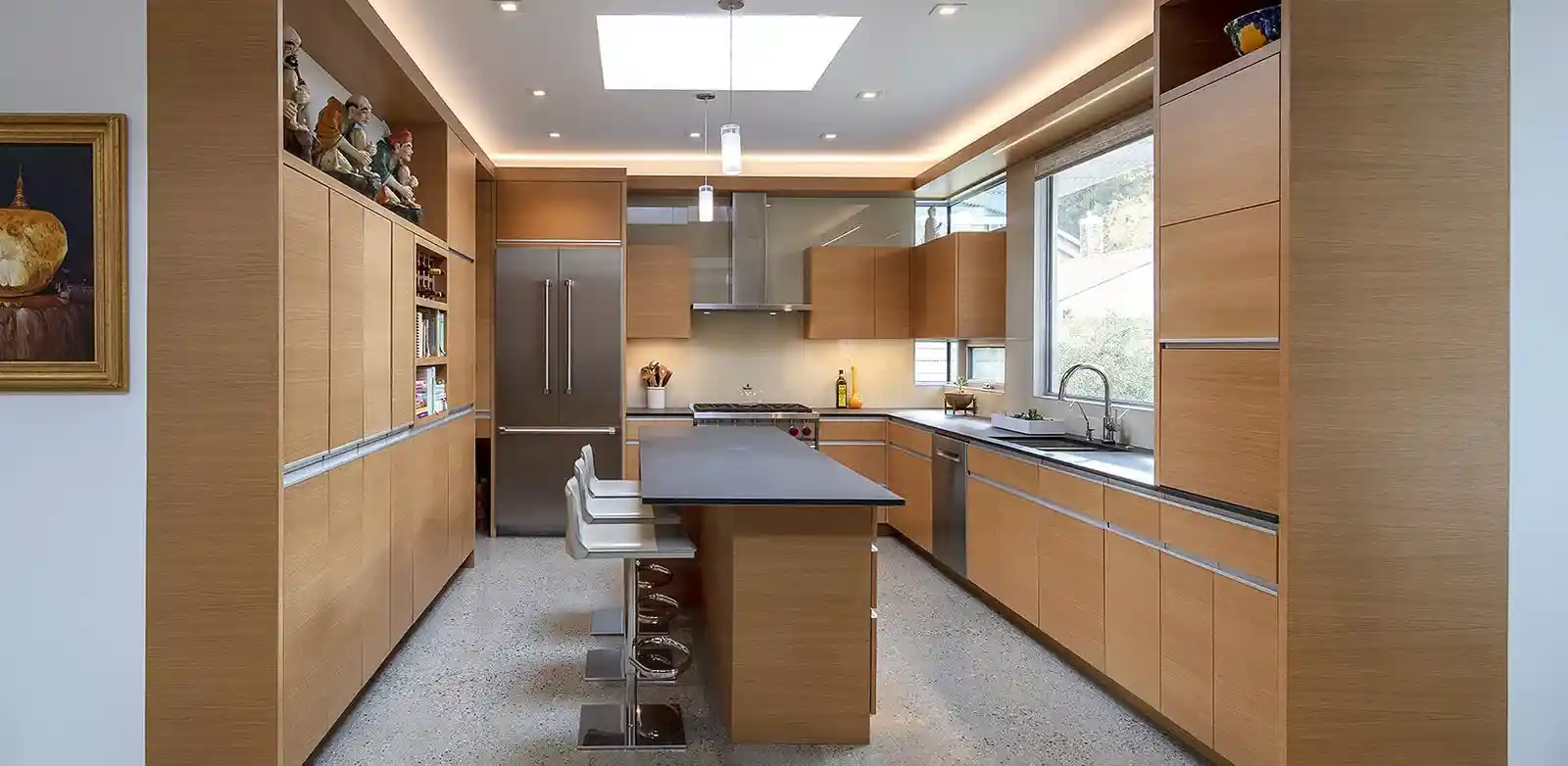
- Panel Edging: Protecting and finishing the cut edges of particleboard, MDF, plywood, etc. Adds durability and seals against moisture.
- Cabinetry and Shelving: Decorative and protective edging on kitchen cabinets, wardrobes, bookcases, and office furniture.
- Store Fixtures: Fast production of edged panels for retail displays, counters, and exhibition furniture.
- Doors and Panels: Edging on panel doors or drawer fronts where aesthetic trim and edge sealing are needed.
- Custom Trim: Any wood or plastic panel requiring an edge finish (e.g. lab benches, lockers, DIY projects).
Competitive Advantages
- High Throughput & Consistency: Automated extrusion and slitting produce uniform strips much faster than manual methods. Large-volume lines (over 2–8 tonnes/day) can meet huge project demands without sacrificing quality.
- Custom Design Options: Inline printing allows wood-grain, matte/gloss finishes, or solid colors on demand. Height, width, and texture can be adjusted via tooling changes. This flexibility supports bespoke furniture designs.
- Material Performance: PVC edge bands are durable, chemically resistant, and easy to clean. The extrusion process ensures stable PVC properties and strong bonding of inks/coatings. Quality extrusion minimizes defects and waste.
- Streamlined Workflow: Integrating mixing, extrusion, calibration, printing, and cutting reduces handling. The PLC-run line minimizes operator intervention. Saves labor versus bonding pre-made tape to panels.
- Proven Technology: Edge banding extrusion is a mature technology in woodworking. Modern lines feature energy-efficient motors and strict QC (temperature and puller speed control) for reliable operation and minimal maintenance.
Applications

Gallery

Main Features
| Component / Parameter | Typical Range / Value | Notes |
| Raw Material | PVC (dry-blend compound) | Color/wood pattern additives; can use powder or pellets |
| Sheet Width | 200–1300 mm | Maximum ~1300 mm (for 3-roll calendar line) |
| Sheet Thickness | 0.4–3 mm | Typically 0.5–2 mm; set by die gap or calendar gap |
| Final Strip Width | 19–54 mm | Customer-specified width after slitting |
| Extruder Screw Models | SJZ65/132, SJZ80/156 etc. | Conical twin-screw, 2:1 or 2.5:1 compression ratio |
| Output / Throughput | 125–400 kg/h | Varies by model (e.g. 7000–8000 kg/day for SJZ80/156) |
| Motor Power | 22–55 kW | Extruder motor; others for feeders, mixers, etc. |
| Printing Colors | 1–4 colors | Inline gravure/flexo printing; optional UV coating |
| Control System | PLC + HMI | Automated control of speed, temperature, tension |
| Cooling Method | Water tanks / chill rolls | Ensures consistent PVC solidification |
| Final Packaging | Coils or Palletized stacks | Coiled rolls of tape or stacked cut lengths |
Related products
-
 Full Extrusion Lines
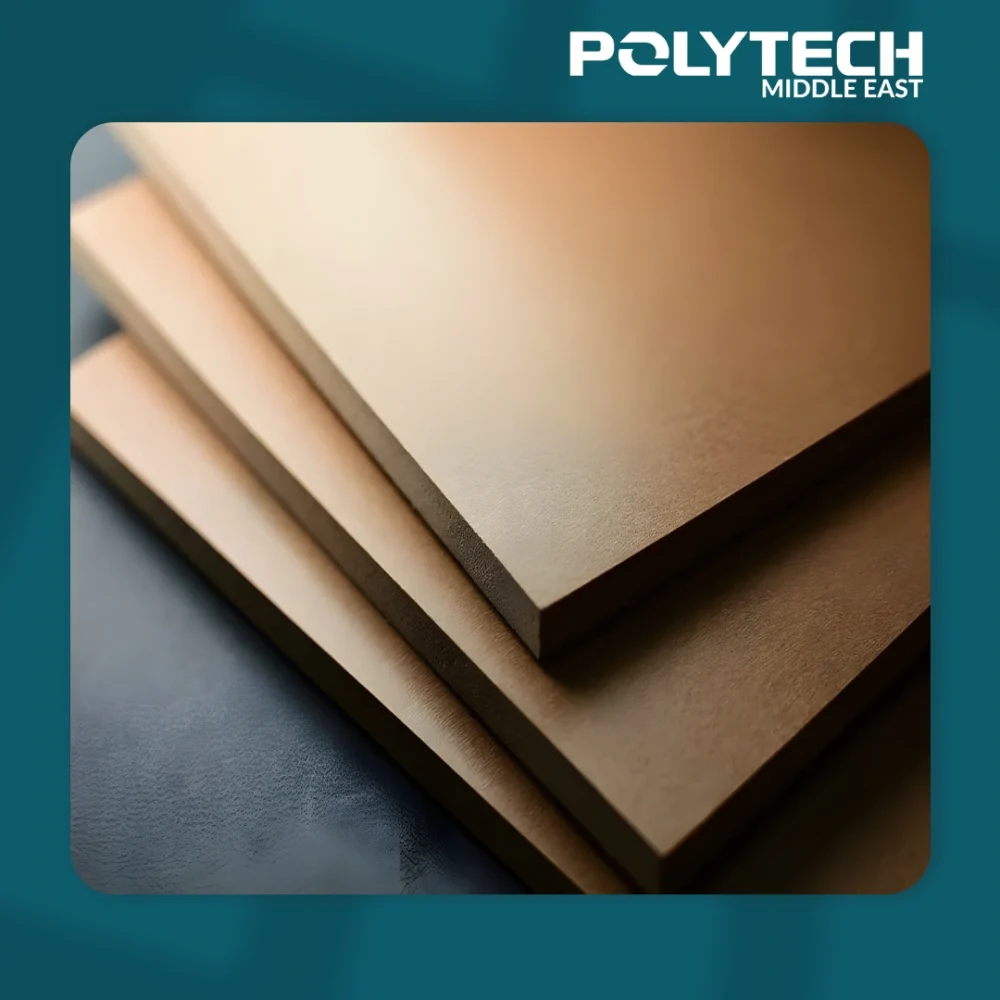
WPC Foam Board Extrusion Line
-
 Full Extrusion Lines
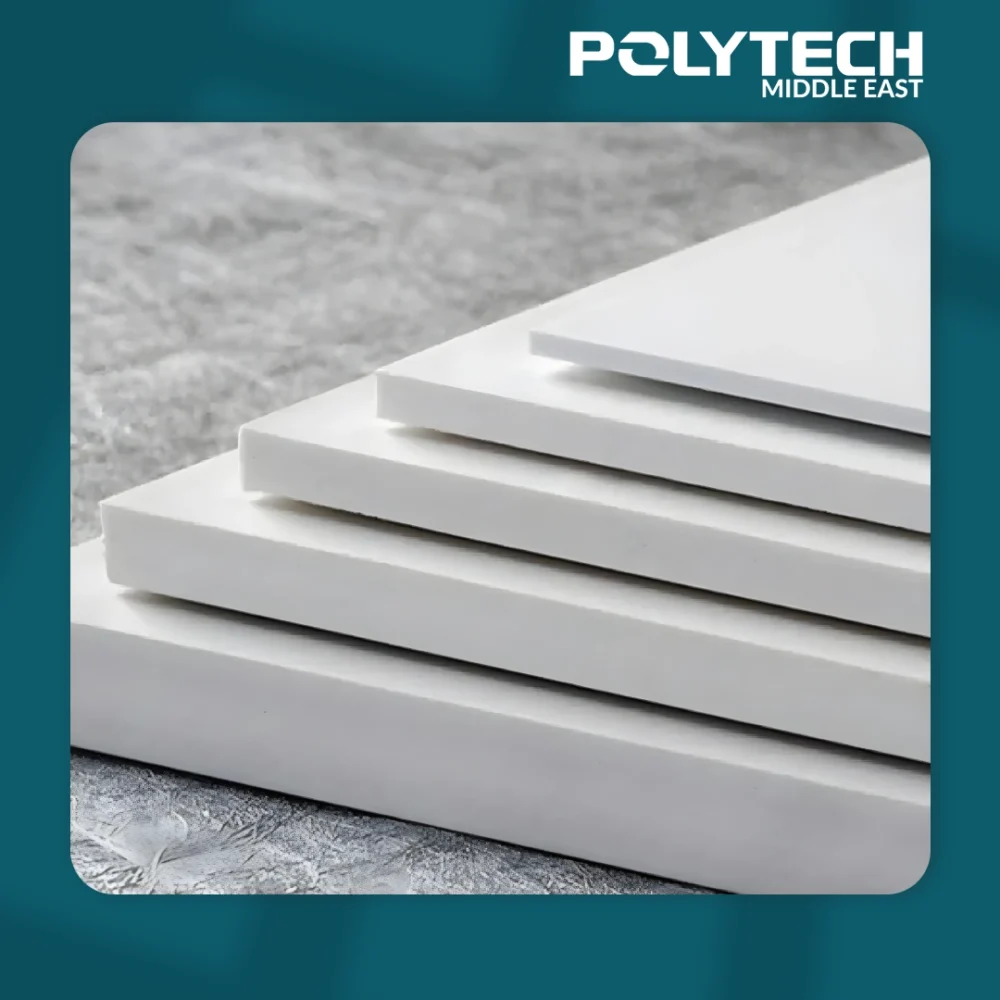
PVC Foam Board Extrusion Line
-
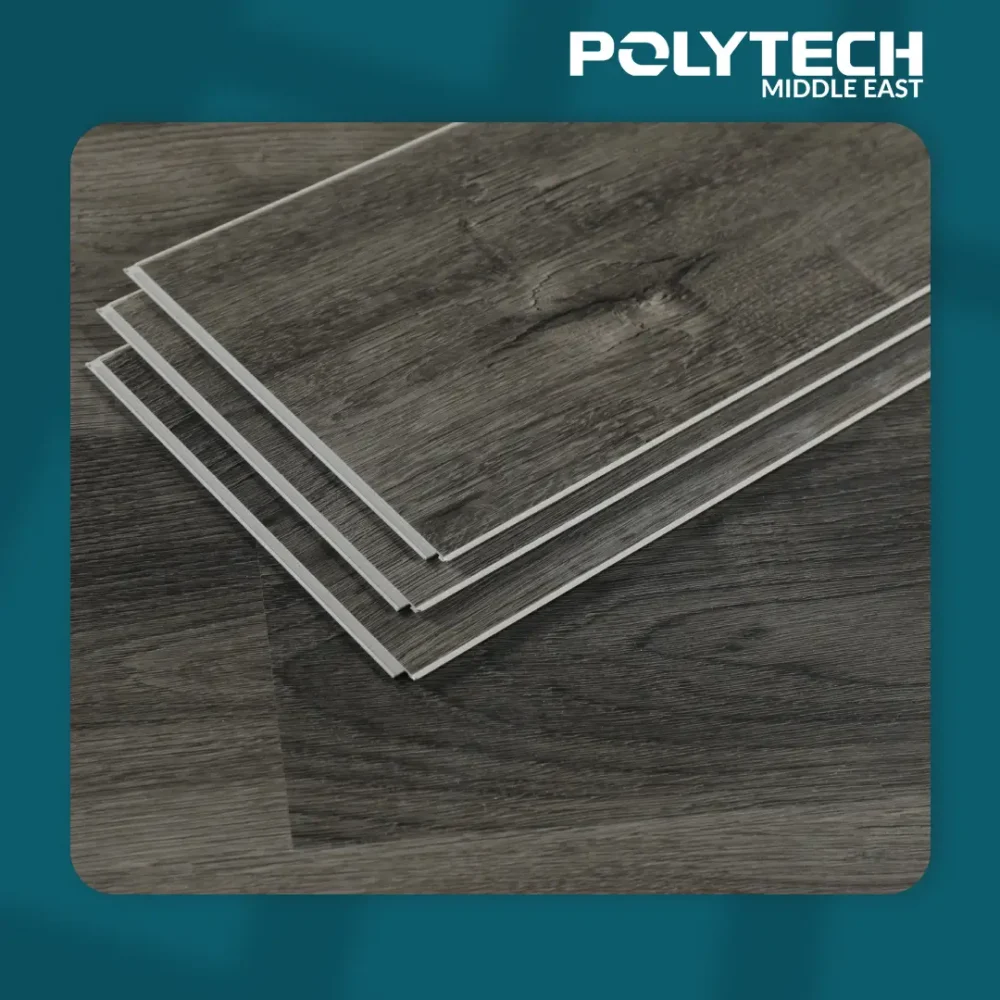 Full Extrusion Lines
LVT flooring production line
-
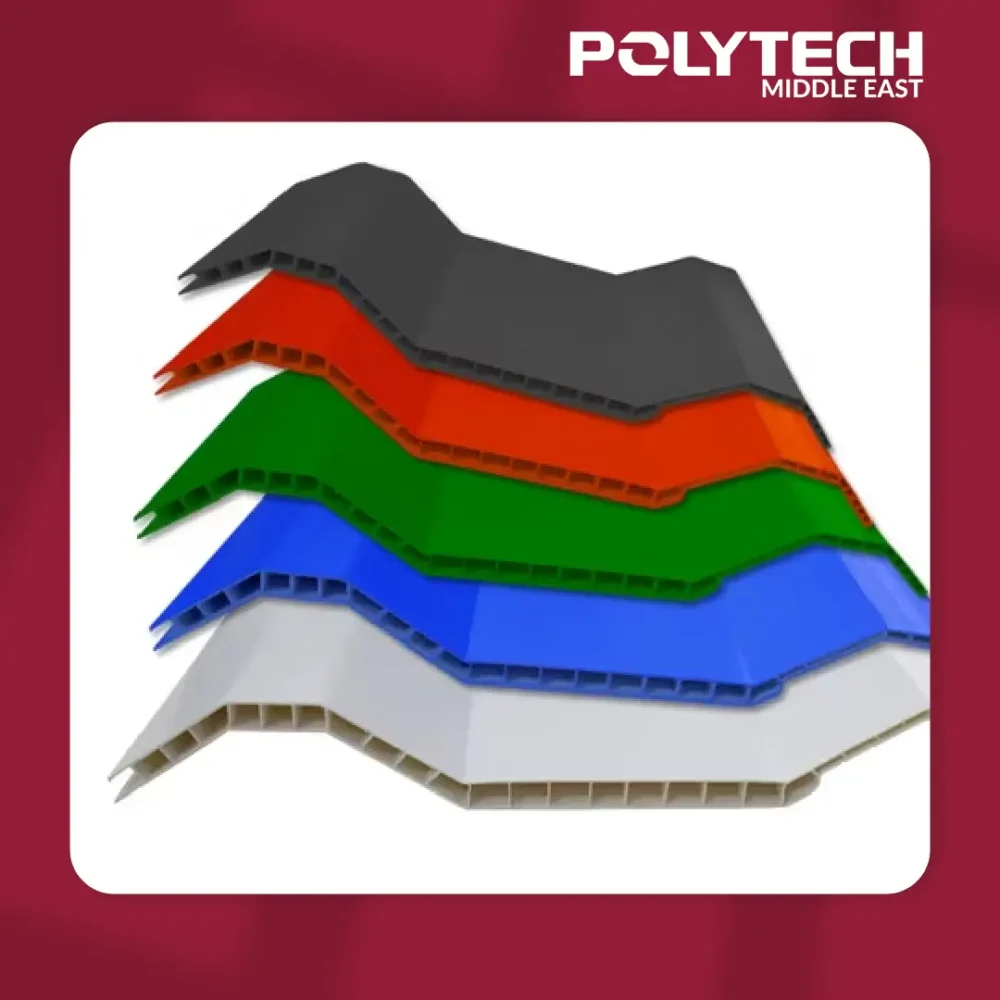 Full Extrusion Lines
PVC Twin Wall Hollow Roof Extrusion Line