


WPC/SPC Wall Panel Production Line
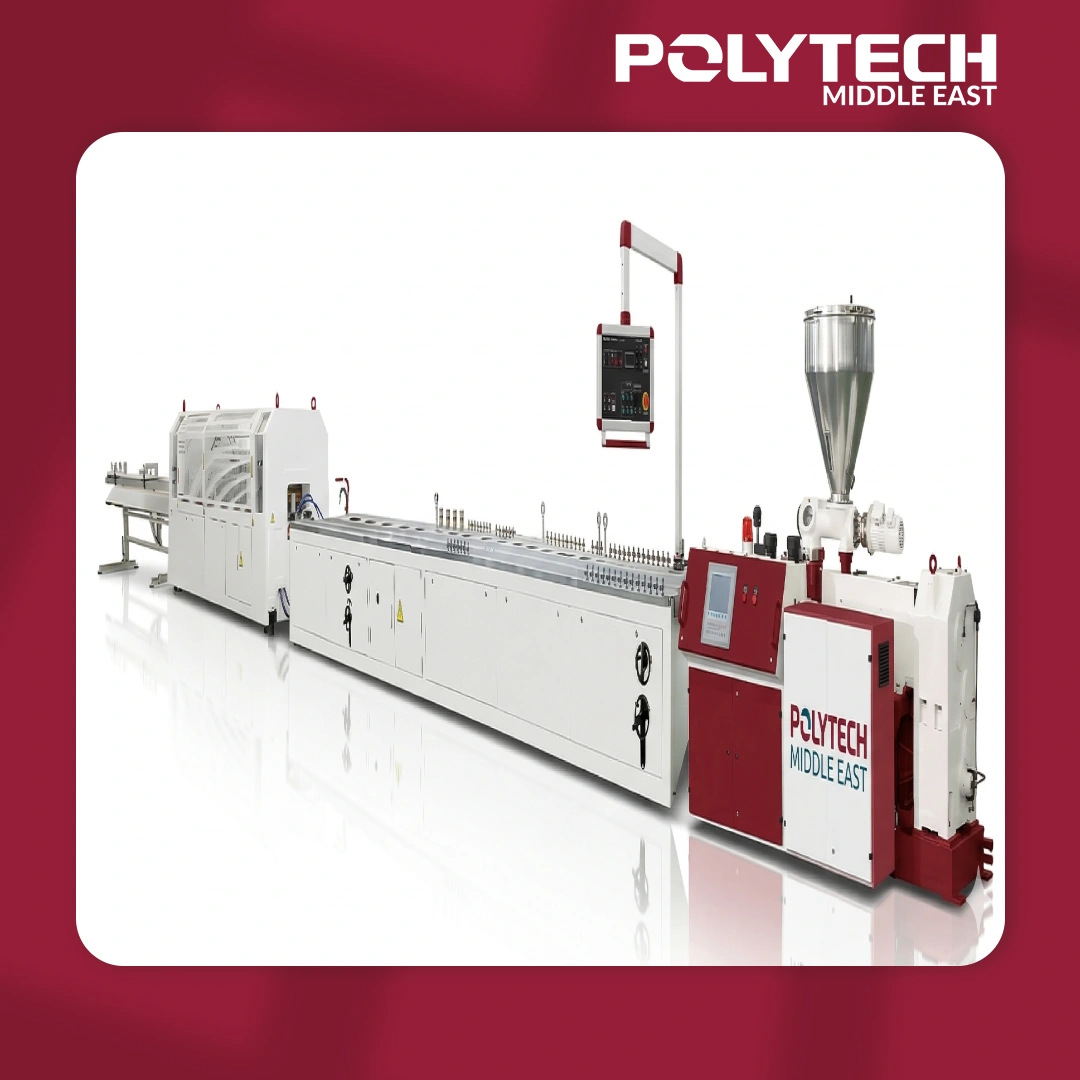
WPC/SPC Wall Panel Production Line
Explore Polytech’s high-efficiency WPC SPC wall panel production line. Learn how our extrusion system creates durable, waterproof, and fire-resistant decorative panels for modern building projects.
Category -> Full Extrusion Lines
Description
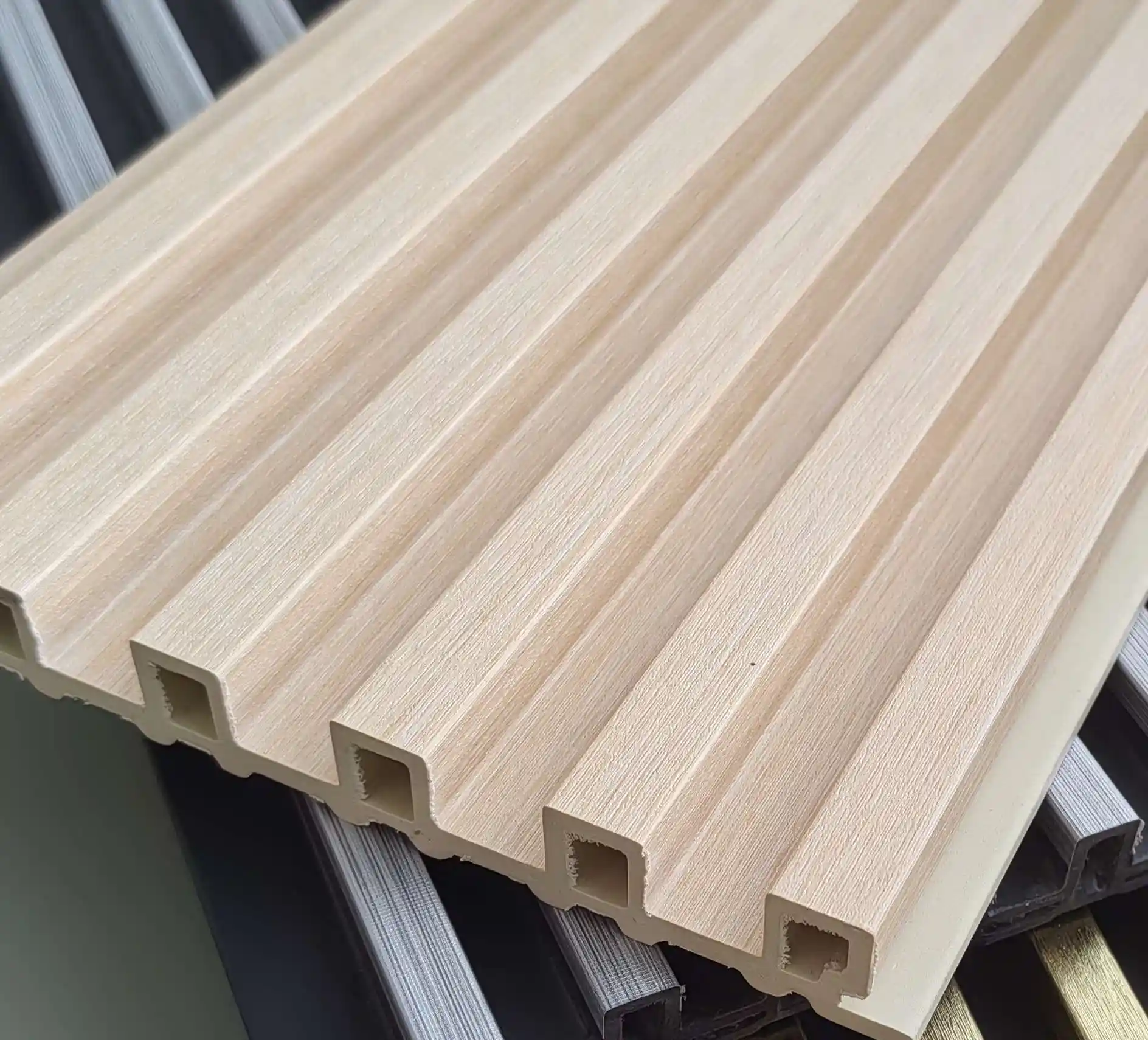
Wood-plastic composite (WPC) and stone-plastic composite (SPC) wall panels are innovative materials that blend wood fibers or mineral fillers with thermoplastics. WPC panels mix recycled wood fibers with PVC to achieve a natural wood look plus enhanced durability, while SPC panels use limestone powder and plastic to create an ultra-rigid, waterproof core. The WPC SPC wall panel production line is a continuous extrusion system that manufactures these decorative panels. It blends and melts the raw materials, then forms them into uniform wall panels. The resulting panels resist rot, moisture, and termites, yet come in many colors and textures for modern construction use.
WPC vs. SPC Panel Materials
- Composition: WPC panels are typically ~50–60% wood fiber bound by PVC resin, giving them a warm wood grain texture. SPC panels contain ~60% stone (limestone powder) mixed with PVC, resulting in a thinner, very dense panel.
- Thickness & Size: WPC panels are generally thicker (around 5–9 mm) and relatively lighter. SPC panels are often 3–8 mm thick and can be extruded up to 1050–1350 mm wide.
- Waterproofing: SPC’s mineral core makes it nearly impermeable; water absorption is often <0.1%, so SPC panels do not swell or warp in high humidity. WPC panels are also moisture-resistant, but less so than SPC (WPC is best for dry interiors).
- Fire Resistance: SPC panels achieve high flame-retardant ratings (often B1-S1) thanks to the stone filler. WPC panels provide basic fire protection but cannot match SPC’s level of flame resistance.
- Sound & Durability: The softer WPC core absorbs sound better, making WPC ideal for quiet residential spaces. SPC’s hard, high-density core offers superior scratch and impact resistance, so it’s preferred in high-traffic or commercial areas.
- Appearance: WPC panels come in natural wood-like finishes and 3D effects, adding organic warmth. SPC panels offer sleek, modern patterns (e.g. marble, stone looks) and a smoother surface, suiting minimalist or industrial designs. Both types allow extensive customization.
Production Process
The WPC/SPC wall panel line typically follows these steps:
- Raw Material Mixing: Recycled wood flour or stone powder is uniformly blended with PVC powder and additives (lubricants, stabilizers, etc.) using a high-capacity feeder or mixer.
- Extrusion: The blend feeds into a conical twin-screw extruder, which melts and mixes the materials under heat and pressure. The molten composite is pushed through a flat-sheet die that shapes the panel.
- Calibration & Cooling: As the hot panel exits the die, it enters a vacuum calibration table (shaping machine) to set the correct profile and thickness. A water spray or cooling conveyor then solidifies the panel.
- Surface Treatment: Optional embossing or lamination can be done inline. For example, a patterned roller or lamination station applies wood grain or stone textures onto the surface for decoration.
- Cutting: A guillotine or sawing unit cuts the continuous sheet into fixed lengths while maintaining precision (often controlled by a PLC with length counter).
- Stacking: Finally, an automatic stacker collects and neatly stacks the finished panels for packaging or further finishing. The line’s PLC control coordinates all steps for consistent output.
Key Production Line Components
The core equipment on a WPC/SPC panel line includes:
- Twin-Screw Extruder: The heart of the line – a high-torque 65/132 or 80/156 conical twin-screw unit that plasticizes and homogenizes the raw mix. (Many lines use chrome-alloy screws for wear resistance.)
- Vacuum Calibration Table: A long multi-zone tank that shapes and cools the extruded sheet under vacuum, ensuring uniform thickness and a flat surface.
- Cooling Conveyor: After calibration, a chilled water bath or air conveyor removes heat from the panel. Some lines use a circulating water system and blower to dry the panel.
- Embossing or Laminating Unit: A roller or pressing machine that embeds surface textures or applies decorative films. This gives the panel its final wood grain, stone-look, or colored finish.
- Cutting Saw (Shear): A powered cutting unit (often a fast-action guillotine) trims the cooled panel to length with high precision. Electric or pneumatic presses compress the profile during cutting.
- Stacker: An automated device that aligns and stacks the cut panels. Modern stackers use sensors or PLC logic to arrange panels in neat stacks for collection.
(Extruder, calibration table, cutter, stacker) and (extruder, loader, calibrator, saw, stacker) detail these machine elements.
Advantages of WPC/SPC Panels
- Waterproof & Rot-Resistant: Both panel types resist moisture and decay. SPC panels absorb virtually no water (<0.1%), so they remain stable in bathrooms or basements. WPC panels likewise do not rot or swell when damp.
- Fire Retardancy: SPC panels have a mineral core, enabling high fire ratings (often B1 according to EN standards). WPC panels have flame-retardant additives but typically a lower fire rating. This makes SPC safer in kitchens and public areas.
- Pest-Proof: Neither material provides food for insects. WPC panels are impervious to rot, moisture, and bugs, effectively preventing termite damage. SPC has no organic content at all, so both resist pests.
- Easy Installation: These panels are lighter than traditional materials. WPC’s low weight simplifies handling and reduces labor. Many systems use interlocking edges or adhesives for quick, glue-free mounting. The panels cut easily to fit with standard tools.
- Aesthetic Variety: Manufacturers offer WPC and SPC panels in wood grains, stone patterns, solid colors, and 3D textures. WPC panels deliver a natural wood feel, while SPC panels can mimic marble or tile with glossy finishes. This design flexibility lets architects achieve diverse visual styles without compromising durability.
- Low Maintenance: Panel surfaces are easy to clean and do not require painting or sealing. SPC’s sealed finish resists staining, and WPC can be washed or wiped down. Both materials stand up to everyday wear without fading or chipping.
Products
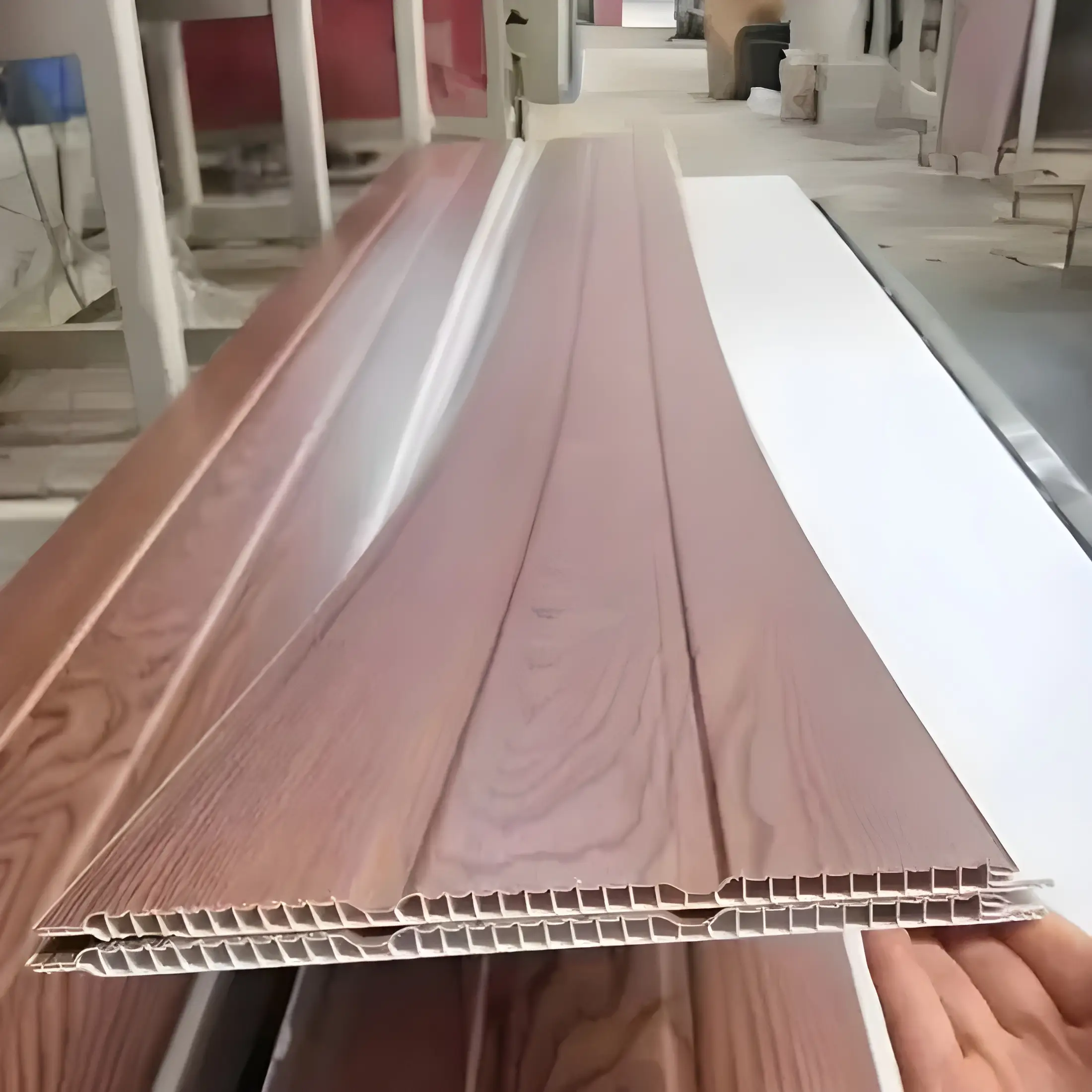
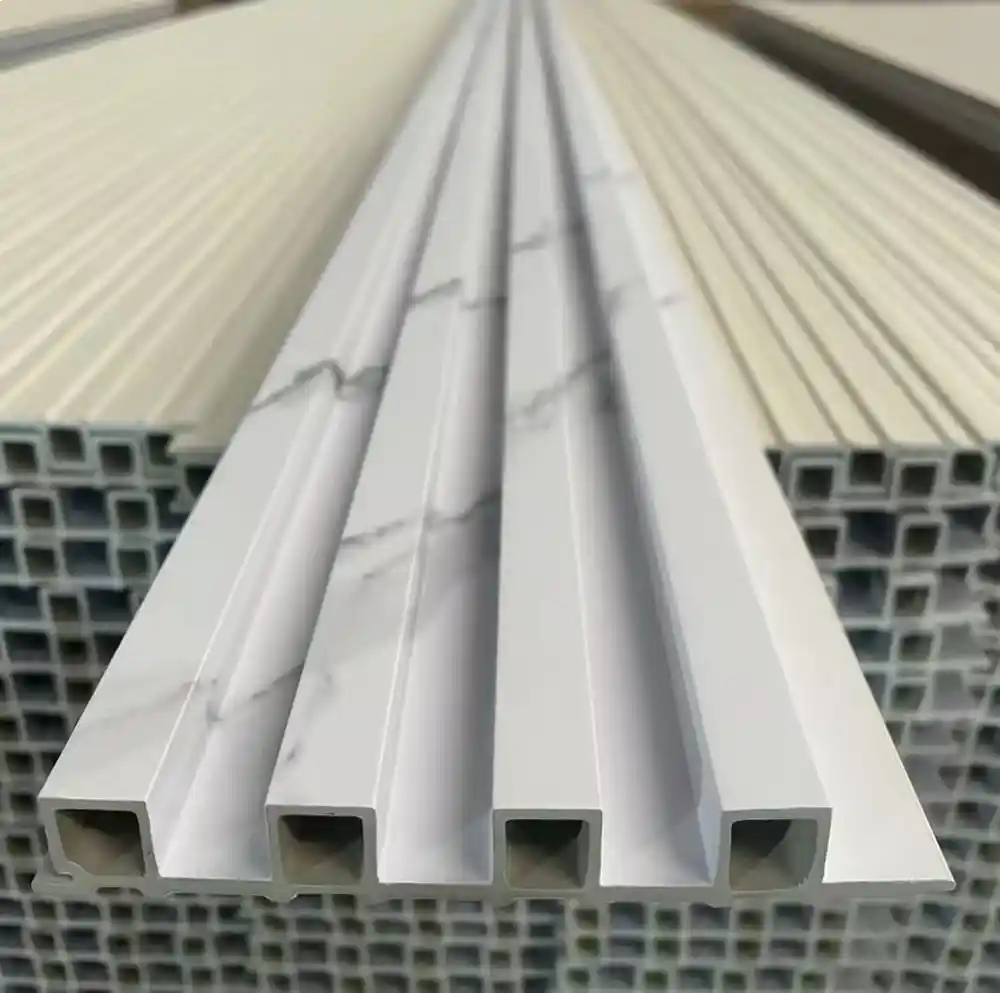
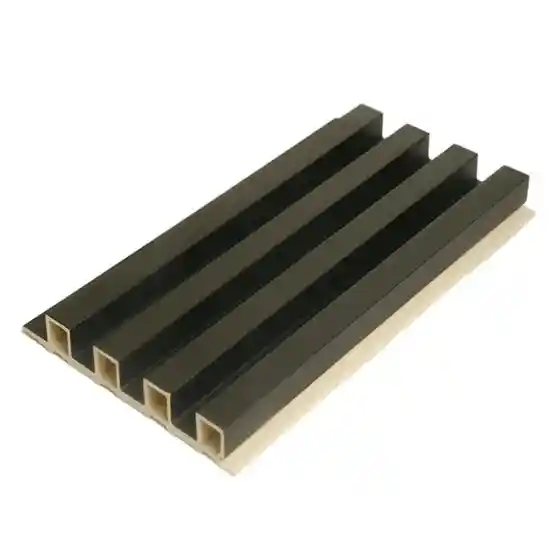
Typical Applications
WPC/SPC wall panels are used across many settings:
- Residential Interiors: Ideal for home walls and ceilings, especially in moisture-prone rooms. Bathrooms, kitchens, and laundry areas benefit from the panels’ waterproof, mildew-free properties.
- Commercial Spaces: Offices, retail stores, restaurants and public buildings use these panels for easy-to-clean, durable finishes. High foot-traffic areas gain from panels’ wear resistance and low maintenance.
- Exterior Facades & Cladding: UV-stable SPC panels serve as decorative exterior cladding and soffits, standing up to sun and rain. (WPC can be used outdoors if formulated for UV resistance.)
- Hospitals & Hotels: Hygienic, fire-rated panels enhance walls in hospitals, clinics, hotels and resorts. The smooth, sealed surfaces resist bacteria and are easy to disinfect, while the long service life suits high-cleanliness environments.
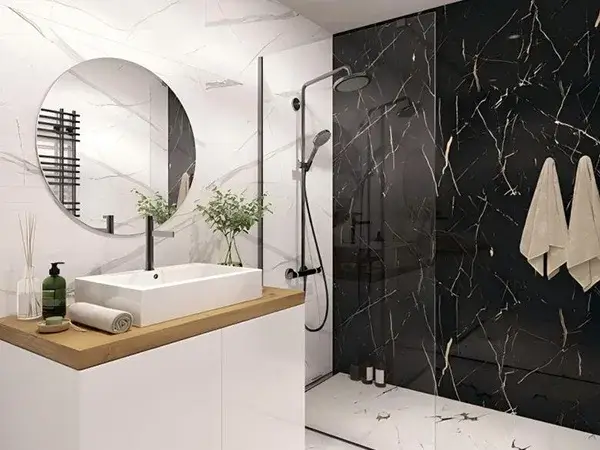
Modern bathrooms often feature SPC wall panels with marble finishes (as shown above). These panels combine a waterproof polymer back with a decorative stone-print face. The image illustrates how SPC panels remain moisture- and flame-resistant in damp environments
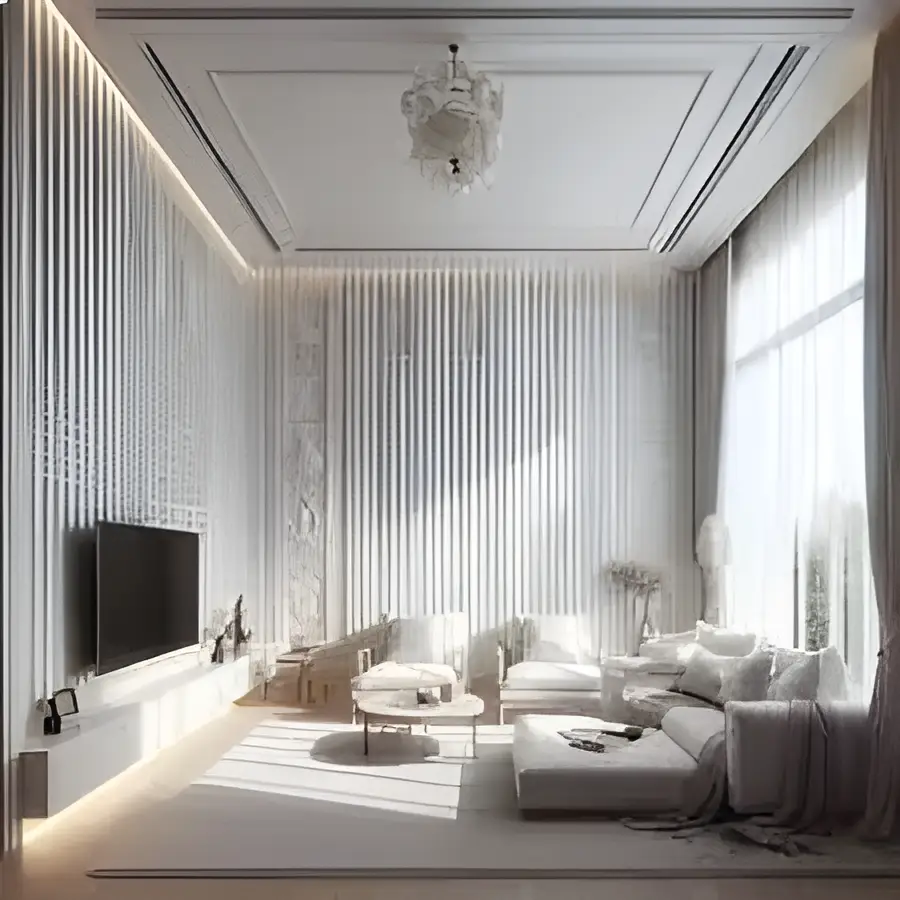
In upscale interiors, WPC/SPC panels can mimic marble or wood textures, adding elegance to living rooms and lobbies. The photo above shows a marble-pattern panel behind a dining area. Such panels offer styling flexibility, while meeting building codes (fire, weatherability) in commercial projects.
Applications



Gallery
Main Features
| Specification | WPC Wall Panel Line | SPC Wall Panel Line |
|---|---|---|
| Material (core) | Wood-plastic composite (wood fibers + PVC) | Stone-plastic composite (limestone + PVC) |
| Thickness | ≈ 5–9 mm | ≈ 3–8 mm |
| Max. Width | ~ 950 mm | ~ 1050–1350 mm |
| Capacity | ~ 200–250 kg/hour (depending on model) | 28–35 tonnes/day (≈1200–1500 kg/hr) |
| Installed Power | ~ 120 kW | ~ 200 kW |
Related products
-
 Full Extrusion Lines
PVC Foam Board Extrusion Line
-
 Full Extrusion Lines
Biodegradable sheet production line
-
 Full Extrusion Lines
WPC Foam Board Extrusion Line
-
 Full Extrusion Lines
PVC Transparent Granulation Line