


POE Polymer Spinneret Pad Production Line
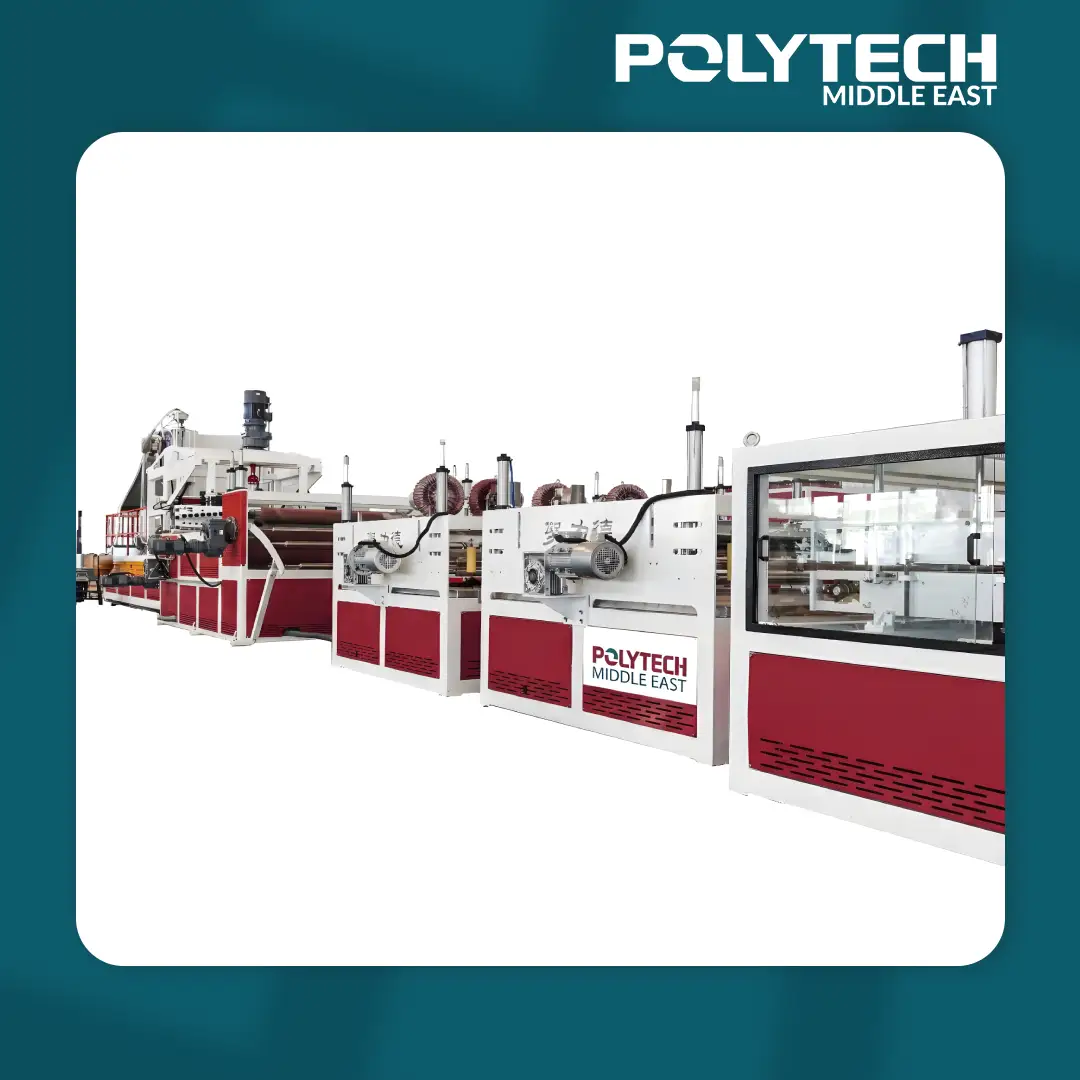
POE Polymer Spinneret Pad Production Line
Efficient POE polymer spinneret pad production line — compounding, extrusion, calendering, and quality control for nonwoven and filtration pads.
Category -> Full Extrusion Lines
Description
Introduction
POE (polyolefin elastomer) offers flexibility, thermal stability, and toughness. Manufacturers use POE to produce spinneret pads that serve in filtration, nonwoven support, and specialty textile processes. This article explains a typical POE polymer spinneret pad production line, its steps, technical features, and applications.
What is a spinneret pad
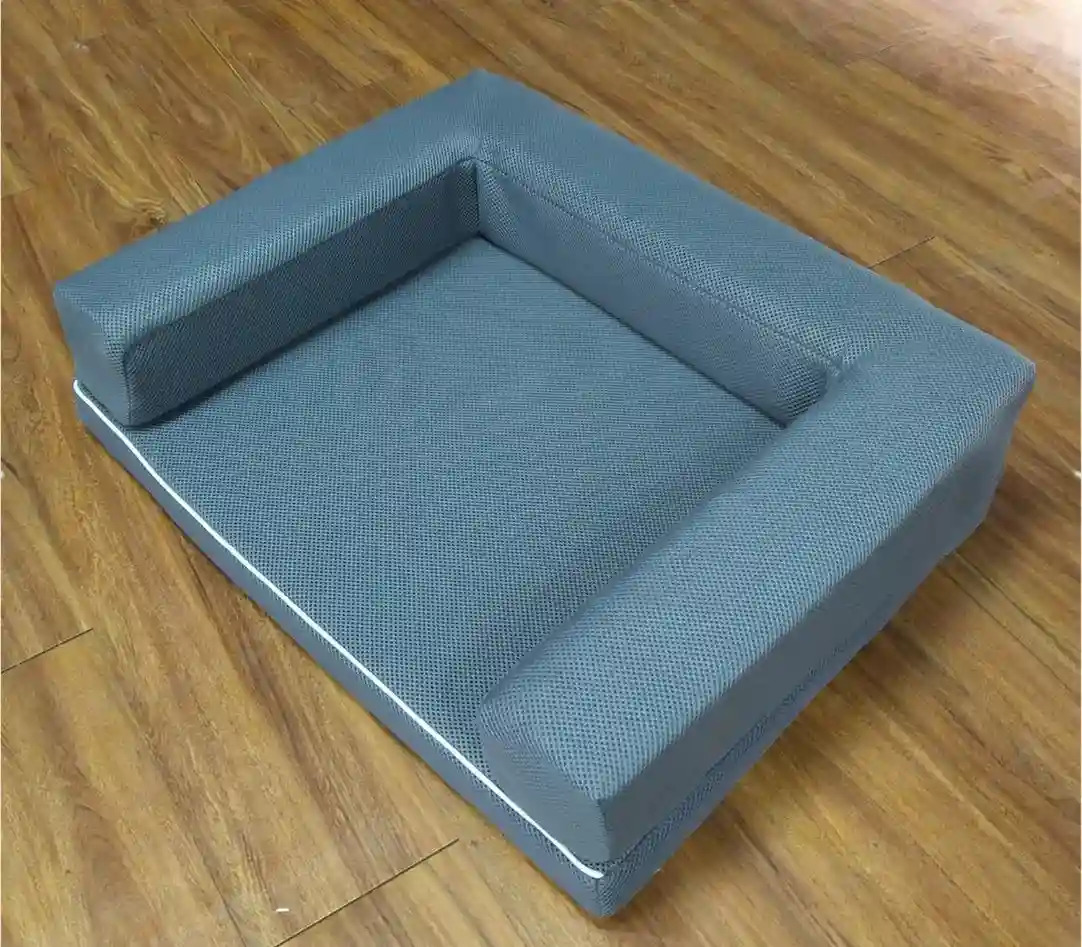
A spinneret pad (in this context) is a thin polymer sheet or pad produced to feed or support spinneret-based processes (meltblown/spunbond) or to act as a filter media layer. POE pads combine elasticity and surface integrity, which helps in downstream spinning or filtration.
Production line overview
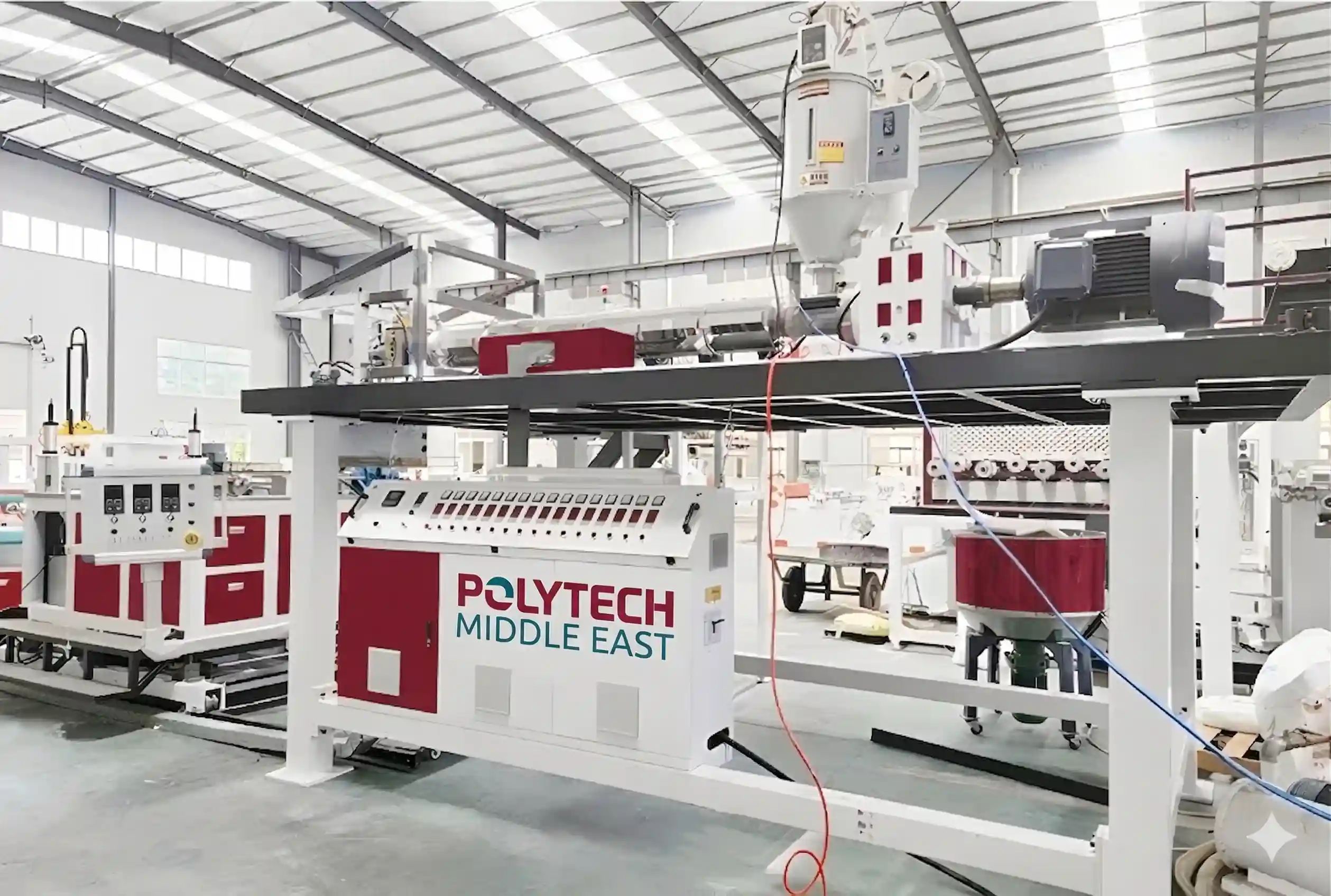
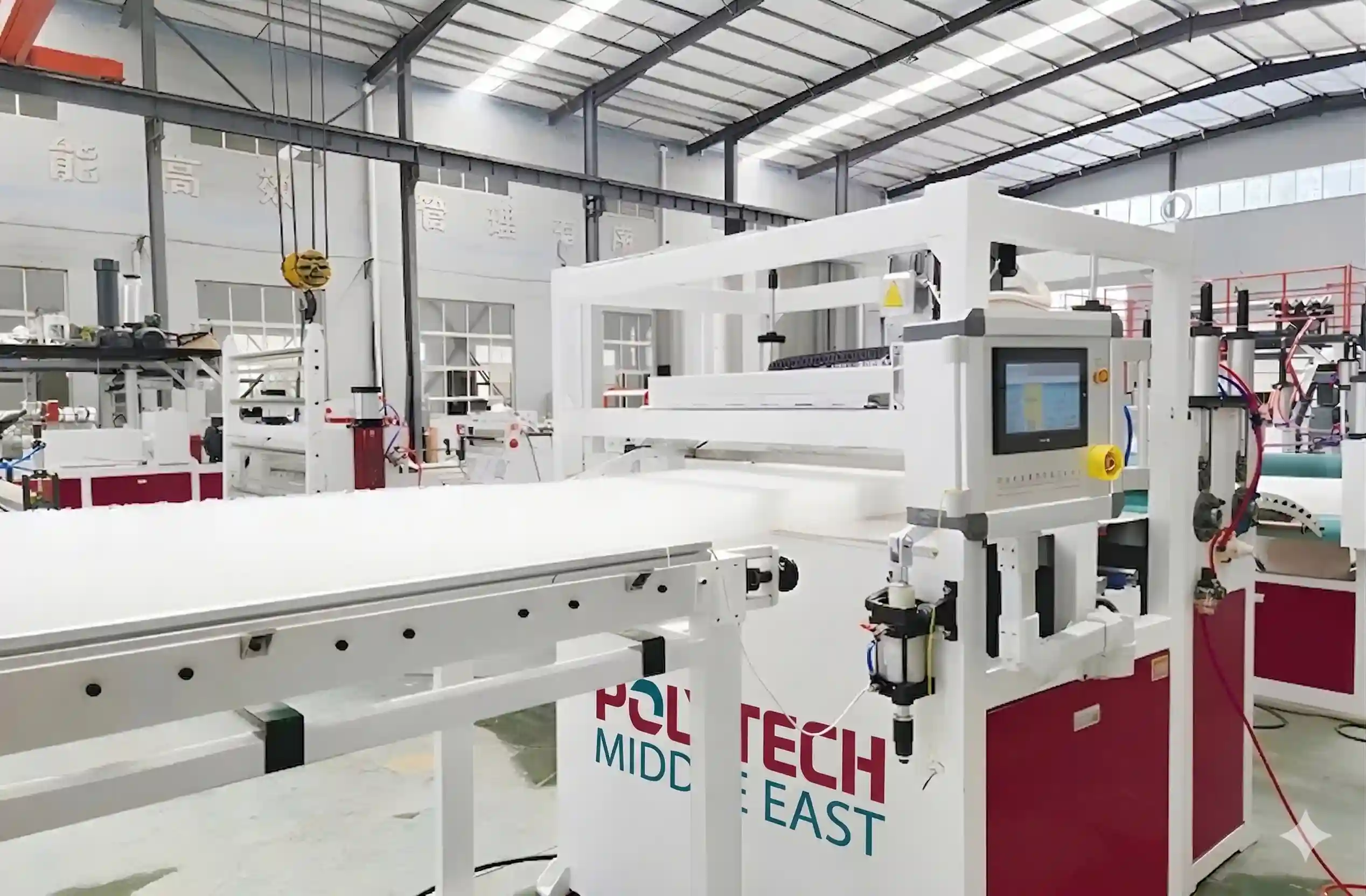
A reliable production line converts POE raw material into uniform pads through: compounding → extrusion → calendaring (or calender) → embossing/texture → cooling → cutting & winding → quality control. The line delivers consistent thickness, surface finish, and mechanical properties.
Step-by-step process
- Raw material handling & blending — weigh POE resin, additives (antioxidants, processing aids, pigments) and feed into a gravimetric blender.
- Compounding & melt homogenization — a twin-screw extruder disperses fillers and additives into POE, producing a homogeneous melt.
- Sheet extrusion / T-die — the molten POE exits a flat die forming a continuous film/sheet.
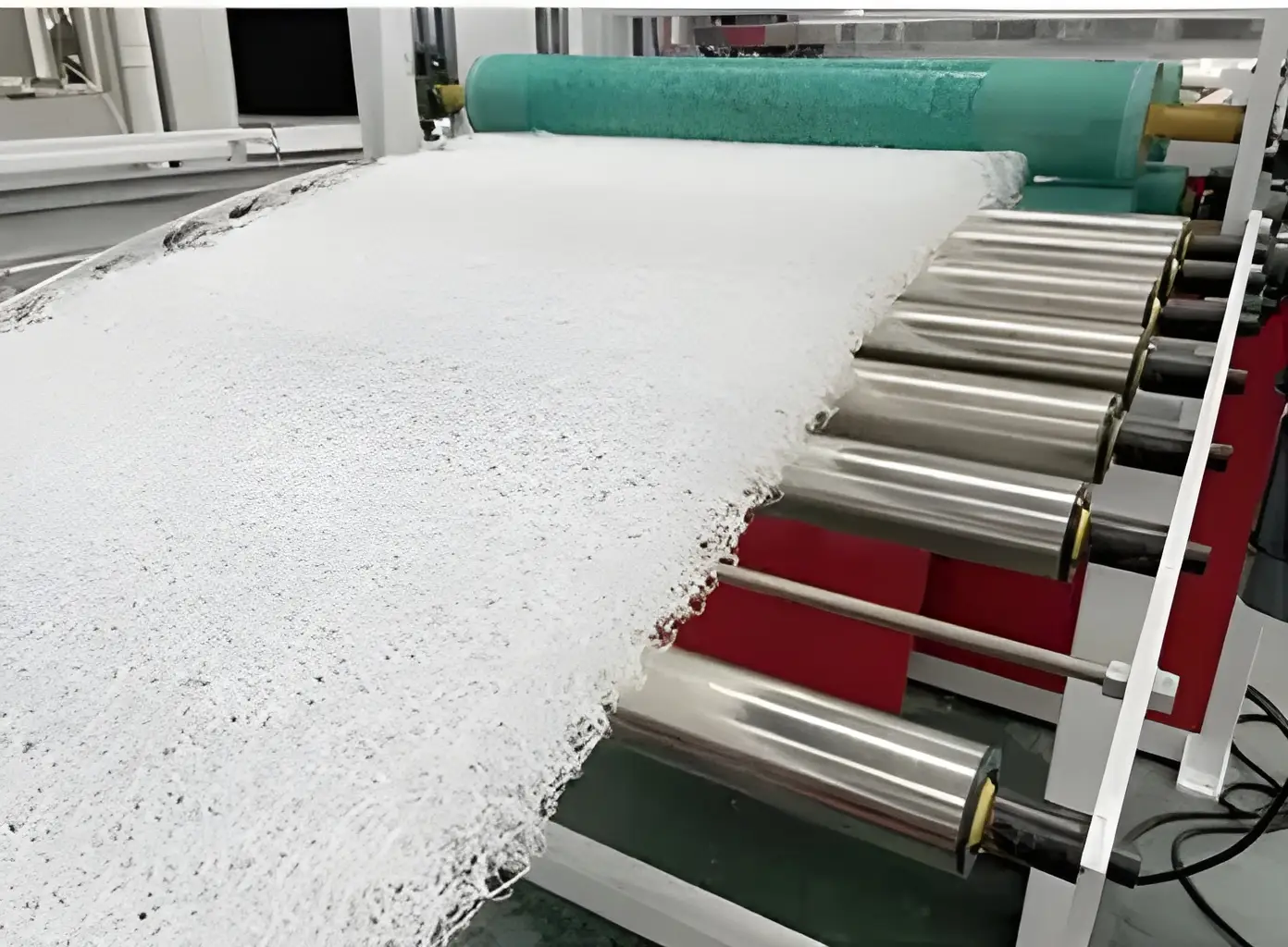
- Calendaring / Smoothing — multi-roll calender smooths the sheet and sets targeted thickness and gloss.
- Embossing or texturing (optional) — embossing rolls add pattern, anti-slip or enhanced surface area for filtration.
- Cooling & solidification — a water-cooled table or rollers stabilize dimensions.
- Cutting, slitting & winding — convert sheet to pads or rolls; automatic cutters set pad length and width.
- Inspection & QC — thickness gauge, tensile test, and visual inspection ensure spec compliance.
Key technical features
- Twin-screw extruder (conical) for stable compounding.
- Precision T-die and lip adjusters for uniform thickness.
- Multi-roll calender with temperature control.
- Closed-loop PLC control and inline thickness measurement.
- Optional embossing station and UV or corona treatment for surface activation.
Advantages of POE pads
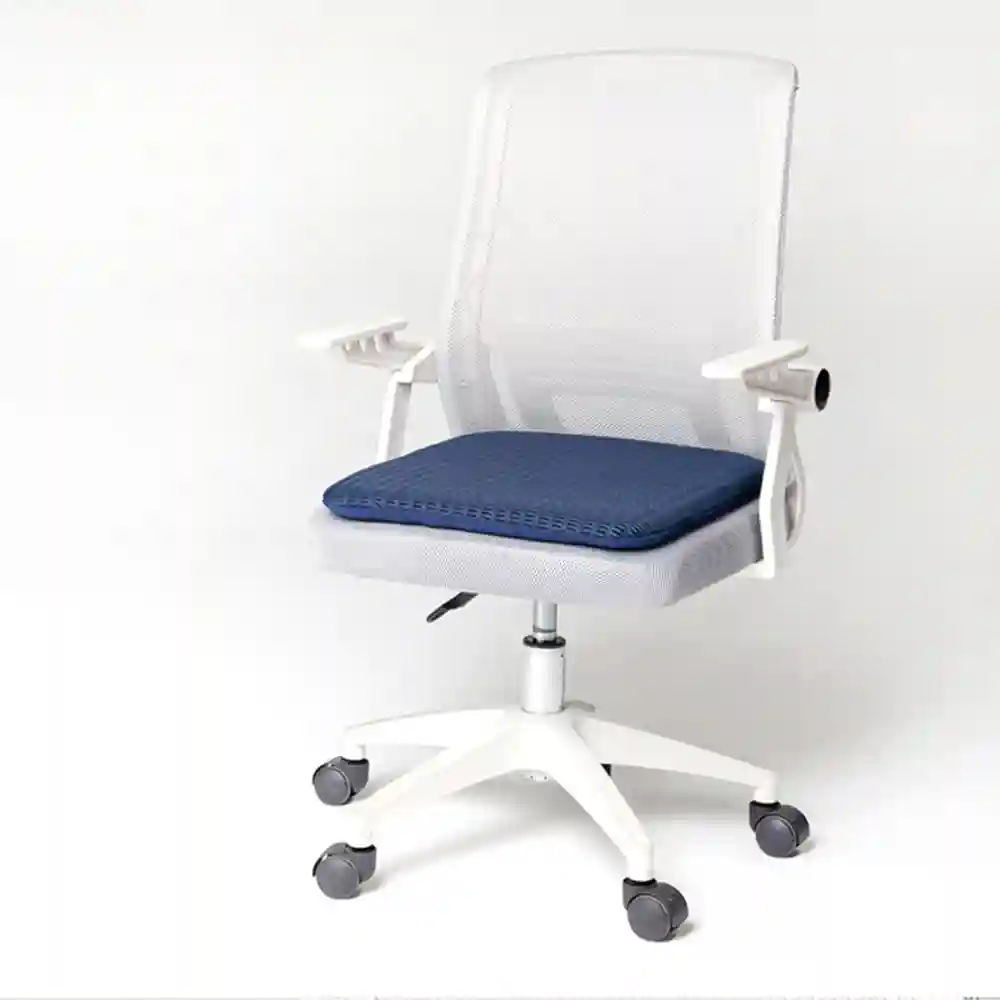
- High elasticity and flexibility for resilient pads.
- Good thermal stability over processing window.
- Compatibility with meltblown/spunbond processes and with composite lamination.
- Low brittleness at operating temps; good tear resistance.
- Recyclable and often compatible with blended recycled content.
Quality control & maintenance
Continuously monitor melt pressure, die temperature, and sheet thickness. Schedule routine cleaning of extruder screws and knife assemblies. Calibrate gauges monthly.
Conclusion
A well-engineered POE polymer spinneret pad production line provides consistent, high-quality pads tailored for nonwoven and filtration industries. Choose components (extruder size, calender width, embossing options) based on target pad thickness, output, and surface needs.
Products
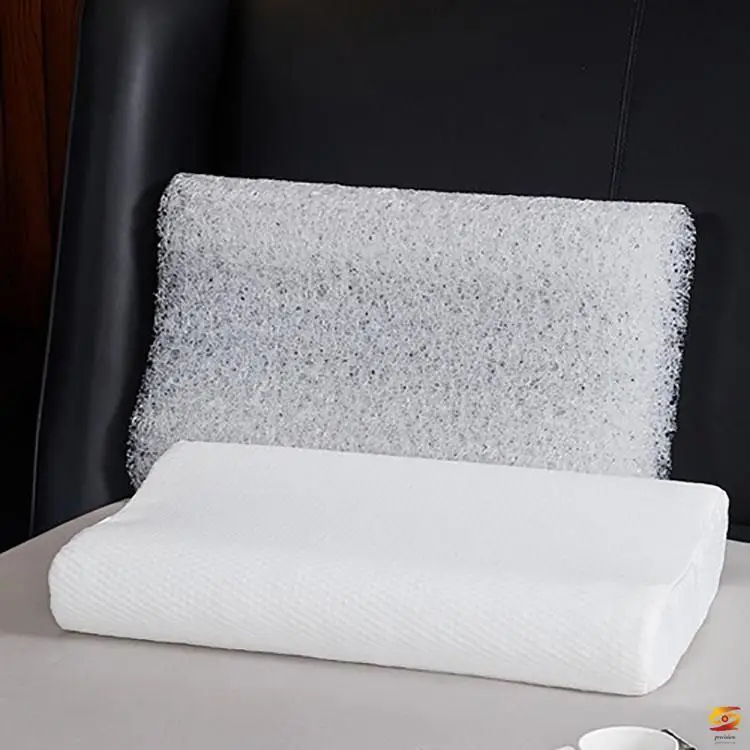
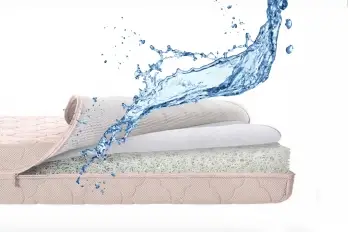
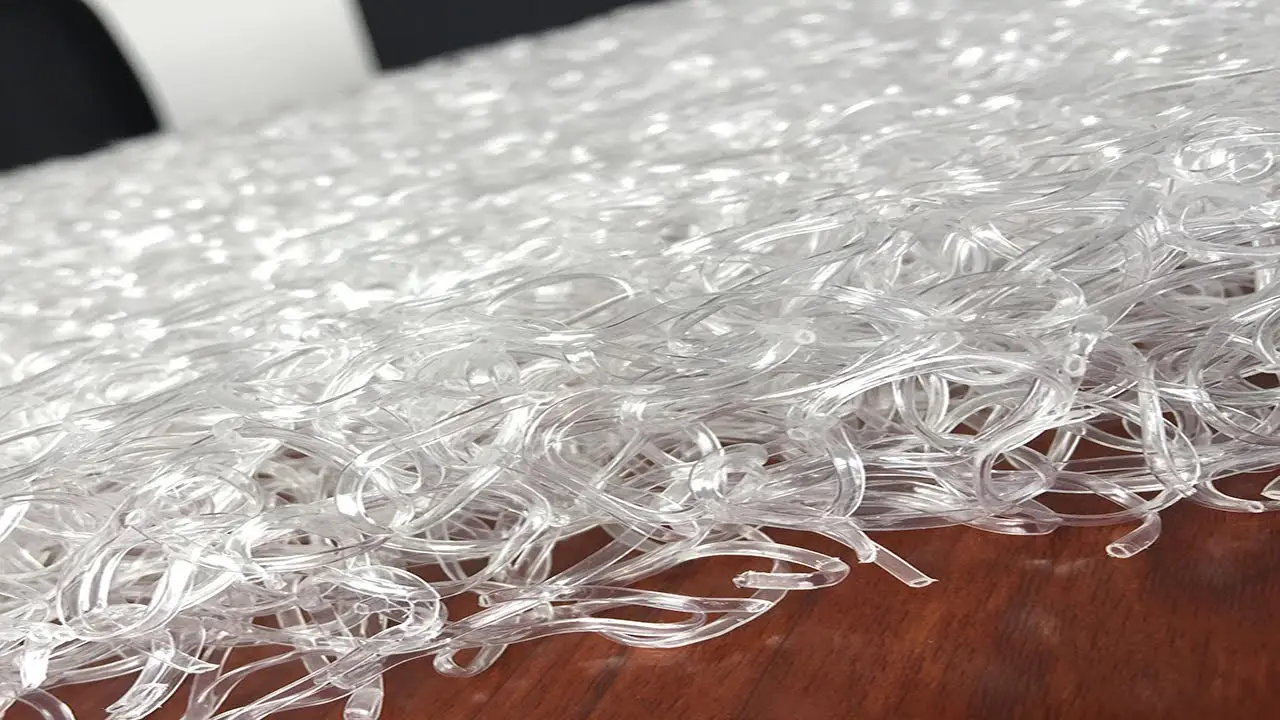
Typical applications
- Meltblown/spunbond nonwoven production (support layers).
- Filtration media (pre-filters, spacer pads).
- Medical & hygiene components (soft, resilient layers).
- Acoustic and thermal insulation layers in composite panels.
Applications
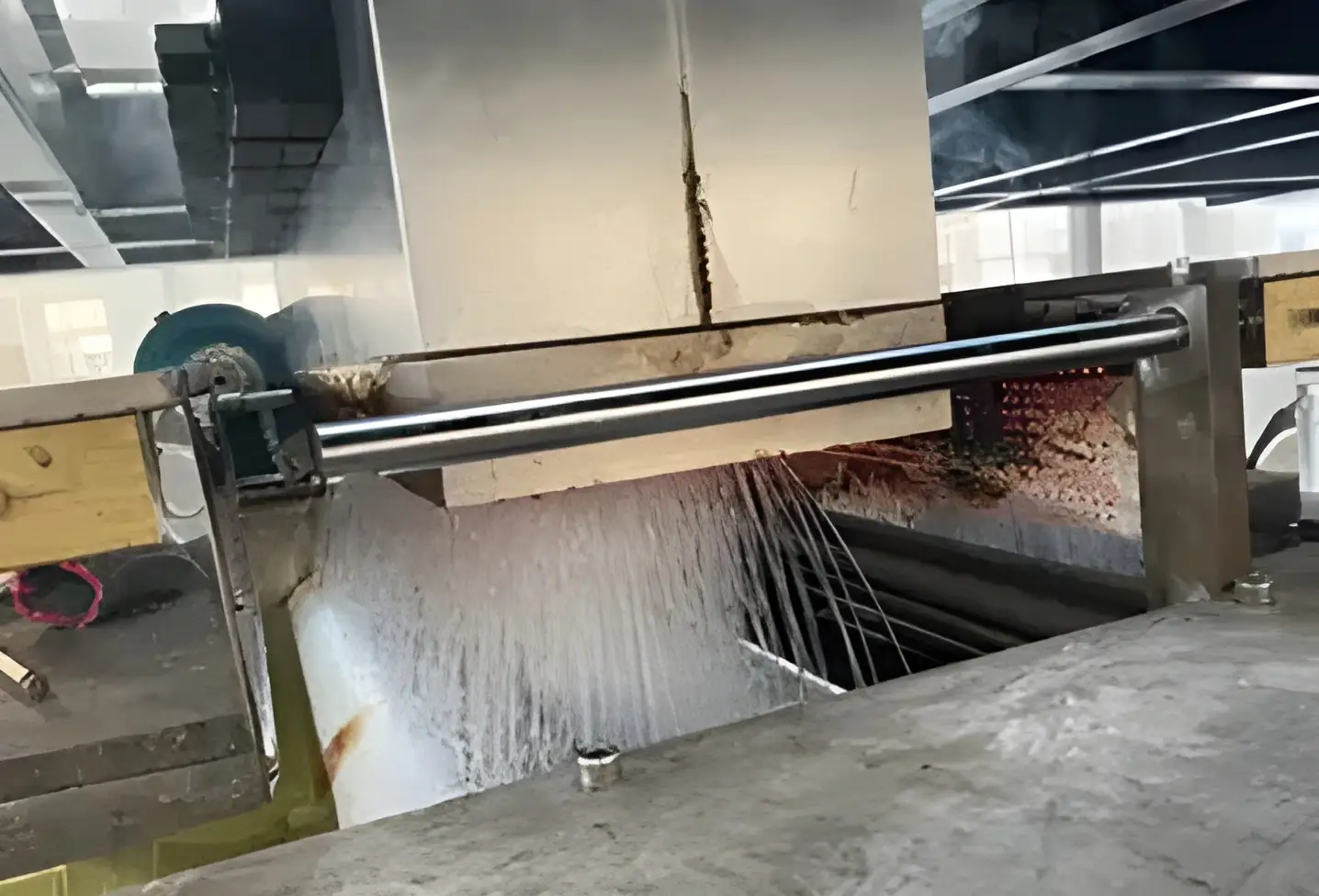
Related products
-
 Full Extrusion Lines
PE Round Drip Irrigation Pipe Extrusion Line
-
 Full Extrusion Lines
LVT flooring production line
-
 Full Extrusion Lines
WPC Foam Board Extrusion Line
-
 Full Extrusion Lines
WPC/SPC Wall Panel Production Line