


ABA PVC Co-Extrusion Foam Board Distributor
ABA PVC Co-Extrusion Foam Board Distributor
Discover ABA PVC co-extruded foam boards with rigid skins and foamed core – lightweight, durable, and glossy. Learn about their properties, production process, applications, and how to choose a quality distributor.
Category -> Machines and Spare Parts
Description
Introduction
PVC foam board (also called foamed PVC) is a lightweight, rigid sheet used widely in signage, display, interior decoration, and furniture applications. ABA co-extruded PVC foam board takes this material a step further by bonding a solid outer PVC layer to each side of the foam core in one extrusion process. The result is a panel with superior surface hardness and aesthetics on both faces, yet much lighter than solid PVC. ABA boards combine the dimensional stability and machinability of PVC with reduced weight (densities ~0.45–0.80 g/cm³ vs ~1.4 for solid PVC) and cost-effectiveness. These panels resist moisture, chemicals, and UV, making them suitable for indoor and many outdoor uses. This article reviews their construction, properties, manufacturing, and practical considerations for distributors and buyers.
What is ABA PVC Co-Extrusion Foam Board?
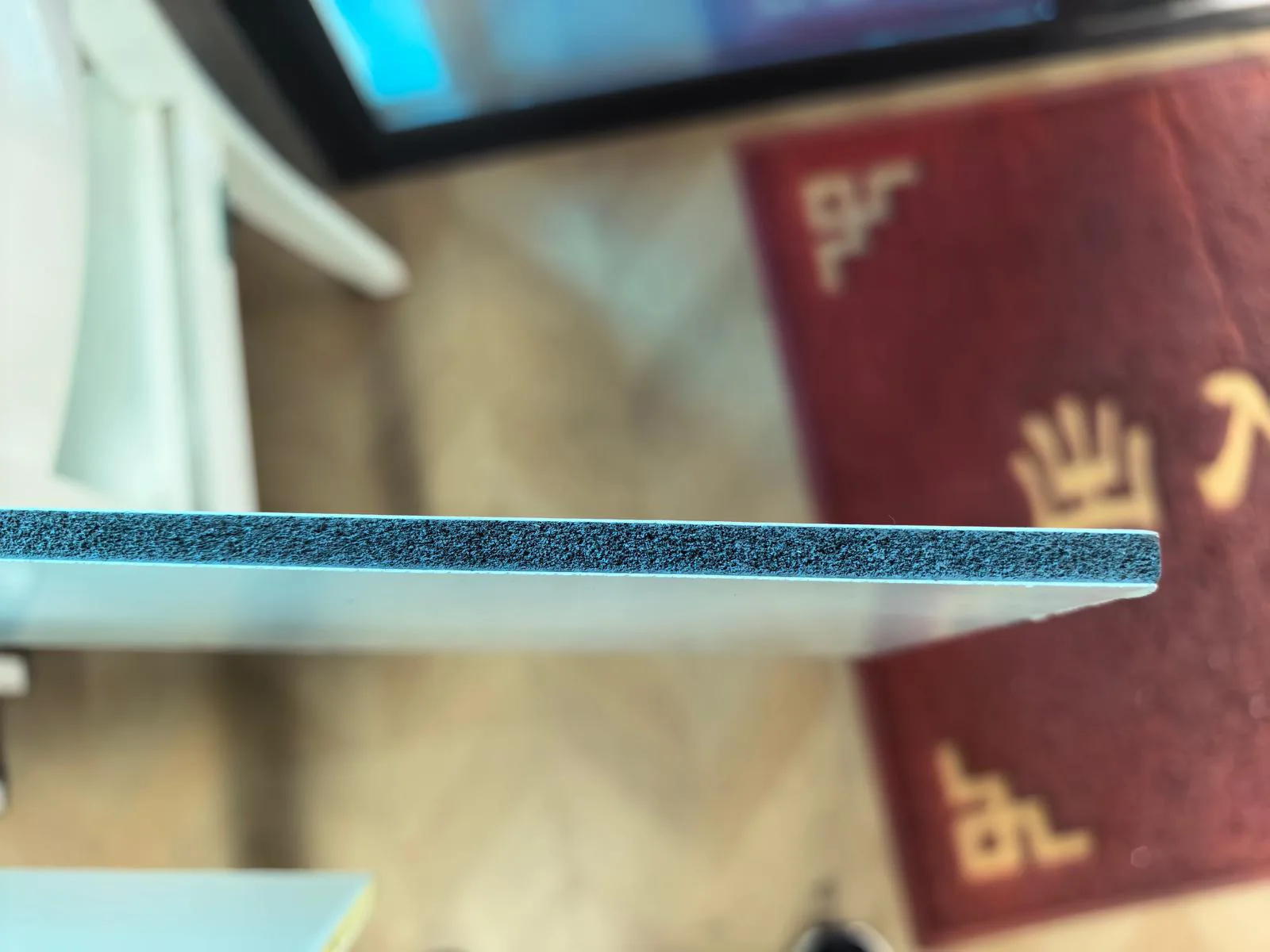
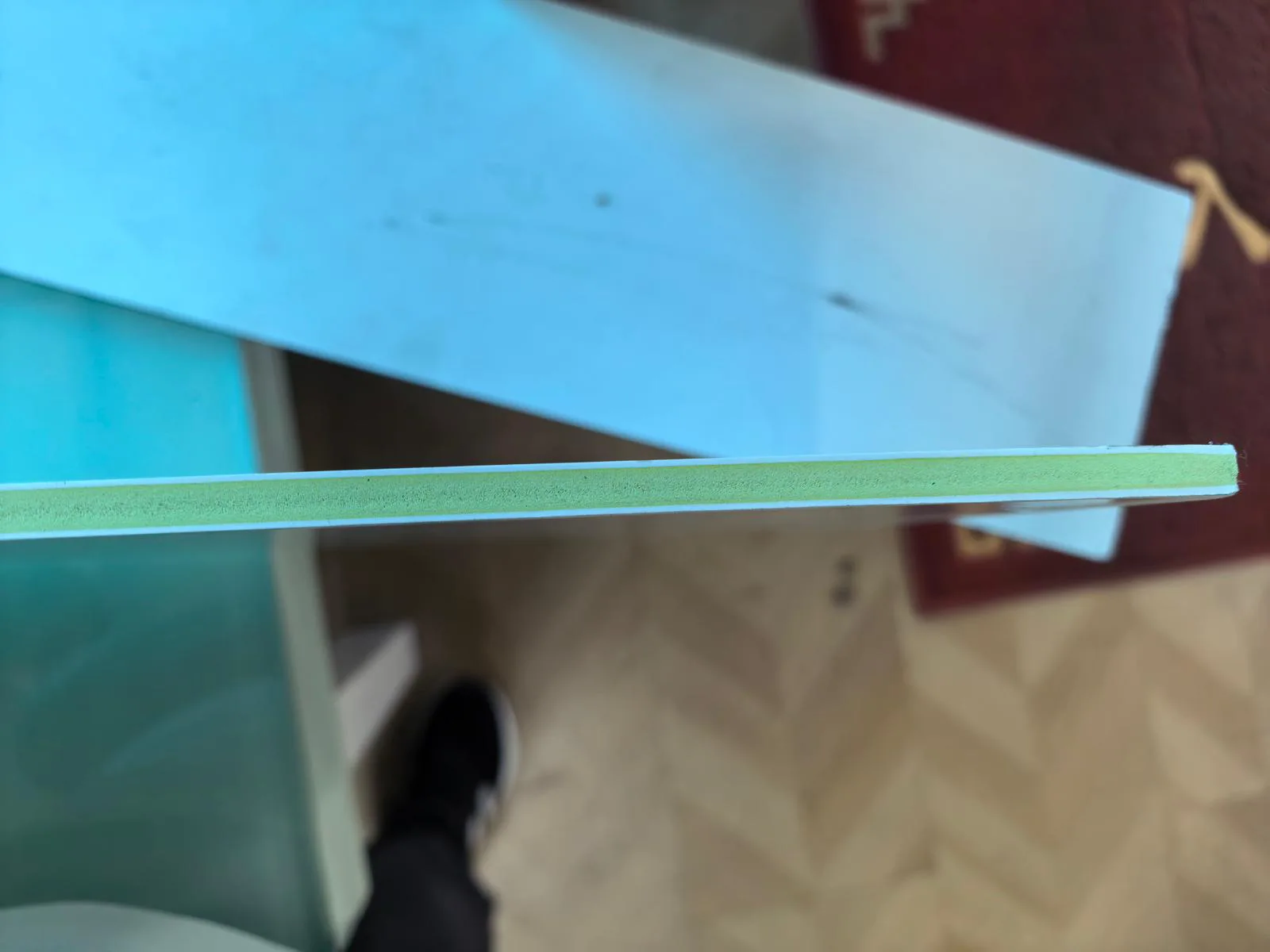
“ABA” co-extrusion refers to a three-layer structure. In this process, two rigid PVC layers (the outer “A” layers) are co-extruded simultaneously with a foamed PVC core (“B”) through a specially designed die. The plastics melt from two or more extruders and are combined in the die to form a sandwich panel. The outer skins can be colored or uncolored rigid PVC, while the center is a foamed PVC (often with blowing agents) to reduce weight. The result is a single-sheet board with a hard, smooth surface on both sides and a uniform low-density core. This integrated approach yields stronger, more stable panels than post-laminated alternatives. The rigid skin provides a scratch-resistant, high-gloss finish, and the closed-cell foam core adds insulation and buoyancy without the need for extra lamination or painting.
Key Properties and Performance
ABA co-extruded PVC foam boards exhibit a unique combination of characteristics:
- Lightweight Core: Typical densities are about 0.45–0.80 g/cm³, so boards weigh roughly half as much as solid PVC sheets of the same size. This reduced weight simplifies handling, shipping, and installation, while maintaining rigidity.
- High Strength-to-Weight: Despite low density, the boards retain good mechanical strength. Typical extruded foam PVC has tensile strength on the order of 1.5–8 MPa and flexural strength 3–15 MPa (depending on density). In practice, co-extruded boards can achieve tensile strengths in the 10–20 MPa range and Shore D surface hardness around 45–50. These values vary by formulation, but all grades support cutting, routing, drilling, and fastening with standard tools.
- Rigid, Smooth Surface: Both faces have a high-gloss, hard PVC skin. This finish provides a bright, scratch-resistant surface that can accept printing, laminates, or paint without additional treatment. The hard skin (typically 0.3–0.8 mm thick) also protects the core and prevents delamination.
- Moisture and Chemical Resistance: The closed-cell PVC core gives excellent moisture resistance (water absorption usually <0.5%). Boards will not warp, swell, or rot when exposed to humidity or water. The PVC material itself is chemically stable and resists acids, alkalis, and solvents. These properties ensure durability in bathrooms, kitchens, marine environments, and other humid or corrosive settings.
- Thermal Performance: PVC foam has low thermal conductivity (~0.035–0.045 W/m·K), offering good insulation. It has a moderate coefficient of thermal expansion (roughly 50–80×10⁻⁶/°C) and maintains dimensional stability from –20°C up to +60°C (short-term exposure up to 70°C is acceptable). This stability supports accurate fabrication across typical temperature ranges.
- Flame Resistance: PVC is inherently flame-retardant. Standard PVC foam boards usually meet Class B1 (DIN 4102) or Class B2 fire ratings. Many co-extruded boards achieve self-extinguishing behavior. In fact, flame-retardant formulations have passed ASTM E84 tests for Class A rating (the highest for building materials). For example, Boardway’s flame-retardant co-extruded boards tested by SGS achieved Class A (Standard: B1). These ratings are important for distributors supplying construction and public-space markets.
- Weight: As noted, the foam core greatly reduces weight. A typical 10 mm board might weigh ~4–7 kg/m², compared to ~14 kg/m² for a solid PVC sheet of the same thickness. The lower weight translates to lower freight costs and easier handling.
In summary, ABA co-extruded PVC foam panels combine a hard glossy finish with closed-cell PVC foam properties: uniform density, smoothness, waterproofness, and dimensional stability. They offer easy fabrication and assembly in many industrial and consumer applications.
Manufacturing and Co-Extrusion Process Overview
Producing ABA co-extruded PVC foam board requires a specialized extrusion line. A typical production line includes: extruders, co-extrusion die (T-die), distributor manifold, calibration/cooling section, haul-off system, and cutting/stacking equipment.
- Extruders: Two or three extruders feed the die. Usually, one extruder handles the foamed core (PVC mixed with foaming agent) and one or two extruders feed the solid outer layers. Modern lines may use three single-screw extruders (one for core, two for skins) to achieve identical skin layers. The extruders have temperature controls to melt and mix the PVC compounds before extrusion.
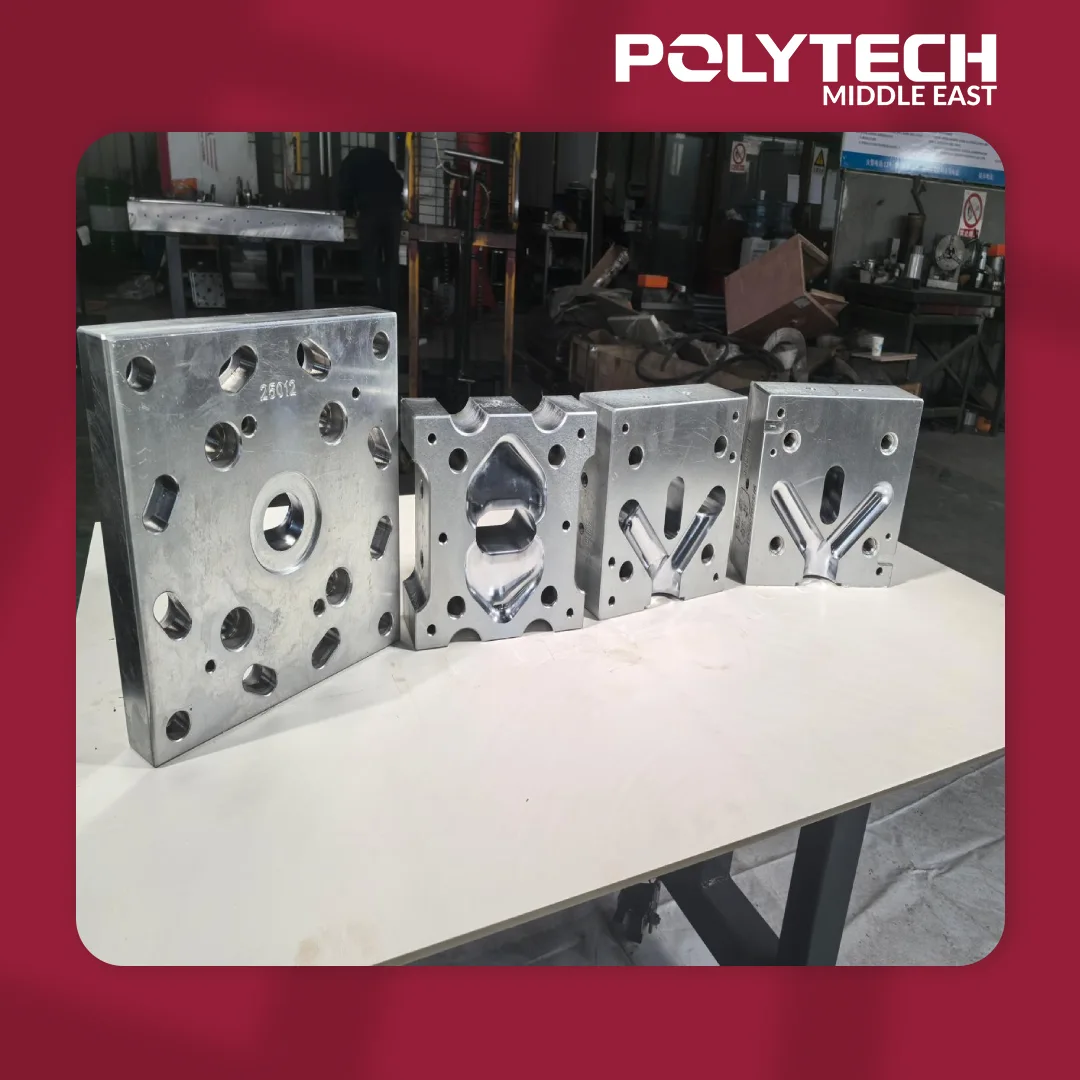
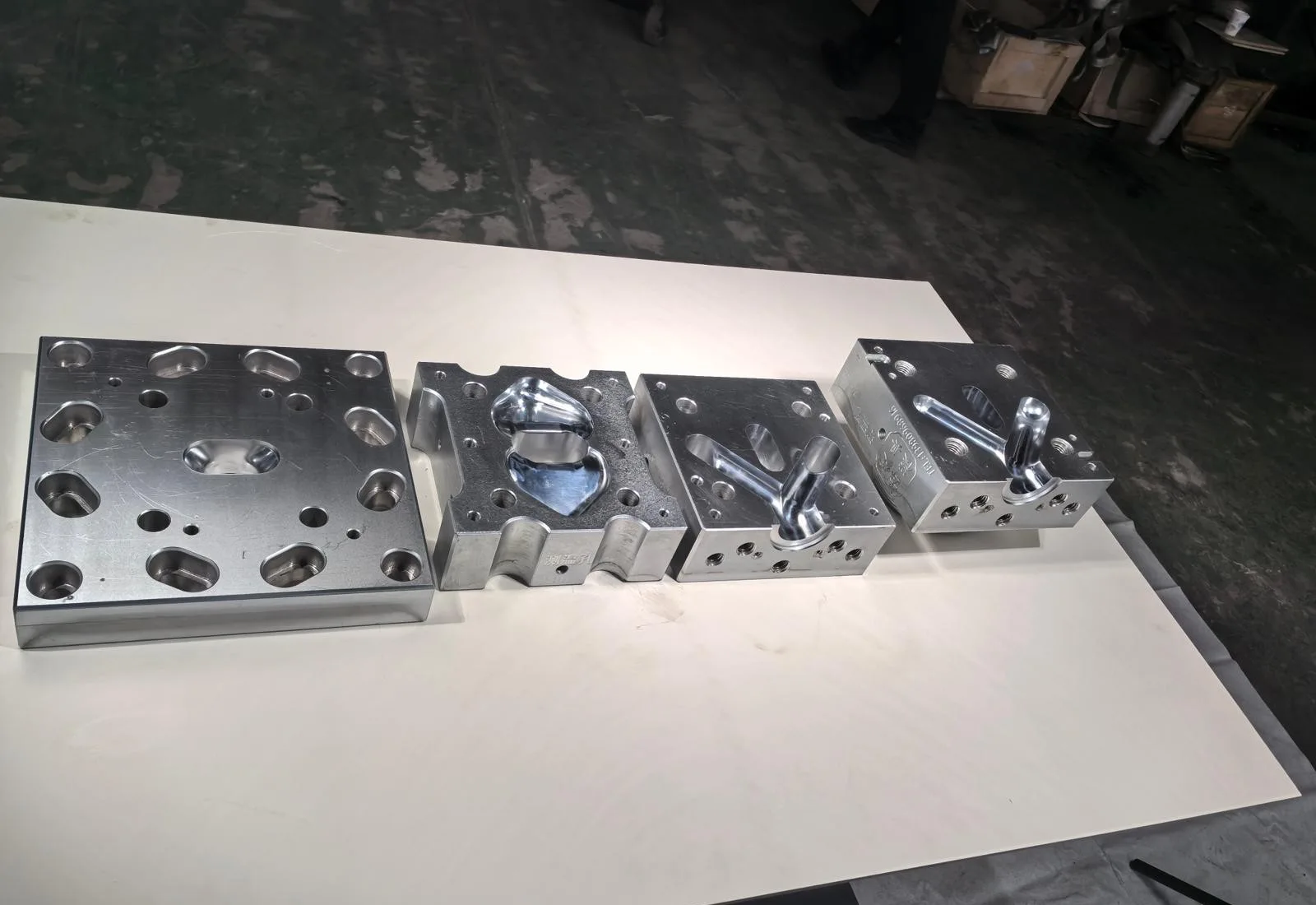
- Co-Extrusion Die: A flat die is engineered for three-layer flow. The molten materials from the extruders converge in the die so that the outer PVC skins encapsulate the core. The die ensures precise layer thicknesses and a uniform width (often 1220–3050 mm) for the sheet. A distributor (flow channel) inside the die manifold helps equalize flow and maintain constant thickness.
- Calibration/ Cooling: Directly after the die, the hot sheet passes through a calibration table and cooling system. Heated rollers or a vacuum calibration box bring the sheet to final thickness and flatness, while water-cooled rollers and fans cool the board evenly. This step is critical to fix dimensions and surface finish. The cooled sheet is pulled by a haul-off unit.
- Haul-Off and Cutting: An adjustable haul-off (belt or roller pulls) maintains constant line speed. Edge trimming or slitting units remove rough edges. Finally, length cutters or saws cut boards to length (e.g. 2440 mm). Finished sheets are lifted onto pallets or skids by automatic stackers.
Quality control is implemented at each stage. Raw PVC resin and additives are tested on arrival. In-process monitoring (thickness gauges, infrared cameras) ensures uniform sheet thickness and surface quality. After production, boards are sampled for dimensional accuracy, surface defects, mechanical tests, and flame-retardant certification if required. Reputable manufacturers (and by extension, distributors) maintain ISO-certified production lines and full inspection protocols. This ensures distributors receive consistent, specification-grade boards.
Benefits for Distributors and Buyers
Distributors and buyers of ABA PVC foam board gain several advantages:
- Simplified Logistics: The boards are flat, stackable panels (often 4’×8’, 5’×10’, or metric equivalents) that optimize container loading. The low weight (due to foamed core) means distributors can ship larger areas per load at reduced freight cost. Boards are usually bundled on pallets or in crates. Protective PE film is applied on the surface to prevent scratches, and units are strapped or shrink-wrapped for protection. This packaging keeps the panels clean and intact during transit.
- Long Shelf Life: PVC is chemically stable and inert. Properly packed boards (in a dry, shaded environment) have essentially indefinite shelf life. They do not warp, mildew, or off-gas significantly over time. Distributors appreciate that inventory can be held without fast turnover, and customers receive fresh material in ready-to-use condition.
- Customization and Flexibility: Distributors can offer a wide range of sizes, thicknesses, colors, and finishes to end-users. Many manufacturers (and board producers) provide cut-to-size service and custom color matching. For example, colored skins or dual-color cores are possible, enabling decorative or high-contrast panel edges. Boards are available in gloss or matte finishes. Custom lamination (PVC film, decorative overlays) is often offered on request. This flexibility lets distributors supply tailored solutions for cabinetry, signage, and niche applications.
- Order Quantity Options: Stock programs allow moderate MOQs for standard boards, while bulk orders yield volume discounts. For instance, a typical stock board MOQ might be on the order of 100 sheets. Custom-color or laminated boards usually require higher minimums (Boardway notes ~10 tons for a custom color batch). Lead times vary accordingly: stocked items can ship in ~7–10 days, whereas custom runs take longer (15–25 days or more). Clear communication of MOQs and timing helps distributors plan inventory. Many suppliers also provide sample panels or cut-offs so buyers can verify quality before bulk purchase.
- Reduced Damage Risk: Thanks to the rigid PVC skins and integrated foam core, panels resist handling damage. The closed-cell core does not trap moisture or get dented easily. When properly packaged (corner protectors, film, strapping), the risk of transit damage is low. This reliability reduces returns and waste for distributors.
- One-Stop Sourcing: A distributor can often supply related products (cutting tools, adhesives, edge banding) along with the panels. The durability and easy fabrication of PVC boards mean accessory sales (router bits, solvents, etc.) can be bundled. Additionally, since PVC foam boards come ready to use (no painting needed), distributors can market them as drop-in replacements for wood or laminate panels, broadening the sales pitch.
Choosing a Reliable ABA PVC Foam Board Distributor
When selecting a distributor or manufacturer for ABA PVC foam boards, consider these factors:
- Certifications and Quality Standards: Verify that the product meets recognized standards. Look for boards certified to ISO 17226 (PVC board quality management) and conforming to RoHS/REACH chemical safety regulations. Fire safety ratings are important: Class B1 (self-extinguishing) is common, and Class A is available for flame-retardant grades. Ask for test certificates (e.g. ASTM E84 smoke/fire tests, UL94 ratings). Quality distributors will gladly provide documentation.
- Technical Support: A knowledgeable distributor can advise on product selection and usage. They should provide datasheets (density, mechanical values, etc.) and sample cuttings. Check if they offer free samples or small test orders. Good distributors may also offer cutting-to-size services, custom matching, or design assistance. After-sales support (troubleshooting, replacement for any defects) indicates confidence in quality.
- Lead Times and Logistics: Confirm expected lead times and shipping options. Reliable distributors maintain sufficient stock of standard sizes, enabling quick shipments. For custom orders, they should clearly state factory lead times (e.g. 2–4 weeks) so you can plan. Ask about shipping packaging – reputable firms use film/pallets/strapping to ensure safe delivery.
- Sample Inspection and Testing: Before large orders, inspect sample boards. Verify core density, surface finish, flatness, and any protective film. Measure properties if needed (thickness, hardness). Check that the outer skins are well-adhered (no delamination). Testing a small batch (cut, sand, weld) can reveal if the product meets your performance needs (e.g. rigidness for your application).
- Company Track Record: Choose a distributor with a stable presence. Look for years in business, good customer reviews, and references. A distributor that also manufactures or has direct factory connections can often ensure better quality control. Warranty policies are a plus (some producers offer 1-year warranties on boards or production lines, but for boards, ask if any defects are covered). A strong sales network and global shipping capability are indicators they can serve international markets efficiently.
- Price vs. Value: Finally, balance cost with quality. Low prices on thin or high-density boards can be enticing, but verify material type and flammability ratings. Insist on certified virgin PVC (not substandard recycled content) to avoid hidden performance issues. A reputable distributor will provide an itemized quote and explain any trade-offs (e.g. “Economy” vs. “Premium” grades).
By carefully vetting these aspects – quality, certification, service, and logistics – buyers can ensure they partner with a distributor who supplies consistent, specification-grade ABA PVC foam board.
Products
Applications and End-Products
ABA PVC co-extruded foam boards are used across many industries. Their combination of a smooth hard surface and lightweight core makes them ideal for:
- Advertising, Signage, and Displays: The glossy rigid surface allows high-resolution printing and vinyl lamination. The lightweight panels simplify transport for trade shows and retail displays. Common uses include point-of-sale signs, backlit panels, outdoor kiosks (short-term), and POP displays. The dual-color core options also enable creative panel effects.
- Furniture and Cabinetry: These boards are extensively used for kitchen cabinets, closet doors, shelving, and furniture panels. The hard skin eliminates the need for laminate or paint, speeding up assembly. The foam core keeps the furniture light. High-density grades serve as drawer fronts, countertops, or structural parts where more strength is needed.
- Interior Decoration and Partitions: Co-extruded panels are applied as wall cladding, ceiling tiles, room dividers, and decorative wall panels. They can replicate wood grain, embossed patterns, or solid colors. Their moisture resistance is valuable in bathrooms and kitchens. Fire-retardant grades make them suitable for office partitions and hotel interiors.
- Construction Components: In building projects, PVC foam boards replace plywood or gypsum in non-structural roles. They are used for concrete formwork panels, door/window panels, soffit linings, and drop ceilings. The material does not rot or warp, making it advantageous in humid or outdoor sub-environments.
- Transportation Interiors: The lightweight yet rigid nature is exploited in vehicle retrofit. Co-extruded PVC panels line walls, ceilings, and floors of buses, RVs, boats, and trucks. They improve fuel efficiency by weight reduction, and their flame-retardant, waterproof properties meet safety standards for public transport. OEMs and converters use them for cabinetry and paneling in RVs and caravans.
- Specialty Uses: Other applications include exhibition and stage platforms, sound-proofing panels, and industrial signage. Essentially, any application needing a smooth, durable panel can adopt co-extruded PVC foam. Its machinability and surface allow integration with CNC routing, adhesive bonding, or mechanical fastening for complex assemblies.
Applications
Gallery
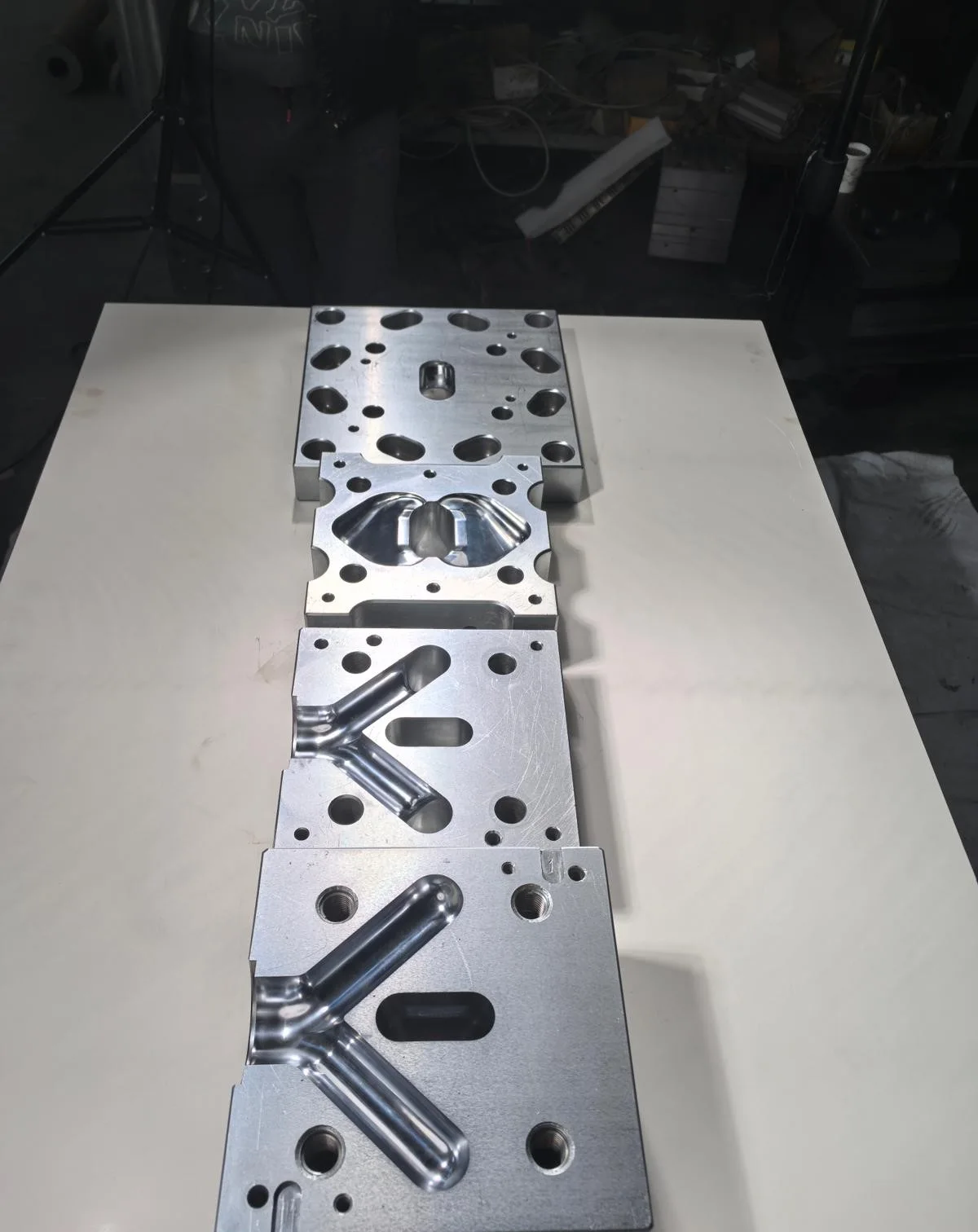
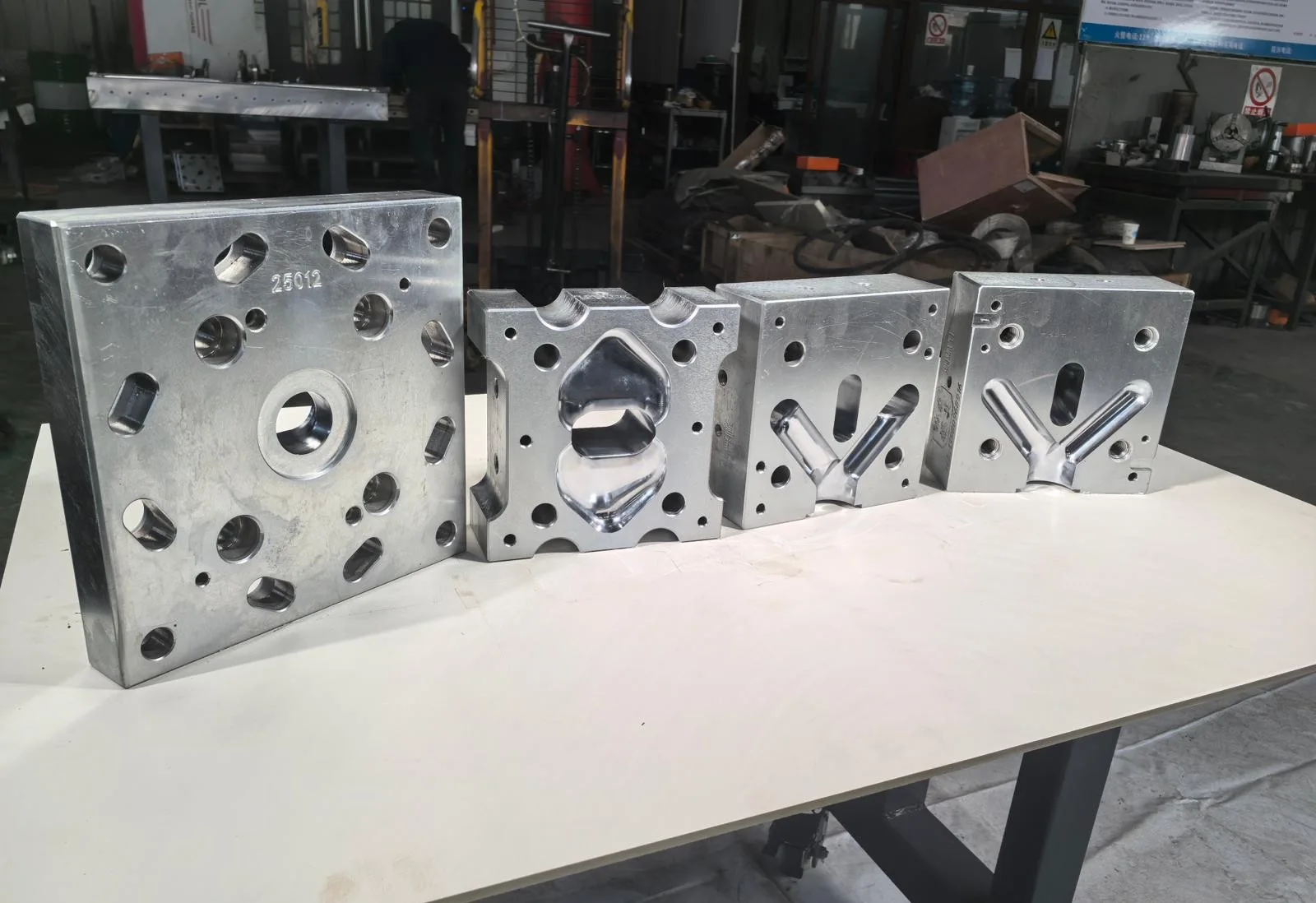
Main Features
| Grade | Thickness (mm) | Density (g/cm³) | Tensile Strength (MPa) | Flexural Strength (MPa) | Surface Finish | Typical Uses |
| Standard Co-Extruded | 3–20 | 0.45–0.60 | unspecified | unspecified | Smooth (glossy/matte) | Signage panels, decorative wall panels, furniture |
| High-Density Co-Extruded | 3–20 | 0.60–0.90 | unspecified | unspecified | Smooth (glossy/matte) | Heavy-duty cabinetry, partitions, technical fixtures |
| Fire-Retardant Grade | 3–20 | 0.45–0.90 | unspecified | unspecified | Smooth (glossy/matte) | Public buildings, transit interiors, safety-critical cladding |
Related products
-
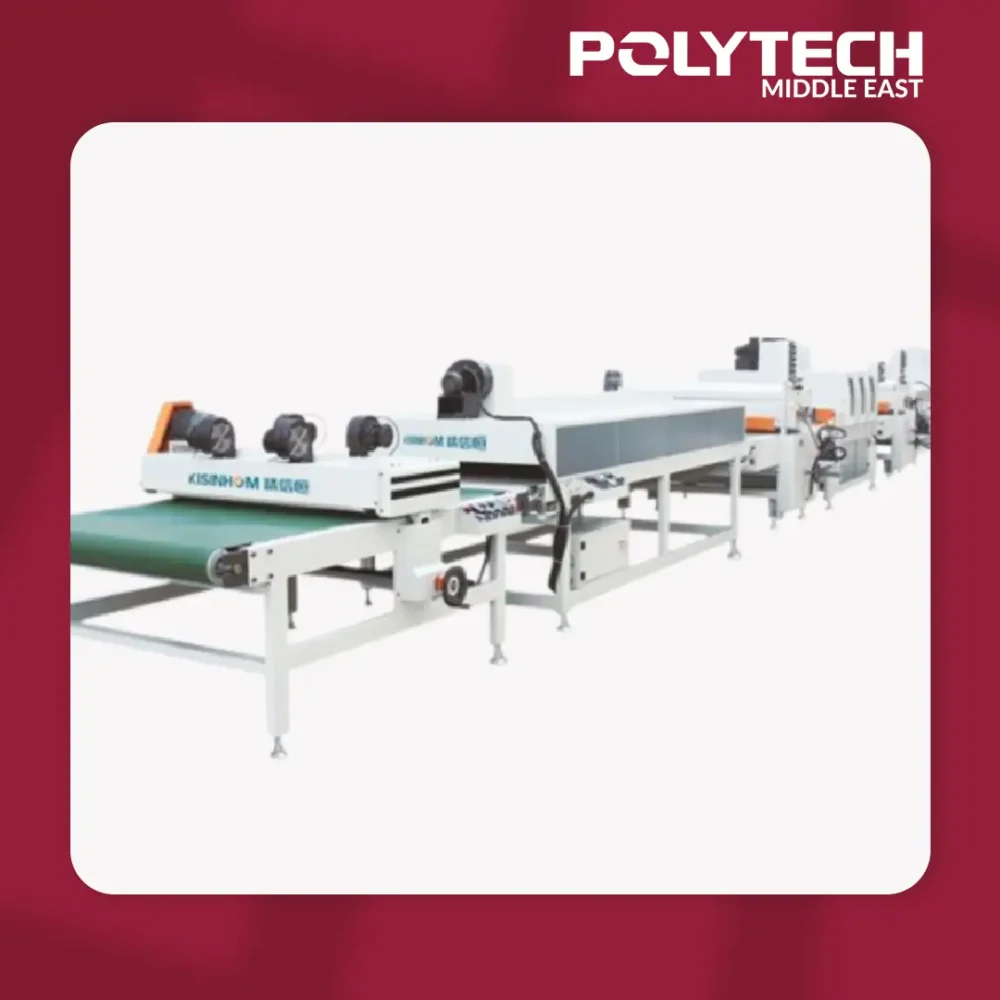 Machines and Spare Parts
UV Coating Machine for Flooring
-
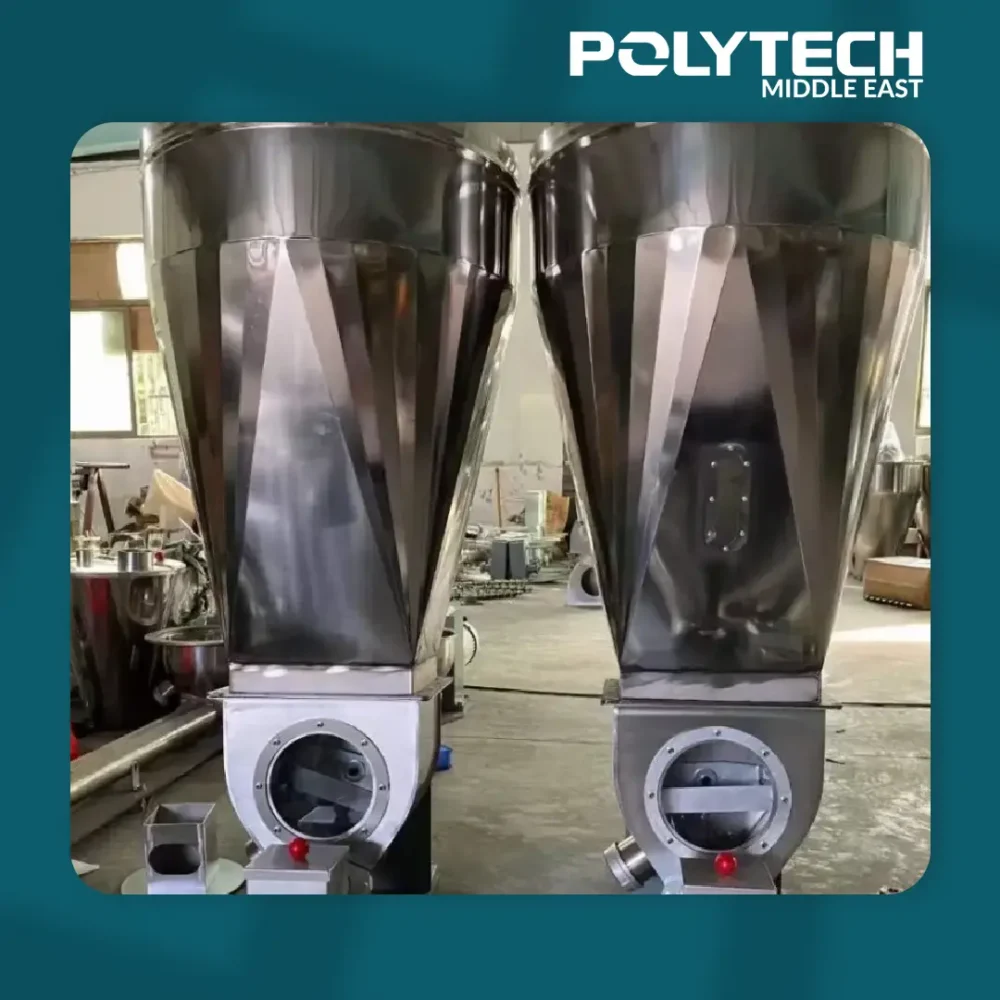 Machines and Spare Parts
Twin Screw Feeder
-
 Machines and Spare Parts
55/120 Conical Twin Screw Barrel
-
 Machines and Spare Parts
115/230 Conical Twin-Screw Barrel