


WPC Foam Hollow Door Extrusion Line
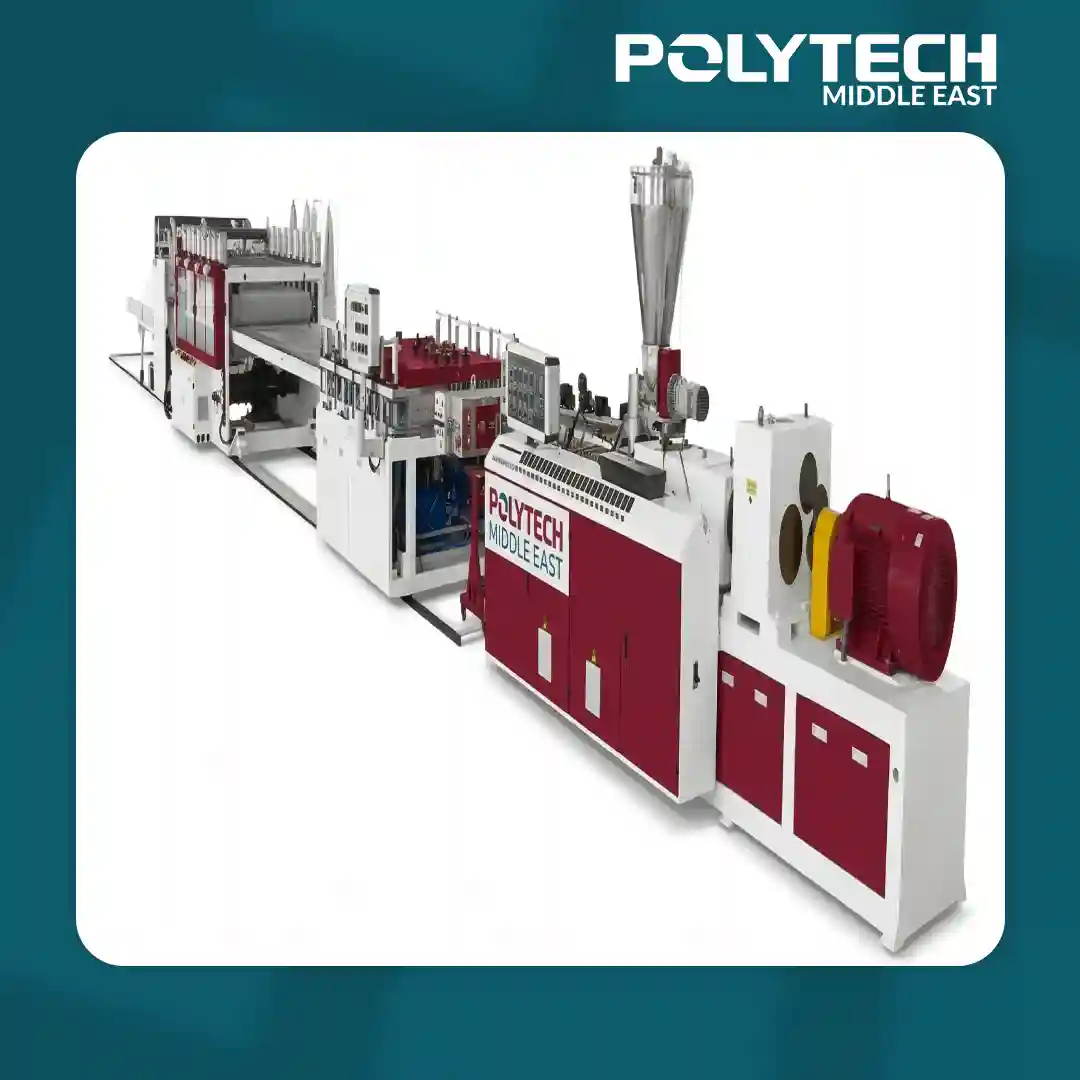
WPC Foam Hollow Door Extrusion Line
Discover our WPC foam hollow door extension line: advanced production of wood-plastic composite hollow door panels. Learn about raw materials, process stages, equipment, and technical specifications. Highlights durability, water resistance, light weight, thermal/acoustic insulation, and eco-friendly design – ideal for residential and commercial interior doors.
Category -> Full Extrusion Lines
Description
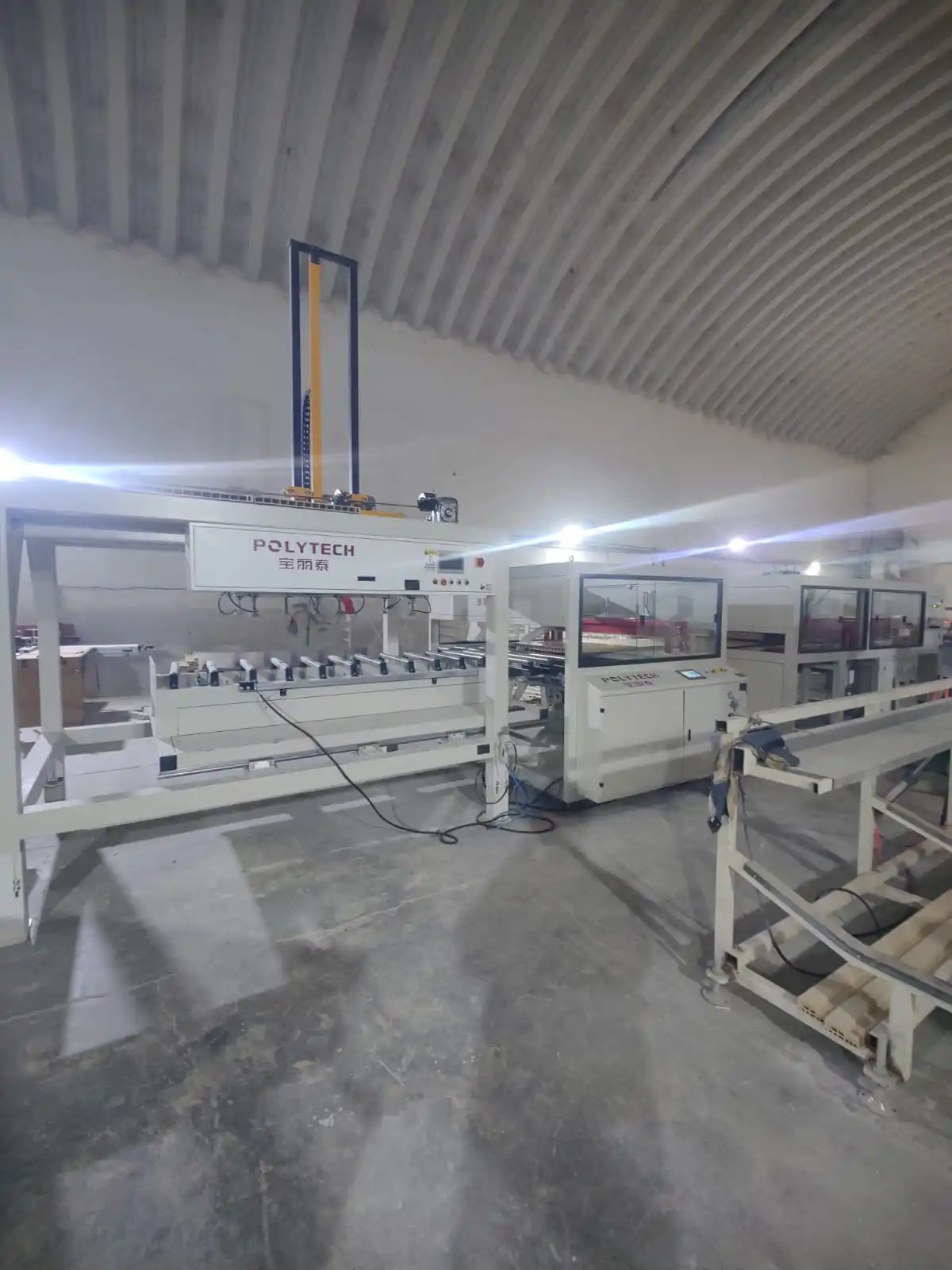
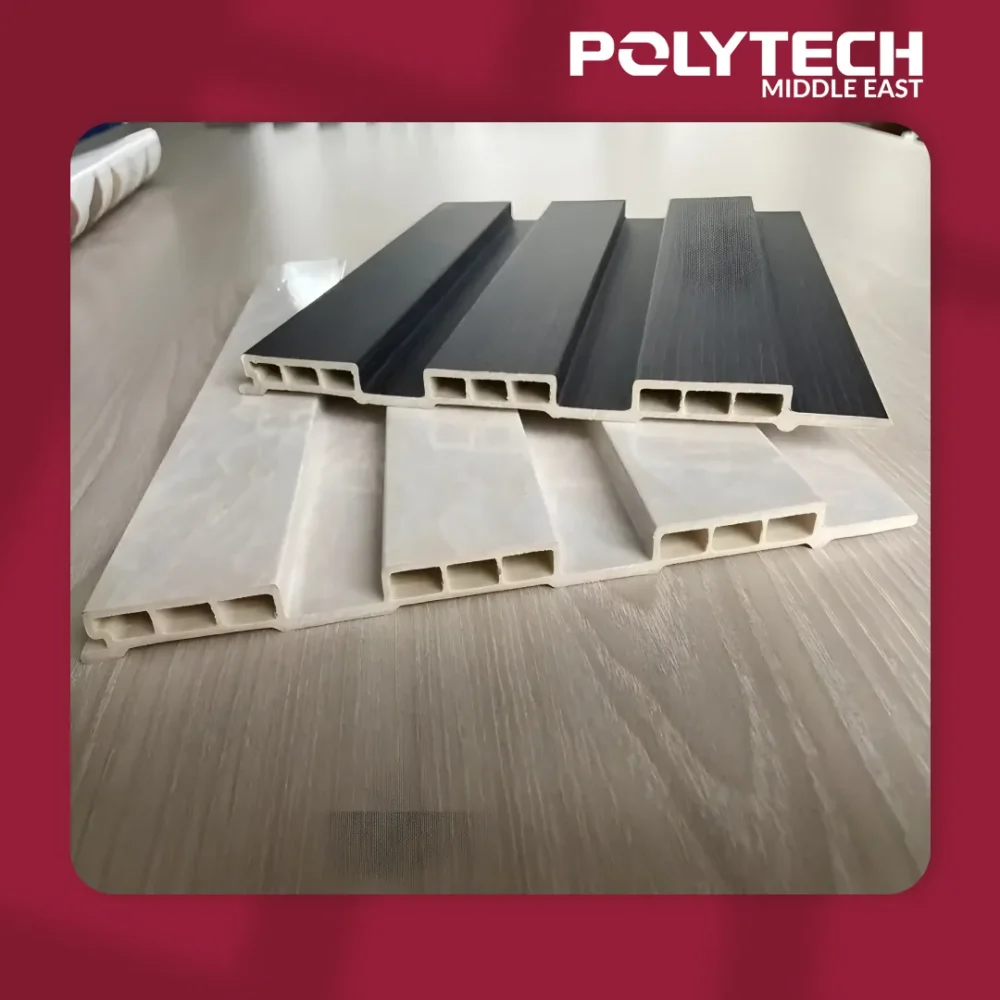
The WPC foam hollow door extension line is a specialized extrusion production system for manufacturing composite hollow door panels. It processes a blend of PVC resin and wood fiber (WPC – Wood-Plastic Composite) with added foaming agent and other additives into a continuous panel that is later cut to door sizes. The result is a lightweight, rigid panel with a closed-cell (foamed) core. The finished panels mimic the look and feel of solid wood but are more durable and moisture-resistant. The line is fully automated and includes components such as a twin-screw extruder, forming die, vacuum calibrator (shaping table), haul-off (tractor) belts, and a cutting saw. Typical board widths range from about 600–1000 mm (common door panel sizes) and thicknesses around 35–40 mm.
Materials and Composition
The raw materials for a WPC foam hollow door line include PVC resin (or other thermoplastics), high-quality wood flour or plant fiber, and various additives. A chemical foaming agent is key: it generates micro-cellular bubbles within the molten polymer to create the foam core. Other additives (stabilizers, lubricants, and fillers) are mixed to improve melt processing and final properties. The wood content gives the panel a natural grain texture, while the PVC binder provides rigidity and water-resistance. Modern formulations are eco-friendly: they contain no formaldehyde or other toxic gases, meeting strict environmental standards. The blend is thoroughly dried and pre-mixed before feeding into the extruder to ensure a uniform composition.
Production Process and Equipment
The production sequence follows standard plastic extrusion stages, adapted for hollow foamed panels. First, the PVC/wood blend is fed into the hopper of a twin-screw extruder. Most WPC door lines use a counter-rotating conical twin-screw extruder, which handles the high filler content and forces the material forward with intensive mixing. Inside the heated barrel, the material melts and mixes under pressure. Near the end of the extruder, a controlled amount of foaming agent (often a chemical blowing agent) is injected into the melt.
- Extrusion through the die: The molten WPC is forced through a specially designed hollow door panel die. The die shapes the cross-section with internal cavities and the final door panel outline. The die head (flange, mandrel, etc.) is robust to withstand high pressure.
- Vacuum calibration and cooling: As the hot extrudate exits the die, it enters a vacuum calibration tank or shaping table. Water flows through the vacuum tank’s channels, and vacuum suction pulls the panel firmly against the mold walls. This precisely fixes the dimensions and surface finish. A special eddy-current cooling system and water bath rapidly cool and solidify the panel.
- Haul-off (puller): A set of synchronized puller belts (tractor) grips the cooled panel and continuously draws it out of the cooling tank at a steady speed. The haul-off maintains tension to prevent sagging or distortion. Bogda’s design uses a high-traction, stable tractor system to synchronize pulling and cutting.
- Cutting: After haul-off, an automated saw or cutter trims the continuous panel into door-length pieces. The cutting unit runs in sync with the puller speed and is often equipped with a dust recovery system for cleanliness.
- Stacking/finishing: The cut panels are collected and stacked. Further downstream, panels can be processed by lamination, UV coating or printing to add decorative finishes. (Note: surface finishing is optional and typically follows the extrusion line in a separate laminating step.)
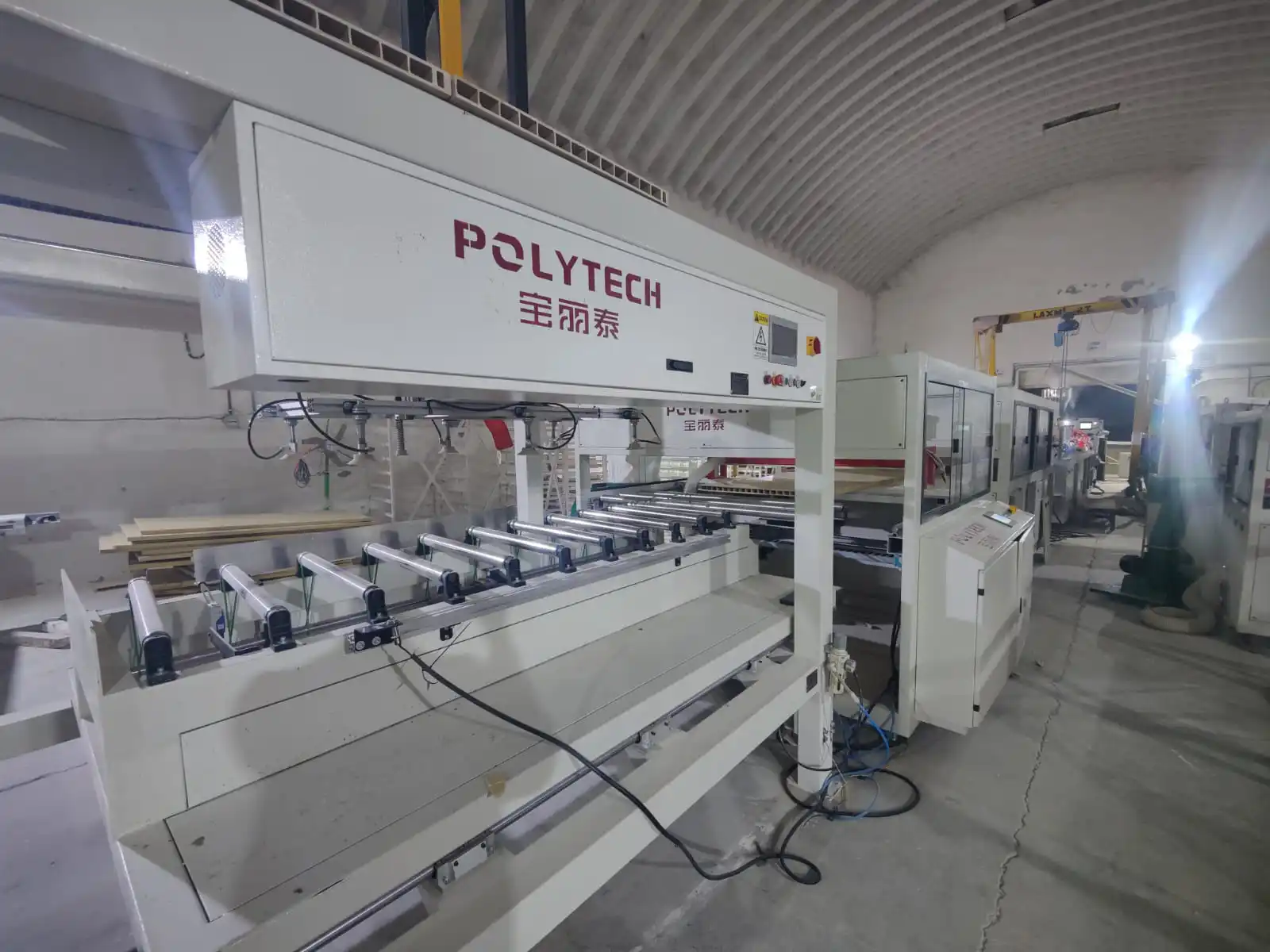
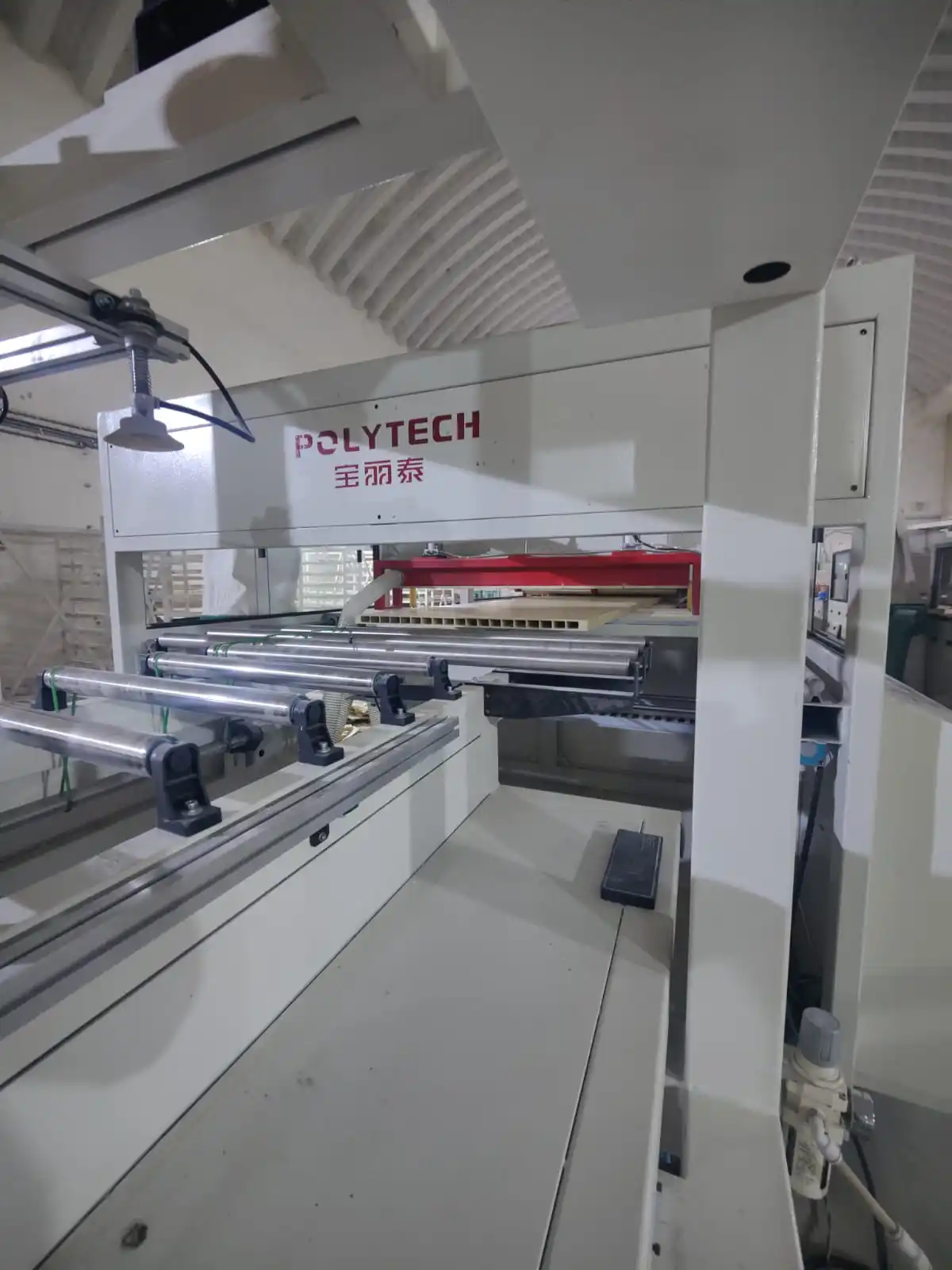
The main equipment of the line therefore includes: a feeding/mixing system, twin-screw extruder, hollow die head, vacuum calibrator and water tank, puller (tractor), high-speed cutting saw, and stacker. The machinery is computer-controlled for consistent output, and can run continuously for large production volumes. As an example, Bogda’s SJSZ80/156 line (80/156 mm screw diameters) has an output of ~150–350 kg/h and can produce panels up to 1250 mm wide.
Advantages and Benefits
Foamed WPC doors offer several advantages over traditional wood or solid PVC doors:
- Durability: The composite core resists warping, cracking, or swelling. It is termite-proof, corrosion-resistant, and not prone to mold or mildew.
- Waterproof and Moisture-Resistant: Thanks to its polymer matrix, a WPC foam door panel is completely waterproof. It maintains strength and dimension even in humid conditions (e.g. bathrooms, kitchens) where wood doors fail.
- Lightweight: The foamed, hollow structure greatly reduces weight compared to solid wood doors. This makes panels easier to handle, install, and transport.
- Thermal and Acoustic Insulation: The uniform closed-cell core provides good insulation. WPC doors help block heat transfer and sound, improving energy efficiency and privacy. Users note significant noise reduction and stable interior temperatures.
- Eco-Friendly: The door panels use renewable wood fiber and are often made from recycled PVC. They contain no harmful emissions (no formaldehyde). They are recyclable and do not deplete natural timber. Overall they qualify as a “green” building material.
- Fire and Safety (Optional): With appropriate fire-retardant additives, WPC doors can achieve fire safety ratings. The composite does not easily splinter, and some formulations self-extinguish when exposed to flame.
These advantages translate to low maintenance and long service life. The surface is non-porous and easy to clean (no repainting needed). The extrusion process yields a smooth, uniform panel that can be decorated with laminates or paints for any interior style.
Products
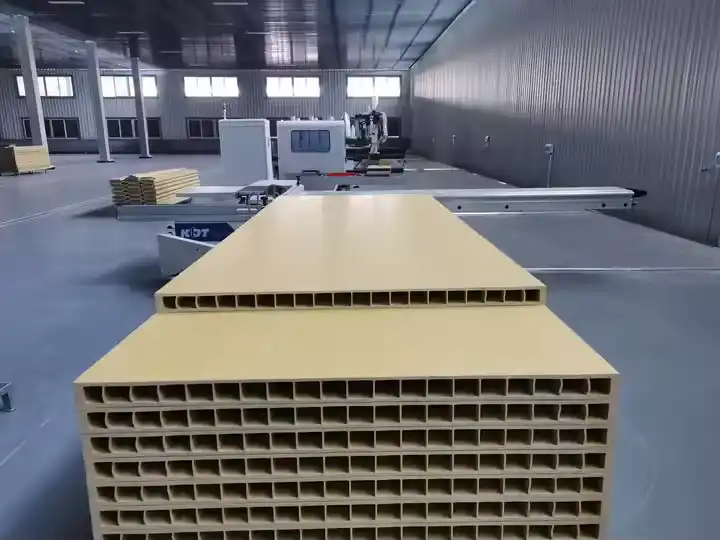
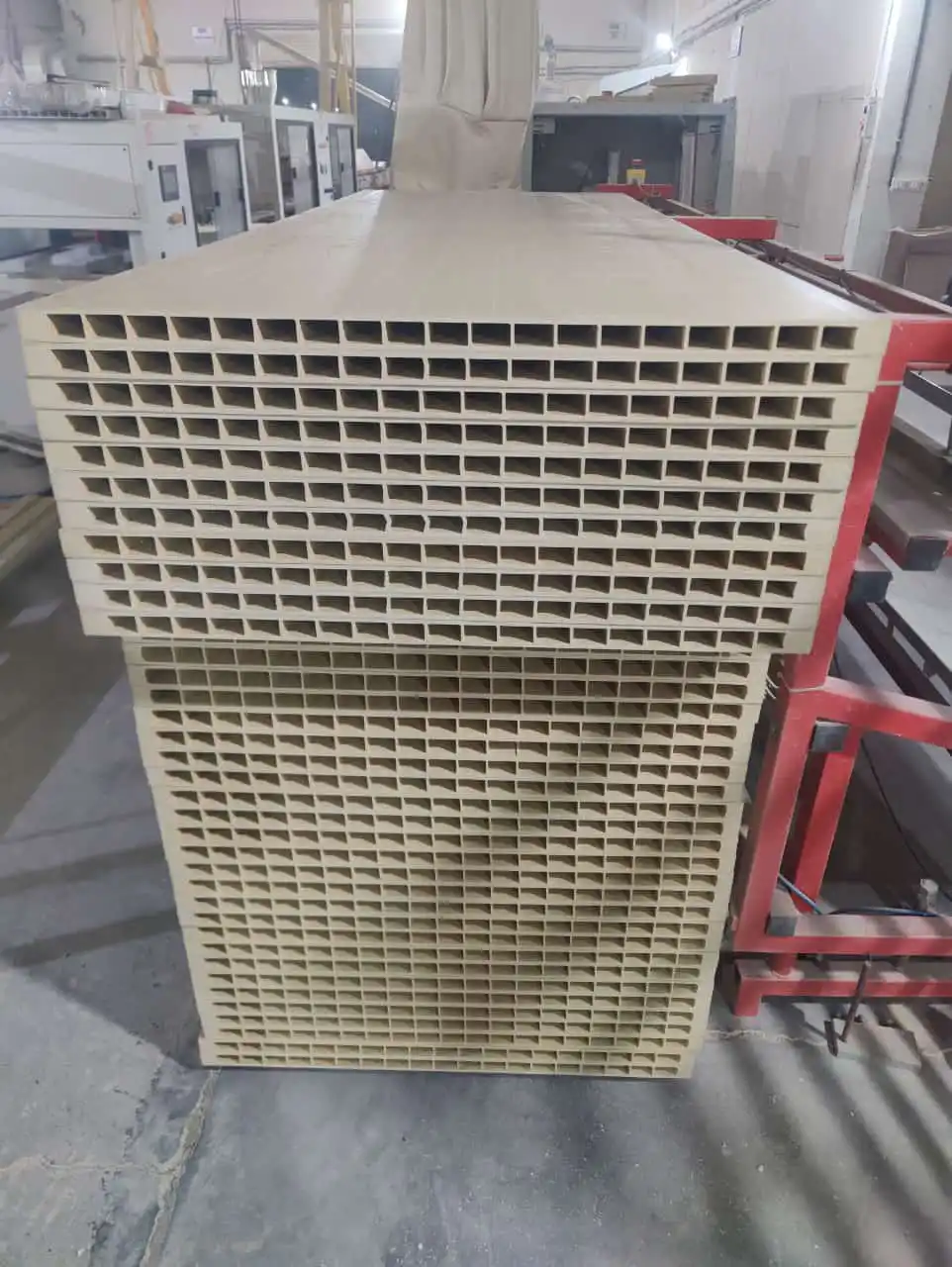
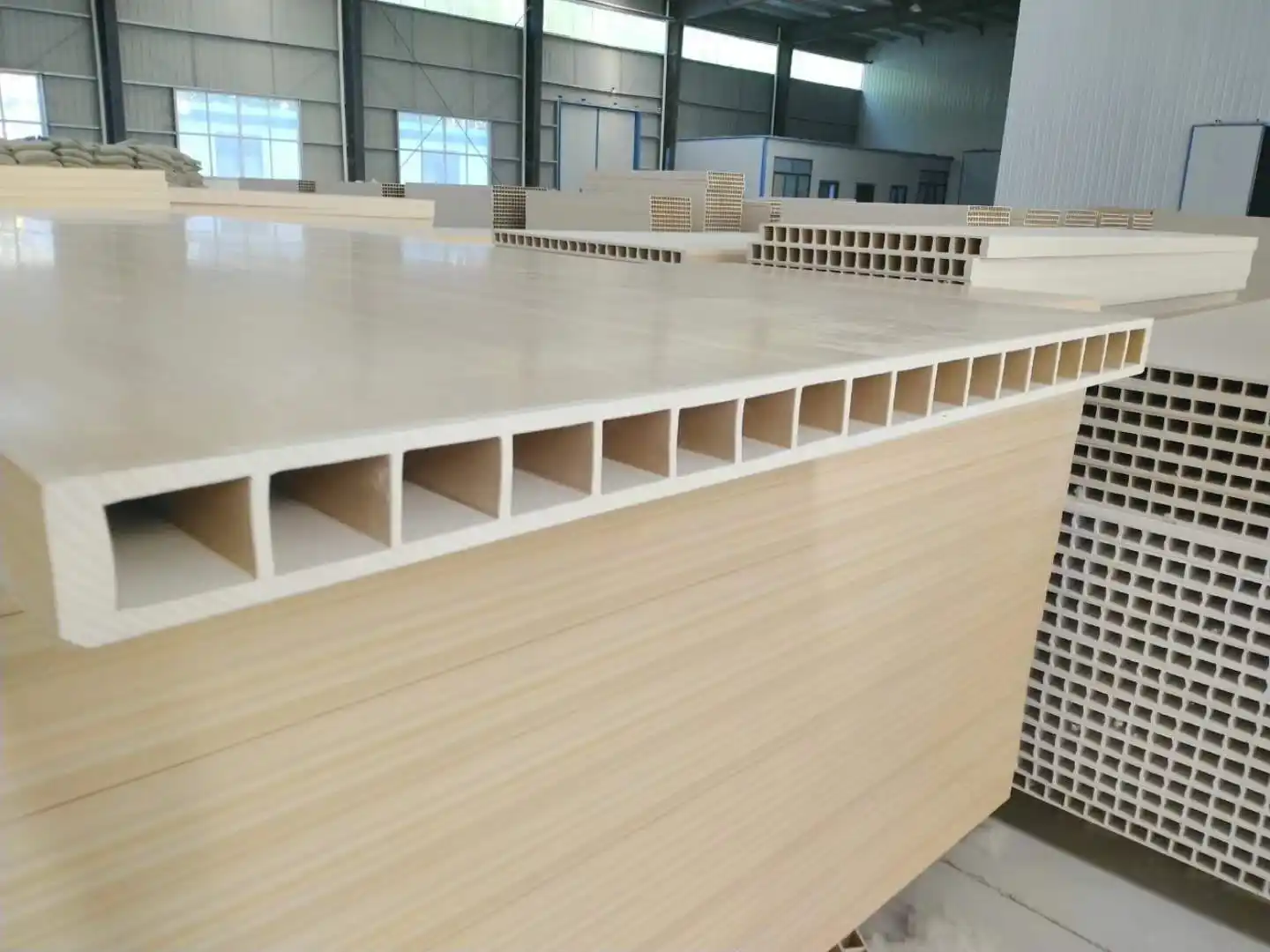
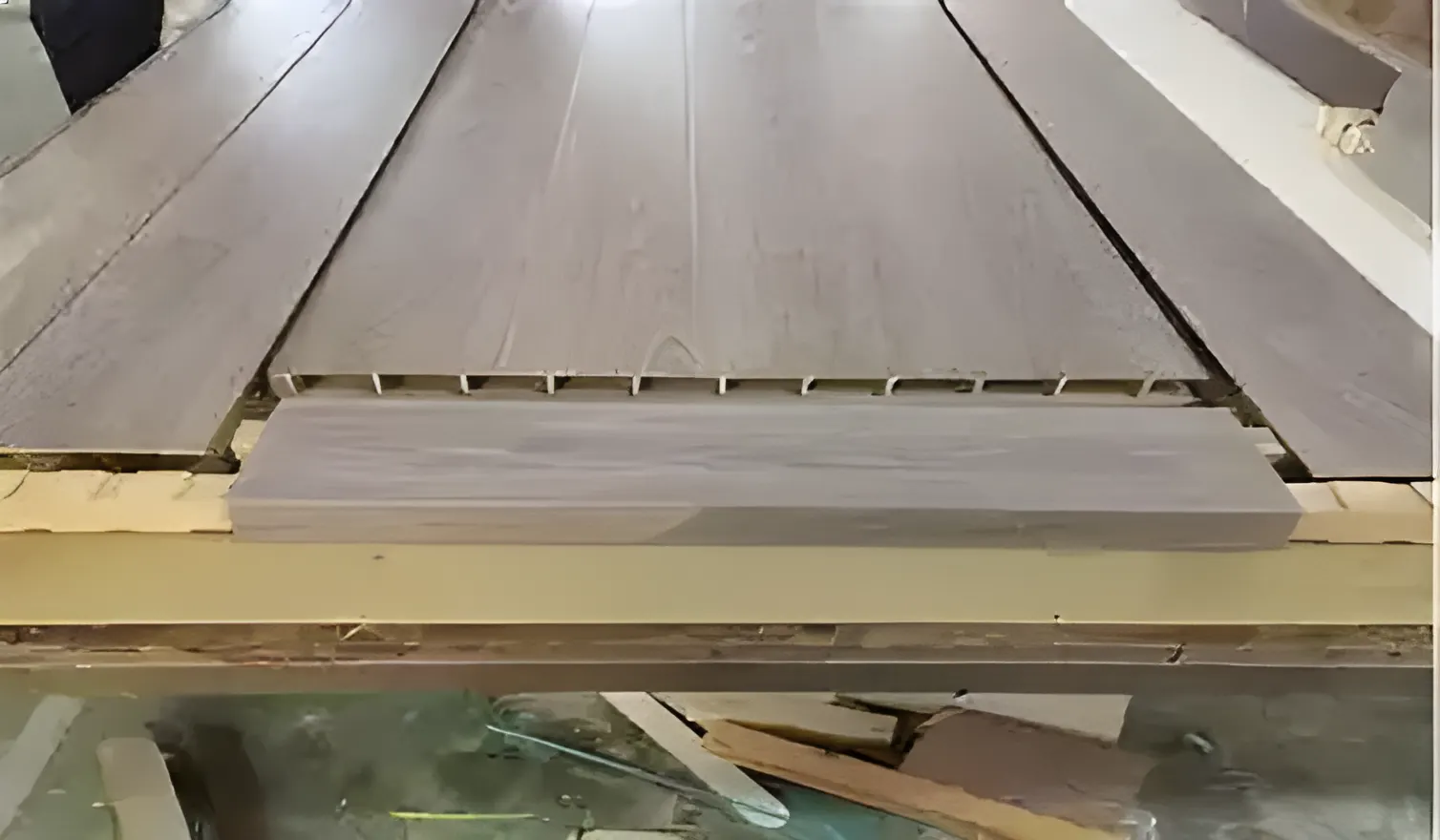
WPC foam hollow door panels are widely used as interior doors in residential and commercial buildings. Common applications include:
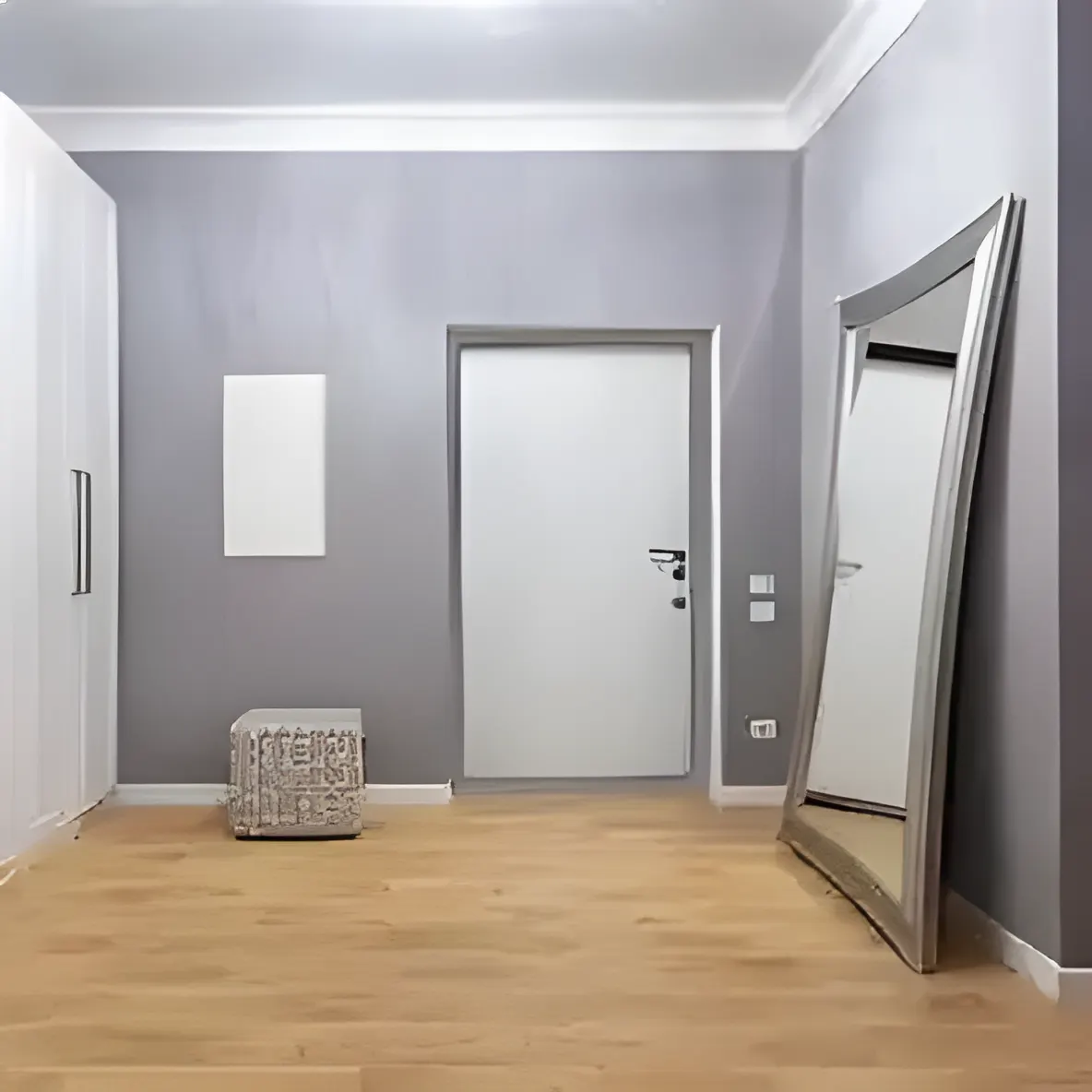
- Residential interiors: bedroom doors, bathroom doors, kitchen doors, closets. Their moisture resistance suits wet areas (bathrooms, laundries) without warping.
- Commercial interiors: office doors, hotel room doors, hospital and school doors. The acoustic insulation is valued in offices and hotels, and durability is essential in high-traffic areas.
- Other uses: Storage or utility door panels, paneling, or modular construction elements.
Because they are manufactured in standard sizes (e.g. 800×2100 mm) and can be cut on-site, WPC hollow panels install like regular door slabs. Their light weight and integrated hollow-core means they often use simple frame systems and quick-install locks (bayonet fittings without nails or glue). In summary, a WPC foam hollow door extension line enables efficient mass production of high-quality, low-cost composite doors. The resulting doors combine the look and feel of wood with the performance of modern polymer composites: durable, waterproof, insulating, and environmentally responsible.
Applications


Gallery
Main Features
| Item | Specification |
|---|---|
| Product Name | WPC Foam Hollow Door Panels |
| Material | PVC + Wood Fiber (WPC) + Additives |
| Structure | Closed-cell Foam Hollow Core |
| Thickness | 35 – 40 mm |
| Standard Width | 600 – 1000 mm |
| Standard Length | Up to 2100 mm (customizable) |
| Density | Lightweight |
| Water Resistance | 100% Waterproof |
| Insulation | Excellent Thermal & Acoustic Insulation |
| Pest Resistance | Termite-proof |
| Surface Finish | Laminating, Painting, Printing |
| Application | Residential & Commercial Interior Doors |
| Eco-Friendly | Formaldehyde-free, Recyclable |
Related products
-
 Full Extrusion Lines
PET Sheet Production Line
-
 Full Extrusion Lines
SPC Flooring Extrusion Line
-
 Full Extrusion Lines
LVT flooring production line
-
 Full Extrusion Lines
WPC/SPC Wall Panel Production Line