


Biodegradable sheet production line
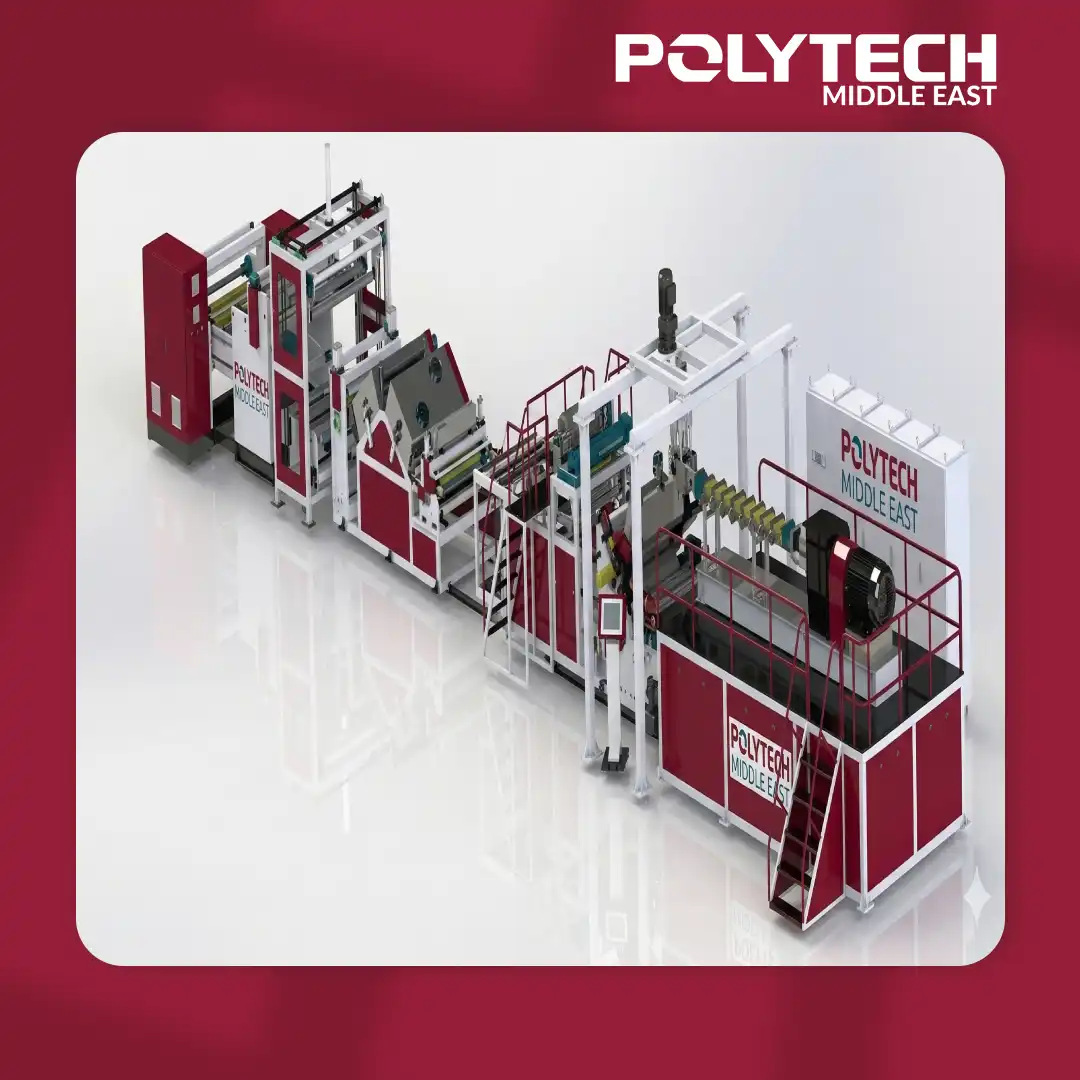
Biodegradable sheet production line
Our Biodegradable Sheet Production Line produces PLA and starch-based eco-friendly sheets for sustainable packaging. High output, fully compostable solution.
Category -> Full Extrusion Lines
Description
Introduction to Biodegradable Sheets and Environmental Value
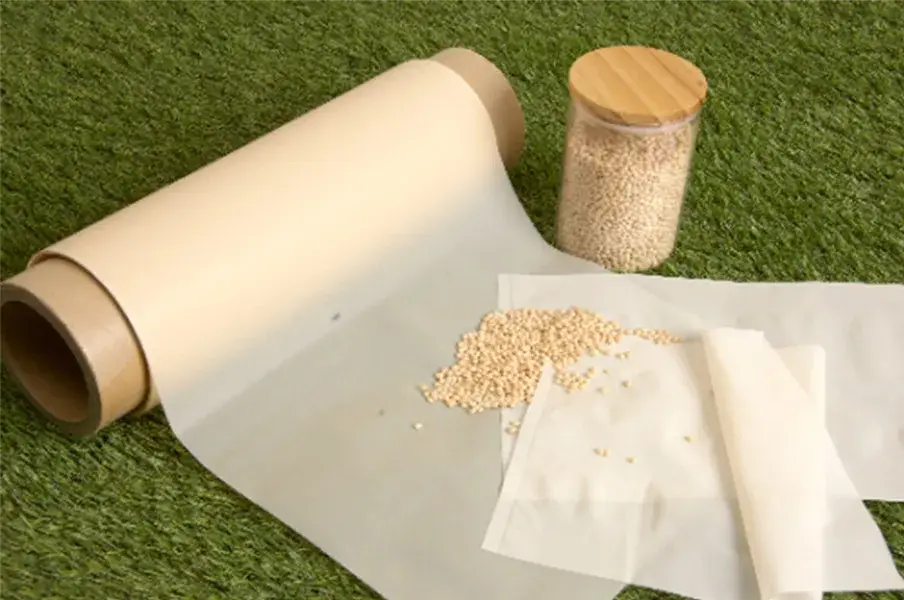
Biodegradable sheets are plastic-like films made from plant-based polymers that decompose naturally. For example, PLA (polylactic acid) is a common raw material – it’s made from renewable starches (like corn or cassava) and can be fully broken down by microbes into water and carbon dioxide. Unlike traditional plastics that last for centuries, effective biodegradable plastics can break down in a few months under the right conditions. This means used products (like packaging or disposable items) won’t accumulate as long-lasting waste. By returning to benign substances or even nutrient-rich compost, biodegradable sheets help cut landfill and ocean pollution, lowering the overall environmental footprint. As consumer and industry demand grows for greener packaging, these eco-friendly sheet materials are gaining popularity.
How the Production Line Works
A biodegradable sheet production line is an industrial extrusion system that turns biodegradable polymer pellets or powder into continuous flat sheets. The line typically starts with a twin-screw or single-screw extruder, which melts and mixes the raw material. From there, the molten plastic is forced through a T-die to form a thin sheet. A three-roll calender (roller stack) then squeezes and shapes the sheet to the desired thickness. The sheet passes through cooling systems (like a water-cooled chill roll or air cooling) to harden, and is pulled by a haul-off unit before being wound into rolls by a winder. (Optional equipment – such as material mixers, vacuum pumps or coating ovens – can be added to adapt the line for specialized processes.)
Key steps in the process include:
- Extrusion: Raw biodegradable resin (e.g. PLA pellets or starch compound) is fed into the extruder, where heat and mixing convert it into a homogeneous melt.
- Filtration and Pump: A screen changer removes contaminants, and a melt pump ensures steady flow into the die.
- Sheet Forming: The melt flows through a flat die and is drawn between rollers (calender) to form a sheet of uniform thickness.
- Cooling and Haul-Off: The sheet is cooled and solidified, then pulled forward at a controlled rate.
- Winding: Finally, the cooled sheet is wound onto rolls for storage or shipment.
These machines are often integrated and automated (using PLC controls) so that temperature, speed, and tension are monitored continuously for consistent quality.
Materials and Compatibility
Modern biodegradable sheet lines are designed to handle a range of compostable plastics and biopolymers. The primary material is PLA (polylactic acid) – a biodegradable polyester made from fermented plant starch. PLA offers good clarity and strength, and it fully degrades under industrial composting conditions. Lines can also process starch-based compounds (thermoplastic starch) or modified PLA blends that mix plant starch with PLA for enhanced compostability. Some advanced systems even accommodate other biodegradable polymers like PBAT or PBS (bio-based polyesters) or PHA (polyhydroxyalkanoates), which are also compostable. In practice, raw materials are usually in pellet form; they may be pre-compounded with natural fibers or additives before extrusion.
Major materials include:
- PLA (Polylactic Acid): A plant-based plastic derived from corn or cassava starch. Fully biodegradable and widely used for sheet production.
- Starch-based Polymers: Bioplastic blends that include corn or potato starch. These are also biodegradable and can be molded into sheets.
- Other Bioplastics: Many lines can handle compostable co-polymers like PBAT or PBS (often blended with PLA) to achieve desired strength or processing properties.
Each line is tuned (screw design, barrel heating, vacuum) to optimize melting and mixing for these sensitive bio-polymers, ensuring uniform output.
Technical Highlights
This production line combines advanced engineering for efficiency, automation, and quality. Key features include:
- Automated PLC Control: A programmable logic controller manages heaters, motors and sensors. Real-time parameter setting, data logging and alarms ensure smooth operation and consistent sheet quality.
- Co-extrusion Capability: Many lines use multiple extruders for co-extrusion or multi-layer sheets. This allows composite sheets (e.g. a layered PLA/starch sheet) to be produced in one step.
- High Output & Energy Efficiency: The line is engineered for high throughput (often several hundred kg/hour or more) while keeping energy use low. Some systems achieve ~30–40% energy savings compared to earlier models.
- Vacuum Degassing: Integrated vacuum vents remove moisture and gases from the melt, preventing bubbles and ensuring a uniform sheet.
- Precision Temperature Control: Closed-loop heaters and coolers tightly regulate barrel and roller temperatures, producing consistent sheet thickness and properties.
- Customizable Specs: The machinery can be adjusted for different sheet widths, thicknesses and colors. For example, lines are available for board widths from ~500 mm up to several meters, and thicknesses from fractions of a millimeter to a few millimeters. This flexibility lets manufacturers tailor the line to specific market needs.
Altogether, these features make the line reliable, easy to operate, and adaptable to various production requirements. Optional additions (like mixers, texture rollers or dual-surface coating units) can further customize the line for specialized products.
Sustainability Benefits
Switching to biodegradable sheet production has clear environmental payoffs:
- Renewable Raw Materials: Sheets are made from plant-based polymers (corn, cassava starch, etc.), reducing dependence on fossil fuels.
- Complete Biodegradation: Used products can be composted; under proper conditions they are rapidly broken down by microbes into CO₂, water and biomass. No harmful residues remain, avoiding the “forever chemical” problem of conventional plastics.
- Lower Carbon Footprint: Many bioplastics require less energy to produce than petro-plastics. This line’s efficient design (high output with lower energy use) further cuts greenhouse gas emissions during manufacturing.
- Soil Enrichment: When biodegradable sheets break down in compost or soil, they can enrich the earth with organic matter. This returns nutrients to nature instead of polluting it.
- Reduced Waste and Pollution: By converting waste plastic problems into compost, these systems directly combat landfill overflow and microplastic pollution. They align with circular-economy goals by “recycling” materials back into natural cycles.
Overall, producing with bioplastic sheets supports sustainability targets. Manufacturers can boast reduced environmental impact and compliance with green standards, helping them meet regulatory and market-driven eco-initiatives.
Why This Is a Good Investment
Investing in a biodegradable sheet line makes sense for businesses looking to future-proof their operations:
- Growing Market Demand: Consumers and brand owners increasingly prefer eco-friendly packaging. A line that produces biodegradable sheets taps into this expanding market, opening new sales opportunities.
- Regulatory Advantage: With regulations tightening on single-use plastics worldwide, having the capability to produce compostable materials gives companies a head start in compliance and avoids future penalties.
- Brand Differentiation: Offering products in compostable packaging is a strong market signal. Companies can leverage this to improve brand image and customer loyalty, as more shoppers choose “green” products.
- Efficiency & ROI: Modern lines are highly automated, reducing labor and material waste. Over time, energy savings and reduced disposal fees (since waste is biodegradable) can improve profitability. The long service life and modular design also mean the equipment can adapt to new formulas or products, protecting the investment.
- Competitive Edge: Early adoption of sustainable technologies positions a business as an industry leader. By leading in bio-based packaging, companies can capture market share from less-innovative competitors.
In summary, this eco-friendly production line not only addresses environmental concerns but also aligns with market trends and economic benefits, making it a smart long-term investment.
Products
Applications and Industries
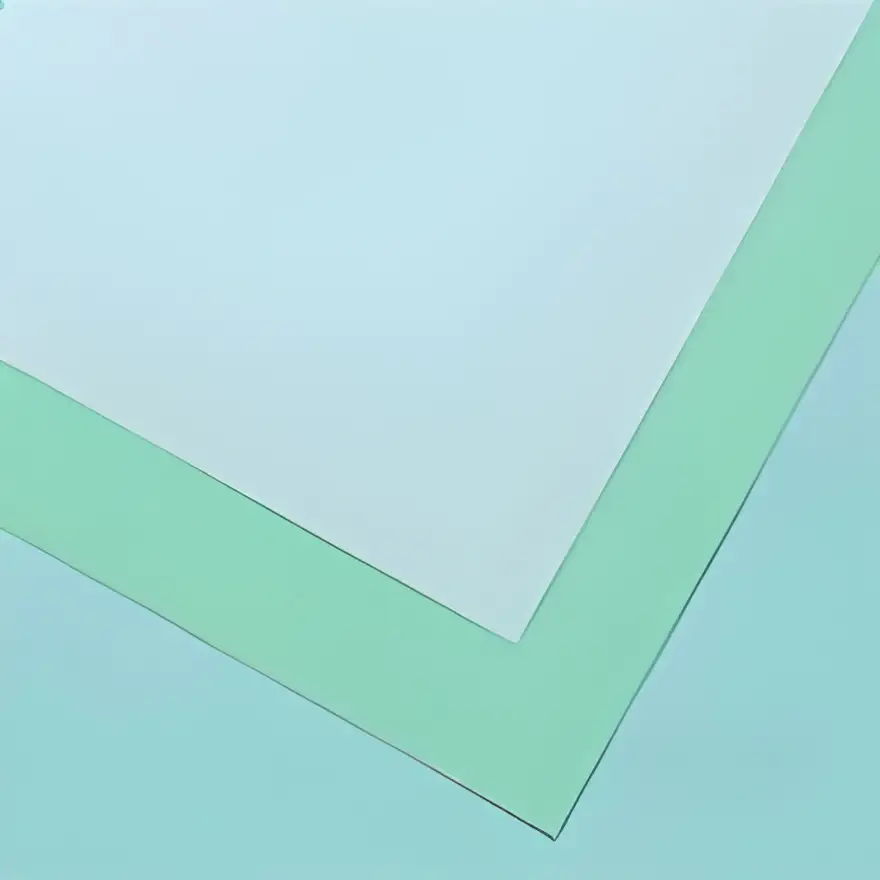
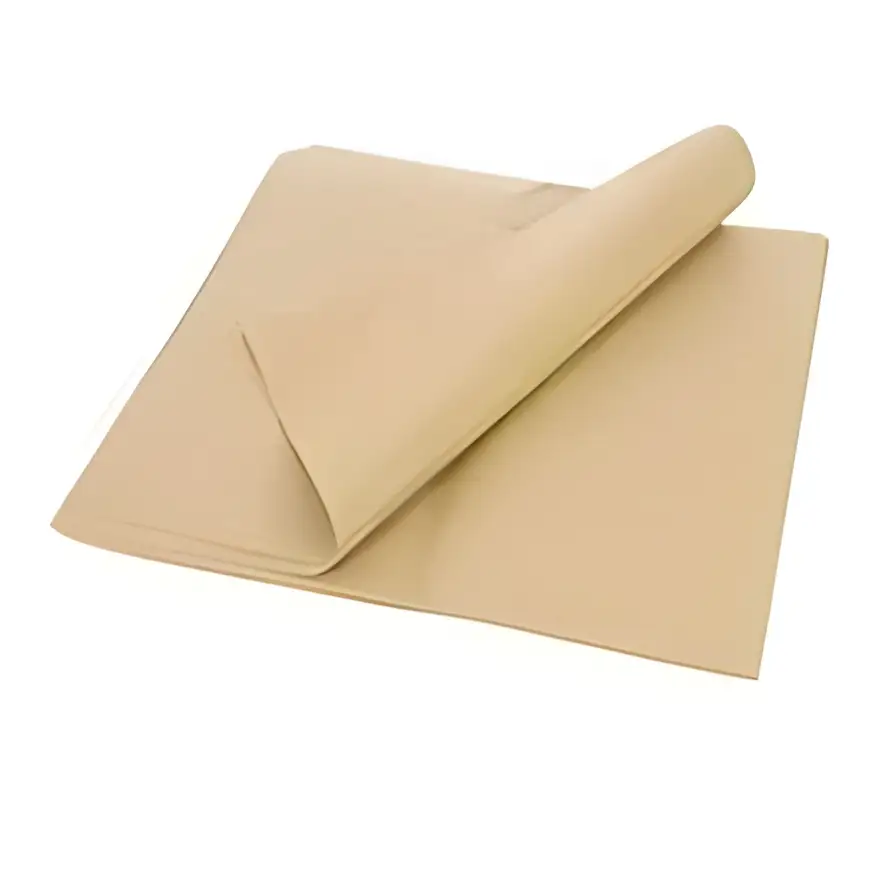
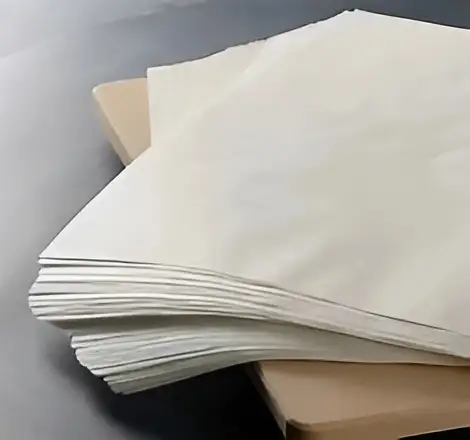
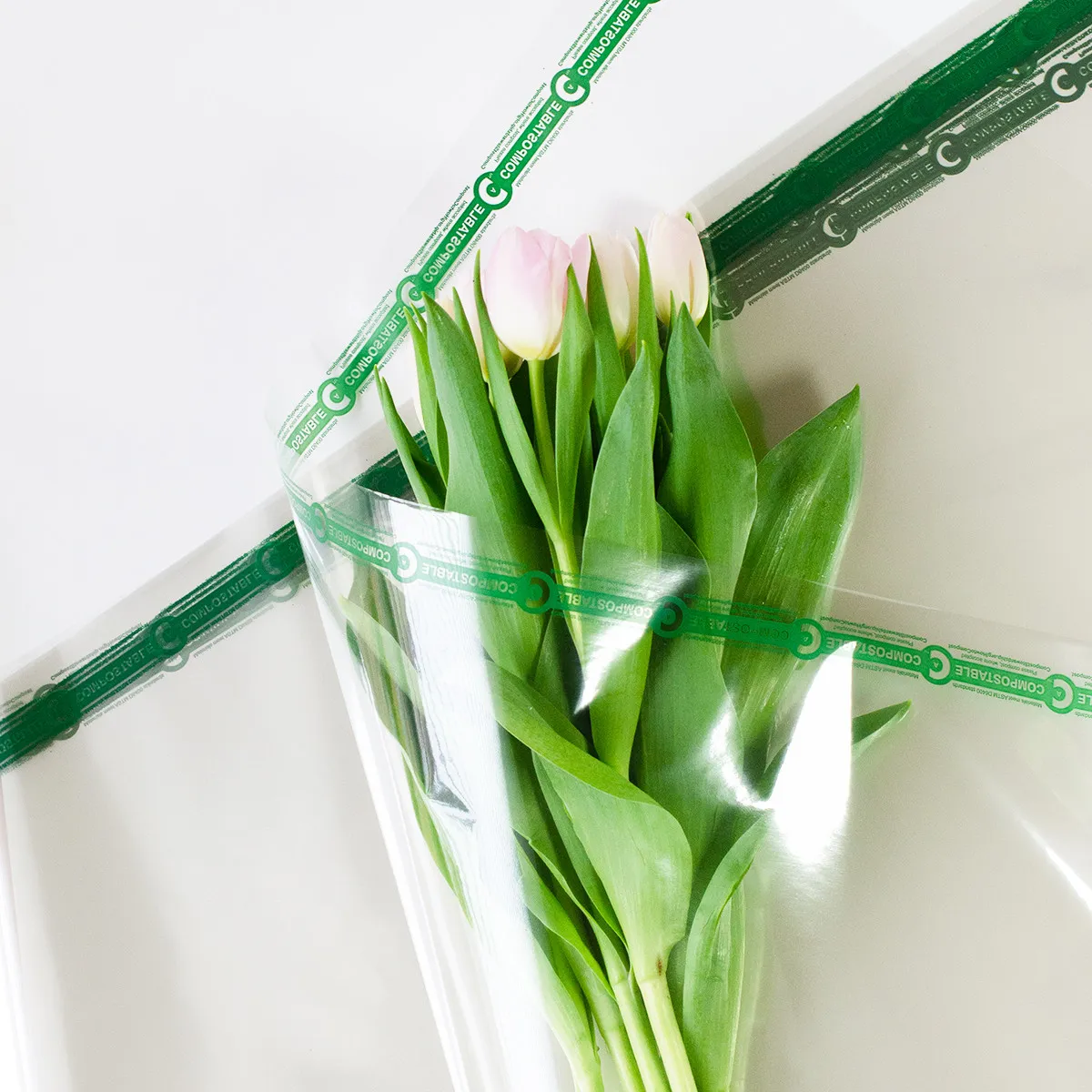
Biodegradable sheet materials are used wherever disposable or single-use plastic was traditionally used – especially in packaging and foodservice. For example, biodegradable sheets can be thermoformed into compostable food containers and trays (as shown in the image), retail bags, and protective packaging. Common uses include:
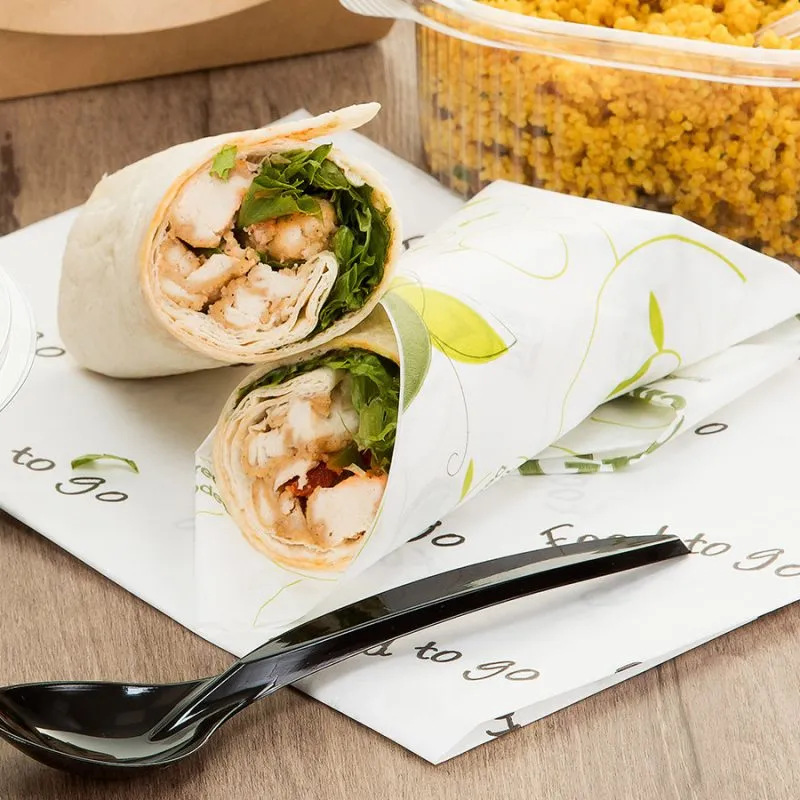
- Food & Beverage Packaging: Compostable boxes, clamshells, cups, and films for fast food, takeout, and retail products. These sheets are often transparent or lightly colored and safely hold food.
- Disposable Tableware: Lunch boxes, cutlery, straws, plates and other single-use utensils. Such items retain the utility of plastic but degrade after use, reducing plastic waste.
- Medical and Hygiene Products: Items like disposable surgical trays, masks, and packaging for medical devices. Because materials like PLA can meet biocompatibility standards, they are used for sterile disposables.
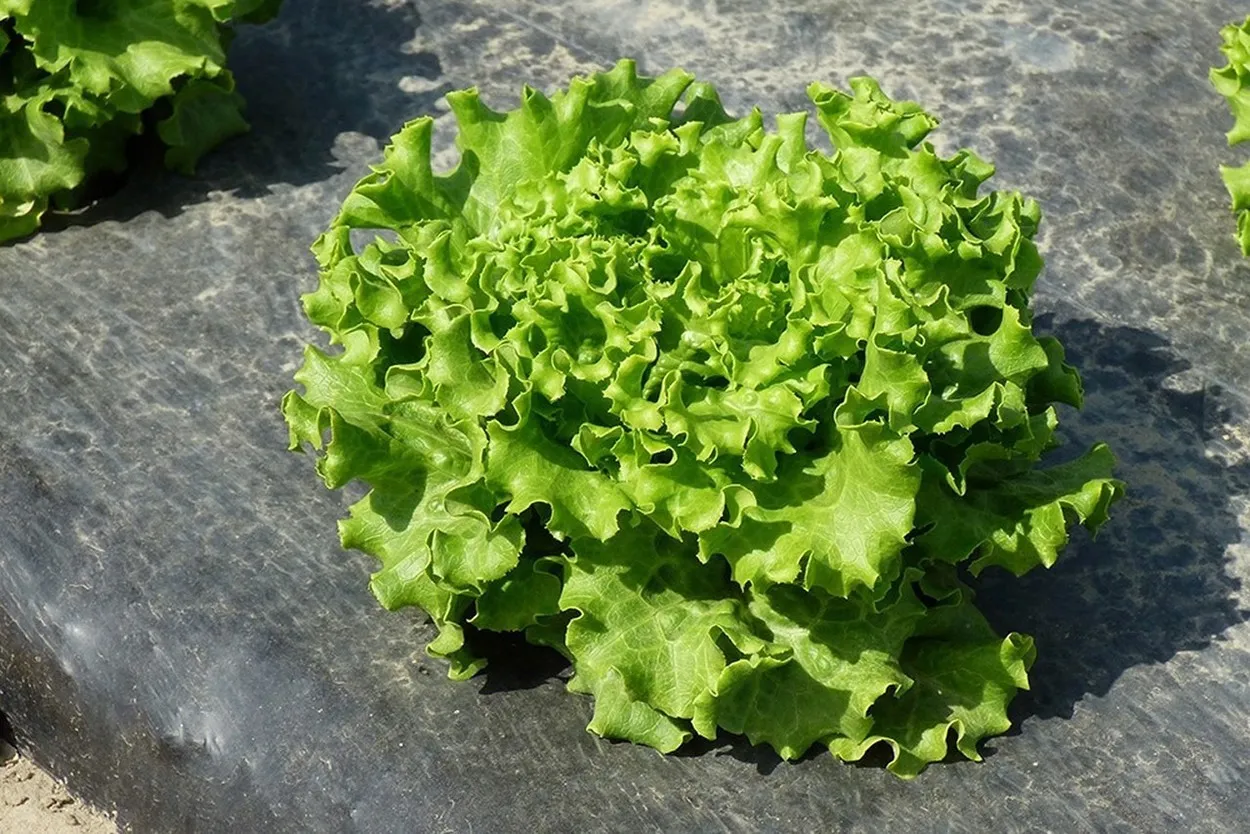
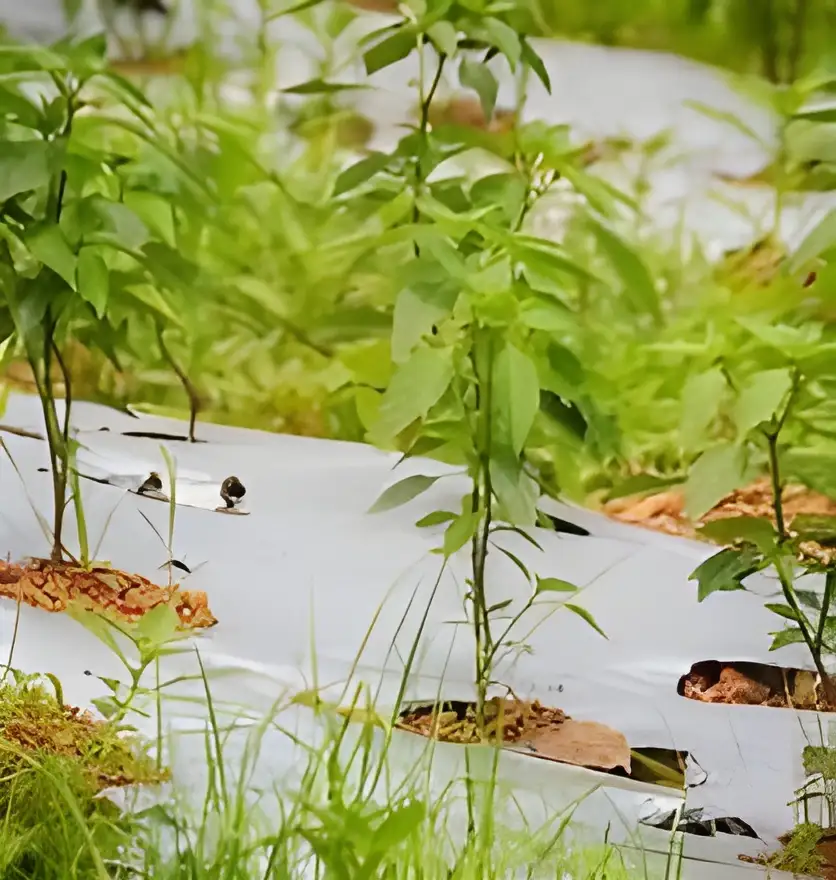
- Agricultural Films: Mulch films and plant covers that protect crops but biodegrade in the soil. After serving their purpose, they break down and improve soil quality.
Other industries – such as electronics, automotive, or textiles – may also use biodegradable sheets for things like molded parts or protective layers. In each case, the move to plant-based, compostable materials meets growing demand for sustainable solutions while serving the same roles as traditional plastics.
Applications
Gallery
Main Features
| Specification | Details |
|---|---|
| Sheet Material Compatibility | PLA (polylactic acid), corn starch, PBAT/PBS, etc. |
| Extrusion Type | Twin-screw extruder with vacuum degassing |
| Sheet Width Range | 600 – 1200 mm (adjustable) |
| Sheet Thickness Range | 0.2 – 2.0 mm |
| Output Capacity | 300 – 500 kg/h (varies by model) |
| Control System | PLC control with touchscreen interface |
| Power Requirements | ~200 kW total (380V, 50Hz) |
| Optional Add-ons | Corona treater, printing/cutting units, embossing rollers, slitting machine |
Related products
-
 Full Extrusion Lines
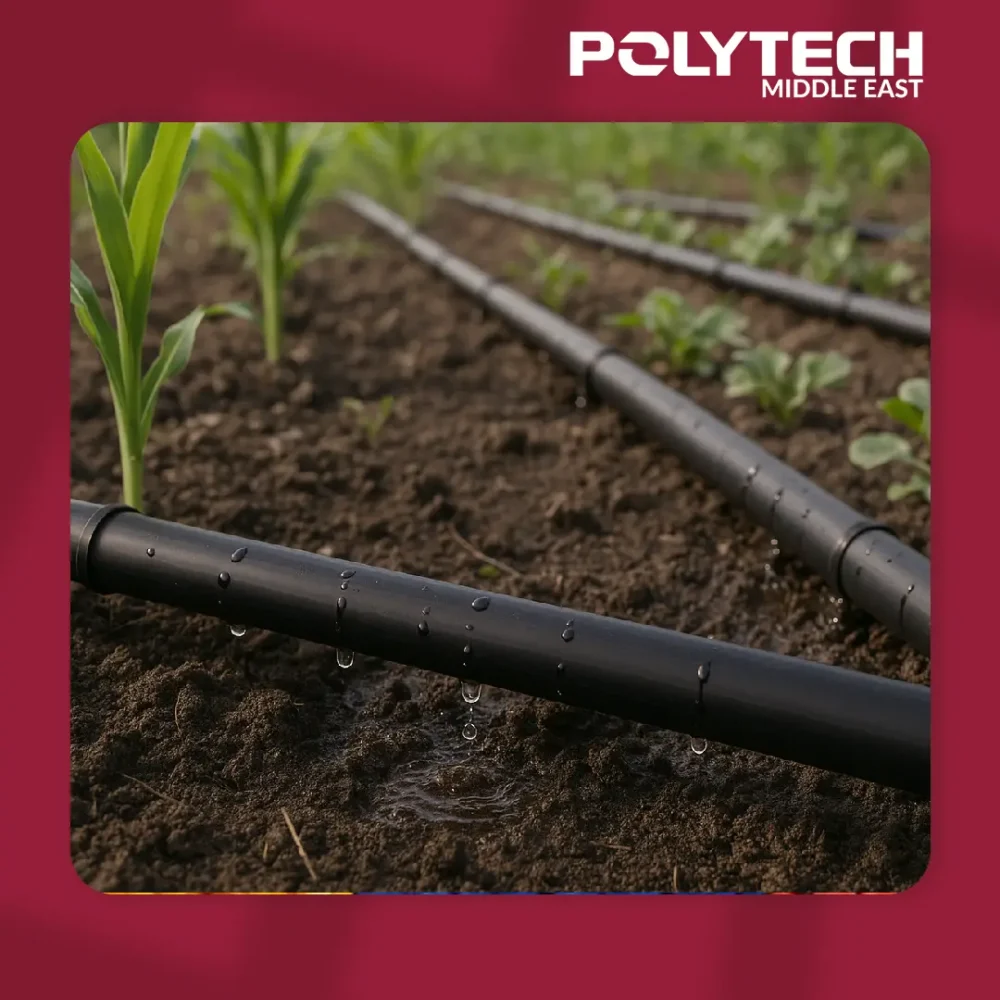
PE Round Drip Irrigation Pipe Extrusion Line
-
 Full Extrusion Lines
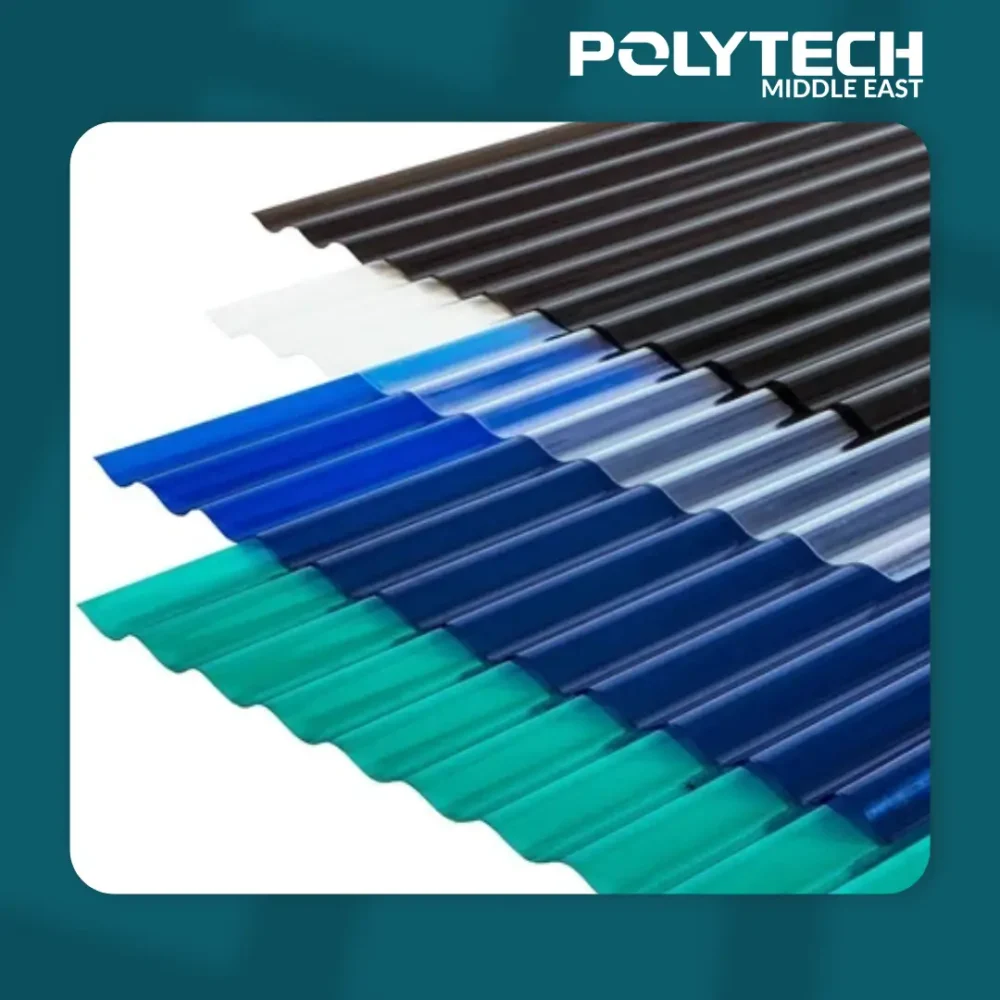
PC Wave Tile Extrusion Line
-
 Full Extrusion Lines
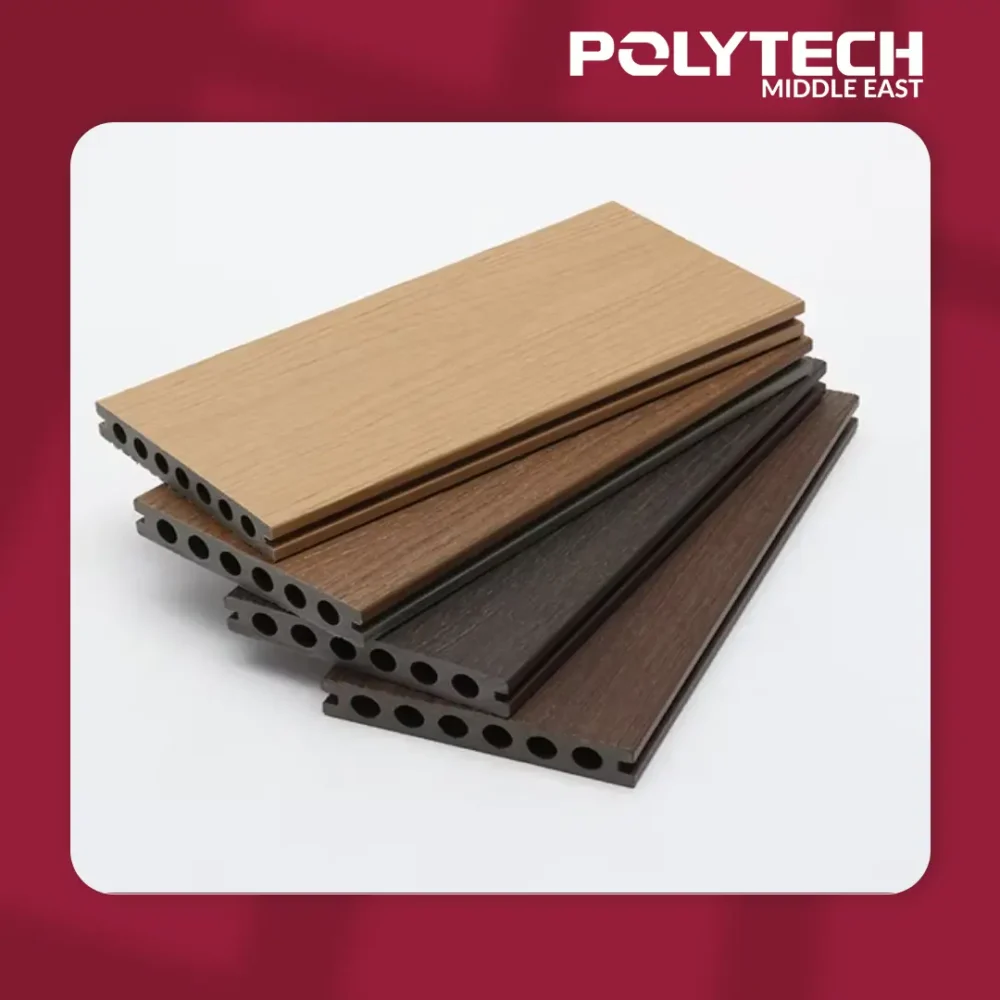
WPC/WPE Granulator Extrusion line
-
 Full Extrusion Lines
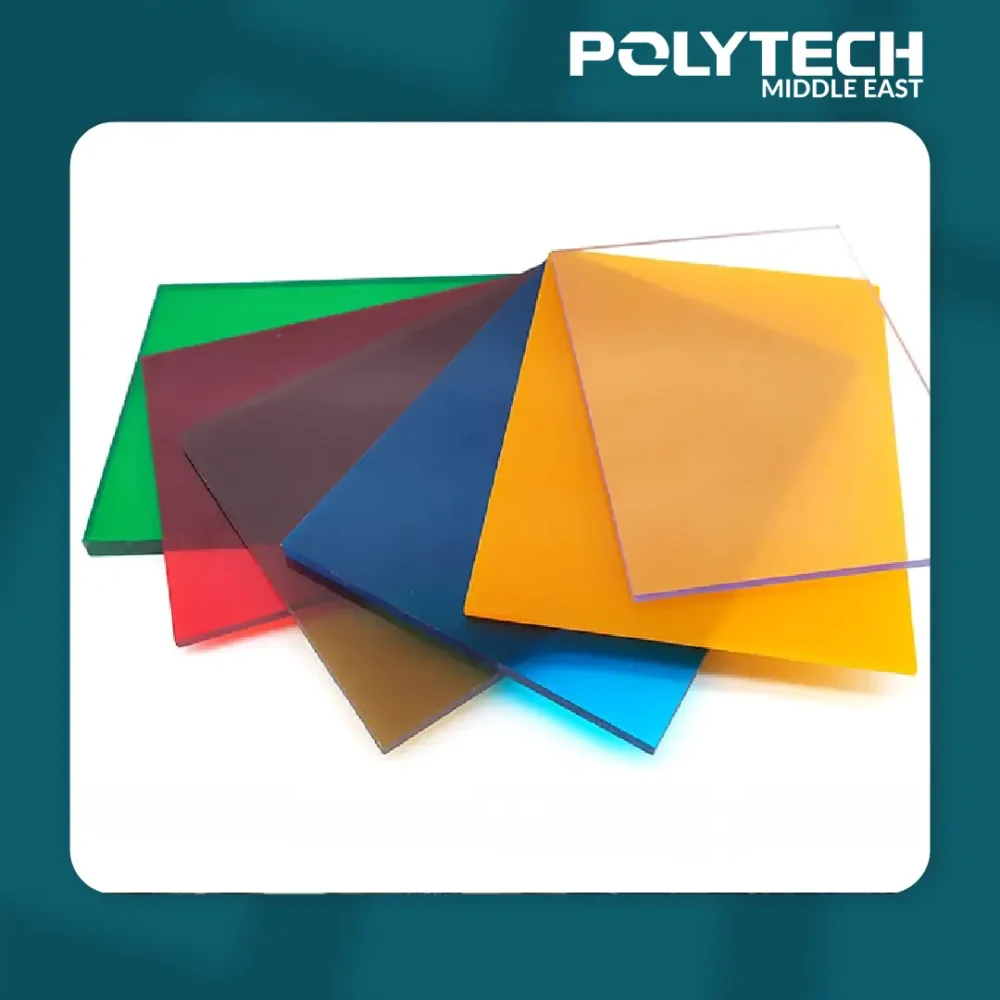
PC Solid Sheet Extrusion Line