


PVC Imitation Marble Sheet Extrusion Line
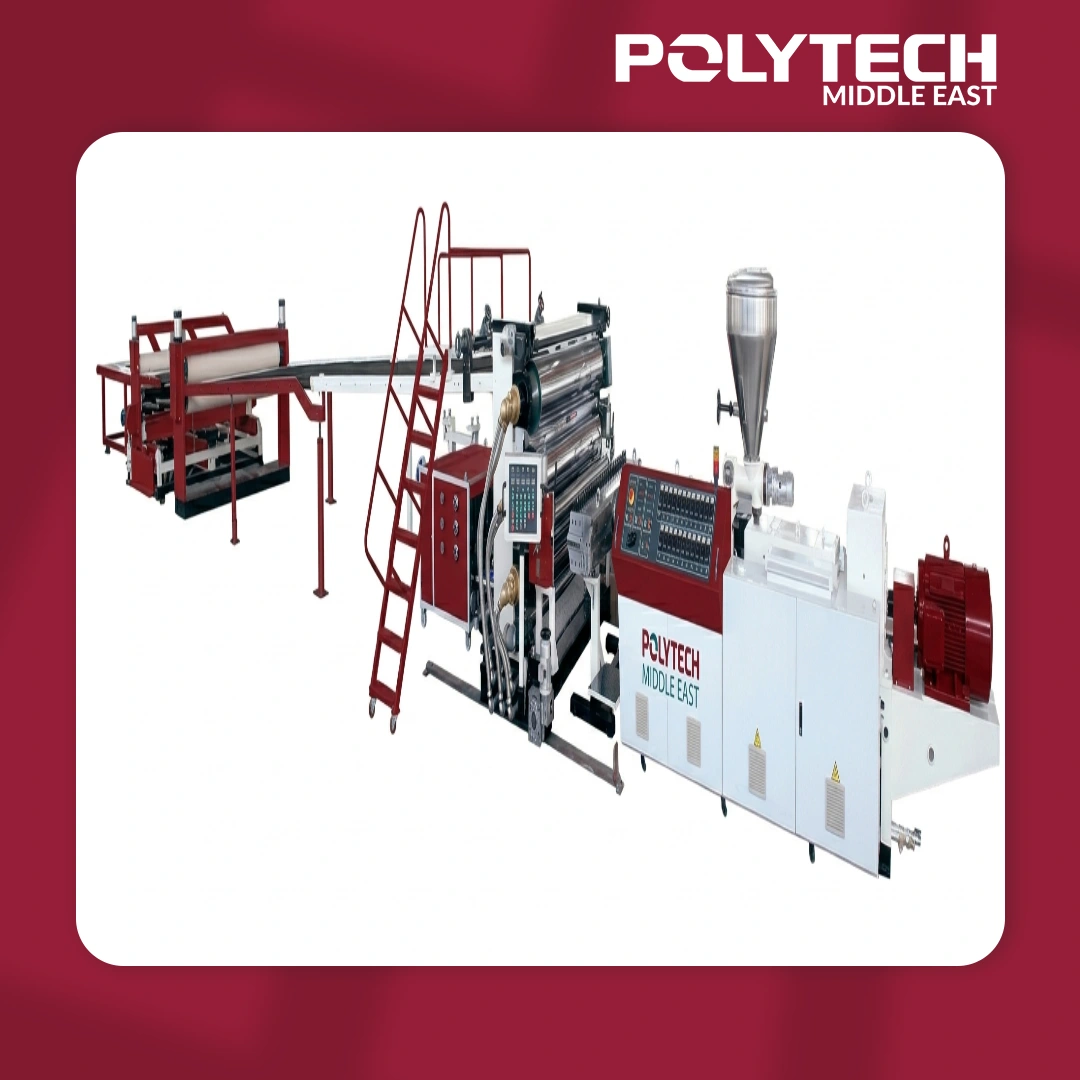
PVC Imitation Marble Sheet Extrusion Line
Discover how Polytech’s PVC imitation marble sheet extrusion line produces durable, high-gloss decorative panels. Explore its process, features, specifications, and benefits for interior decoration.
Category -> Full Extrusion Lines
Description
Introduction
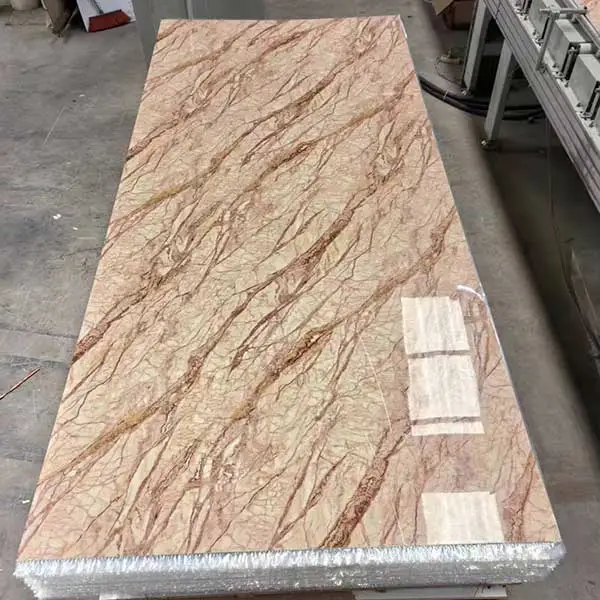
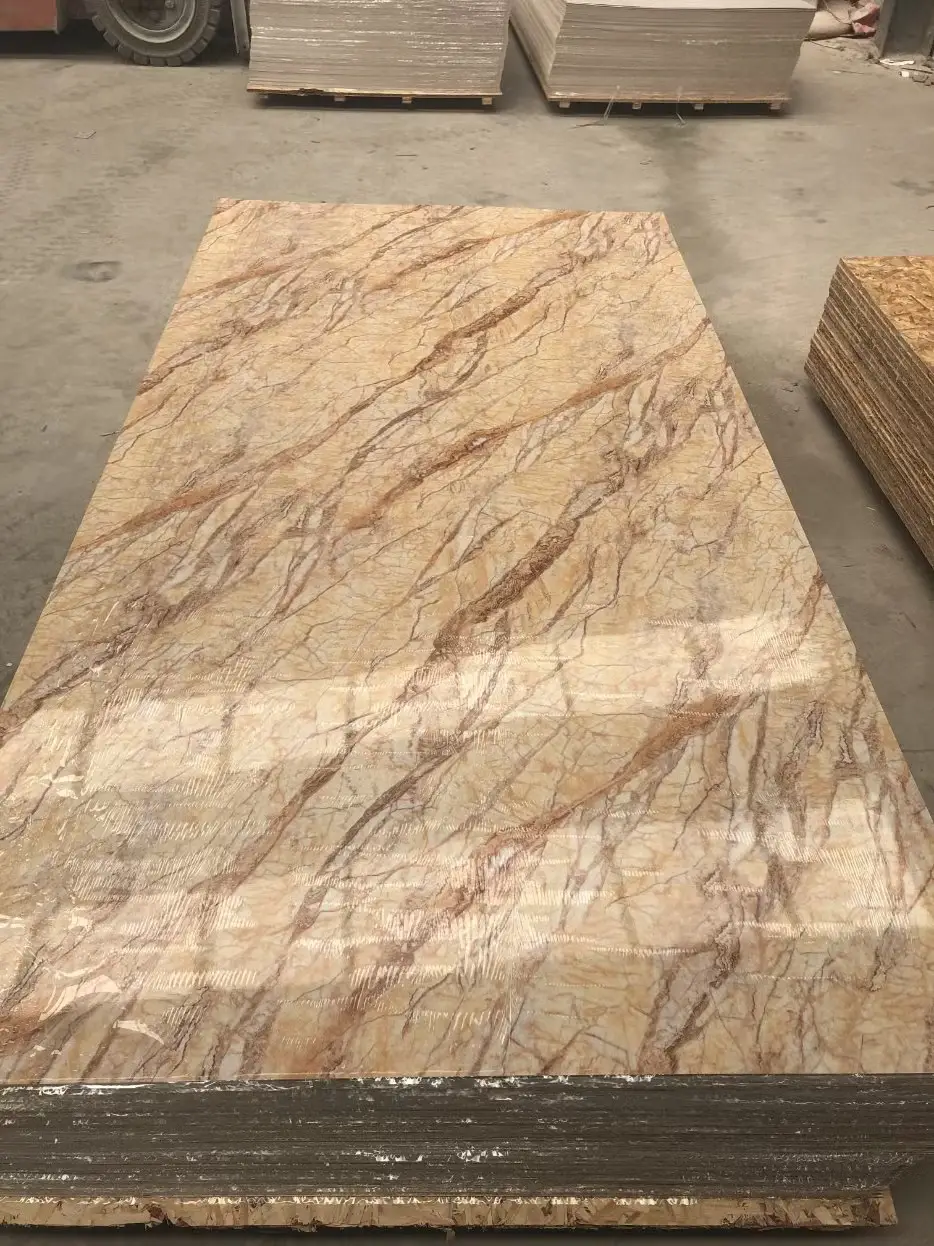
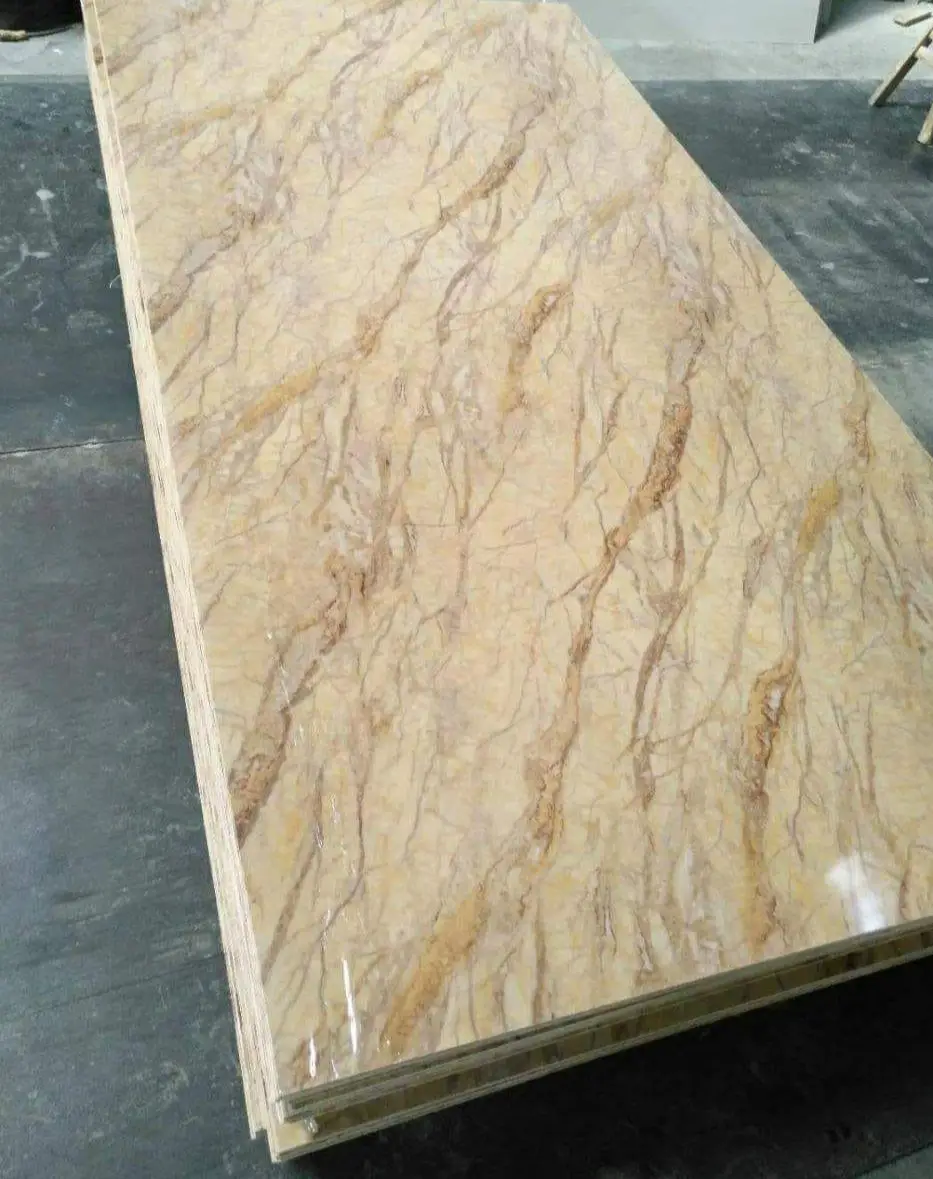
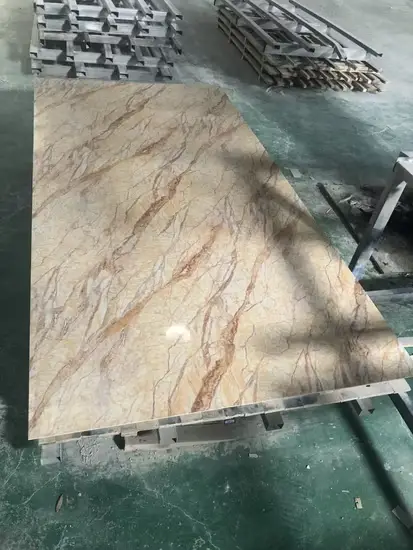
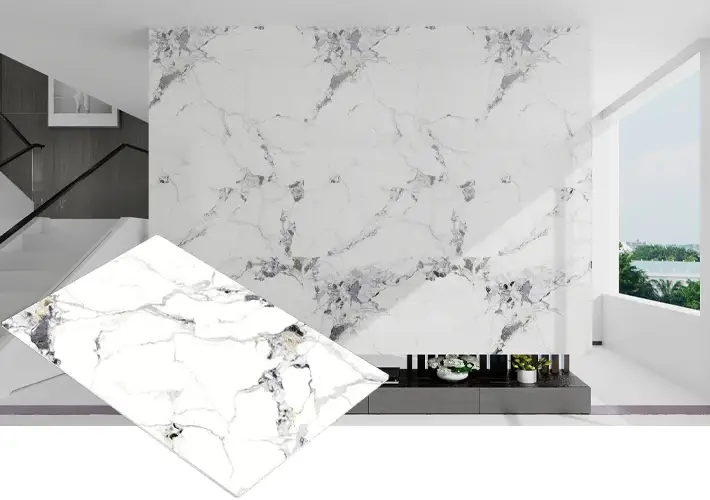
PVC imitation marble sheets are plastic panels designed to resemble natural marble. These sheets feature printed patterns and gloss finishes that mimic marble, while being much lighter and easier to install than real stone. They are commonly used as interior wall cladding, ceiling panels, and furniture surfaces. Compared to real marble, PVC marble sheets are more cost-effective and user‑friendly, offering a luxe appearance for hotels, offices, retail spaces, and homes. The PVC material is waterproof and durable, making these sheets suitable for kitchens, bathrooms, and other high-moisture areas.
Working Process
The PVC imitation marble sheet extrusion line consists of several stages. First, raw materials – PVC resin powder, calcium carbonate filler, stabilizers, plasticizers, and colorants – are precisely mixed in a high-speed mixer. An automatic feeder or vacuum loader then conveys this blend into the twin-screw extruder (model SJSZ-80/156 or SJSZ-92/188). Inside the extruder, the material is heated and plasticized under tightly controlled temperature and speed. The conical twin screws ensure uniform melting and mixing of the PVC compound.
The molten PVC is pushed through a T-shaped die to form a continuous flat sheet. Immediately after extrusion, this hot sheet passes into a three-roller calendar machine. In the calendar, a decorative PVC or PET film with a marble pattern is laminated onto the sheet surface while the sheet is still hot. The heated rollers press the film onto the sheet, fusing them without adhesives. At the same time, the rollers calibrate the sheet thickness and impart any embossed marble texture.
After lamination, the sheet enters a cooling section. Stainless-steel cooling rollers and a long water-cooled frame solidify the material gradually. The cooled sheet is then pulled forward by a pair of haul-off rollers. It is cut to length by a transverse cutter and a trimming saw. Photoelectric sensors ensure consistent cut lengths. Finally, an automatic stacking arm collects and stacks the finished panels, greatly reducing manual labor. In this way, the extrusion line produces uniform PVC marble sheets ready for packaging or further processing.
Key Features and Advantages
Key features of this extrusion line include high automation and product quality. The entire line is PLC-controlled with a touchscreen interface for easy operation, and it incorporates features like an automatic feeder and automatic stacker to minimize manual work. The twin-screw extruder ensures uniform melting, resulting in consistent sheet quality.
A major advantage is the high-gloss, durable finish. In-line lamination bonds a decorative film onto the sheet in a single pass, yielding a surface that is resistant to scratches, stains, and moisture. An optional UV coating can further enhance gloss and hardness. Because PVC does not absorb water, these panels resist mold and mildew, making them ideal for humid environments.
Environmentally, the process avoids solvent glues: the film is laminated by heat, making it more eco-friendly. Many systems can use recyclable PVC compounds. Overall, this extrusion line produces beautiful faux-marble panels with efficient, consistent operation and lower environmental impact compared to quarrying natural stone.
Environmental and Economic Benefits
PVC marble sheets offer significant advantages over natural stone. Environmentally, they are made from PVC (often with recycled content), so their production avoids the quarrying and heavy mining required for marble. This reduces land disruption, energy use, and CO₂ emissions. Many manufacturers use low-VOC additives, improving indoor air quality. Additionally, the lightweight panels require less fuel for transportation compared to heavy stone slabs.
Economically, PVC panels are far less expensive than real marble. Their raw material and installation costs are much lower. Lightweight handling (often with adhesives or click systems instead of heavy machinery) further reduces labor and shipping costs. Because PVC sheets resist stains, scratches, and moisture, they require minimal maintenance and last longer without costly repairs. These factors make PVC marble sheet systems a cost-effective and eco-friendly choice for elegant interior finishes.
Products
Applications
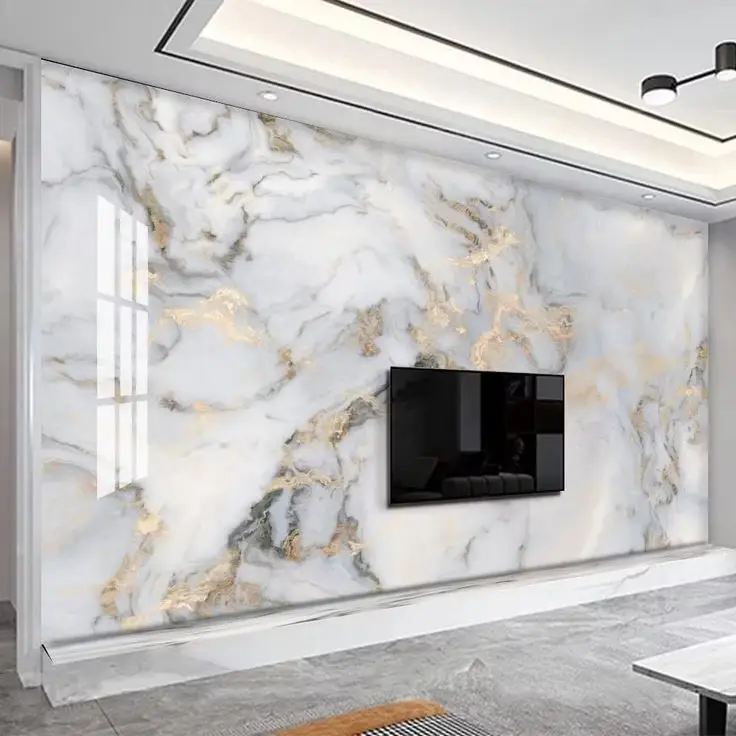
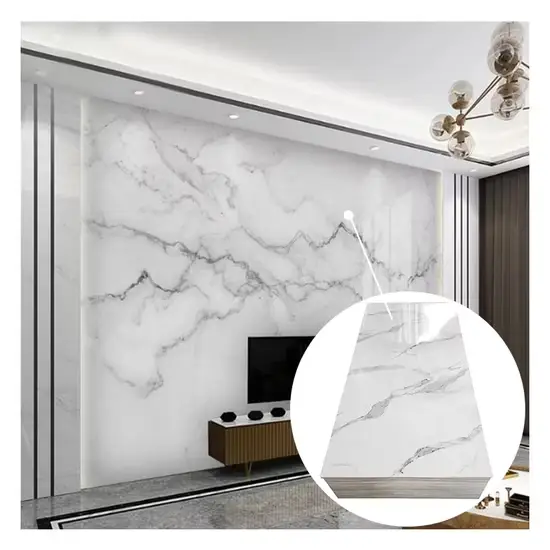
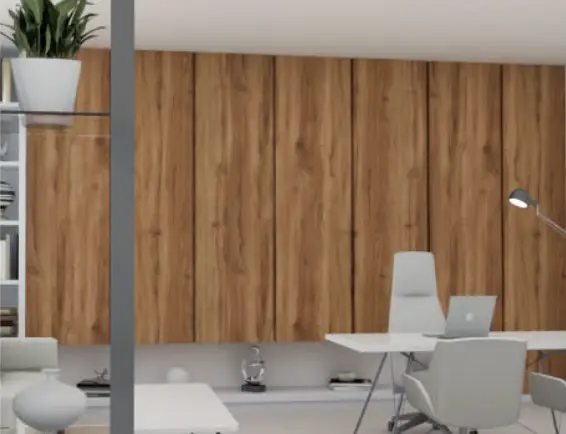
PVC imitation marble sheets serve a variety of interior decoration purposes. They are widely used as wall cladding and ceiling panels in hotels, hospitals, offices, shopping malls, and homes. Their moisture resistance makes them especially suitable for kitchens and bathrooms, where they are used for backsplashes, shower walls, and partitions. They also appear as furniture and cabinet surfaces, countertops, columns, and decorative trims. In commercial interiors, PVC marble panels create an upscale marble look in reception areas, restaurants, and retail displays without the cost and weight of real stone.
Applications
Gallery
Main Features
Technical Specifications
The PVC marble sheet extrusion line uses SJSZ-series conical twin-screw extruders. Two common models are SJSZ-80/156 and SJSZ-92/188. Key parameters are summarized below:
| Parameter | SJSZ-80/156 | SJSZ-92/188 |
|---|---|---|
| Screw diameters (mm) | 80 / 156 | 92 / 188 |
| L/D ratio | 22:1 or 25:1 | 22:1 or 25:1 |
| Main motor power (kW) | 55 | 110 |
| Output capacity (kg/h) | ~200–600 | ~400–500 |
| Sheet width (mm) | 1220 | 1220 |
| Sheet thickness (mm) | 2–6 | 2–6 |
| Max sheet length (mm) | ~2440–2900 | ~2440–2900 |
This comparison shows that the SJSZ-92/188 model has a larger throughput and higher motor power. The 92/188 machine typically extrudes about 400–500 kg of PVC composite per hour, whereas the 80/156 model handles roughly 200–600 kg/h depending on formulation. Both lines produce sheets up to 1220 mm wide, with thickness adjustable between 2 and 6 mm. The sheet length is set by the cutting system; common panel lengths are 2.44 m, 2.8 m or longer.
Related products
-
 Full Extrusion Lines
WPC/WPE Granulator Extrusion line
-
 Full Extrusion Lines
WPC Profile Extrusion Line
-
 Full Extrusion Lines
WPC Decking Extrusion line
-
 Full Extrusion Lines
Plastic Formwork Extrusion Line