

FNK 3D Laser Cutting Machine
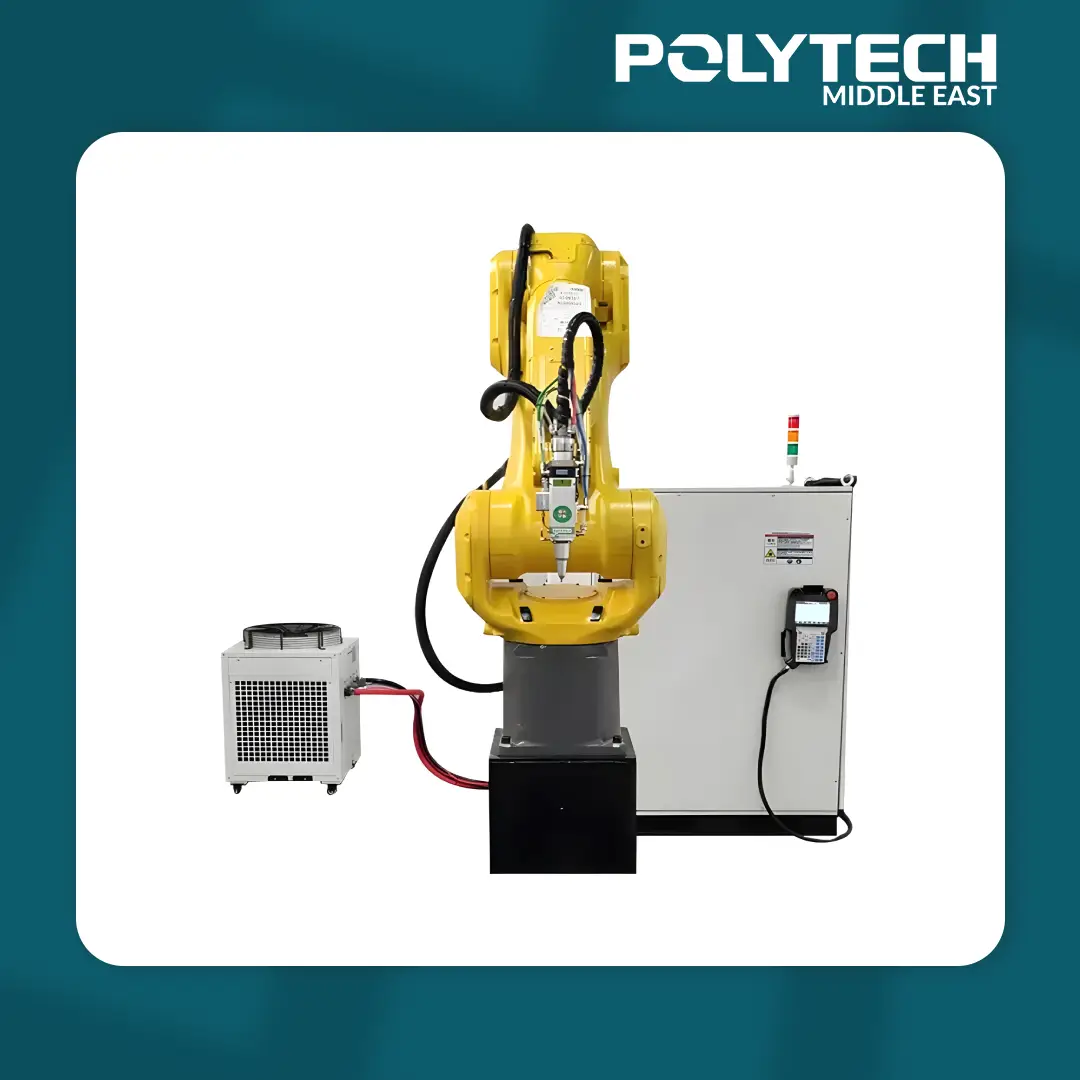
FNK 3D Laser Cutting Machine
Discover the FNK 3D Laser Cutting Machine, featuring robotic precision, flexible installation, and laser power options from 1,000W to 20,000W for complex metal cutting.
Category -> Machines and Spare Parts
Description
What Is the FNK 3D Laser Cutting Machine?
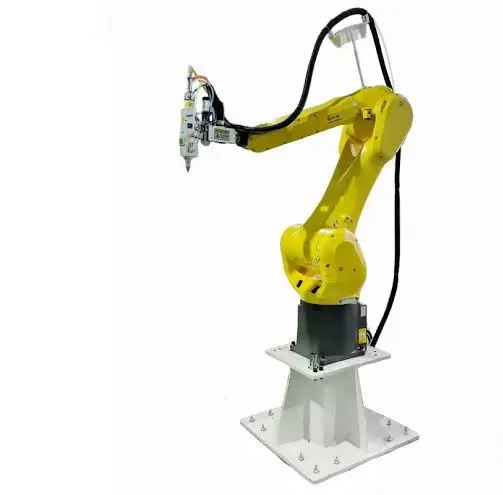
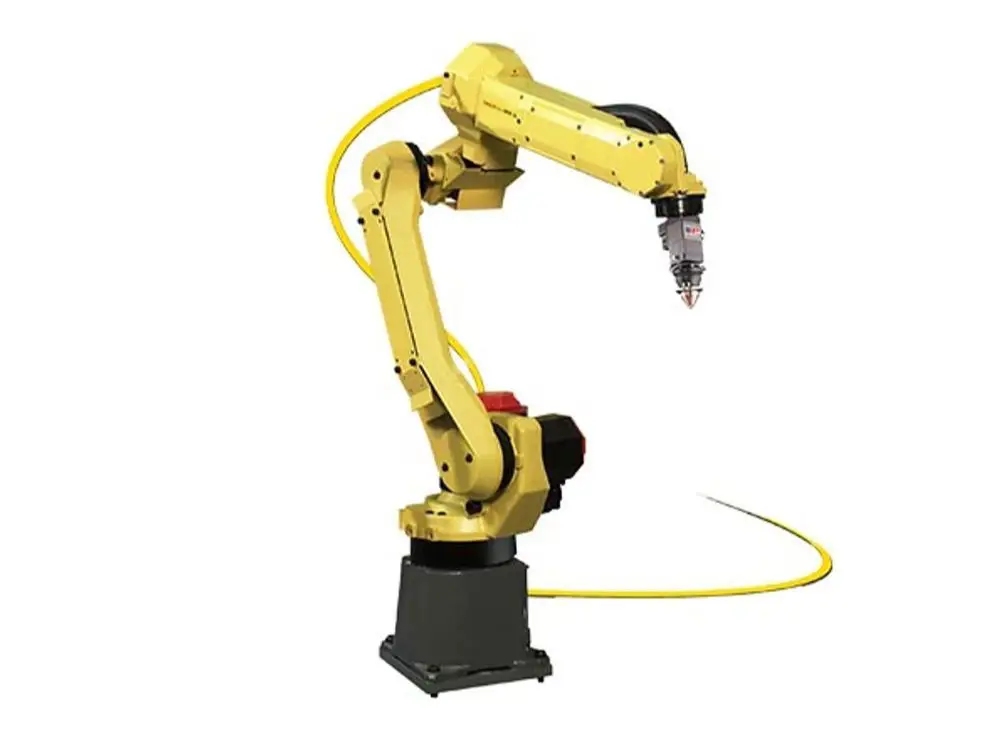
The FNK 3D Laser Cutting Machine is an advanced industrial cutting solution designed to process complex three-dimensional metal components using a combination of robotic technology and laser cutting. Unlike conventional laser cutting systems designed primarily for flat sheets, this machine features an industrial robotic arm that moves the laser cutting head along different paths and angles, making it suitable for processing metal parts with complex geometries.
Designed for industrial applications, the FNK 3D laser cutting system combines a compact structure, flexible installation options, and high-precision cutting capabilities. Its robotic configuration allows the cutting head to reach different positions around a workpiece, providing greater flexibility when processing curved surfaces, tubular components, and other three-dimensional metal parts.
With laser power options ranging from 1,000W to 20,000W, the machine can be configured for different cutting requirements, depending on the material, thickness, and application. Its combination of robotic movement and laser technology makes it a practical solution for manufacturers looking to improve the efficiency and accuracy of complex metal fabrication processes.
Machine Features
- Lightweight and Compact Design: The machine features a lightweight structure and a small footprint.
- Flexible Installation: Supports multiple installation methods, including upright and inverted mounting.
- Wide Range of Applications: Suitable for 3D laser cutting and processing applications.
- Easy Operation: Manual teaching and programming of key points make the machine easy to operate.
- Laser Power Options: Available laser power configurations range from 1,000 W to 20,000 W.
- High Precision and Stability: Offers excellent stability, high precision, and efficient cutting performance.
How Does the FNK 3D Laser Cutting Machine Work?
The FNK 3D Laser Cutting Machine combines an industrial robotic arm, a laser cutting head, and a control system to perform three-dimensional metal cutting.
The process involves several main stages.
Step 1: Workpiece Positioning
The metal component is positioned and secured in the designated working area. Proper positioning is important because the robotic arm must follow the intended cutting path accurately.
For complex components, the workpiece fixture and positioning method should be selected according to the part geometry and production requirements.
Step 2: Cutting Path Programming
The required cutting path is prepared using the machine’s compatible programming and control system.
The path defines how the robotic arm moves the laser cutting head around the workpiece. Depending on the application, the programmed movement may include changes in direction and cutting angle.
The manufacturer describes the system as supporting manual teaching of key points, providing an approach for defining the required movements.
Step 3: Robotic Arm Movement
The industrial robotic arm moves the laser cutting head along the programmed trajectory.
Unlike a system limited to movement across a flat plane, a multi-axis robotic configuration can orient the cutting head in different directions. This flexibility makes it suitable for components that require cutting from multiple angles.
Step 4: Laser Cutting
The laser system directs concentrated energy onto the workpiece to cut the material along the required path.
Depending on the selected configuration and processing parameters, the system can be used for cutting suitable metal materials, including carbon steel, stainless steel, aluminum, and galvanized steel.
Material thickness, cutting speed, and edge quality depend on the laser power and the specific process conditions.
Step 5: Finished Component Inspection
After cutting, the processed component can be inspected to verify its dimensions, cutting quality, and conformity with the required specifications.
For industrial production, appropriate inspection procedures help ensure that the finished parts meet the requirements of the intended application.
Materials Processed by the FNK 3D Laser Cutting Machine
The supplied product information identifies several metal materials suitable for processing with the FNK 3D Laser Cutting Machine.
Carbon Steel
Carbon steel is widely used in industrial structures, fabricated components, machinery, and metal frameworks.
A robotic 3D laser cutting system can help process carbon steel components that require complex cutting paths, depending on the material thickness and selected machine configuration.
Stainless Steel
Stainless steel is used in applications where corrosion resistance, durability, and surface quality are important.
The FNK 3D Laser Cutting Machine can be configured for suitable stainless steel cutting applications, with the results depending on the grade, thickness, laser power, and cutting parameters.
Aluminum
Aluminum is commonly used in lightweight structures, industrial equipment, transportation components, and fabricated metal products.
Its material properties require appropriate laser cutting parameters. The suitable machine configuration should therefore be selected according to the aluminum grade, workpiece thickness, and required cutting quality.
Galvanized Steel
Galvanized steel consists of steel protected by a zinc coating and is used in various industrial and structural applications.
Laser cutting galvanized steel requires suitable process settings and appropriate fume extraction because the coating can produce hazardous fumes during processing.
The machine configuration and operating procedures should be verified for the specific material and application.
Advantages of Robotic 3D Laser Cutting Technology
Robotic 3D laser cutting offers several advantages for manufacturers working with complex metal components.
Greater Flexibility in Cutting Operations
A robotic arm can position the cutting head at different angles and orientations. This flexibility is useful when a component requires cutting along curved surfaces or across multiple sides.
Compared with systems designed specifically for flat-sheet cutting, robotic configurations can support a wider range of three-dimensional cutting movements.
Precision for Complex Geometries
The ability to follow programmed cutting paths allows robotic laser systems to process components with intricate shapes and detailed profiles.
When the system is properly programmed and calibrated, it can help manufacturers achieve repeatable cutting results.
Efficient Metal Processing
Laser cutting is a non-contact thermal process that can produce narrow cutting paths in suitable materials.
Depending on the application, this can help reduce the need for secondary machining and improve the efficiency of metal fabrication workflows.
Flexible Production Setup
The machine’s compact design and flexible installation options can help manufacturers adapt the equipment layout to their available production space and component requirements.
The actual space requirements depend on the robot’s reach, workpiece dimensions, safety enclosure, auxiliary equipment, and loading arrangements.
Potential Reduction in Operating Costs
Efficient cutting processes can help reduce material waste, rework, and certain secondary processing requirements.
However, overall operating costs depend on several factors, including energy consumption, assist-gas usage, maintenance, consumables, production volume, and labor requirements.
Why Choose the FNK 3D Laser Cutting Machine?
The FNK 3D Laser Cutting Machine offers a combination of robotic flexibility, laser processing, and compact equipment design for manufacturers working with complex metal components.
Its robotic arm allows the cutting head to move through different orientations, making the system suitable for applications where conventional flat-sheet cutting equipment may not provide the required flexibility.
The availability of laser power configurations from 1,000W to 20,000W also provides options for different processing requirements, subject to the capabilities of the selected configuration.
For businesses involved in metal fabrication, tubular component processing, and three-dimensional metal cutting, the FNK system represents a potential solution for improving process flexibility and handling complex cutting tasks.
Selecting the appropriate configuration requires evaluating the materials, workpiece geometry, cutting thickness, required accuracy, production volume, and available workspace.
At Polytech ME, customers can explore industrial machinery solutions and identify equipment that matches their manufacturing requirements.
Frequently Asked Questions About the FNK 3D Laser Cutting Machine
What is the FNK 3D Laser Cutting Machine used for?
The FNK 3D Laser Cutting Machine is designed to cut three-dimensional metal components using an industrial robotic arm equipped with a laser cutting head. It is suitable for processing complex shapes, tubular components, and other metal parts that require flexible cutting angles.
What materials can the FNK 3D Laser Cutting Machine process?
According to the supplied product information, the machine can be configured for cutting carbon steel, stainless steel, aluminum, and galvanized steel. The suitable material thickness depends on the laser power and processing conditions.
What laser power options are available?
The supplied information lists laser power configurations ranging from 1,000W to 20,000W. The appropriate power level depends on the intended application and material requirements.
What makes a robotic 3D laser cutting machine different from a conventional laser cutting machine?
A conventional flat-sheet laser cutting machine typically moves its cutting head across a two-dimensional cutting area. A robotic 3D laser cutting machine uses a robotic arm to position the cutting head at different angles and orientations, allowing it to process suitable three-dimensional components.
Can the FNK 3D Laser Cutting Machine cut metal tubes and hollow profiles?
The supplied product images show examples of tubular and hollow metal components, while the product description identifies three-dimensional metal cutting as a main application. Suitability for a specific tube size or profile should be confirmed according to the machine’s working range and configuration.
Does the machine support different installation methods?
Yes. The supplied product information indicates that the machine supports multiple installation configurations, including upright and inverted mounting.
How do I select the right laser power for my application?
Laser power selection depends on the metal type, material thickness, required cutting speed, edge quality, and component geometry. Manufacturers should evaluate these factors before selecting the appropriate machine configuration.
Products
Application Examples
The machine can be used for cutting and processing three-dimensional metal components, including:
- Metal Tubes and Pipes: Cutting and shaping tubular metal components.
- Hollow Metal Sections: Processing circular and other hollow metal profiles.
- Curved and Complex Metal Components: Cutting irregularly shaped metal parts.
- Automotive and Industrial Components: Processing fabricated metal parts with complex geometries.
- Three-Dimensional Metal Structures: Cutting metal components that require multiple cutting angles and orientations.
Conclusion
The FNK 3D Laser Cutting Machine combines industrial robotic technology with laser cutting to process complex three-dimensional metal components. Its compact design, flexible installation options, manual teaching capability, and available laser power configurations make it a potential solution for a variety of metal fabrication applications.
From tubular components and hollow profiles to irregular metal parts, robotic 3D laser cutting provides flexibility when processing geometries that require different cutting angles and orientations.
For manufacturers seeking a flexible approach to three-dimensional metal cutting, the FNK system offers a platform worth evaluating according to their specific production requirements.
Applications
Gallery
Main Features
Technical Specifications of the FNK 3D Laser Cutting Machine
The following table summarizes the technical information provided in the supplied product image.
| Specification | Description |
| Machine Model | FNK 3D Laser Cutting Machine |
| Machine Type | Robotic 3D Laser Cutting Machine |
| Main Function | Three-dimensional metal cutting |
| Robotic System | Industrial robotic arm |
| Laser Power Options | 1,000W–20,000W |
| Installation Options | Upright and inverted mounting configurations |
| Operating Method | Manual teaching of key points |
| Cutting Head | Lightweight 3D laser cutting head with collision protection |
| Design | Lightweight and compact structure |
| Processing Materials | Carbon steel, stainless steel, aluminum, and galvanized steel |
| Main Applications | Three-dimensional metal components, tubes, hollow profiles, and complex metal parts |
Important: The table includes the information available in the supplied image. Specifications such as cutting thickness, robot axes, working envelope, positioning accuracy, cutting speed, power consumption, and machine dimensions were not provided and should be confirmed with the manufacturer before publication.
Related products
-
 Machines and Spare Parts
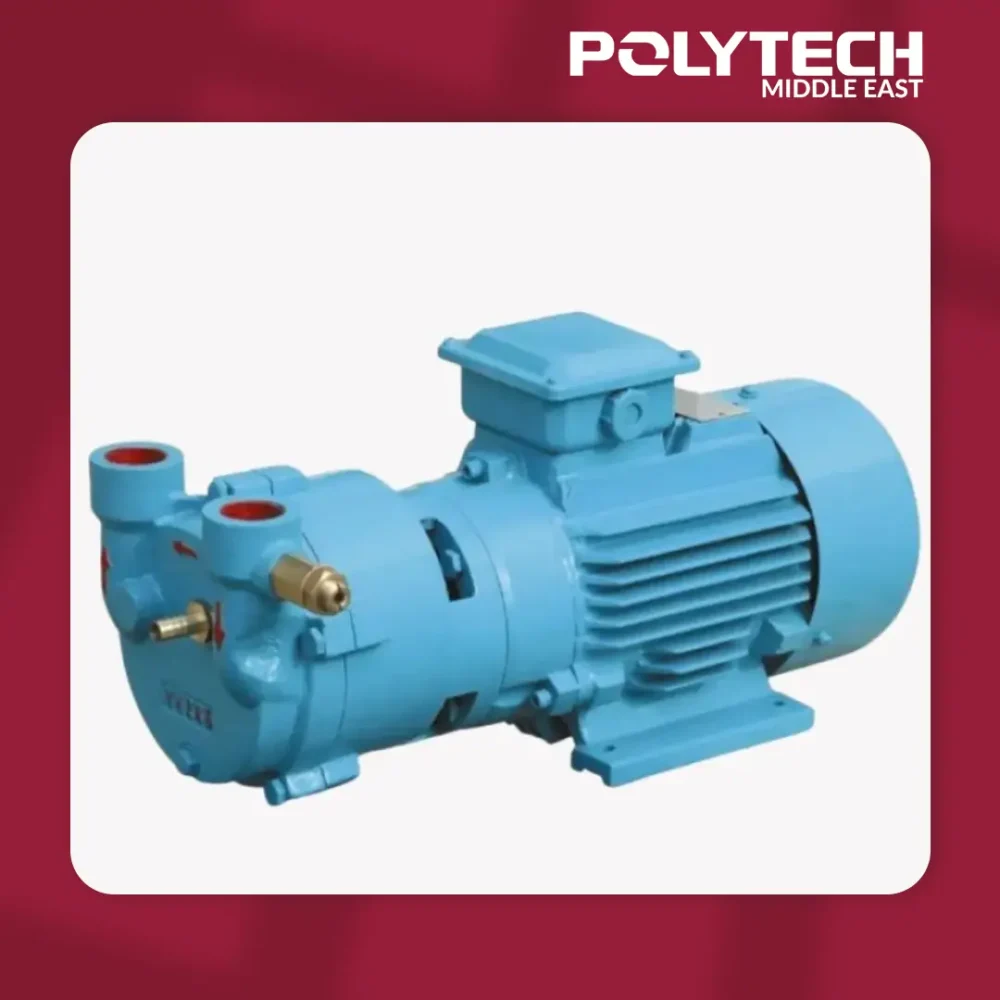
2.2kw Vacuum Pumps for Plastic Extrusion Line
-
 Machines and Spare Parts
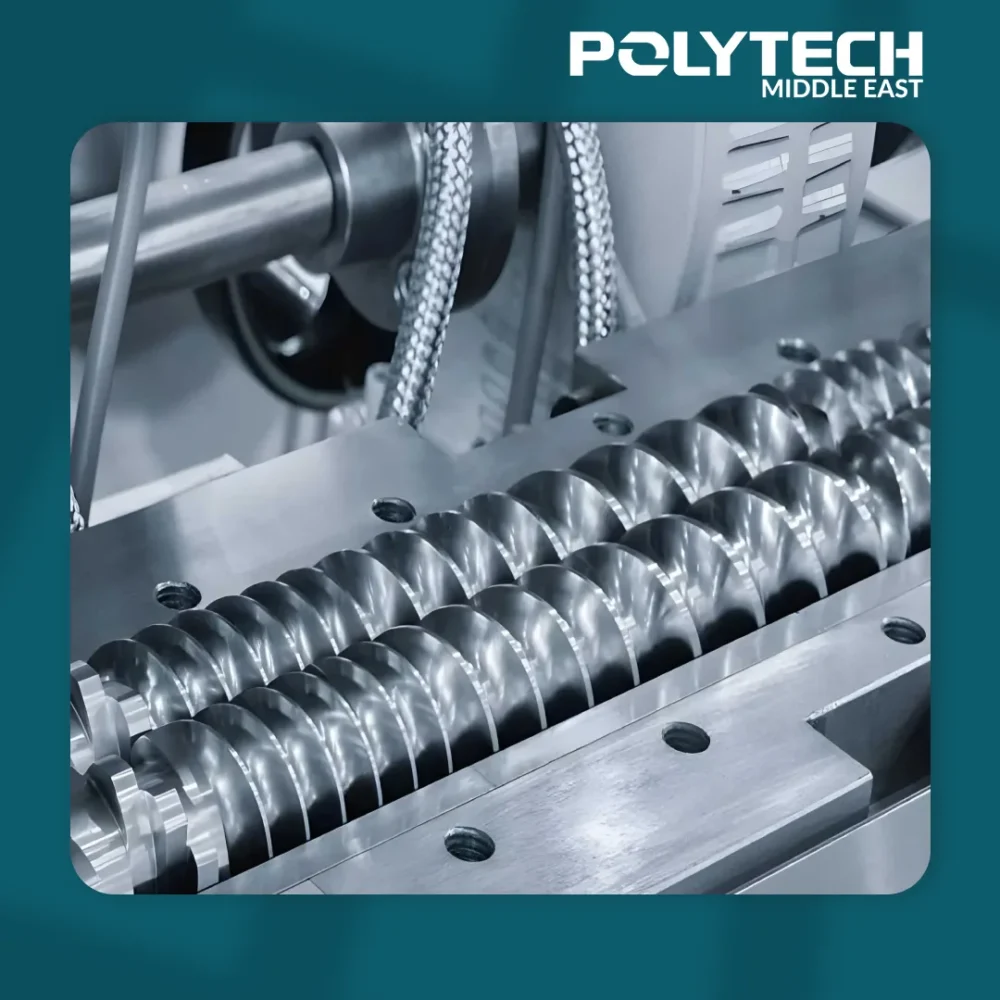
75/36 Parallel Twin-Screw Barrel
-
 Machines and Spare Parts
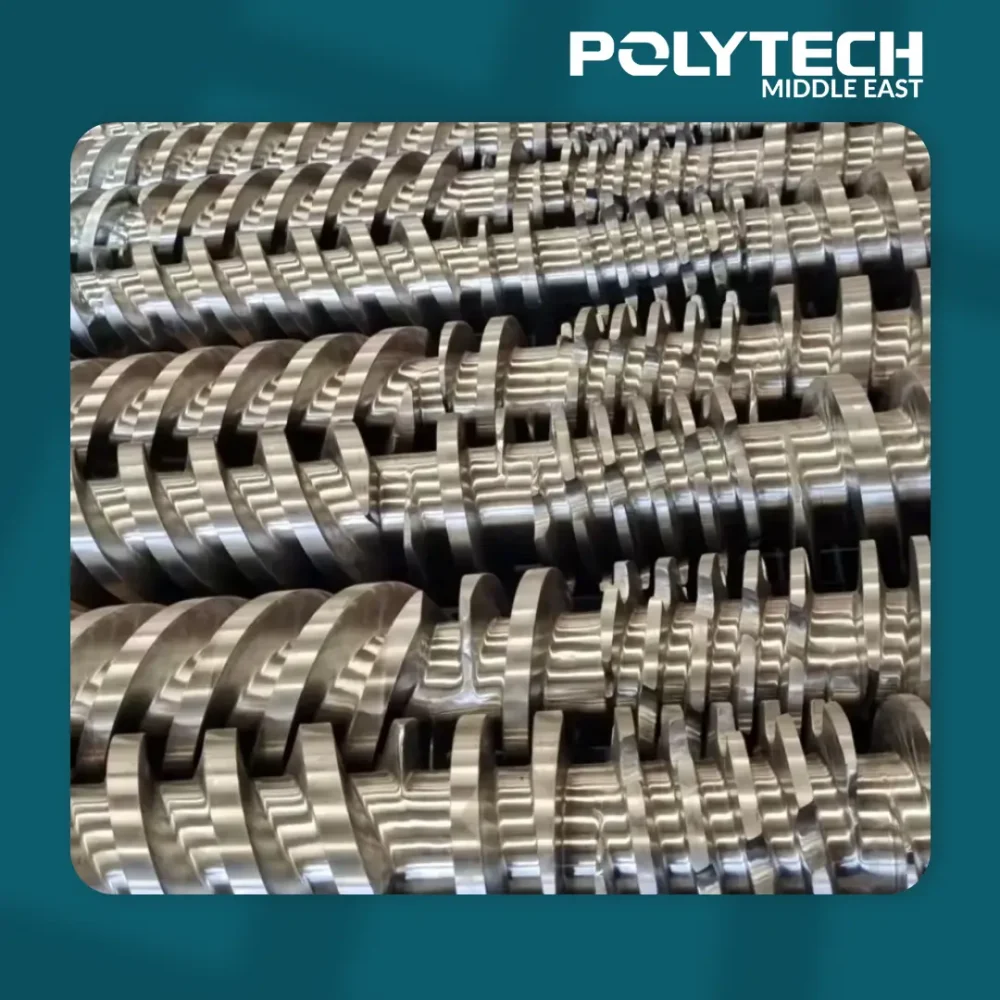
55/120 Conical Twin Screw Barrel
-
 Machines and Spare Parts
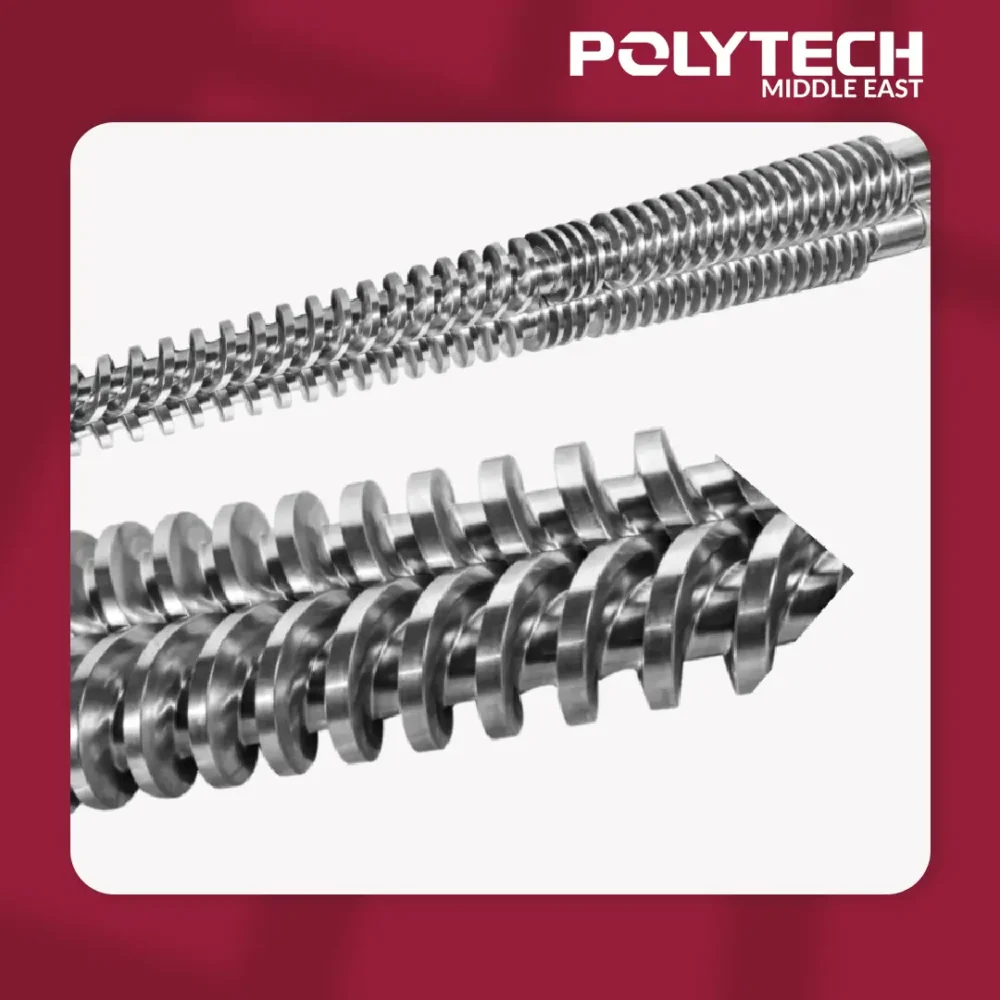
Screws and Barrels for Extrusion