

Introduction
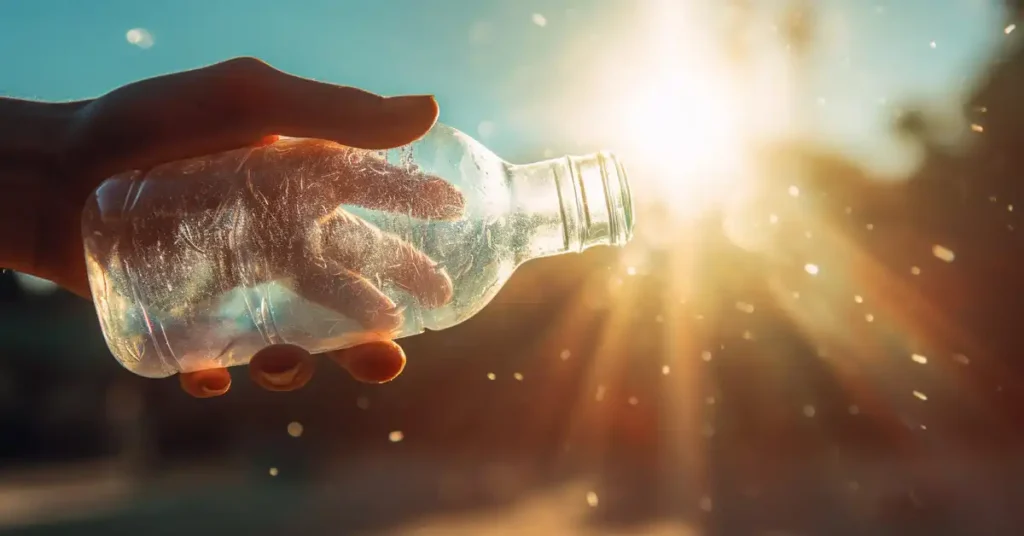
Plastics exposed to sunlight or artificial UV light can degrade over time if not properly formulated. UV radiation breaks down polymer chains, leading to color change, surface chalking, embrittlement, and reduced strength. Choosing UV resistant plastics is essential for outdoor components, architectural parts, signage, and equipment expected to withstand long-term sun exposure without losing performance or aesthetics.
Why UV Resistance Matters
Ultraviolet (UV) light is a part of the electromagnetic spectrum with higher energy than visible light. When UV energy is absorbed by plastic, it can generate free radicals that break the material’s chemical bonds, leading to photodegradation. This process causes fading, surface defects, and mechanical weakening, especially in outdoor environments where exposure is constant.
Without adequate resistance, plastics may become brittle, crack, discolor, or lose structural integrity. For products expected to endure years of sun exposure—like outdoor furniture, automotive parts, or exterior signage—UV resistance is a key design requirement.
How UV Resistance Works in Plastics
Plastics can achieve UV resistance through a combination of material selection and additives. Many polymers are not inherently UV resistant and require stabilizers such as UV absorbers, hindered amine light stabilizers (HALS), and antioxidants. These additives work by absorbing harmful UV radiation, neutralizing free radicals, or slowing the degradation process, thereby preserving the polymer’s properties over time.
Surface treatments and coatings can also enhance UV resistance by blocking or reflecting UV rays before they reach the polymer matrix. This is common in outdoor applications to extend service life.
Top UV Resistant Plastics
Here are some of the most commonly used UV resistant plastics suitable for outdoor and high-exposure applications:
- Acrylic (PMMA)
Acrylic is one of the most UV stable thermoplastics, maintaining clarity and structural integrity for years with minimal yellowing. It’s widely used in outdoor signage, skylights, and architectural glazing where transparency and durability are both required. - Polycarbonate (PC)
Polycarbonate offers strong impact resistance and good UV stability when formulated with UV stabilizers. It is used in protective shields, outdoor enclosures, and greenhouse panels. PC’s high strength makes it ideal for applications requiring both toughness and weather exposure resilience. - High-Density Polyethylene (HDPE)
HDPE performs well outdoors when compounded with UV stabilizers. It resists moisture, impact, and environmental stress, making it suitable for outdoor furniture, playground components, and agricultural containers. - Acrylonitrile Styrene Acrylate (ASA)
ASA combines structural similarity to ABS with enhanced weather and UV resistance, making it excellent for automotive exterior trim, outdoor housings, and garden equipment. - PTFE and Fluoropolymers (e.g., PVDF)
Fluoropolymers like polytetrafluoroethylene (PTFE) and polyvinylidene fluoride (PVDF) exhibit outstanding UV stability and chemical resistance. These materials are used in harsh outdoor environments and demanding industrial applications. - Polyetherimide (PEI) and Polyphenylene Sulfide (PPS)
High-performance engineering plastics such as PEI and PPS also resist UV degradation and are used in aerospace, automotive, and electrical components where strength and stability under UV exposure are critical.
Common Applications of UV Resistant Plastics
UV resistant plastics are essential for many outdoor or sun-exposed applications:
- Outdoor Furniture and Fixtures
Plastic furniture, fixtures, and architectural elements must resist fading, brittleness, and surface defects caused by sun exposure. - Signage and Displays
Outdoor signs need to retain color clarity and structural strength despite prolonged UV exposure. Acrylic and UV-stabilized PC are common choices. - Automotive and Transportation Components
Body panels, exterior trim, and lighting housings need UV resistance to maintain durability and appearance over time. - Construction and Architectural Uses
Window frames, cladding, and roofing elements benefit from UV resistant materials to prevent early degradation and maintain performance. - Marine and Outdoor Equipment
Boats, buoys, and outdoor gear are exposed to intense sunlight and weathering, so UV resistance is critical for longevity.
Benefits of Choosing UV Resistant Plastics
Selecting UV resistant plastics brings several advantages:
- Longer Product Lifespan
UV resistance prevents early discoloration, brittleness, and mechanical failure, ensuring products last longer under sun exposure. - Reduced Maintenance and Replacement Costs
Resistance to UV degradation lowers the need for frequent repairs or replacement, reducing lifecycle costs. SpecialChem - Consistent Performance
Products maintain mechanical strength and appearance even after prolonged UV exposure, offering reliable performance outdoors. - Design Flexibility
Many UV resistant plastics are available in different colors, forms, and finishes, allowing designers to meet aesthetic and functional requirements.
Common UV Resistant Plastic Materials
Several plastic materials offer excellent UV resistance, either naturally or with added stabilization. Common examples include:
- PVC (Polyvinyl Chloride): Widely used in outdoor construction products such as profiles, pipes, and panels. UV stabilizers significantly improve its weather resistance.
- ASA (Acrylonitrile Styrene Acrylate): Known for superior UV and weather resistance, making it ideal for outdoor housings and profiles.
- Acrylic (PMMA): Naturally UV resistant with excellent optical clarity and color stability.
- Polycarbonate (UV-stabilized): Offers high impact strength when protected with UV coatings or additives.
- HDPE and Polypropylene (UV-stabilized): Common in outdoor containers, pipes, and infrastructure components.
Each material offers different performance levels depending on exposure intensity and application requirements.
Selecting the Right UV Resistant Plastic
When choosing a material, consider:
- Application environment: How intense and prolonged the UV exposure will be.
- Mechanical requirements: Tensile, impact, and flexural strength needed for the part.
- Chemical and weather resistance: Other factors like moisture or chemical exposure.
- Cost vs performance: High-performance polymers offer superior UV resistance but at higher cost.
Conclusion
UV resistant plastics play a crucial role in outdoor and sun-exposed products. Choosing the right material and appropriate stabilizers ensures that products maintain appearance, mechanical integrity, and performance over long service lives. By understanding the properties and applications of UV resistant plastics, manufacturers can design durable, cost-effective, and sustainable products for demanding outdoor environments. Piedmont Plastics