

Explore the world of SPC machines and their role in flooring production. Learn about the SPC flooring manufacturing process, key components of SPC machines, their benefits, and how they revolutionize the industry. This comprehensive guide covers everything from material feeding, extrusion, and shaping to cutting, sizing, and surface treatment. Understand the advantages of SPC machines for commercial flooring, their cost efficiency, and future technological trends in the flooring industry. Whether you’re a business or a homeowner, discover how SPC machines provide sustainable, durable, and high-quality flooring solutions.
SPC Machine: Complete Guide to Production, Technology & Benefits
What is an SPC Machine?
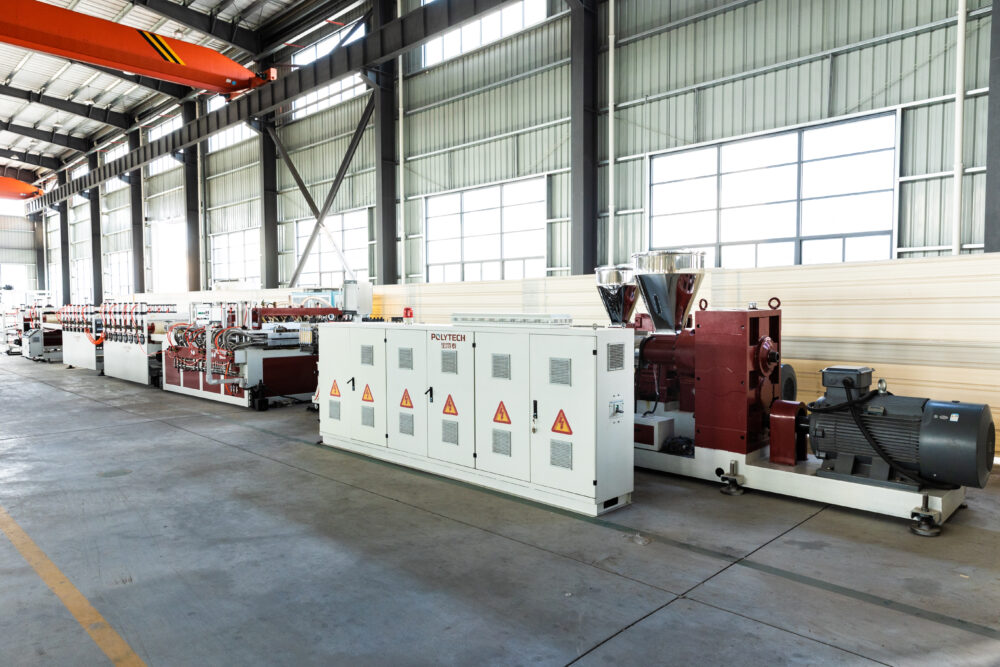
An SPC machine is an advanced piece of equipment used in the production of Stone Plastic Composite (SPC) flooring. It is designed to process raw materials, such as calcium carbonate, PVC resin, and stabilizers, into durable, high-quality flooring products. The SPC machine plays a crucial role in SPC flooring production, ensuring precision and efficiency throughout the production process. By using the SPC flooring production line, manufacturers can create uniform and robust flooring that meets the highest standards of durability and performance.
SPC flooring production involves several intricate steps, and the SPC machine is integral to each stage. The machine’s core function is to mix the raw materials, heat them to the required temperature, and then extrude the mixture into rigid flooring sheets. This technology ensures the flooring sheets retain their shape, are resistant to wear and moisture, and are ready for further processing.
Why Use SPC Machines for Flooring Production?
The adoption of SPC machines has revolutionized the flooring production process by enhancing speed, precision, and overall cost-efficiency. Several reasons make SPC machines an ideal choice for SPC flooring manufacturers:
- Cost Efficiency: The automated nature of SPC machines for flooring reduces labor costs and increases production efficiency, which ultimately leads to lower manufacturing costs.
- High Production Capacity: These machines are designed to handle large-scale production, making them suitable for high-volume orders, especially in the commercial flooring market.
- Eco-Friendly Production: SPC machines help produce flooring with minimal waste, promoting sustainable manufacturing practices. The use of eco-friendly SPC flooring has become increasingly important as more businesses seek to reduce their environmental footprint.
- Consistent Quality: The automated systems in SPC machines ensure that every plank of flooring produced meets uniform standards in terms of size, thickness, and appearance.
Key Components of an SPC Machine
An SPC machine for flooring consists of several critical components that enable the efficient production of high-quality SPC flooring:
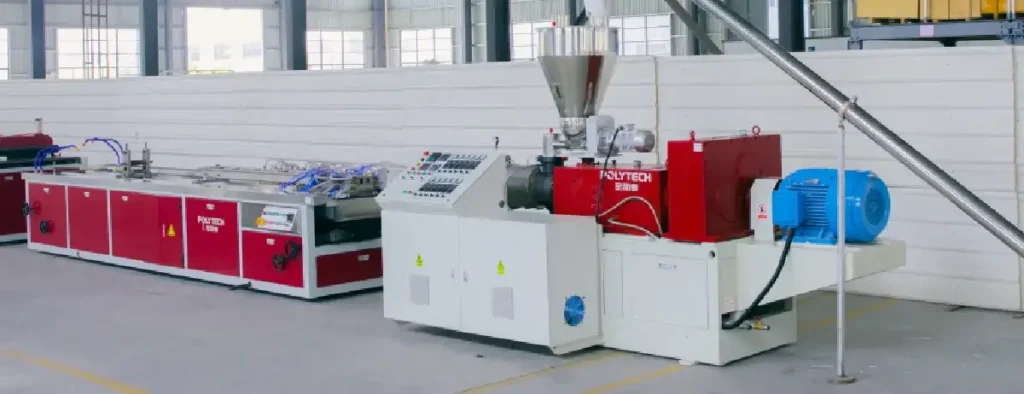
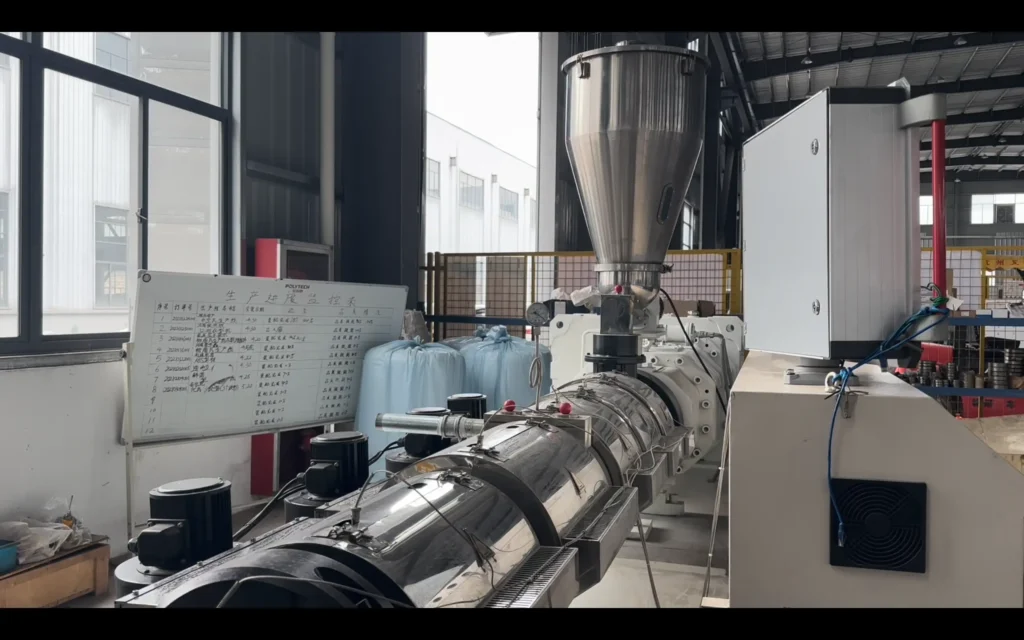
- Extruder Machinery: The extruder is responsible for heating and mixing raw materials like PVC resin, calcium carbonate, and stabilizers. It ensures that the mixture is consistent and homogeneous before it is extruded into sheets.
- Roller and Cooling System: After the mixture is extruded, it is passed through rollers that flatten and shape the sheet. The cooling system ensures the extruded sheet retains its form and rigidity, which is vital for the durability of the flooring.
- Cutting and Sizing Equipment: Once the material has cooled, it is cut into planks or tiles of the desired dimensions. The cutting process ensures the flooring sheets are the correct size for installation and shipping.
- Surface Treatment and Finishing: After the sheets are cut to size, they undergo surface treatment to enhance their appearance and improve their scratch resistance. This step is crucial in ensuring the flooring maintains its aesthetic appeal over time.
How Does an SPC Machine Work in Flooring Production?
The SPC machine for commercial flooring operates through a well-defined process that includes mixing, extrusion, cooling, and cutting. Here’s a step-by-step breakdown:
- Material Feeding and Extrusion: The raw materials are first fed into the extruder, where they are heated and mixed to form a smooth, homogeneous mixture. This mixture is then forced through a die to form the rigid flooring sheets.
- Shaping and Cooling: The extruded sheets pass through rollers that shape them into the required thickness. The sheets are then cooled using water or air, solidifying them into sturdy flooring products.
- Cutting, Sizing, and Surface Finishing: The cooled sheets are cut into precise dimensions and treated with a surface finish that enhances their resistance to wear, scratches, and UV damage. This ensures the final flooring product is both durable and aesthetically appealing.
Benefits of Using SPC Machines in Flooring Manufacturing
There are several SPC machine benefits that make them essential in the flooring manufacturing industry:
- Increased Production Speed: By automating the process, SPC machines increase the speed of production, allowing manufacturers to meet the demands of large-scale projects and high-volume orders.
- Consistency and Precision: The precision of SPC machines ensures that every sheet of flooring produced is identical in quality, thickness, and design. This eliminates inconsistencies and defects.
- Lower Manufacturing Costs: The efficiency of SPC flooring machines reduces waste and energy consumption, lowering overall production costs. This makes SPC flooring a more cost-effective option compared to other types of flooring.
- Durability: The resulting SPC flooring produced by these machines is highly durable, resistant to scratches, stains, and moisture, making it suitable for both residential and commercial use.
Common Issues with SPC Machines and How to Solve Them
Like all industrial equipment, SPC machines may encounter issues that can disrupt production. Some common problems include:
- Machine Downtime: SPC flooring production machinery requires regular maintenance to ensure it functions smoothly. Any breakdowns can lead to delays in production.
- Material Variability: Inconsistent raw materials can lead to variations in the final product. Manufacturers should monitor material quality to ensure uniformity.
- Energy Consumption: Some SPC machines for flooring consume a lot of energy. Choosing more energy-efficient models can help reduce operational costs.
The Future of SPC Machines in Flooring Production
The future of SPC flooring production is being shaped by continuous innovations in SPC machine technology. Key trends include:
- Smart Machines: The integration of IoT technology will allow manufacturers to monitor SPC machines remotely and optimize production efficiency.
- Sustainability Trends: As environmental concerns grow, the demand for eco-friendly SPC flooring will drive the development of more energy-efficient SPC machines.
- Automation and Robotics: Advances in automation and robotics will further streamline the production process, making SPC flooring even more cost-effective and efficient.
Top SPC Machine Manufacturers
Some of the top manufacturers of SPC machines include leading companies that specialize in producing high-quality equipment for the flooring industry:
- Global Leaders: Companies from the US, Germany, and South Korea are at the forefront, offering advanced SPC machine technology.
- Asian Manufacturers: China and Vietnam are major players in the SPC machine market, providing cost-effective solutions and large-scale production capabilities.
- European Manufacturers: Many European SPC machine manufacturers focus on sustainability and producing energy-efficient machinery.
SPC Machines vs Other Flooring Machines
When comparing SPC machines to other types of flooring machines, the advantages are clear:
- SPC Machines vs Vinyl Machines: SPC machines produce thicker, more durable flooring than traditional vinyl flooring machines.
- SPC Machines vs Laminate Machines: SPC machines offer more precision and durability than laminate flooring machines, particularly for creating waterproof and moisture-resistant flooring.
Conclusion
The SPC machine is a key player in the future of flooring production. With advancements in SPC machine technology, manufacturers can create flooring products that are durable, aesthetically pleasing, and environmentally friendly. SPC flooring produced using these machines is an ideal solution for both residential and commercial use, offering significant cost savings, increased efficiency, and reduced environmental impact. As the demand for sustainable and high-performance flooring increases, SPC machines will continue to evolve, providing the industry with innovative solutions for years to come.