

Introduction
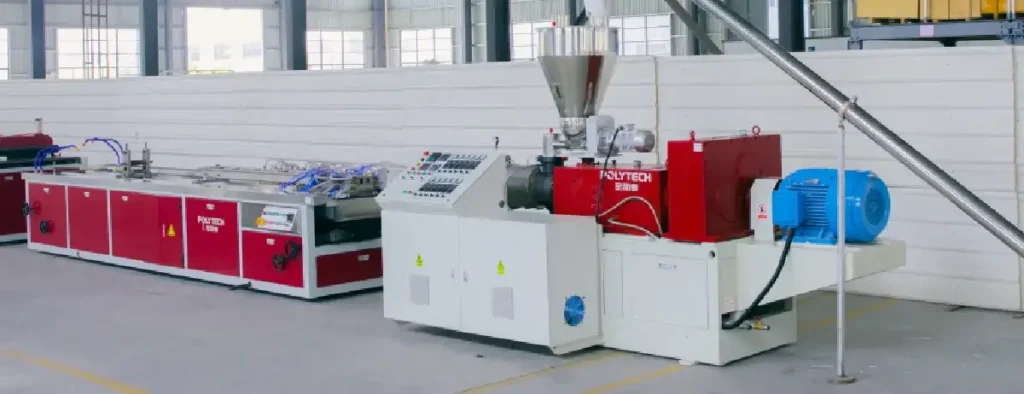
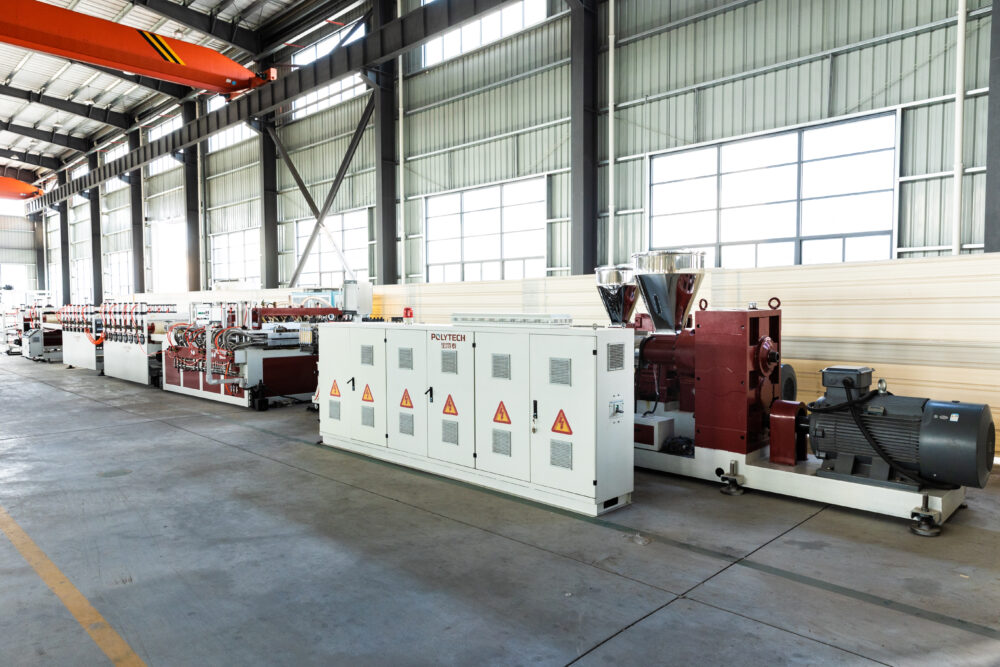
A sheet extrusion machine is an advanced manufacturing system used to produce high-quality plastic sheets for a wide range of industrial applications. The machine converts thermoplastic raw materials into continuous sheets with precise thickness, excellent surface finish, and consistent mechanical properties. Sheet extrusion technology plays a critical role in industries such as packaging, construction, automotive, medical, electronics, and consumer goods.
Modern sheet extrusion machines are designed to deliver high productivity, reliable operation, and exceptional product quality. With advanced automation systems and precision control technologies, manufacturers can achieve efficient production while maintaining strict quality standards.
How a Sheet Extrusion Machine Works
The sheet extrusion process begins by feeding plastic raw materials into the extruder. Inside the machine, the material is heated, melted, mixed, and homogenized through a specially designed screw and barrel system.
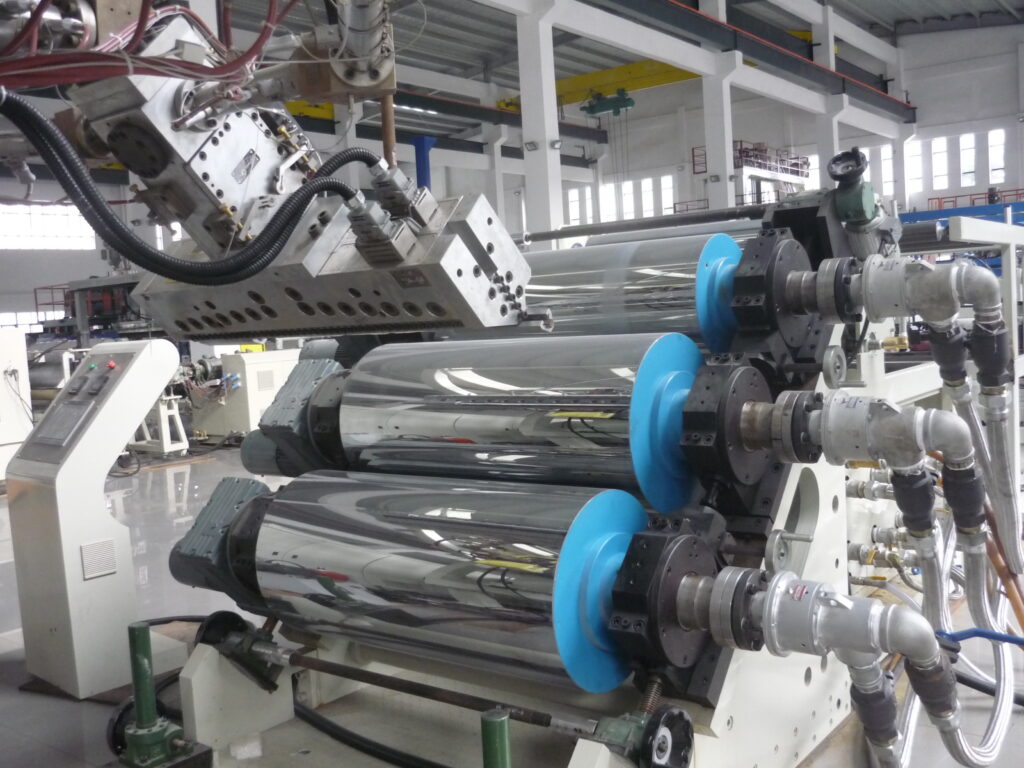
The molten plastic is then forced through a flat sheet die that shapes the material into a continuous sheet. After extrusion, the sheet passes through calibration rollers and cooling units that ensure dimensional accuracy and surface consistency. The finished product is subsequently trimmed, cut, stacked, or wound according to production requirements.
This continuous manufacturing process enables efficient large-scale production while minimizing material waste and ensuring consistent quality.
Main Components of a Sheet Extrusion Machine
A sheet extrusion line consists of several integrated components that work together to achieve stable and efficient production.
Material Feeding System
Ensures accurate and continuous delivery of raw materials into the extrusion process.
Extruder
The core unit responsible for melting, mixing, and conveying plastic material.
Screw and Barrel Assembly
Provides efficient plasticizing, material homogenization, and stable output.
Sheet Extrusion Die
Shapes molten plastic into sheets with precise dimensions and uniform thickness.
Calender Roll System
Controls sheet thickness, smoothness, and surface quality.
Cooling Unit
Gradually cools and stabilizes the sheet to maintain dimensional accuracy.
Edge Trimming System
Removes excess material and ensures consistent sheet width.
Cutting and Stacking Unit
Prepares finished sheets for packaging, storage, or further processing.
Benefits of Sheet Extrusion Machines
Investing in a high-performance sheet extrusion machine provides numerous advantages for plastic manufacturers.
High Product Quality
Advanced control systems ensure uniform thickness, excellent flatness, and smooth surface appearance.
Cost Effective Production
Efficient material utilization and continuous operation help reduce manufacturing costs.
Production Flexibility
Machines can process various thermoplastic materials and produce sheets in different sizes and specifications.
Improved Productivity
Automated systems minimize manual intervention and optimize production efficiency.
Long Service Life
Robust machine construction and durable components contribute to long-term operational reliability.
Reduced Maintenance Requirements
Modern engineering designs improve equipment durability and minimize downtime.
Applications of Sheet Extrusion Machines
Plastic sheets produced by extrusion machines are used in numerous industries worldwide.
Packaging Industry
Food containers, trays, protective packaging, and thermoformed products.
Construction Industry
Wall panels, ceiling panels, partitions, decorative sheets, and insulation materials.
Automotive Industry
Interior panels, protective covers, and technical components.
Medical Industry
Medical packaging, disposable products, and healthcare materials.
Electronics Industry
Protective covers, insulation sheets, and specialized components.
Advertising Industry
Display boards, signage panels, and promotional materials.
These diverse applications demonstrate the versatility and importance of sheet extrusion technology.
Performance and Production Efficiency
Modern sheet extrusion machines are engineered to maximize productivity and operational reliability. Advanced processing technology ensures stable output and excellent sheet quality throughout the production cycle.
Key performance features include:
- High production capacity.
- Continuous manufacturing operation.
- Precise thickness control.
- Excellent surface finish.
- Stable material processing.
- Reduced production waste.
- Energy-efficient operation.
- Automated process control.
These capabilities allow manufacturers to increase productivity while maintaining consistent product standards.
Materials Processed by Sheet Extrusion Machines
Sheet extrusion machines can process a wide variety of thermoplastic materials to meet different industrial requirements.
Common materials include:
- PVC (Polyvinyl Chloride)
- PET (Polyethylene Terephthalate)
- PP (Polypropylene)
- PE (Polyethylene)
- PS (Polystyrene)
- ABS (Acrylonitrile Butadiene Styrene)
- PC (Polycarbonate)
- PLA (Biodegradable Plastics)
The ability to process multiple materials increases production versatility and market opportunities.
Quality Control in Sheet Production
Quality control is essential for ensuring that extruded sheets meet industry standards and customer specifications. Modern sheet extrusion machines incorporate advanced monitoring and inspection systems throughout the production process.
Quality control procedures typically include:
- Raw material inspection.
- Temperature monitoring.
- Thickness measurement.
- Surface quality evaluation.
- Dimensional verification.
- Mechanical testing.
- Final product inspection.
These measures help maintain consistent quality and improve customer satisfaction.
Conclusion
A sheet extrusion machine is a vital manufacturing solution for producing high-quality plastic sheets with efficiency, precision, and reliability. By combining advanced extrusion technology, automated controls, and flexible processing capabilities, these machines support a wide range of industrial applications. Their ability to deliver consistent product quality, high productivity, and cost-effective operation makes them an essential investment for modern plastic processing facilities seeking long-term growth and competitive advantage.