


WPC/SPC Fluted Panel Production Line
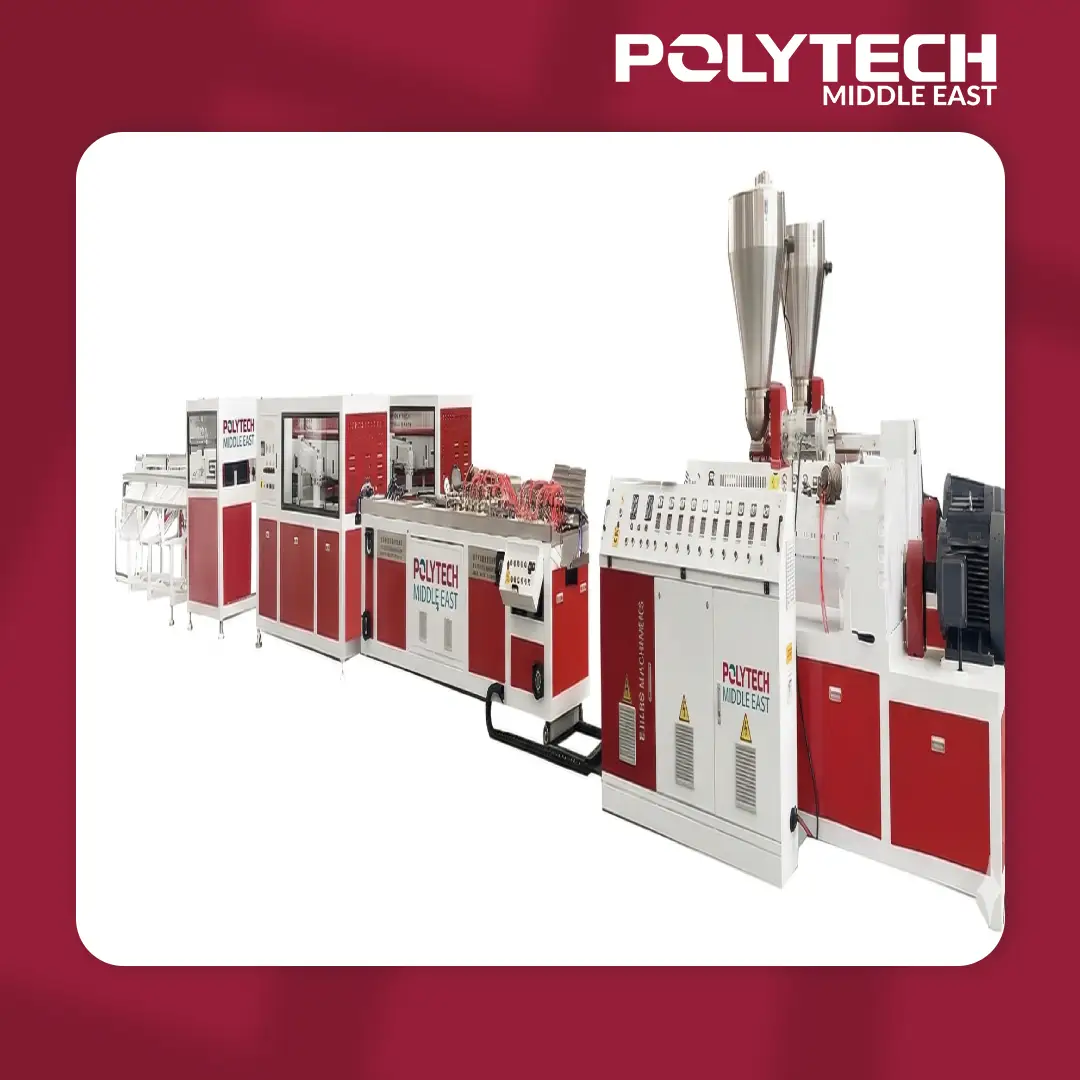
WPC/SPC Fluted Panel Production Line
Efficient WPC/SPC fluted panel production line for durable decorative wall and ceiling panels. Automated extrusion with sustainable materials yields high-capacity, water‑resistant panels.
Category -> Full Extrusion Lines
Description
WPC/SPC Fluted Panel Production Line – decorative boards with evenly spaced linear grooves – are an increasingly popular design element. They add visual depth, texture and a sense of height to both interior and exterior spaces, complementing minimalist or natural styles. Many designers highlight their ability to break up flat walls, improve room acoustics, and play with light and shadow for dynamic effects.
- Design impact: Uniform vertical grooves create a sculptural, rhythmic look that enriches flat walls.
- Textural depth: Light interacts with the flutes to add shadows and highlight a wall’s dimensions.
- Acoustic benefits: Fluted surfaces help scatter sound waves, softening room acoustics.
- Trend appeal: Fluted panels are especially popular in modern interiors, aligning with biophilic and minimalist design trends.
WPC vs SPC: Core Materials
- WPC (Wood Plastic Composite): Panels have a core of wood fiber (e.g. sawdust or bamboo powder) mixed with a polymer (PVC or PE). This makes them lighter and more flexible. WPC boards offer a natural wood-like finish and even slight thermal insulation due to the wood content.
- SPC (Stone Plastic Composite): Panels use a core of calcium carbonate (limestone) with PVC and stabilizers. The result is a very dense, rigid board that is heavier, 100% waterproof and dimensionally stable.
- Comparison: SPC panels provide superior hardness and moisture resistance, ideal for wet areas, while WPC panels look and feel more like real wood, with some insulating property. In practice, SPC is chosen for its durability, whereas WPC is valued for warmth and flexibility.
Production Line Overview
- Material Preparation: Offcuts and wood scraps are first crushed and milled into a fine powder, then thoroughly mixed with PVC powder and additives (stabilizers, colorants, etc.).
- Extrusion: The mixed powder is fed (often via an automatic loader) into a co-rotating twin-screw extruder. This extruder melts and homogenizes the material, forcing it through a specially designed die that forms the fluted profile.
- Calibrating & Cooling: Immediately after extrusion, the hot panel moves over a vacuum calibration table. This sets its exact dimensions and surface finish while cooling (often by vacuum or water).
- Haul-Off & Cutting: A haul-off (puller) machine maintains constant tension, pulling the panel steadily along. An automated cutting unit then slices the continuous panel into specified lengths.
- Stacking: Finished panels are collected in a stacker for packaging and shipment.
Materials and Extrusion Technology
(WPC/SPC Fluted Panel Production Line)
- WPC Material Mix: Typically about 50–60% recycled wood fibers (sawdust, bamboo, etc.), 30–40% PVC or PE resin, and ~10% additives (UV stabilizers, fire retardants). This blend yields panels that mimic wood aesthetics.
- SPC Material Mix: Usually 60–70% calcium carbonate (limestone) powder, 25–30% PVC, and ~5–10% stabilizers. This heavy, inorganic mix creates a rock‑solid, moistureproof core.
- Extruder Design: Modern lines employ conical co-rotating twin-screw extruders for superior mixing of heavily filled compounds. These ensure the wood/plastic or stone/plastic blend is evenly melted and pressurized.
- Die and Finishing: The extrusion die is custom-machined to produce the desired flute pattern and panel width. After extrusion, vacuum calibration and cooling locks in precise thickness and a smooth surface. Optional surface treatments (embossing, painting or UV coating) can further enhance finish quality.
Technical Features
- Automation & Control: The line can be fully automated with PLC or computer control, ensuring consistent quality with minimal manual intervention. Automated feeders and heaters precisely regulate material flow and temperature.
- Production Speed & Capacity: High-output extruders can produce on the order of 150–250 kg of panel per hour (or more), depending on panel width and formulation. Integrated loaders, pullers, and cutters keep up with the high throughput.
- Surface Quality: Vacuum calibration and staged cooling yield a smooth, uniform surface. Precision cutting and stacking ensure panel edges remain straight and free of defects. Optional in-line finishing units (embossers or coating lines) can be added.
- Durable Operation: Advanced temperature control prevents burning of wood fibers. Energy‑efficient heaters and chillers keep the line running stably. High-precision extrusion minimizes warpage and dimensional drift.
Sustainability and Durability
- Long-Lasting: WPC/SPC panels resist water, rot and insects. They do not swell, warp or crack, even outdoors. Many manufacturers even guarantee waterproof and termite-proof performance.
- Eco-Friendly: WPC panels often contain recycled wood/plastic content, reducing waste. Both WPC and SPC emit no harmful VOCs or formaldehyde. Choosing these materials reduces reliance on tropical hardwoods.
- Minimal Maintenance: Unlike natural wood, composite panels require little upkeep. Periodic cleaning or repainting (weather-resistant paint or polish) is enough to keep them looking new. This saves time and costs over the building’s lifetime.
- Fire and UV Resistance: Many composite panels are formulated for flame retardancy (e.g. Class B1 rating) and contain UV stabilizers to prevent fading. These safety features are valuable in commercial and residential projects.
- Green Building Contribution: Using recycled-content panels supports green certifications (LEED, BREEAM, etc.). Their durability and long service life also reduce lifecycle waste and carbon footprint.
Business Value
- Growing Market: Fluted panels are a high-demand trend in architecture and interior design. Google Trends shows a sharp rise in searches for WPC wall panels in recent years. Installing a fluted panel line lets manufacturers tap into this fast-expanding segment.
- Cost Savings: The lightweight panels and snap-fit installation reduce labor and installation time. Manufacturers benefit from high throughput and low scrap rates. Installers save on cutting and finishing costs.
- Repeat Business: Long-lasting, low-maintenance panels satisfy end customers. Businesses offering durable solutions see higher customer retention and referrals, boosting sales over time.
- Competitive Edge: Adding WPC/SPC fluted panels to a product portfolio differentiates a company in the booming interior/exterior décor market. With these trendy panels, factories and installers can compete on innovation and sustainability.
Products
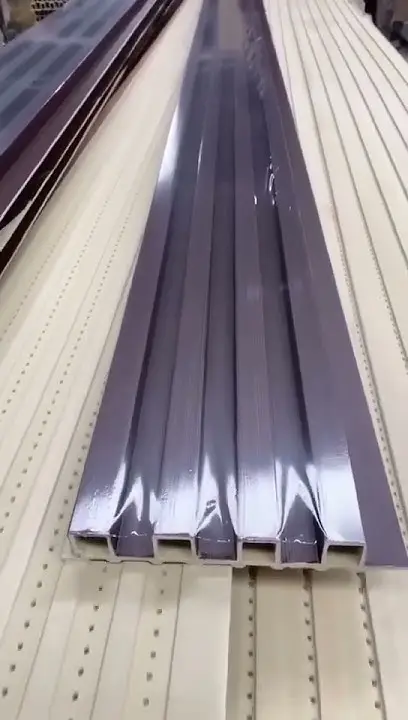
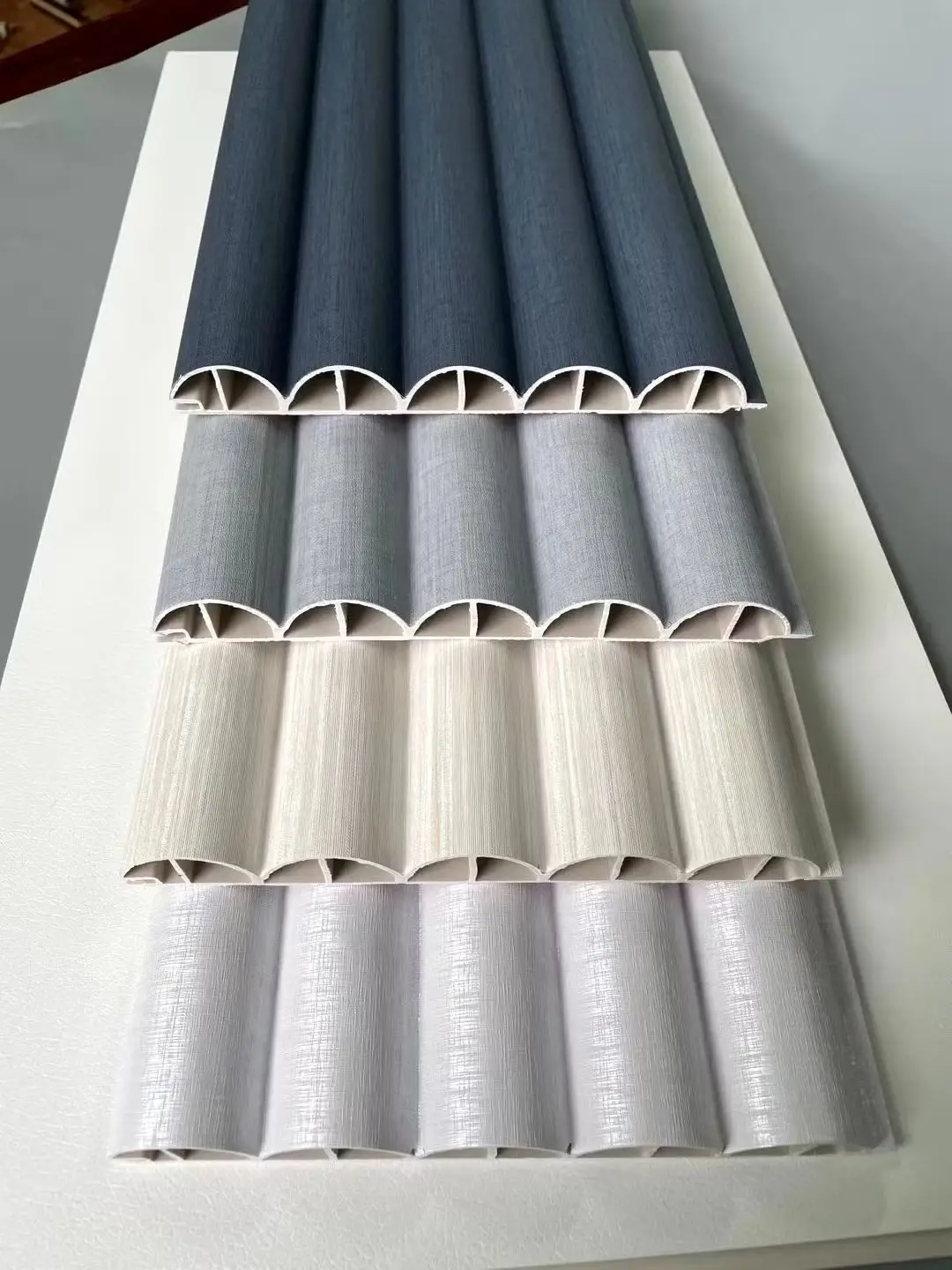
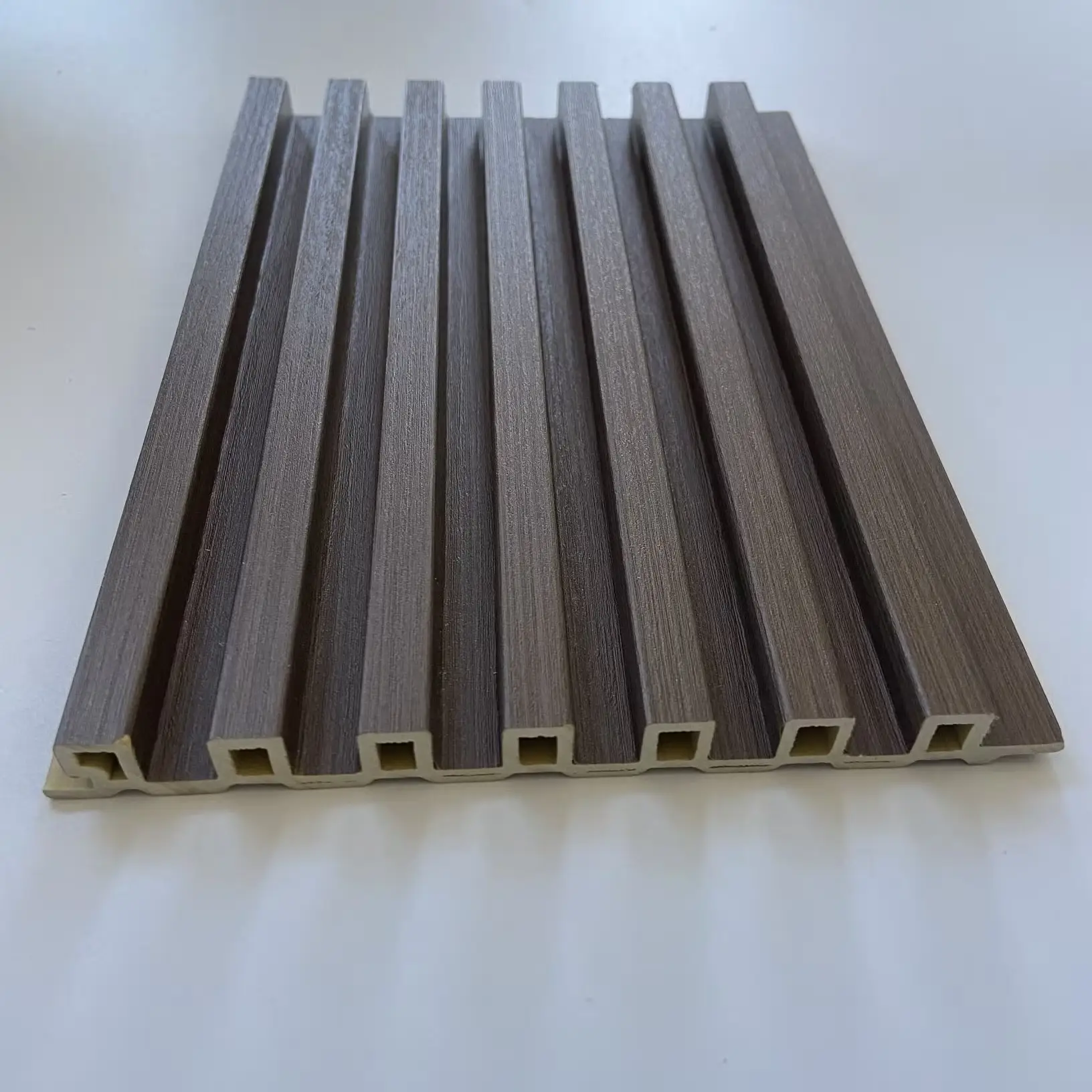
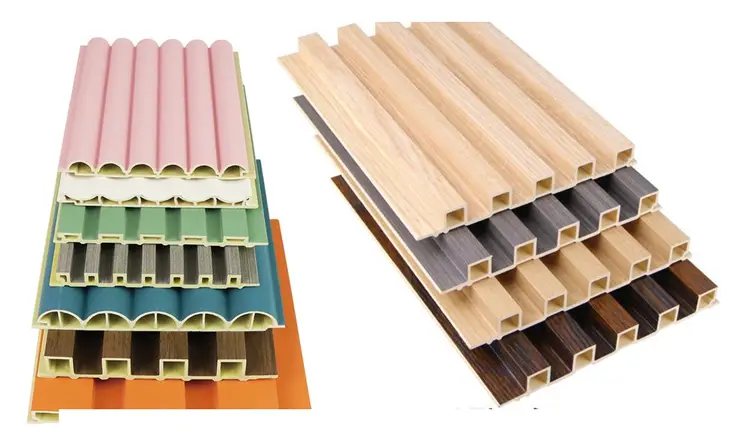
Applications of Fluted Panels
- Wall Cladding: Fluted panels are widely used as decorative wall coverings indoors and outdoors, adding elegance and texture to living rooms, lobbies, offices, etc..
- Ceiling Design: Installing panels on ceilings adds warmth, defines zones, conceals utilities and improves acoustics. They are used in hotels, conference halls, and modern homes to create linear ceiling accents.
- Partitions & Dividers: Panels serve as stylish room dividers or office partitions, providing separation while maintaining a unified look.
- Columns & Furniture: Structural columns or island bases can be wrapped in fluted panels for a cohesive effect. Designers also use them on cabinetry fronts, headboards and reception desks for integrated detail.
- Exterior Facades: Moisture‑resistant WPC/SPC panels are suitable for exterior cladding and architectural façades. They withstand weather and provide a sleek finish to building exteriors.
Applications
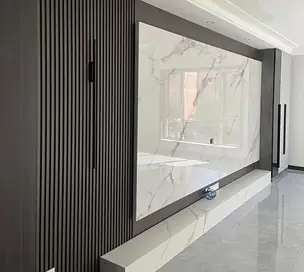

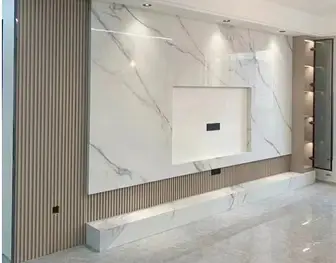
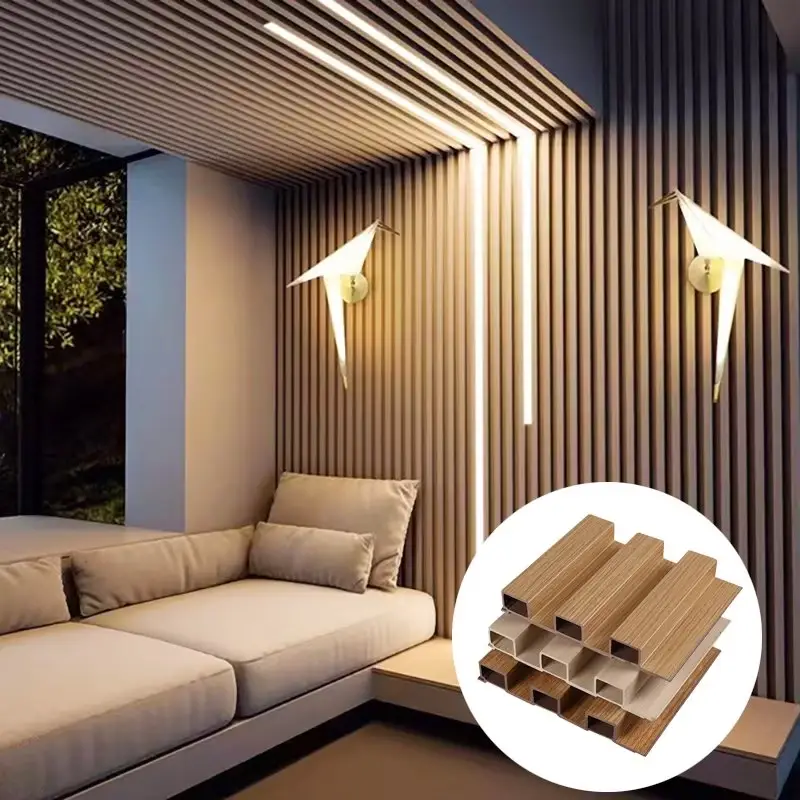
Gallery
Main Features
| Specification | Value |
|---|---|
| Panel Type | WPC (wood–plastic composite) or SPC (stone–plastic composite) fluted wall panels. |
| Raw Materials | WPC: wood fiber + polymer (PVC/PE) + CaCO₃ + additives; SPC: limestone (CaCO₃) + PVC + additives. |
| Extrusion Type | Conical twin-screw extruder. |
| Panel Width Range | 100–600 mm. |
| Panel Thickness Range | 19–30 mm. |
| Output Capacity (kg/h) | ≈120–400 kg/h (depending on model). |
| Line Speed (m/min) | ≈0.8–1 m/min. |
| Control System | PLC (e.g. Siemens) control system. |
| Power Supply | 380 V AC, 50 Hz, 3-phase (typical). |
| Optional Features | Optional equipment: material feeder, mixer, crusher, laminator, etc.. |
Related products
-
 Full Extrusion Lines
PET Sheet Production Line
-
 Full Extrusion Lines
SPC Flooring Extrusion Line
-
 Full Extrusion Lines
PVC Flooring Roll Making Machine Line
-
 Full Extrusion Lines
WPC Foam Board Extrusion Line