


PVC Resin K58
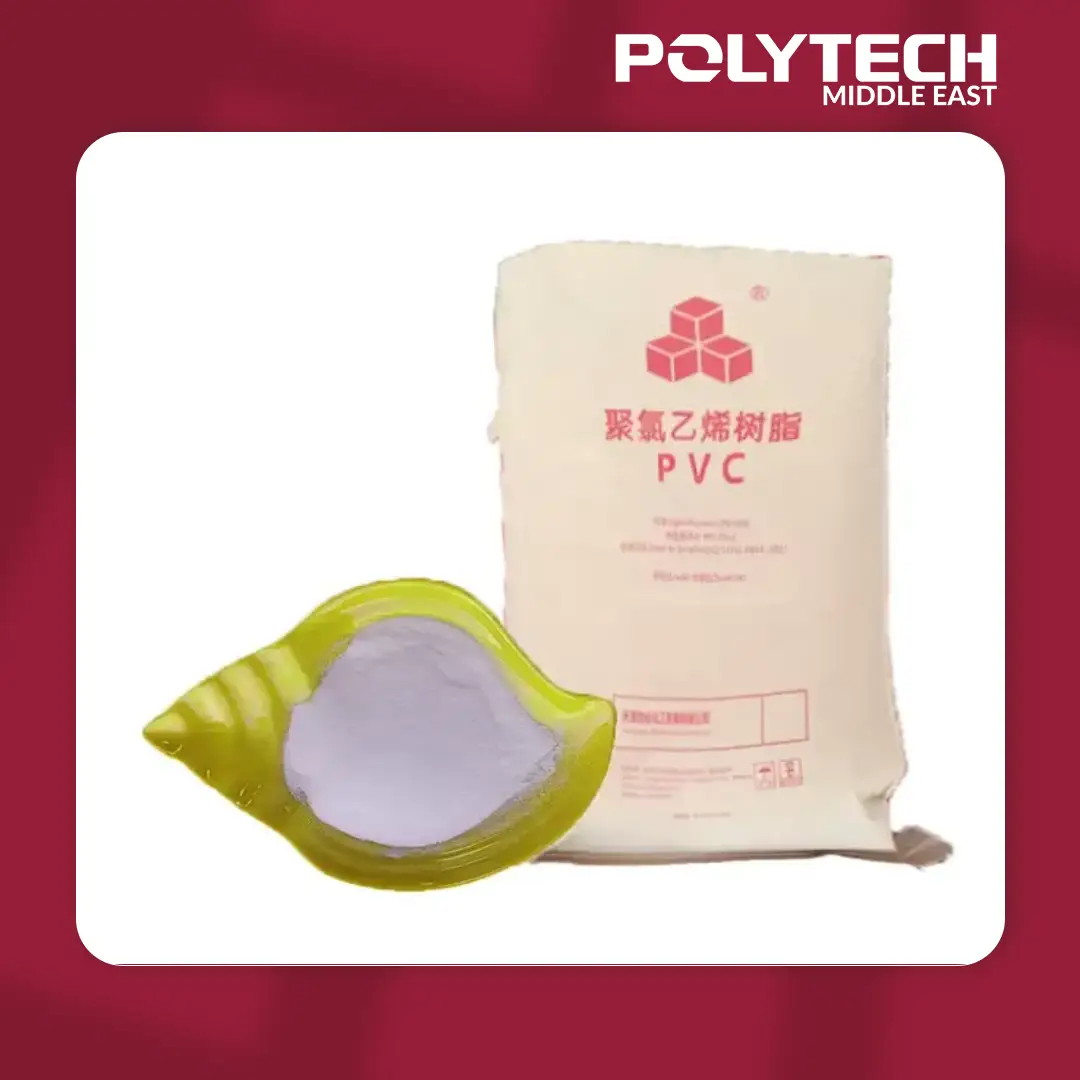
PVC Resin K58
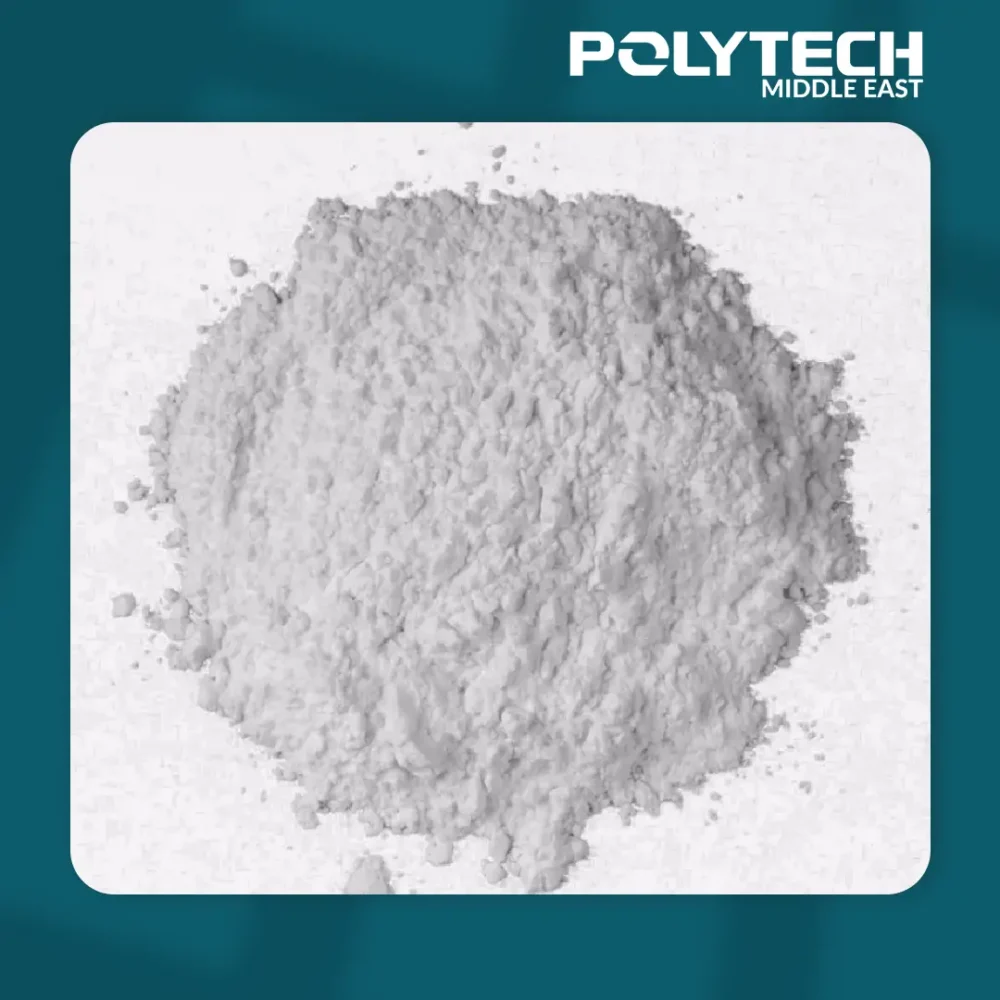
Discover premium-quality PVC Resin K58, a versatile raw material used in producing rigid and flexible PVC products.
With excellent thermal stability, good mechanical strength, and easy processability, PVC K58 ensures superior performance in extrusion, injection, and film applications — ideal for pipes, profiles, and sheets.
Category -> Raw Materials
Description
PVC Resin K58 is a high-quality suspension-grade polyvinyl chloride (PVC) polymer widely recognized for its excellent balance between mechanical strength, processability, and thermal performance.
>It represents a medium K-value resin (viscosity grade) with an optimal molecular weight, making it ideal for both rigid and semi-rigid plastic applications.
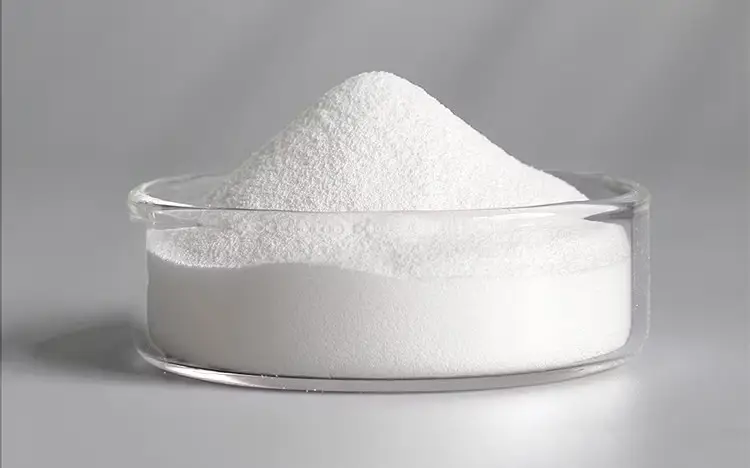
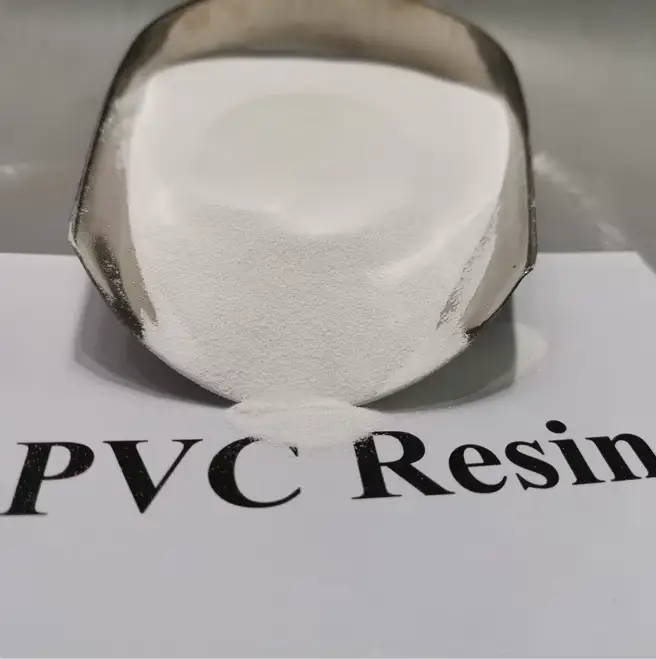
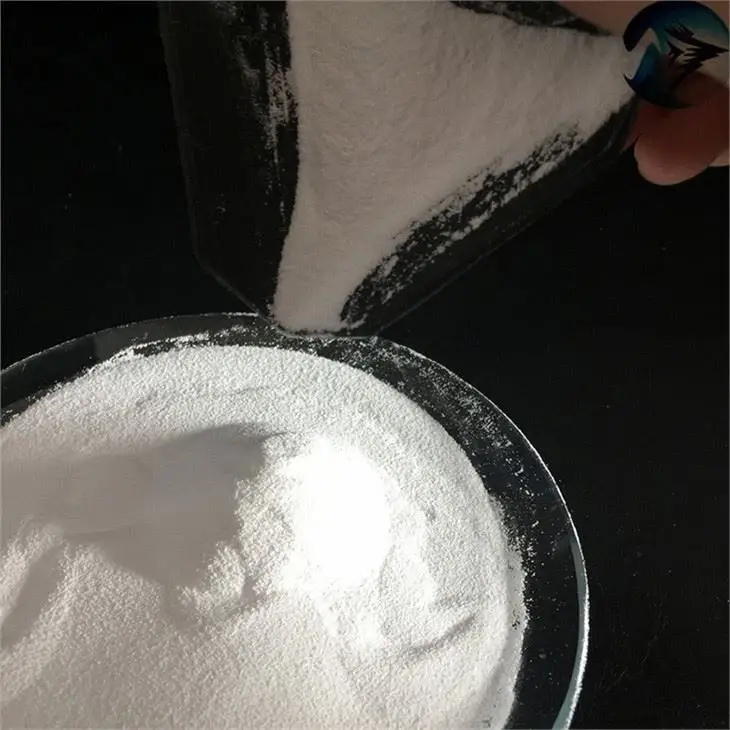
This resin exhibits high purity and uniform particle size, ensuring smooth fusion behavior and consistent output during extrusion and injection molding.
Its performance remains stable under varying processing conditions, minimizing yellowing, degradation, and surface imperfections.
PVC K58 shows excellent compatibility with heat stabilizers, plasticizers, impact modifiers, lubricants, and fillers, allowing manufacturers to precisely tailor the final properties of PVC compounds for different product requirements.
Typical end uses include pipes, fittings, profiles, transparent sheets, and cables, where clarity, mechanical strength, and surface quality are key performance indicators.
In short, PVC Resin K58 provides cost-effective processing, dimensional stability, and long-term durability, making it one of the most widely used and trusted resins in the PVC industry.
What is PVC Resin K58?
PVC Resin K58 is a suspension-polymerized grade of polyvinyl chloride (PVC) with a medium molecular weight corresponding to a K-value of 58.
>The “K-value” is a measure of polymer chain length and viscosity — in this case, K58 provides an excellent balance between melt flow and mechanical strength.
This grade is highly versatile and widely used in both rigid and flexible PVC formulations, offering excellent fusion characteristics, smooth surface finish, and superior dimensional stability.
>Because of its balanced flow properties, PVC K58 is particularly suitable for extrusion and injection molding processes where consistency and thermal resistance are essential.
In addition, its compatibility with a broad range of additives — including stabilizers, lubricants, and plasticizers — allows manufacturers to fine-tune performance for diverse applications such as pipes, profiles, cables, and transparent films.
How PVC Resin K58 Works
PVC Resin K58 is produced through a suspension polymerization process of vinyl chloride monomer (VCM).
>During this process, polymer chains are formed in a controlled environment, resulting in uniform grain size, consistent molecular weight distribution, and high purity, all of which are essential for stable melt behavior and product consistency during processing.
Once polymerized, PVC K58 can be compounded with additives to create formulations suited for specific applications. These additives may include:
- Heat stabilizers, to protect the polymer during high-temperature processing.
- Plasticizers, to enhance flexibility and softness for semi-rigid or flexible products.
- Lubricants, to improve flow, reduce friction, and achieve a smooth surface finish.
- Impact modifiers, to increase toughness and impact resistance.
- Fillers and pigments, to adjust mechanical and aesthetic properties.
During extrusion or injection molding, PVC K58 softens uniformly and fuses with additives, forming a homogeneous melt. This ensures:
- Stable processing behavior even under variable thermal and shear conditions.
- Excellent dispersion of all components within the polymer matrix.
- Improved melt strength, allowing better dimensional control and reduced deformation.
- Enhanced surface appearance, with minimized yellowing or degradation.
Because of these characteristics, PVC K58 delivers reliable thermal stability, controlled viscosity, and predictable mechanical properties, making it suitable for high-speed production lines and precision extrusion.
In summary, the performance of PVC K58 comes from its optimized polymer structure, consistent fusion characteristics, and excellent additive compatibility, ensuring superior results in both rigid and flexible PVC manufacturing processes.
Types of PVC Resin
PVC resins are classified according to their K-value, which indicates the molecular weight and viscosity of the polymer.
This value determines how the resin behaves during processing and how it performs in the final product.
Generally, PVC resins are divided into three main categories:
Low K-value (K50 – K55):
These grades have low molecular weight and high melt flow, making them ideal for coatings, films, and plastisol applications where easy processing is required.
However, they offer lower mechanical strength and thermal resistance.
Medium K-value (K57 – K60):
This range, which includes PVC Resin K58, offers the best balance between processability and mechanical performance.
It provides excellent fusion, smooth surface finish, and stable extrusion flow — perfect for pipes, profiles, cables, and sheets.
K58, in particular, combines versatility with consistent quality, making it a universal grade for both rigid and semi-rigid formulations.
High K-value (K65 – K70):
These grades have higher molecular weight and provide greater toughness, impact resistance, and tensile strength.
They are preferred for high-strength products, such as large-diameter pipes, industrial fittings, and impact-modified sheets.
However, higher K-value resins are more difficult to process due to increased melt viscosity.
By selecting the appropriate K-value, manufacturers can fine-tune the balance between strength, flow, and processing efficiency to meet the performance demands of different PVC applications.
PVC K58 stands out as the most widely used and versatile grade, offering stable thermal performance, high surface quality, and cost-effective processing — a reliable choice for modern PVC production lines.
Selection Criteria for PVC Resin K58
When selecting PVC Resin K58 for your production line, several factors must be considered to ensure optimal performance, processing efficiency, and cost-effectiveness.
Application Type:
K58 is best suited for rigid and semi-rigid PVC products such as pipes, fittings, profiles, and transparent sheets.
Its medium K-value offers balanced viscosity for both extrusion and injection molding processes.
Processing Method:
Compatible with a variety of processing techniques — including extrusion, injection molding, calendaring, and film blowing — ensuring versatility across different production setups.
Additive System Compatibility:
Performs exceptionally well with calcium-zinc stabilizers, lubricants, and impact modifiers, allowing flexible formulation adjustments without compromising product quality.
Regulatory Compliance:
Meets international safety and environmental standards such as RoHS and REACH, making it suitable for both industrial and consumer-grade applications.
Operational Efficiency:
Offers excellent fusion characteristics, stable output, and reduced energy consumption due to its uniform particle size and predictable flow behavior.
Cost–Performance Balance:
PVC K58 provides an ideal middle ground between mechanical performance and ease of processing, delivering consistent quality at an economical price point.
Conclusion
PVC Resin K58 is a versatile, high-quality polymer offering a unique combination of strength, processability, and consistency.
>Its balanced molecular weight makes it suitable for both rigid and flexible PVC formulations, while its compatibility with a wide range of additives allows precise control over product performance.
From pipes and profiles to films and cables, PVC K58 remains the preferred choice for manufacturers seeking reliable, cost-effective, and high-performing raw materials in the global plastics industry.
Products
PVC Resin K58 is one of the most versatile and widely used grades in the PVC family, offering a perfect combination of mechanical strength, process stability, and surface quality.
Its balanced molecular structure allows it to perform efficiently across multiple industrial sectors.
Here are the most common applications:
Pipes and Fittings:
Ideal for water supply, drainage, and conduit systems due to its excellent pressure resistance, thermal stability, and long service life.
Profiles and Window Frames:
Provides smooth surface finish, dimensional stability, and UV resistance, making it a preferred material in the construction and building industries.
Cables and Wires:
Serves as a base resin for flexible insulation and sheathing compounds when blended with plasticizers, ensuring electrical safety and flexibility.
Sheets and Films:
Offers high transparency, toughness, and chemical resistance, making it suitable for packaging, thermoforming, and protective coverings.
Panels, Boards, and Flooring Materials:
Ensures consistent mechanical strength, easy fabrication, and aesthetic surface quality for decorative and structural applications.
Injection-Molded Products:
Delivers reliable melt flow and surface smoothness, supporting the production of fittings, connectors, and technical components.
Industrial and Consumer Goods:
Used in manufacturing everyday plastic items where durability, gloss, and cost efficiency are required.
In all these applications, PVC Resin K58 delivers stable performance, excellent processability, and long-term durability — making it a trusted material for both rigid and flexible PVC product manufacturing.
Applications
Gallery
Main Features
| Property | Unit | Typical Value | Test Method / Standard |
|---|---|---|---|
| Polymer Type | — | Suspension PVC (S-PVC) | — |
| K-Value | — | 58 ± 1 | ISO 1628-2 / DIN EN ISO 1628 |
| Apparent Density | g/cm³ | 0.52 – 0.58 | ISO 60 |
| Volatile Matter (Moisture) | % | ≤ 0.3 | ASTM D3030 |
| Sieve Residue (250 µm) | % | ≤ 0.1 | ISO 565 |
| Plasticizer Absorption (DOP) | g/100g resin | ≥ 20 | ISO 4608 |
| Whiteness (Initial) | — | ≥ 90 | ISO 2469 |
| Thermal Stability (at 200°C) | min | ≥ 80 | ASTM D2115 |
| Volatility Loss (at 105°C) | % | ≤ 0.3 | ASTM D1200 |
| Particle Size Distribution | μm | 50 – 150 | Laser Granulometry |
| Bulk Density | g/cm³ | 0.50 – 0.58 | ISO 60 |
| Application Type | — | General Purpose, Rigid & Flexible | — |
| Recommended Processing | — | Extrusion / Injection / Calendering | — |
Related products
-
 Raw Materials
CPE
-
 Raw Materials
PVC Resin K67
-
 Raw Materials
Heat Stabilizer
-
 Raw Materials
OnePack Additives for PVC