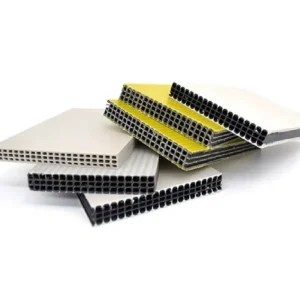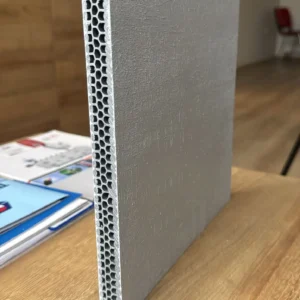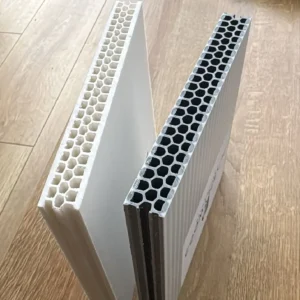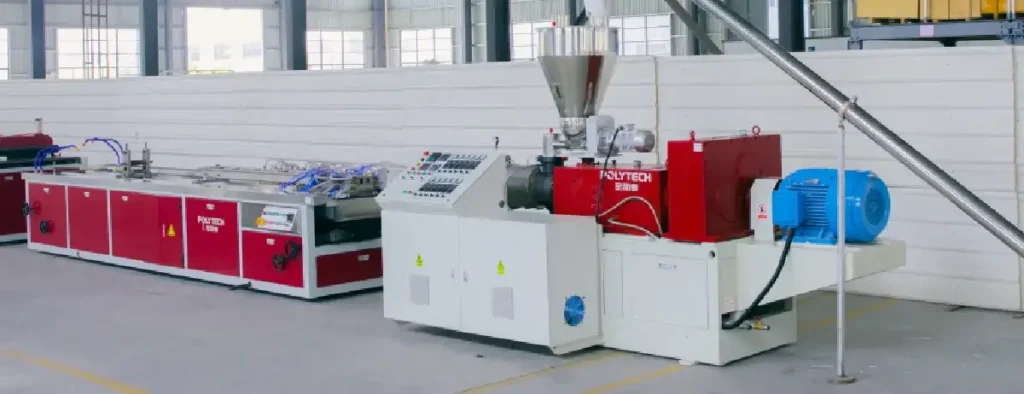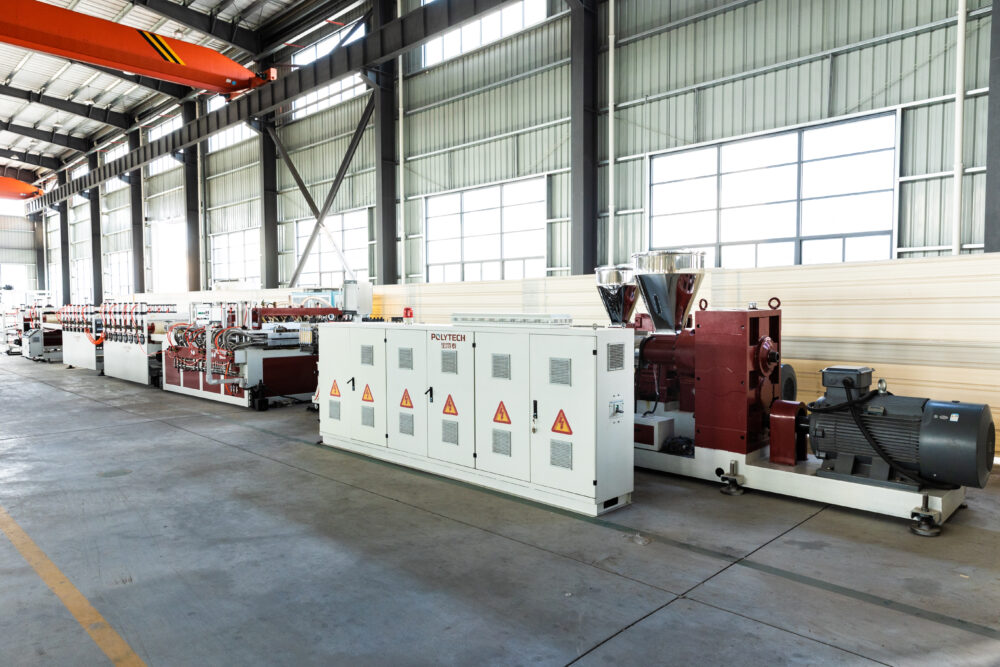


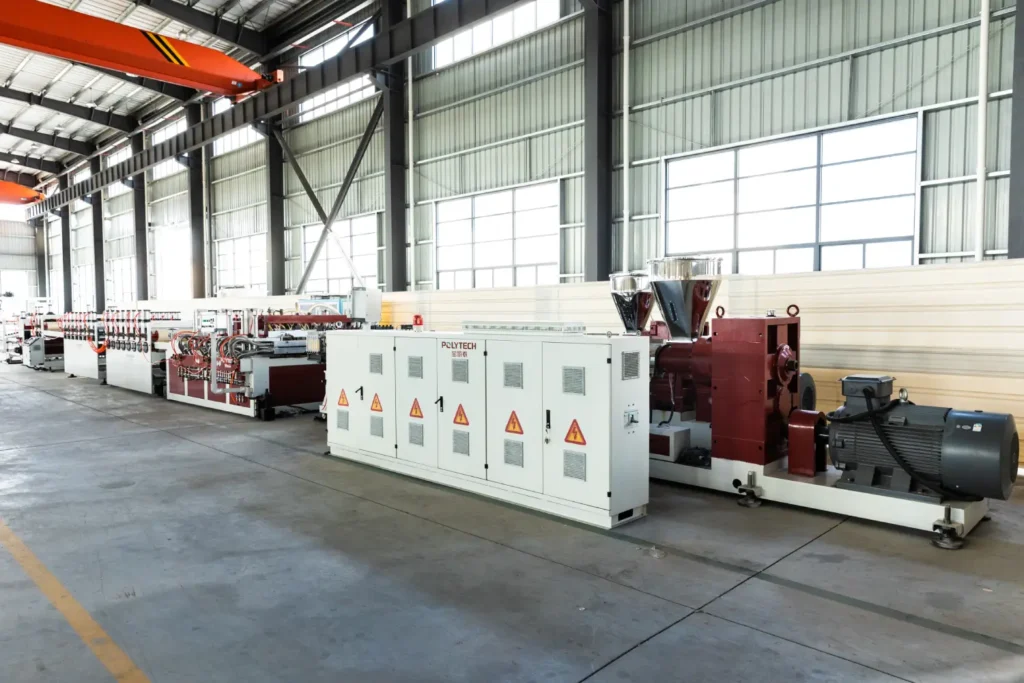
A PP hollow sheet extrusion line is an industrial system for producing polypropylene panels with fluted, hollow cores. These lines combine a plastic extruder, a specialized die and downstream units (calibrators, haul-offs, cutters) to continuously form large hollow sheets. Modern PP hollow sheet extrusion lines deliver high-volume output, enabling faster, more efficient production of high-strength panels for packaging, signage, construction formwork and other uses.
- Lightweight & High Strength: PP hollow sheets are much lighter than equivalent solid boards yet retain excellent stiffness and impact resistance. This lightweight, high-strength construction produces durable panels while reducing material use and simplifying handling.
- Recyclable & Eco-Friendly: Made from non-toxic polypropylene, PP hollow sheets are 100% recyclable. They often replace corrugated board, offering longer service life and resistance to moisture and impact.
- High Precision & Efficiency: Modern PP hollow sheet extrusion lines use high-speed, energy-efficient extruders and precise calibration controls. This ensures uniform sheet thickness and tight tolerances, yielding consistent high-quality panels with minimal waste.
Each of these advantages – lightweight strength, recyclability and tight process control – underlines why PP hollow sheet extrusion lines are integral to modern industrial sheet production
A PP hollow sheet extrusion line is a specialized plastics production system that melts polypropylene (PP) resin and extrudes it through a corrugated die to form multi-layered hollow-profile sheets. These plastic “corrugated” boards consist of twin- or multi-wall panels with internal flutes (similar to corrugated cardboard), giving high stiffness at low weight. They serve as durable, lightweight substitutes for cardboard, wood, or aluminum panels in packaging, signage and other applications. A typical line includes a single-screw extruder, feeding/blending unit, vacuum calibrating table, multi-pair haul-off rollers, an optional corona treater, and a servo-driven cross-cut saw with stacker.
Features
- High-performance extruder: Single-screw extruder (Ø90–150 mm, L/D ~33–36) with specialized screw geometry ensures uniform plasticization and allows high filler loading (up to ~60%).
- Precise control system: PLC touchscreen controls multi-zone heaters and feed rates, giving stable melt temperature and consistent, high-quality output.
- Vacuum calibration: Vacuum-assisted calibrator (T-die) produces accurate flute profiles; the vacuum hold-down plus infrared ovens yield flat, dimensionally stable sheet.
- Corona treatment: Optional on-line corona unit (high-frequency discharge) raises surface energy, enabling easy printing, coating or lamination on the PP sheet.
- Haul-off and cutting: First-stage haul-off uses 6 pairs of rubber-coated rollers and a second-stage 3-pair puller to convey the sheet through ovens. A PLC-controlled servo cross-cut saw provides precise, fixed-length cutting.
- Layer options: Die designs allow 3-layer coextruded (ABA or BAB) or double-wall (AB) profiles. Standard flute heights (2–6 mm or 8–12 mm) or special X-flute patterns can be produced.
Specifications
| Parameter | Specification Range |
|---|---|
| Sheet Width | 1000 – 3000 mm (common models 1200, 2100, 2600 mm) |
| Sheet Thickness | 2 – 20 mm (2–6 mm single-wall, 8–12 mm double-wall) |
| Output Capacity | 200 – 500 kg/h (depending on line size and screw diameter) |
| Extruder Screw Diameter | Ø90 – Ø150 mm (some models up to Ø180 mm) |
| Screw L/D Ratio | 33:1 – 36:1 |
| Main Extruder Motor Power | 75 – 185 kW (typical range for medium to large lines) |
| Total Line Power | 100 – 200 kW including haul-offs and ovens |
| Material | Virgin or recycled polypropylene (optionally with 40–60% CaCO₃ filler, UV or flame-retardant additives) |
Applications
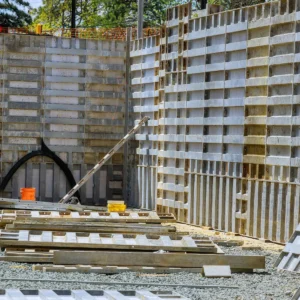
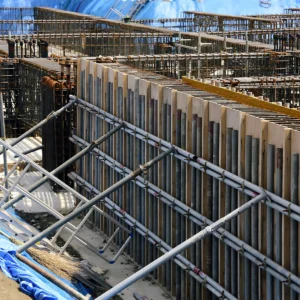
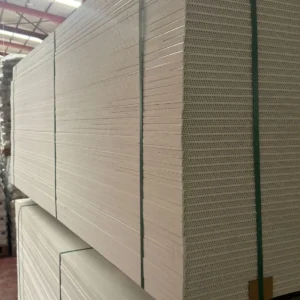
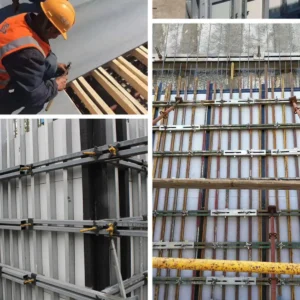
PP hollow sheets are used across many industries due to their light weight, durability and moisture resistance. Packaging: Produce crates (fruit, vegetable, seafood), shipping containers, turnover boxes and reusable pallets – PP boards are waterproof and impact-resistant for food and industrial packaging. Construction: Reusable formwork panels, floor/ceiling protection sheets, wall partitions and insulation covers – they replace wood/steel and can be recycled or reused many times. Signage & Displays: Printed corrugated panels serve as outdoor signs, exhibition stands, point-of-purchase displays and election campaign boards, thanks to their printability and weather resistance. Office & Industrial: Stationery (file dividers, boxes), trade-show displays, tote trays and partition panels – the sheets are easy to cut, colorable and often 100% recyclable. These versatile boards also appear in agriculture (seedling trays, greenhouse panels) and retail (floor protection, promotional boards).
Performance and Advantages
Modern PP hollow-sheet lines deliver high productivity with low energy usage. Optimized screw designs and vacuum calibration allow continuous, high-throughput operation with very low scrap (<2–3% waste). Machines are built for long life (extruders often rated 10+ years) with minimal maintenance. The sheets themselves are highly advantageous: they are extremely lightweight yet rigid, with excellent moisture-, chemical- and corrosion-resistance. The hollow-core structure provides high stiffness-to-weight ratio and good impact and acoustic absorption. PP sheets are non-toxic and fully recyclable (many producers use >50% regrind or CaCO₃ filler). Overall, using mineral fillers and recycled PP greatly cuts material cost, making the hollow sheet line a cost-effective, eco-friendly solution for large-volume sheet production.
PP Hollow Sheet Machine Model
A representative model might be the TS2600 line (for 2600 mm width capacity). It features a single-screw extruder (e.g. Ø130 mm, L/D 36) with ~132–160 kW drivefeeding a co-extrusion T-die. Downstream is a vacuum calibrator table (2600 mm wide) followed by haul-off sections (6 pairs then 3 pairs of rollers). Infrared annealing ovens and an on-line corona treater condition the sheet, and finally a PLC-controlled servo cross-cut saw cuts boards to length and stacks them. This configuration (extruder → calibrator → haul-offs → cutter) is typical; some high-capacity lines use twin-screw extruders or longer ovens for even higher output. The TS2600, for example, yields roughly 400–450 kg/h at ~2450 mm width with a 132–160 kW extruder motor. This illustrates the common single-screw, vacuum-calibrated design of modern PP hollow sheet lines.
Products