

Introduction
A PMMA sheet (Poly(methyl methacrylate) sheet), often referred to as acrylic sheet or plexiglass, is a transparent thermoplastic material widely used in many industries. It offers excellent clarity, weather resistance, and durability, making it a popular alternative to glass. Whether in signage, windows, lighting, medical devices, or architectural elements, PMMA sheets bring together performance and aesthetics in a lightweight material.
Originally developed in the 20th century, PMMA has evolved through innovations in polymer chemistry and processing methods. Today, it is produced in a variety of grades and formulations to suit different needs—from high optical clarity to impact-modified or UV-stable variants.
In this article, we will dive into what PMMA is, how PMMA sheets are made, their key properties, where they are used, their strengths and drawbacks, how to choose the right sheet, and what future trends are shaping this material. By the end, you’ll have a clear understanding of why PMMA sheets remain a top choice for many applications
What Is PMMA & History
PMMA (Poly(methyl methacrylate)) is a synthetic polymer belonging to the acrylic family. It is often marketed under trade names such as Plexiglass, Acrylic, or Perspex. Known for its high transparency and glass-like appearance, PMMA has become one of the most important thermoplastics in modern manufacturing.
The history of PMMA dates back to the 1920s and 1930s, when chemists in Germany and the UK were developing new synthetic resins. In 1933, the company Röhm & Haas first commercialized PMMA under the brand name “Plexiglass.” Shortly after, it gained worldwide recognition for its clarity and shatter resistance. During World War II, PMMA was widely used in aircraft canopies, submarine periscopes, and vehicle windows because it was lighter and safer than glass.
Since then, PMMA has expanded into countless industries. Its continuous development in polymer science has led to sheets that are UV-resistant, impact-modified, and available in many colors and finishes. Today, PMMA sheets remain a standard choice for both functional and decorative applications.
Types & Manufacturing Methods of PMMA Sheet
PMMA sheets come in a wide variety of forms, each designed for different performance requirements and applications. The method of manufacturing plays a critical role in determining the quality, strength, and cost of the sheet.
Process: Produced by casting liquid methyl methacrylate (MMA) monomer between two glass plates, then polymerizing it under controlled heat and pressure.
Key Features:
- Superior optical clarity (up to 92% light transmission).
- Higher molecular weight, which improves chemical resistance and surface hardness.
- Low internal stress, reducing the risk of cracking when cut or machined.
Applications: Aquariums, skylights, museum displays, medical devices, and precision optical components.
Advantages: Outstanding transparency and durability.
Limitations: Higher cost and longer production time compared to extrusion.
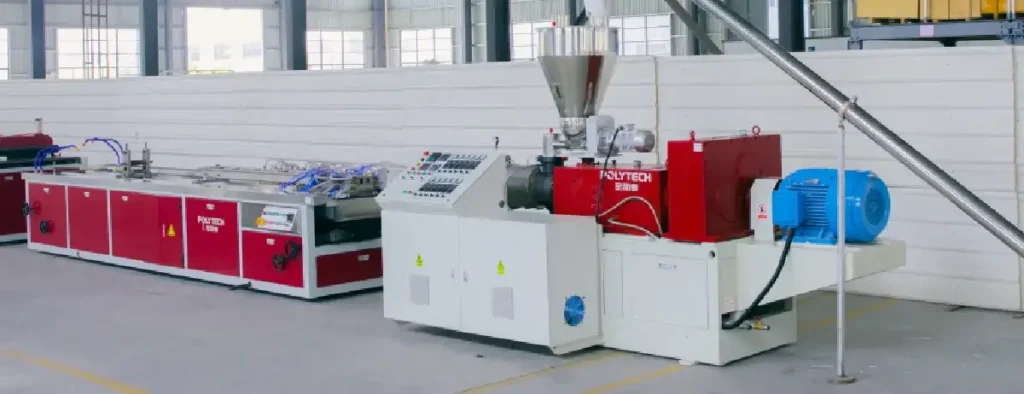
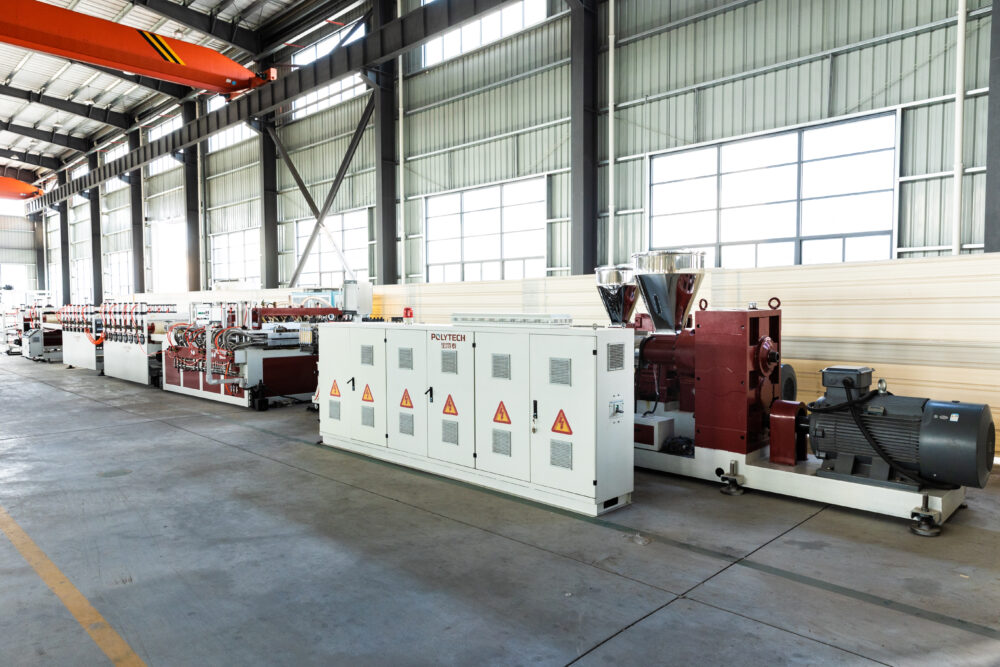
Process: Made by melting PMMA granules and forcing them through an extrusion die into continuous sheets.
Key Features:
- More economical and widely available.
- Consistent thickness tolerance, useful for applications requiring uniformity.
- Lower molecular weight compared to cast, which can affect chemical resistance.
Applications: Signage, retail displays, interior panels, point-of-sale stands, and protective barriers.
Advantages: Cost-effective, lightweight, easy to thermoform.
Limitations: More prone to thermal expansion and slightly less optical quality.
Process: Standard PMMA resin is blended with elastomeric (rubber-like) additives.
Key Features:
- Significantly improved impact resistance (up to 10x stronger than standard PMMA).
- Reduced risk of breakage, especially in outdoor or high-stress environments.
- Slight compromise on transparency compared to pure PMMA.
Applications: Protective shields, sports equipment, outdoor signage, machine guards.
Process: Incorporation of UV absorbers or co-extruded UV-protective layers.
Key Features:
- Prevents yellowing and degradation caused by long-term sunlight exposure.
- Retains clarity and strength for many years outdoors.
Applications: Greenhouses, outdoor panels, skylights, and architectural glazing.
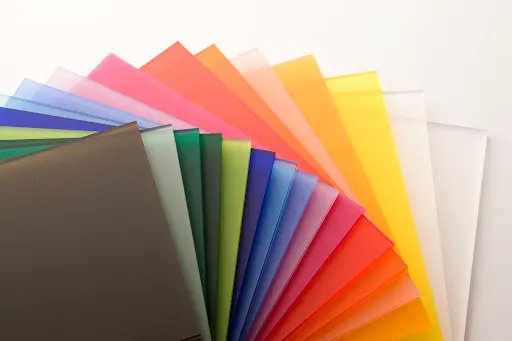
- Colored Sheets: Available in transparent, translucent, or opaque shades for design flexibility.
- Textured / Patterned Sheets: Frosted, matte, or patterned finishes reduce glare and improve privacy.
- Mirrored PMMA Sheets: Lightweight alternative to glass mirrors, often used in displays or safety-critical areas.
- Diffusion Sheets: Specially designed for LED lighting applications, providing even light distribution without hotspots.
- Co-extrusion Technology: Allows combining multiple layers in one sheet, e.g., a clear PMMA layer with a UV-stable or scratch-resistant surface.
- Recycled PMMA (rPMMA): With sustainability in focus, many manufacturers now offer sheets made from recycled material, reducing waste and environmental impact.
- Continuous Casting: A hybrid process that combines benefits of cast and extruded methods, offering better clarity than extrusion with more efficiency than batch casting.
In short, PMMA sheets are not one-size-fits-all. By choosing the right type—cast, extruded, modified, or specialty—clients can balance cost, performance, durability, and aesthetics to meet their specific needs.
Properties of PMMA Sheet
The unique balance of PMMA sheet properties explains why it continues to be one of the most widely used thermoplastics. From optical clarity to durability and weather resistance, each property contributes to its performance across industries.
Optical Properties
- Transparency: PMMA sheets can transmit up to 92–93% of visible light, surpassing standard glass. This high clarity makes them ideal for applications like aquariums, skylights, and display cases.
- Refractive Index: Around 1.49, giving it glass-like brilliance and excellent light transmission.
- UV Resistance: Unlike many plastics, PMMA does not easily yellow under UV exposure. UV-stabilized grades maintain clarity for 10–15 years outdoors.
- Color Options: Available in clear, tinted, frosted, and fully opaque varieties without losing brightness.
- Light Diffusion: Specialized diffusion sheets ensure even distribution of LED lighting, eliminating hotspots in signage and lighting panels.
Mechanical Properties
- Strength-to-Weight Ratio: About half the weight of glass, yet stronger, which reduces structural loads.
- Impact Resistance: 10–17 times more impact resistant than glass, though less than polycarbonate. Modified PMMA grades can achieve higher toughness.
- Flexural Strength: Typically 90–110 MPa, allowing PMMA to resist bending under moderate loads.
- Scratch Resistance: Cast PMMA offers superior surface hardness compared to extruded sheets, helping maintain clarity over time.
- Machinability: Easy to cut, drill, mill, polish, or laser cut with precise edges.
Thermal Properties
- Heat Deflection Temperature (HDT): Around 95–100°C under load.
- Glass Transition Temperature (Tg): Approximately 105°C, which determines the point at which it softens.
- Low Thermal Conductivity: Provides natural insulation compared to glass or metals.
- Thermoforming: Sheets can be heated and molded into complex 3D shapes without losing clarity, making them versatile in design and manufacturing.
- Flammability: Classified as self-extinguishing in many grades, but still more flammable than glass or metals.
Chemical Properties
- Resistant To: Diluted acids, detergents, fuels, and oils.
- Vulnerable To: Chlorinated solvents, ketones, and alcohol-based cleaners which can cause cracking or clouding.
- Moisture Resistance: Non-hygroscopic, meaning it does not absorb much water, which maintains dimensional stability.
- Hygiene & Safety: Non-toxic in solid form, widely used in food-contact and medical applications.
Environmental & Weathering Properties
- Weather Resistance: Exceptional durability in outdoor environments; retains clarity even after years of exposure.
- Temperature Tolerance Outdoors: Can withstand extreme cold (down to -40°C) without significant brittleness.
- Sustainability: 100% recyclable through depolymerization back to monomer (MMA), which can be reused to make new PMMA sheets.
- Biocompatibility: Extensively used in medical devices, prosthetics, dental fillings, and intraocular lenses, proving its safety for human contact.
Electrical Properties
- Dielectric Strength: About 20–25 kV/mm, making PMMA a reliable electrical insulator.
- Low Water Absorption: Maintains insulation performance even in humid environments.
- Transparency to Light Signals: Used in fiber optics and lighting components because it transmits light efficiently.
- Acoustic Properties
- Sound Transmission: PMMA provides good sound insulation, though less than laminated glass.
- Noise Barriers: Used in highways and construction projects as transparent noise-reduction panels.
📌 Summary: PMMA sheets combine exceptional transparency, moderate strength, outdoor durability, recyclability, and versatility. These properties make them one of the most reliable choices for industries ranging from construction and transportation to medical and electronics.
Applications & Uses of PMMA Sheet
Because of its unique combination of optical clarity, lightweight, durability, and weather resistance, PMMA sheet has become a key material across multiple industries. Below are the main areas where PMMA sheets are widely used:
- Windows & Skylights: PMMA is often chosen as a lightweight, shatter-resistant alternative to glass.
- Facades & Canopies: Offers transparency while withstanding UV exposure and harsh weather.
- Interior Design: Used for partitions, decorative panels, and furniture elements due to its clarity and availability in multiple finishes (clear, frosted, colored).
- Lighting Panels: Diffuser sheets provide uniform illumination in ceilings and commercial lighting.
- Car Windows & Sunroofs: Lightweight replacement for glass, reducing overall vehicle weight.
- Headlights & Taillights: Optical clarity and UV resistance make PMMA ideal for automotive lighting lenses.
- Aerospace Applications: Aircraft windows and cabin panels due to its balance of strength and light weight.
- Rail & Marine: Used for cabin glazing, signage, and interior fittings.
- Illuminated Signs: PMMA sheets diffuse LED light evenly, making signage vibrant and durable.
- Displays & Exhibitions: Transparent and colored sheets are used for branding displays and protective covers.
- 3D Letters & Logos: Laser-cut PMMA allows for precise branding solutions.
- Dental Applications: Used in dentures, prosthetics, and fillings due to biocompatibility.
- Medical Devices: Syringe components, incubator walls, and surgical instrument handles.
- Intraocular Lenses (IOLs): PMMA’s optical clarity and safety make it suitable for eye implants.
- Hygienic Surfaces: Non-porous nature makes it easy to disinfect in hospital settings.
- Aquariums: Large tanks use PMMA due to strength, clarity, and impact resistance.
- Furniture & Decor: Transparent tables, chairs, and shelving units.
- Protective Barriers: Widely used in retail and office environments as sneeze guards and safety shields.
- Household Items: Kitchenware, trays, and storage units.
- Machine Guards: Provides safety visibility in industrial machines.
- Noise Barriers: Transparent acoustic panels along highways.
- Art & Design: Sculptors and designers use PMMA sheets for creative projects.
- Prototyping: Rapid manufacturing of prototypes using PMMA because it’s easy to machine and polish.
📌 Summary: The versatility of PMMA sheet ensures its role across industries—from architecture and automotive to medical devices and consumer products. Its balance of clarity, strength, and workability makes it indispensable wherever both aesthetics and performance matter.
Advantages of PMMA Sheet Compared to Other Materials
When selecting transparent or translucent materials, clients often compare PMMA with glass, polycarbonate, and PETG. Each has its own benefits, but PMMA offers a unique balance that makes it a preferred choice in many industries.
PMMA vs. Glass
- Weight: PMMA is about 50% lighter than glass, reducing transportation and installation costs.
- Impact Resistance: Stronger and less likely to shatter dangerously, making it safer in public and industrial settings.
- Workability: Easy to cut, drill, and shape, while glass requires specialized tools.
- Clarity: PMMA transmits more visible light (up to 92%) than most types of glass, giving it superior transparency.
PMMA vs. Polycarbonate
- Clarity: PMMA is optically clearer, whereas polycarbonate may appear slightly tinted.
- Scratch Resistance: PMMA is naturally harder and more resistant to scratches, while polycarbonate often requires a coating.
- UV Stability: PMMA has better UV resistance, making it more suitable for outdoor applications without yellowing.
- Strength: Polycarbonate is tougher and more impact-resistant, so it’s preferred where extreme durability is required (e.g., bulletproof windows).
- Cost: PMMA is generally more affordable than polycarbonate.
PMMA vs. PETG
- Optical Quality: PMMA offers higher clarity and a more polished appearance.
- Scratch Resistance: PMMA resists scratches better, maintaining a cleaner look over time.
- Formability: PETG is easier to thermoform at lower temperatures, making it better for complex shapes.
- Durability: PMMA is stiffer and offers better long-term weather resistance outdoors.
📌 Key Takeaway:
PMMA sits between glass and polycarbonate—it’s lighter and safer than glass, clearer and more UV-resistant than polycarbonate, and more premium in appearance than PETG. This makes it ideal for architectural, automotive, medical, and decorative uses where a balance of beauty and function is needed.
Conclusion & Call to Action
PMMA sheet has established itself as one of the most versatile and reliable plastic materials available today. Its exceptional optical clarity, lightweight properties, durability, and UV resistance make it a preferred choice across industries ranging from construction and automotive to medical, signage, and consumer products. Compared to alternatives like glass, polycarbonate, and PETG, PMMA offers a unique balance of performance, aesthetics, and cost-effectiveness.
As the market continues to evolve, PMMA sheets will play a critical role in sustainable development, innovative product design, and high-tech applications. With growing demand for eco-friendly materials, manufacturers are already investing in recycled and biobased PMMA, ensuring that the material remains relevant in the future.