

Introduction
A plastic production factory is a modern industrial facility dedicated to manufacturing a wide range of plastic products used in construction, packaging, automotive, medical, electrical, and consumer industries. Through advanced production technologies and automated manufacturing systems, plastic factories are capable of producing high-quality products with precision, efficiency, and consistency.
As global demand for plastic products continues to grow, modern factories focus on improving productivity, reducing waste, and maintaining strict quality standards. These facilities integrate advanced machinery, skilled workforce, and optimized production processes to meet the evolving requirements of various industries.
The Role of a Plastic Production Factory
Plastic production factories play a vital role in supplying essential materials and products for countless applications. From household items to industrial components, these facilities transform raw materials into functional products that support modern infrastructure and manufacturing.
Key functions of a plastic production factory include:
- Raw material processing and preparation.
- Plastic extrusion and molding operations.
- Product finishing and quality inspection.
- Packaging and distribution.
- Product development and customization.
By combining these processes, factories ensure efficient production while maintaining high product standards.
Advanced Manufacturing Technologies
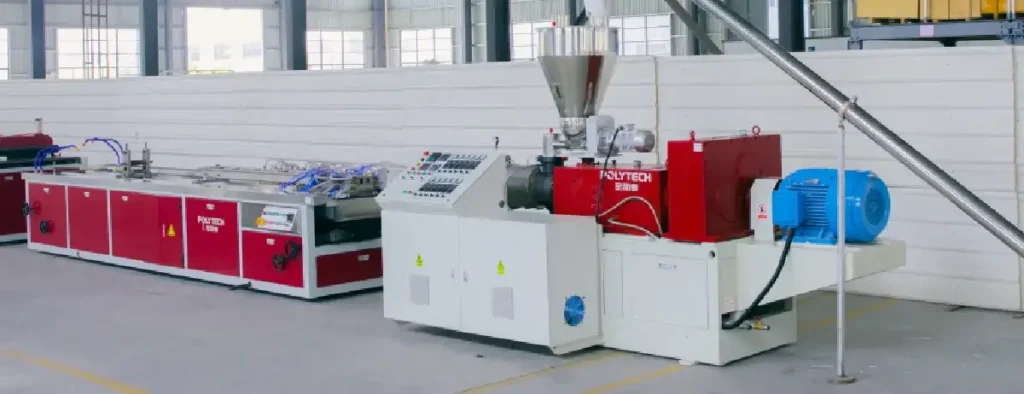
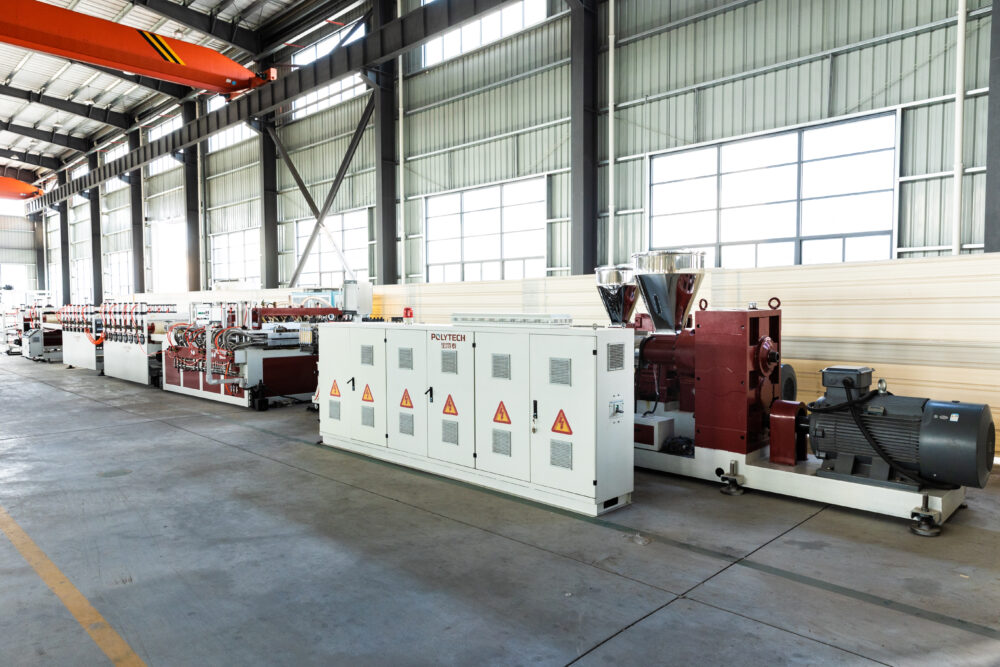
Modern plastic production facilities utilize advanced technologies to improve manufacturing efficiency and product quality. Automated production systems allow precise control over temperature, pressure, material flow, and production speed.
Common manufacturing technologies include:
- Plastic extrusion systems.
- Injection molding machines.
- Blow molding equipment.
- Thermoforming systems.
- Compounding and recycling lines.
- Automated material handling systems.
These technologies help manufacturers achieve higher productivity while minimizing material waste and operational costs.
Quality Control and Production Standards
Quality control is one of the most important aspects of any plastic production factory. Comprehensive inspection procedures are implemented throughout the manufacturing process to ensure that products meet technical specifications and customer requirements.
Quality assurance activities often include:
- Raw material testing.
- Dimensional inspection.
- Mechanical property evaluation.
- Surface quality verification.
- Production process monitoring.
- Final product inspection.
Maintaining strict quality standards helps improve product reliability, reduce defects, and enhance customer satisfaction.
Sustainability and Environmental Responsibility
Modern plastic factories increasingly focus on sustainable manufacturing practices. Environmental responsibility has become an important factor in production planning and facility management.
Many factories implement initiatives such as:
- Recycling plastic waste generated during production.
- Reducing energy consumption through efficient equipment.
- Optimizing raw material utilization.
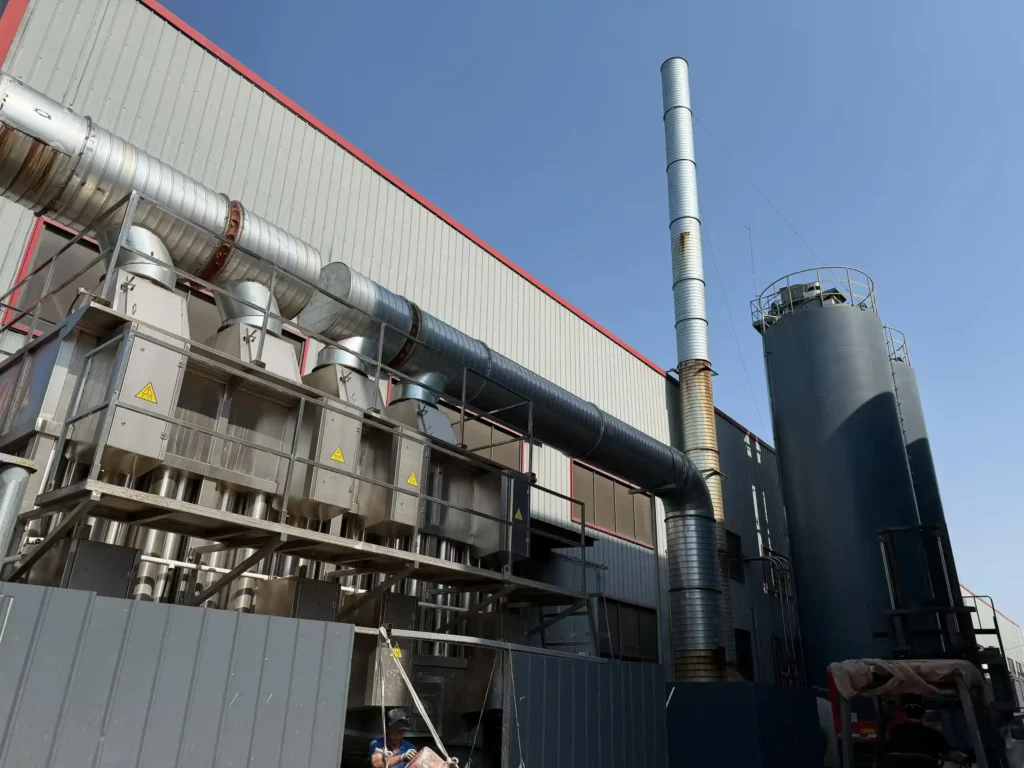
- Implementing waste management systems.
- Supporting circular economy practices.
These measures help reduce environmental impact while improving operational efficiency and long-term sustainability.
Industries Served by Plastic Production Factories
Plastic manufacturing facilities supply products to a diverse range of industries, making them a critical part of the global industrial supply chain.
Major industries served include:
Construction Industry
Pipes, profiles, wall panels, sheets, insulation products, and decorative materials.
Packaging Industry
Containers, films, packaging sheets, and protective packaging solutions.
Automotive Industry
Interior components, technical parts, protective covers, and lightweight plastic solutions.
Electrical Industry
Cable management systems, electrical enclosures, insulation materials, and conduit products.
Medical Industry
Medical packaging, disposable products, and specialized plastic components.
Consumer Goods Industry
Household products, furniture components, storage solutions, and decorative items.
Benefits of Working with a Professional Plastic Production Factory
Choosing a reliable plastic production factory offers numerous advantages for businesses seeking high-quality manufacturing solutions.
High Production Capacity
Modern factories can handle large production volumes while maintaining consistent quality.
Product Customization
Manufacturers can produce products according to specific customer requirements and technical specifications.
Cost Efficiency
Optimized production processes help reduce manufacturing costs and improve competitiveness.
Consistent Quality
Advanced quality control systems ensure reliable and repeatable production results.
Technical Expertise
Experienced engineering and production teams provide valuable support throughout the manufacturing process.
Conclusion
A plastic production factory serves as the foundation of modern plastic manufacturing, providing efficient production capabilities, advanced technologies, and high-quality products for numerous industries. By combining automation, quality control, sustainability initiatives, and technical expertise, modern factories can meet the growing demands of global markets while maintaining efficiency and environmental responsibility. As industries continue to evolve, plastic production facilities remain essential partners in delivering innovative and reliable manufacturing solutions.