

Key Manufacturing Methods
Plastic parts are produced by several core manufacturing processes. Each method has unique strengths in terms of speed, cost, and design capability:
- Injection Molding: A highly versatile process where molten plastic is injected into a precision steel mold under high pressure. It cools and hardens into the final part shape. Injection molding is the most common method for producing plastic parts, especially in high volumes, because it yields excellent detail and repeatability. Large automotive components, consumer product parts, and packaging components are typically made this way.
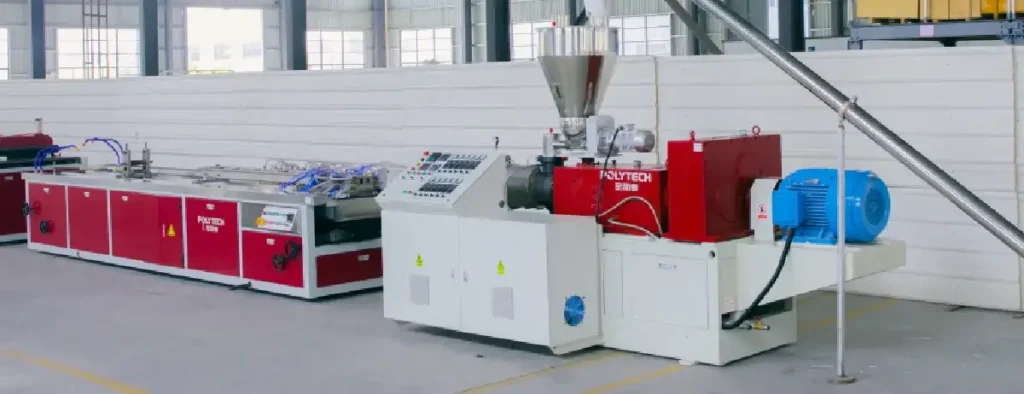
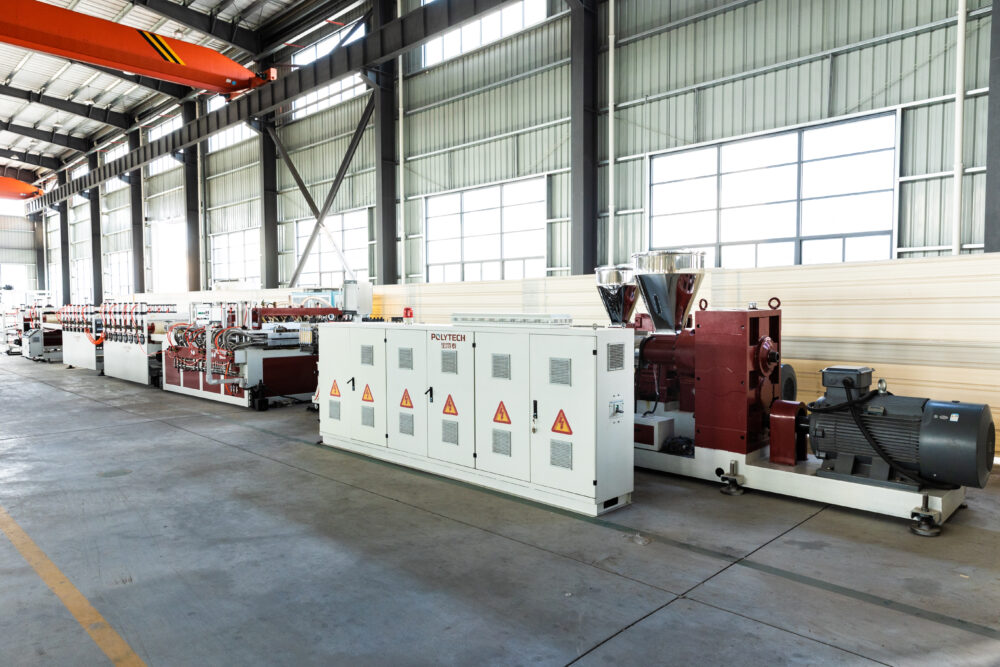
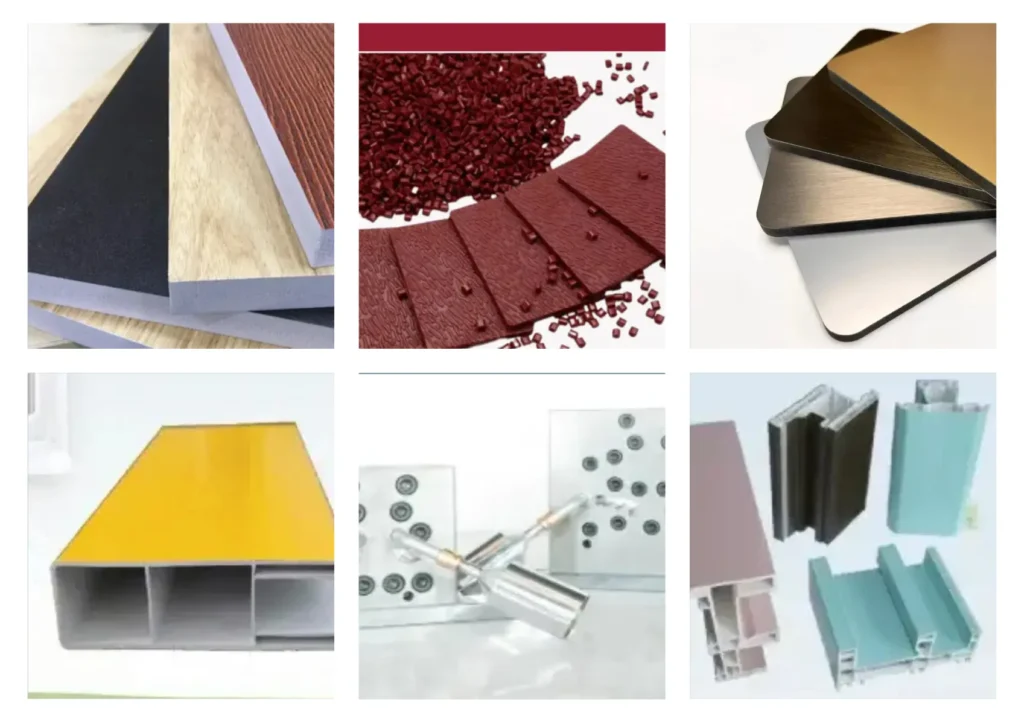
Extrusion: In extrusion, plastic pellets are continuously melted and pushed through a shaped die, forming a constant-profile length of material (such as pipes, tubing, or sheets). The extruded profile is cooled and cut to length. This is ideal for parts requiring uniform cross-sections (window frames, trim, tubing) at high throughput.
Blow Molding: This method is used for hollow parts. A heated plastic parison (tube) is placed in a mold and air is blown into it, inflating the plastic against the mold walls. Once cooled, the hollow shape (bottle, tank, container) is ejected. Products like plastic bottles, drums, and large containers are made by blow molding.
Rotational Molding (Rotomolding): A measured charge of plastic (usually powder) is placed in a large mold, which is heated while rotating on two axes. The material coats the interior uniformly and fuses into a hollow shape as it cools. This process is suited to large, one-piece hollow parts such as water tanks, kayaks, and dumpsters. Rotomolding is cost-effective for low to medium volumes where very large parts are needed.
Thermoforming/Vacuum Forming: A plastic sheet is heated until pliable, then draped onto or sucked against a mold. As it cools, it retains the mold’s shape. Thermoforming (including vacuum and pressure forming) is often used for large or shallow parts like refrigerator liners, aircraft trays, and signage. Its tooling is simpler and cheaper, which makes it attractive for custom parts and moderate volumes.
CNC Machining: Some plastic parts are made by subtractive methods. Bars or sheets of plastic are cut, drilled, and milled into shape on CNC machines. This is common for prototypes, small runs, or very tight-tolerance parts in materials like POM, PE, or PC. CNC machining handles specialty plastics (PTFE, PEEK) well.
Additive Manufacturing (3D Printing): Newer methods like fused deposition modeling (FDM) and stereolithography (SLA) can build plastic parts layer by layer from digital CAD models. 3D printing is increasingly integrated with traditional methods: companies use it for rapid prototyping of plastic parts or even for short-run production. Merging 3D printing with injection molding streamlines design iterations – one can print a prototype mold or part, test fit and function, and then move to production tooling, saving time and cost. Advances in printing materials also allow some end-use plastic parts to be printed directly.
Each method has advantages. Injection molding excels at high volume precision parts; extrusion and blow molding efficiently make continuous profiles and hollow bottles; rotomolding builds large, seamless hollow parts; thermoforming offers low tooling cost for custom shapes; and CNC/3D printing provide flexibility for prototypes and small batches.
Materials Used
A wide variety of polymers can be used to make plastic parts, chosen for cost, strength, temperature, and environmental requirements. Generally, plastics fall into two categories:
Thermoplastics: These materials soften when heated and harden when cooled, allowing reuse and recycling. Common thermoplastics include:
Polypropylene (PP): A low-density, tough plastic resistant to moisture and chemicals. Widely used in containers, automotive parts, and textiles. PP is flexible with a low melt viscosity, which makes it easy to injection mold.
Polyethylene (PE): Used for film, pipes, and containers. High-density (HDPE) and low-density (LDPE) grades cover a range of strength and flexibility.
Acrylonitrile Butadiene Styrene (ABS): A tough, impact-resistant plastic used in electronics housings, toys (e.g. LEGO® bricks), and automotive trim. ABS combines strength with ease of molding at a relatively low cost.
Polycarbonate (PC): Very strong and heat-resistant; used where high durability and transparency are needed (safety glasses, high-end electronics). PC can fill molds easily and hardens to a rigid form.
Polyvinyl Chloride (PVC): Rigid or flexible form, used for plumbing pipes, electrical cable insulation, and vinyl siding.
Polystyrene (PS): Used for disposable cutlery, housings, and foams (styrofoam). Easy to mold but brittle without modification.
Engineering plastics (e.g. Nylon (PA), Polyoxymethylene (POM), PEEK): These offer high strength, wear resistance or chemical resistance. They are used in demanding applications (gears, bearings, electronics components).
Each thermoplastic brings distinct properties. For instance, ABS has low cost and good impact resistance, while PP is valued for being lightweight and food-safe. Manufacturers often blend materials or add fillers to achieve the desired balance of stiffness, toughness, and cost.
Thermosets: These polymers cure into an infusible shape and cannot be remelted. Examples include epoxy, phenolic, and silicone plastics. Thermosets are chosen for high-temperature stability, chemical resistance, or electrical insulation. For instance, epoxy resin is used in printed circuit boards and coatings due to its thermal stability. Thermosets are common when a plastic part must maintain its shape under heat or stress without deforming.
Designers also consider environmental factors: UV-stabilized plastics for outdoor use, flame-retardant grades for electronics, or food-grade resins for packaging. In recent years, bioplastics (like PLA made from corn starch) and recycled resins are gaining use to improve sustainability. Overall, plastic parts can be engineered from a material that fits the mechanical, thermal, and regulatory needs of the application


Benefits of Plastic Parts
Plastic parts offer numerous advantages over alternative materials in manufacturing:
Design Flexibility: Plastics can be molded into complex, precise shapes that might be impossible or costly with metal. Advanced features (undercuts, thin walls, living hinges) can be integrated directly into the part during molding. This reduces assembly steps and improves functionality. For custom applications, plastics allow tailoring the part geometry and material properties to exact specifications.
Cost-Effectiveness: In high volumes, plastic parts are often cheaper than metal counterparts. Injection molding can produce thousands of identical parts quickly, diluting mold costs per piece. Even at low volumes, processes like thermoforming or 3D printing keep tooling and setup costs down. Plastics also enable part consolidation; multiple metal parts can often be replaced with a single molded plastic component, saving labor and fasteners.
Lightweight: Plastic parts are typically much lighter than metal parts of the same size. For vehicles and aerospace, this weight reduction improves fuel efficiency. In electronics and consumer goods, it makes products easier to handle and ship. The lightweight yet durable nature of plastics is a major benefit in transportation and portable devices.
Durability and Corrosion Resistance: Many plastics resist corrosion, moisture, and chemicals better than metals. Plastic parts do not rust and can withstand harsh environments, extending product life. For instance, polypropylene or PVC components are commonly used in plumbing and outdoor equipment because they resist water and chemical damage.
Electrical Insulation: Plastics are generally good electrical insulators. Plastic housings and connectors keep electronics safe. This property, along with lightweight and formability, makes plastics ideal for consumer electronics casings and electrical components.
Safety and Aesthetics: Plastics can be made translucent or colored and can include embedded graphics or labels. Decorative techniques (in-mold labeling, color inserts, textured finishes) produce high-quality, appealing parts. Plastics also have lower thermal conductivity, which can make parts safer to touch in some applications.
Overall, plastic parts often enable better performance at lower cost and weight than many alternatives. These benefits have driven their widespread adoption across industries.
Industries and Applications
Plastic parts are ubiquitous across nearly every industry. Key applications include:
Automotive & Transportation: Dashboards, bumpers, interior trim, light housings, fluid reservoirs and under-the-hood components are often plastic. The automotive industry relies on plastics for weight reduction and complex part geometries.
Medical Devices: Biocompatible plastics (PEEK, PPS, medical-grade resins) are used for surgical instruments, drug delivery devices, implants, and lab equipment. Plastic parts in medicine enable sterilizable, disposable, and precise components.
Consumer Electronics & Appliances: Housings, connectors, buttons and internal components are plastic. For example, computer cases and mobile phone parts use ABS or polycarbonate for strength and precision.
Healthcare & Laboratory: Syringes, test kits, tubing, and prosthetic components rely on plastics’ sterility and moldability.
Packaging: A massive application. Bottles, containers, caps, and films are nearly all plastic. The barrier properties and light weight of plastics make them ideal for food, beverage, and pharmaceutical packaging.
Aerospace & Defense: Lightweight composite plastics are used in aircraft interiors, satellite components, and drones. High-performance polymers and laminates endure extreme conditions.
Industrial Machinery: Plastic gears, bearings, and machine guards are common. Plastics like POM (Delrin) are used in conveyor parts and mechanical systems for wear resistance.
Construction & Infrastructure: PVC piping, insulation, window frames, and fittings use plastic. Plastics resist weather and abrasion, essential for long-term installation.
Agriculture: Irrigation tubing, seedling trays, and equipment parts often use durable, UV-resistant plastics.
- In summary, any sector that values light weight, durability, or complex shapes likely uses plastic parts. As one source notes, plastic parts manufacturing serves applications in automotive, healthcare, aerospace, consumer goods, and more. Modern manufacturers must consider plastic part capabilities when designing for these industries, whether for high-volume production or custom, low-volume components.