

Introduction
The plastic manufacturing industry stands at the center of global production, powering countless sectors such as packaging, automotive, construction, healthcare, and consumer goods. Over the past few decades, plastics have transformed how products are designed, produced, and consumed, making them indispensable in both industrial and everyday applications.
As demand for high-quality, durable, and cost-effective materials continues to rise, the plastic manufacturing industry has become a driving force for innovation. Advanced processes such as sheet extrusion, injection molding, and thermoforming allow manufacturers to meet the evolving needs of global markets with precision and efficiency.
At the same time, the industry faces growing challenges. Environmental concerns, energy costs, and stricter regulations push manufacturers to adapt with sustainable practices and smarter technologies. This balance between meeting demand and achieving sustainability will define the future of the plastic manufacturing industry.
Overview of the Industry
The plastic manufacturing industry is one of the fastest-growing sectors in the world, serving as a foundation for many other industries. From lightweight automotive components that improve fuel efficiency to medical devices that save lives, plastics have reshaped global production and consumption. Their durability, flexibility, and cost-effectiveness make them the preferred choice over traditional materials like wood, glass, or metal in countless applications.
Central to the plastic manufacturing industry are advanced production techniques. Processes such as extrusion, sheet extrusion, injection molding, blow molding, and thermoforming allow companies to produce products with high precision and efficiency. Sheet extrusion, for instance, enables continuous production of plastic sheets for packaging, construction, and signage, while injection molding is ideal for complex, high-volume parts with tight tolerances. These processes not only ensure consistency but also reduce waste, making them integral to modern manufacturing.
The global footprint of the plastic manufacturing industry continues to expand as population growth, urbanization, and consumer demand drive new markets. At the same time, manufacturers are investing in innovative machinery and automation to improve speed, quality, and cost efficiency. With such developments, the plastic manufacturing industry is positioned as a key enabler of technological progress, sustainability goals, and economic growth worldwide.
Key Processes and Machinery
The plastic manufacturing industry relies on a range of processes that convert raw polymers into useful products. Each process is tailored to meet specific design, performance, and cost requirements, making plastics one of the most versatile materials in the world.
Extrusion and Sheet Extrusion
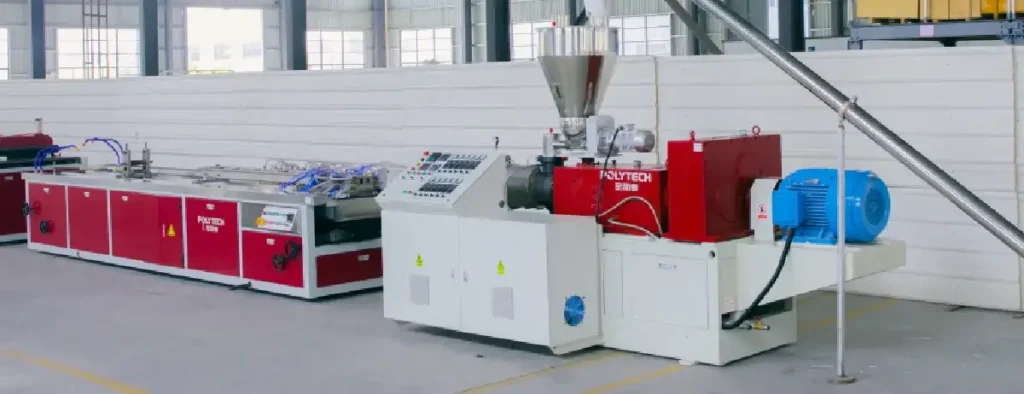
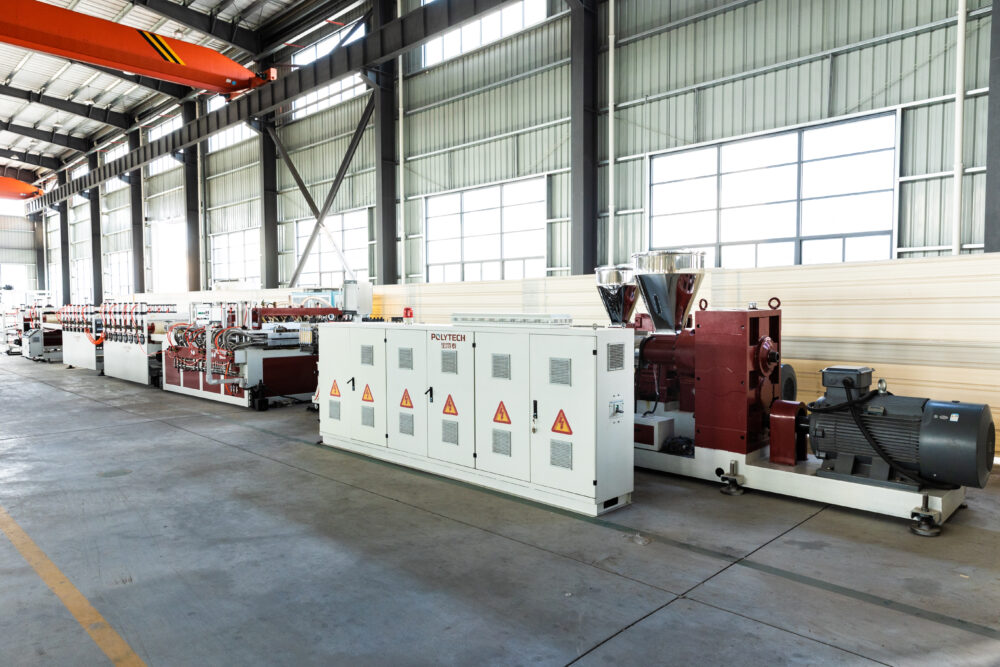
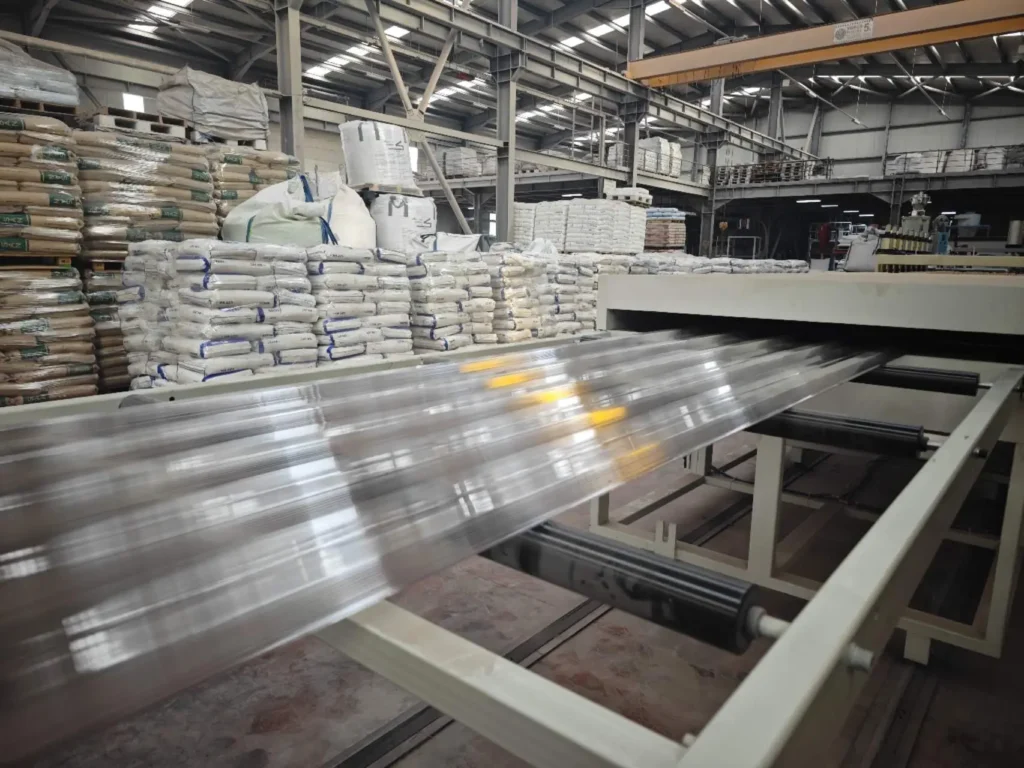
Extrusion is one of the most widely used methods in the plastic manufacturing industry. In this process, melted polymer is pushed through a die to form continuous shapes such as pipes, films, or sheets. Sheet extrusion machinery, for example, plays a crucial role in producing high-quality sheets for packaging, construction panels, and industrial applications. Companies like JWELL have advanced this technology by integrating feeding, melting, degassing, cooling, and polishing into a single production line, ensuring efficiency and precision.
Injection Molding
Injection molding is another cornerstone process. It involves injecting molten plastic into molds to create complex, high-volume parts with excellent accuracy. This method is ideal for producing automotive components, electronics housings, and household goods. Its scalability makes it one of the most important techniques in the plastic manufacturing industry.
Blow Molding and Thermoforming
Blow molding is widely used for hollow products such as bottles, tanks, and containers, while thermoforming shapes plastic sheets into items like trays, packaging materials, and panels. Both methods expand the capabilities of the plastic manufacturing industry by enabling the creation of lightweight, durable, and cost-effective products for everyday use.
Advanced Machinery and Automation
Modern machinery now incorporates automation, energy-efficient heating systems, and precise digital controls. These innovations not only improve product quality but also reduce energy consumption and waste. As technology evolves, the plastic manufacturing industry continues to invest in smarter, more sustainable machinery to remain competitive in global markets.
Major Challenges
Although the plastic manufacturing industry continues to grow worldwide, it faces significant challenges that affect its sustainability, profitability, and long-term competitiveness. These challenges are not only technical but also environmental, economic, and regulatory, forcing manufacturers to rethink strategies and adopt innovative solutions.
Environmental Pressure and Sustainability
One of the biggest challenges facing the plastic manufacturing industry is the growing concern about environmental impact. Plastic waste has become a global issue, with governments and organizations demanding stricter recycling policies and bans on single-use plastics. Manufacturers are under pressure to reduce their carbon footprint, adopt biodegradable materials, and integrate circular economy practices. While these changes improve sustainability, they require substantial investments in research, new materials, and upgraded machinery.
Rising Energy and Raw Material Costs
The production processes in the plastic manufacturing industry—such as extrusion, injection molding, and blow molding—are energy-intensive. Rising global energy prices directly increase manufacturing costs, while fluctuations in raw material supply chains make it harder for companies to maintain stable production. This is particularly challenging for small and medium-sized enterprises that operate with limited margins.
Quality Control and Consistency
Another major challenge lies in maintaining consistent product quality. Variations in resin quality, differences in batch properties, or machine malfunctions can all affect the final output. Since industries like automotive and medical demand extremely high standards, the plastic manufacturing industry must invest in advanced monitoring systems, automated quality checks, and precise process control. Failure to do so can result in defective products, wasted resources, and customer dissatisfaction.
Regulatory and Compliance Issues
With increasing global awareness of plastic waste, governments are imposing stricter regulations on production, recycling, and product labeling. The plastic manufacturing industry must comply with these regulations, which often vary across regions. For example, restrictions on single-use plastics in Europe differ from policies in Asia or the Middle East. Navigating these complex rules requires adaptability, legal compliance systems, and often additional costs.
Technological Adaptation and Workforce Skills
As machinery becomes more advanced—integrating digital controls, IoT sensors, and automation—the plastic manufacturing industry faces a gap in skilled workforce. Training employees to manage these technologies is essential. At the same time, the high cost of adopting smart machinery prevents many companies from upgrading quickly, creating a technological divide within the industry.
Global Competition and Market Pressures
Finally, the plastic manufacturing industry is highly competitive. With production facilities spread worldwide, companies must compete not only on cost but also on innovation and sustainability. Manufacturers who fail to adapt to changing market trends risk losing customers to more advanced or environmentally friendly competitors.
In summary, while the plastic manufacturing industry has immense potential for growth, it must overcome pressing challenges related to sustainability, cost management, quality assurance, regulation, technology, and global competition. Companies that address these issues with innovation and forward-thinking strategies will secure their place in the industry’s future.
Opportunities & Trends
While the plastic manufacturing industry struggles with costs and regulations, it also stands at the edge of exciting opportunities. New technologies and sustainability demands are reshaping the sector and opening fresh growth paths.
Sustainable Materials on the Rise
Manufacturers are investing in recycled plastics and bio-based polymers. These materials help meet regulations, reduce waste, and match consumer preferences for eco-friendly products. The trend is expected to define the future of the plastic manufacturing industry.
Smarter Machinery and Automation
Advanced extrusion and molding machines now come with digital controls, energy-saving systems, and automation. This makes production faster, more consistent, and less costly. With Industry 4.0, the plastic manufacturing industry is shifting toward fully connected, data-driven factories.
Expansion into New Markets
Demand for plastics is booming in emerging economies. Packaging, construction, and consumer goods are driving growth in Asia, the Middle East, and Africa. Companies in the plastic manufacturing industry that expand into these markets can secure long-term advantages.
Innovation Across Sectors
Plastics are finding new uses every year. Lightweight composites in cars reduce fuel consumption. Advanced polymers in healthcare support modern medical devices. Even renewable energy systems now rely on plastic components. This constant innovation proves how central the plastic manufacturing industry has become.
The Circular Economy Movement
A major trend is the shift toward circular economy models. Manufacturers are designing products that can be recycled, reused, or repurposed. This approach helps the plastic manufacturing industry reduce waste while building a more sustainable image.
Overall, the industry’s future looks bright. By embracing sustainability, adopting smart technologies, and exploring new markets, the plastic manufacturing industry can turn today’s challenges into tomorrow’s opportunities.
How Companies Can Stay Competitive
The plastic manufacturing industry is highly competitive, and companies must constantly adapt to survive. Staying ahead requires a combination of technology upgrades, sustainable practices, workforce development, and global strategies.
Invest in Modern Machinery
Outdated equipment increases costs and limits production quality. By adopting advanced extrusion and molding machines with digital controls, companies can improve efficiency, reduce energy use, and ensure consistent output. For example, sheet extrusion lines with automated feeding and cooling systems reduce defects and speed up production. In the long run, this type of investment helps the plastic manufacturing industry remain cost-effective while meeting growing demand.
Focus on Sustainability
Sustainability is no longer optional; it is a market requirement. Manufacturers can incorporate recycled plastics, explore biodegradable polymers, and design products that align with circular economy models. Reducing emissions and optimizing energy consumption not only improves brand reputation but also ensures compliance with global environmental regulations. Companies in the plastic manufacturing industry that make sustainability a priority will be better positioned to attract eco-conscious customers and partners.
Improve Quality Control
Industries like healthcare, food packaging, and automotive demand high precision. Any defect in a plastic product can lead to serious safety or performance issues. To address this, manufacturers must use automated monitoring systems, digital sensors, and data analytics to track production in real time. This ensures consistency across batches and reduces waste, a vital step for the plastic manufacturing industry to maintain customer trust.
Train and Upskill the Workforce
As machinery becomes more advanced, skilled operators are needed to manage processes. Training programs in automation, IoT systems, and process optimization allow employees to adapt to new technologies. Without a skilled workforce, even the most advanced machines cannot deliver their full potential. By investing in people, the plastic manufacturing industry builds resilience and flexibility.
Expand Globally
Growth opportunities are not limited to mature markets. Rapidly developing regions in Asia, the Middle East, and Africa demand more plastic products for construction, packaging, and consumer goods. Companies that expand into these markets early gain a competitive edge. The plastic manufacturing industry can leverage local partnerships, adapt product lines, and establish supply chains that meet regional needs.
Adopt Digital Transformation
The rise of Industry 4.0 is reshaping production. IoT sensors can track machine performance, while AI-driven analytics predict maintenance needs before breakdowns occur. Cloud-based systems allow managers to monitor entire factories remotely. Digital transformation helps the plastic manufacturing industry lower costs, minimize downtime, and deliver products faster.
Conclusion
The plastic manufacturing industry remains one of the most important pillars of the global economy. From everyday packaging to advanced medical devices and automotive components, plastics continue to shape modern life in countless ways. Despite the challenges of rising costs, environmental concerns, and strict regulations, the industry has proven its ability to adapt and evolve.
Opportunities for growth are stronger than ever. By investing in modern machinery, adopting sustainable practices, and embracing digital transformation, manufacturers can meet the demands of both customers and regulators. At the same time, expanding into emerging markets and training a skilled workforce will ensure long-term competitiveness.
In the end, the future of the plastic manufacturing industry depends on innovation and responsibility. Companies that balance efficiency with sustainability will not only overcome today’s obstacles but also lead the way toward a more resilient and eco-friendly future