

Introduction
A plastic factory is more than just a place where products are manufactured—it is the backbone of many global industries. From food packaging and consumer goods to advanced automotive parts and life-saving medical devices, plastic has become an essential material that supports modern living. Without plastic factories, it would be impossible to meet the growing demand for durable, lightweight, and cost-effective products.
Moreover, a plastic factory is not only about mass production. It is also about innovation and customization. Factories constantly improve their processes to create stronger, safer, and more sustainable materials. By using advanced molding techniques, recycling systems, and strict quality controls, these factories ensure that plastic products meet international standards while addressing the challenges of environmental responsibility.
In today’s world, the importance of plastic factories continues to grow. They play a key role in global supply chains, driving economic growth and enabling technological development. Whether it is creating everyday household items or specialized components for industries like construction and electronics, plastic factories remain at the heart of manufacturing progress
What Is a Plastic Factory?
A plastic factory is an industrial facility where raw polymers, commonly called resins, are transformed into finished or semi-finished products. Inside these factories, materials such as polyethylene, polypropylene, and PVC are processed through different methods like injection molding, extrusion, or blow molding to create a wide range of items.
The role of a plastic factory extends far beyond simple production. It acts as a hub where technology, engineering, and design come together to deliver products that meet the needs of industries such as healthcare, packaging, automotive, construction, and electronics. Each factory is equipped with specialized machinery, skilled workers, and quality-control systems to ensure consistency and precision.
In addition, many plastic factories are now adopting eco-friendly practices. Recycling systems, energy-efficient machines, and the use of biodegradable plastics are becoming more common. This shift reflects the growing responsibility of the plastic industry to balance mass production with environmental sustainability.
Types of Plastics Processed
A plastic factory usually operates with a wide selection of plastic materials, each engineered to meet specific technical and commercial needs. Because no single plastic can satisfy every application, factories rely on different categories, balancing performance, durability, cost, and environmental impact. Below are the main types of plastics commonly processed, along with their uses and advantages.
Thermoplastics are the most dominant group in modern plastic manufacturing. Their defining feature is the ability to soften when heated and harden when cooled, allowing repeated reshaping without altering their chemical structure. This makes them versatile and recyclable.
Polyethylene (PE): Widely used in films, shopping bags, water tanks, and containers due to its flexibility and chemical resistance.
Polypropylene (PP): Known for toughness and heat resistance, it is used in packaging, automotive bumpers, household appliances, and textiles.
Polyvinyl Chloride (PVC): Used for pipes, window frames, flooring, and medical equipment, thanks to its durability and resistance to chemicals.
Polystyrene (PS): Common in disposable cups, insulation materials, and packaging foam because of its light weight and insulating properties.
Factories favor thermoplastics because they are relatively easy to process through methods like injection molding and extrusion, making them suitable for mass production of consumer and industrial goods.
Unlike thermoplastics, thermosetting plastics form permanent chemical bonds once cured. After hardening, they cannot be reshaped or melted. Their stability under heat and stress makes them indispensable for high-performance applications.
- Epoxy Resins: Used in coatings, adhesives, electronics, and aerospace components.
- Phenolic Resins: Found in circuit boards, kitchenware handles, and automotive parts due to heat resistance.
- Melamine: Common in laminates, tableware, and flame-retardant applications.
Factories use thermosets when strength, electrical insulation, and resistance to high temperatures are critical.
Elastomers are plastics with elastic properties similar to rubber. They are flexible, resilient, and able to return to their original shape after being stretched or compressed.
- Silicone Elastomers: Used in medical devices, kitchenware, and seals for their biocompatibility and temperature stability.
- Polyurethane Elastomers: Common in footwear, wheels, coatings, and industrial rollers.
- Styrene-Butadiene Rubber (SBR): Widely used in tires, gaskets, and conveyor belts.
Factories rely on elastomers when durability and flexibility must go hand in hand.
Some factories specialize in advanced engineering plastics that offer superior mechanical, thermal, and chemical resistance compared to standard plastics. These include materials like polycarbonate (PC), polyamide (nylon), and polyether ether ketone (PEEK). Such plastics are used in automotive engines, electronic housings, medical implants, and aerospace components.
Sustainability is pushing plastic factories to explore eco-friendly alternatives. Bioplastics, derived from renewable resources like corn starch or sugarcane, are increasingly used in packaging and disposable products. Recycled plastics are also gaining importance, as factories reprocess post-consumer or post-industrial waste into usable raw material. These initiatives not only reduce environmental impact but also meet rising consumer expectations for greener solutions.
By working with thermoplastics, thermosetting plastics, elastomers, engineering plastics, and eco-friendly alternatives, a plastic factory can serve multiple industries and adapt to shifting market demands. This diversity allows them to produce everything from low-cost packaging to high-performance industrial components, proving the flexibility and importance of plastics in the modern world.
Key Processes Inside a Plastic Factory
A plastic factory is not just about turning raw materials into finished products—it is a carefully structured environment where multiple processes work together to deliver quality, efficiency, and consistency. Each step, from material preparation to final inspection, requires specialized equipment and skilled management. Below are the core processes that define how a modern plastic factory operates.
Material Preparation and Polymer Handling
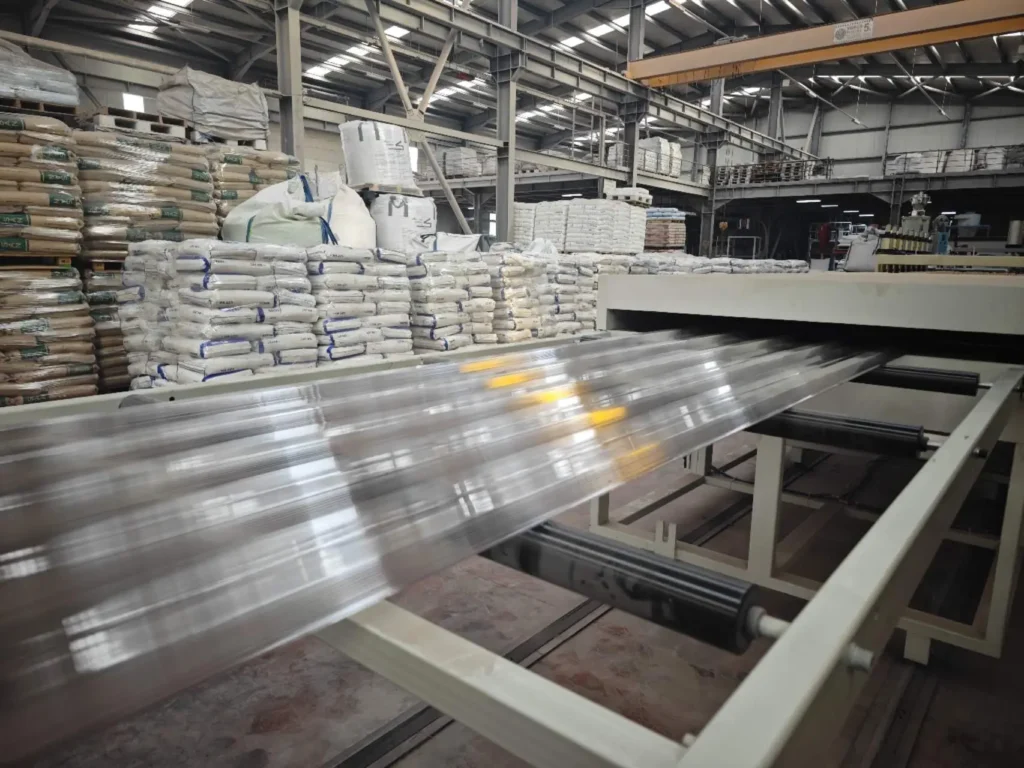
The journey begins with raw polymers, usually in the form of pellets, powders, or granules. These materials are stored in silos or bags and must be dried, blended, and sometimes mixed with additives before processing. Additives may include stabilizers, plasticizers, flame retardants, colorants, or fillers that enhance performance and appearance. Proper preparation ensures that plastics flow smoothly during molding and meet product requirements.
Molding and Shaping Techniques
Molding is at the heart of every plastic factory. Different methods are used depending on the product design, required strength, and production volume.
- Injection Molding: One of the most common processes, it forces molten plastic into a mold under high pressure. It is ideal for producing detailed and high-volume items like caps, containers, automotive parts, and medical devices.
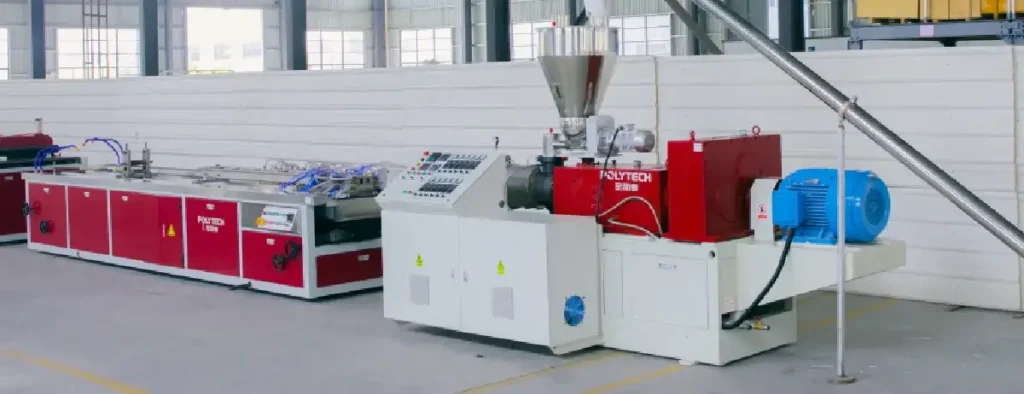
- Extrusion: Here, plastic is melted and pushed through a die to create continuous shapes such as pipes, profiles, sheets, and films. It is efficient for high-output manufacturing.
- Blow Molding: This process is used for creating hollow items like bottles, tanks, and containers. A heated plastic tube is inflated inside a mold until it takes shape.
- Compression Molding: Thermosetting plastics are placed into a heated mold and pressed into shape. This is common for electrical insulators, appliance parts, and high-strength components.
- Rotational Molding: The mold is slowly rotated in multiple directions while heated, allowing plastic to coat the interior and form hollow objects such as storage tanks and playground equipment.
- Thermoforming and Vacuum Forming: Sheets of plastic are heated until soft, then shaped over molds with pressure or vacuum. This method produces trays, packaging, and disposable goods.
Each of these techniques has its advantages, and a plastic factory may use more than one to expand its production capabilities.
Cooling and Solidification
Once the molten plastic fills the mold, it must cool and solidify. Controlled cooling prevents defects such as warping, shrinkage, or surface imperfections. Modern factories use water-cooled molds, air systems, or advanced temperature control technologies to ensure uniform results. Proper cooling is vital to maintain dimensional accuracy and mechanical strength.
Secondary Operations and Finishing
After molding, many products require additional steps to meet customer specifications. These operations include:
- Trimming excess plastic or flash
- Drilling or machining holes
- Painting, coating, or printing designs
- Assembling multiple plastic parts into final products
Such finishing processes add value and customize products for specific applications.
Quality Control and Inspection
No plastic factory can succeed without strict quality control. Inspection starts with raw materials and continues throughout production. Key checks include:
- Dimensional accuracy: Ensuring the product matches design specifications
- Surface finish: Detecting scratches, warping, or sink marks
- Strength and durability tests: Evaluating resistance to stress, heat, and chemicals
- Compliance checks: Meeting international standards (ISO, FDA, automotive or medical certifications)
By combining visual inspection with advanced testing equipment, factories reduce defects and improve reliability.
Recycling and Waste Management
Modern factories face increasing pressure to reduce waste and improve sustainability. Scrap materials like runners, sprues, or defective parts are collected, ground, and reused in new production batches. Some factories also integrate external recycling streams, reprocessing post-consumer plastics into new products. These efforts not only cut costs but also align with global environmental goals.
Automation and Smart Manufacturing
Many plastic factories now adopt automation and digital monitoring. Robots handle repetitive tasks such as part removal and packaging, while sensors and IoT systems track machine performance in real time. Smart manufacturing helps improve efficiency, reduce downtime, and minimize human error.
Final Thoughts on Factory Processes
The key processes inside a plastic factory—material preparation, molding, cooling, finishing, quality control, and recycling—work together like pieces of a puzzle. Each step influences the next, and success depends on seamless coordination. With advances in technology and sustainability, these processes are becoming faster, smarter, and more eco-friendly, ensuring that plastic factories remain central to global manufacturing for decades to come.
Factory Layout & Infrastructure
A plastic factory requires a well-organized layout to keep production smooth and efficient. The way machines, storage areas, and workstations are arranged directly affects productivity, safety, and product quality.
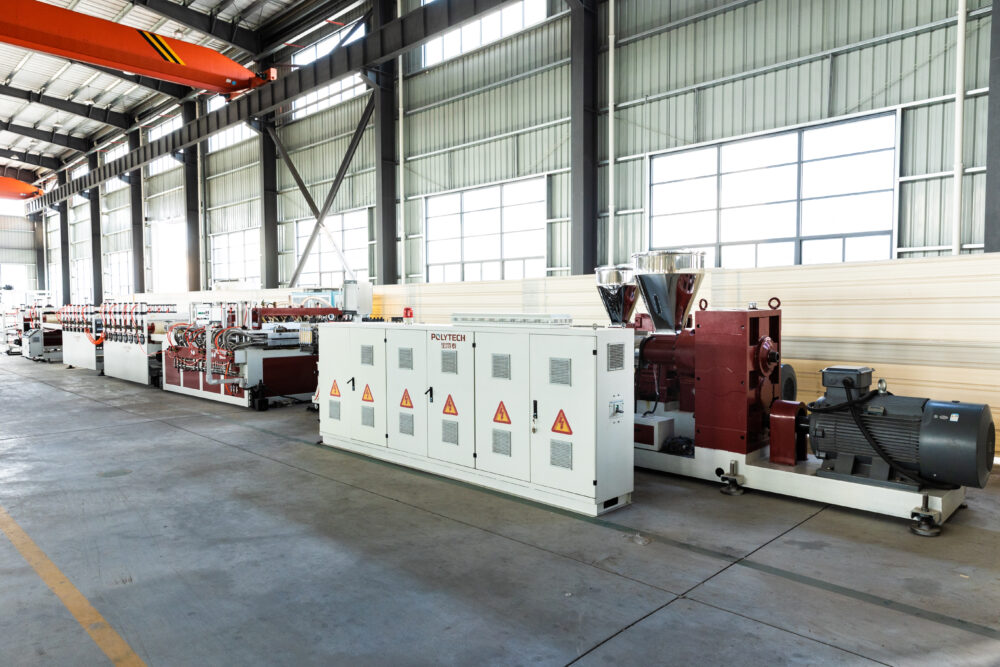
Most factories begin with raw material storage, often in silos or containers near the preparation units. From there, materials move into the processing zone, which houses injection molding machines, extruders, or blow-molding equipment. A separate section is dedicated to secondary operations, such as trimming, printing, or assembly.
Equally important is the quality control area, where products are inspected and tested before packaging. Factories also maintain tool rooms and maintenance workshops to keep machines and molds in top condition. At the end of the chain, a packaging and warehousing section ensures that products are safely stored and ready for distribution.
Utilities like power supply, ventilation, and cooling systems support the entire process, while safety features such as fire protection and waste-management systems protect both workers and the environment.
A thoughtful factory layout not only boosts efficiency but also reduces costs and improves working conditions, making it a vital part of successful plastic manufacturing.
Challenges & Considerations
Operating a plastic factory is a complex task that goes far beyond simply running machines. While the industry continues to grow, factories face multiple challenges that influence cost, efficiency, and reputation. Understanding these considerations is essential for long-term success.
Plastic production has come under increasing scrutiny due to its environmental impact. Factories must comply with strict local and international regulations related to emissions, waste management, and recycling. Failure to meet these standards can result in heavy fines or reputational damage.
To address these issues, many factories are investing in closed-loop recycling systems, advanced filtration, and biodegradable materials. Some are also incorporating renewable energy sources such as solar or wind power to cut carbon emissions. These practices not only meet regulations but also improve brand image and attract environmentally conscious clients.
Since most plastics are derived from petroleum and natural gas, raw material costs are directly tied to global energy markets. Sudden price increases in oil or supply chain disruptions can cause major financial stress. For example, during global energy shortages, the cost of polyethylene and polypropylene can rise sharply, reducing profit margins.
To manage this risk, factories often establish long-term contracts with suppliers, diversify material sources, or increase the use of recycled resins to stabilize costs.
Many industries that rely on plastic—such as medical devices, automotive components, and electronics—demand extremely tight tolerances and defect-free products. Even minor inconsistencies can lead to product failure, recalls, or safety risks.
Factories must therefore implement rigorous quality control systems, including automated inspections, mechanical stress testing, and compliance with ISO or FDA standards. Training workers to identify problems early and investing in modern monitoring technology are also essential.
The equipment used in plastic factories—such as injection molding machines, extruders, and molds—is expensive and requires regular maintenance. Tooling costs alone can be a significant barrier for smaller factories, as high-precision molds may cost thousands of dollars each.
Unplanned machine breakdowns can halt production, leading to delays and financial losses. To minimize downtime, many factories are adopting predictive maintenance, where sensors and software monitor machine health and alert staff before failures occur.
Plastic processing is energy-intensive, requiring significant heat and cooling at different stages. Rising electricity and fuel prices place heavy pressure on profit margins.
Modern factories are investing in energy-efficient machines, optimized cooling systems, and better insulation to cut consumption. Some facilities also schedule production during off-peak hours to reduce electricity costs.
Operating advanced machinery requires a skilled workforce. However, many regions face a shortage of trained technicians and engineers. Factories must invest in continuous training and create safe, attractive workplaces to retain employees.
Automation can reduce dependence on labor, but it also requires hiring specialists who can manage robots, sensors, and digital systems. Balancing automation with human expertise remains a challenge.
The plastic industry is highly competitive. Factories in regions with lower labor costs may undercut prices, while global clients demand higher quality at faster lead times. To remain competitive, factories must innovate, improve efficiency, and offer value-added services like product design support or rapid prototyping.
While a plastic factory faces challenges related to environment, costs, energy, and workforce, these obstacles also present opportunities. Factories that adopt sustainable practices, invest in technology, and maintain strong quality systems can not only survive but thrive in a competitive market. The key is to view these challenges as drivers for innovation and growth.
How to Evaluate a Plastic Factory (for Clients or Investors)
For clients and investors, choosing the right plastic factory is a decision that directly affects product quality, cost, and long-term business success. Evaluation should focus on several key factors.
First, production capabilities are essential. A reliable factory should have modern machinery, skilled staff, and the ability to handle different types of plastics and product designs. Checking whether they can scale production to meet demand is also important.
Second, quality assurance systems must be in place. Factories with ISO certifications, strong inspection processes, and documented testing methods provide confidence that products will meet international standards.
Third, consider financial and operational stability. Investors often review the factory’s track record, supply chain partnerships, and history of on-time delivery to assess risk.
Finally, look into sustainability practices. With growing pressure for eco-friendly solutions, factories that invest in recycling, energy efficiency, and green materials tend to have a stronger market advantage.
By analyzing these aspects, clients and investors can make informed decisions and build partnerships with factories that align with their goals.
Market Trends & Future Directions
The plastic factory industry is constantly evolving as global demand, technology, and environmental priorities change. Several key trends are shaping its future.
Growing Demand for Sustainable Plastics
One of the strongest trends is the shift toward biodegradable and recyclable plastics. Governments, consumers, and industries are pushing for alternatives that reduce environmental harm. Many factories are investing in advanced recycling systems and bio-based polymers.
Digitalization and Smart Manufacturing
Modern factories are moving toward Industry 4.0 practices, where automation, robotics, and data analytics improve efficiency. Smart sensors monitor production in real time, helping to reduce waste and maintain quality.
Expansion of High-Performance Plastics
Beyond traditional packaging and consumer goods, industries such as aerospace, automotive, and healthcare require high-performance plastics that withstand heat, stress, and chemical exposure. Factories are focusing on research and development to meet these advanced needs.
Global Supply Chain Shifts
With rising logistics costs and regional trade challenges, many companies prefer sourcing from local factories. This trend benefits factories that can provide flexible, localized production while maintaining global standards.
Future Outlook
The future of plastic factories lies in innovation, sustainability, and adaptability. Factories that embrace green technologies, adopt smart manufacturing, and diversify their product offerings will remain competitive in the changing global market.
Conclusion & Call to Action
The plastic factory plays a vital role in today’s world, supplying essential materials for industries ranging from packaging to healthcare and automotive. While these factories face challenges such as environmental regulations, rising costs, and the demand for innovation, they also stand at the center of exciting opportunities. By adopting sustainable practices, investing in advanced technology, and ensuring high-quality standards, plastic factories can continue to thrive and shape the future of manufacturing.