

Introduction
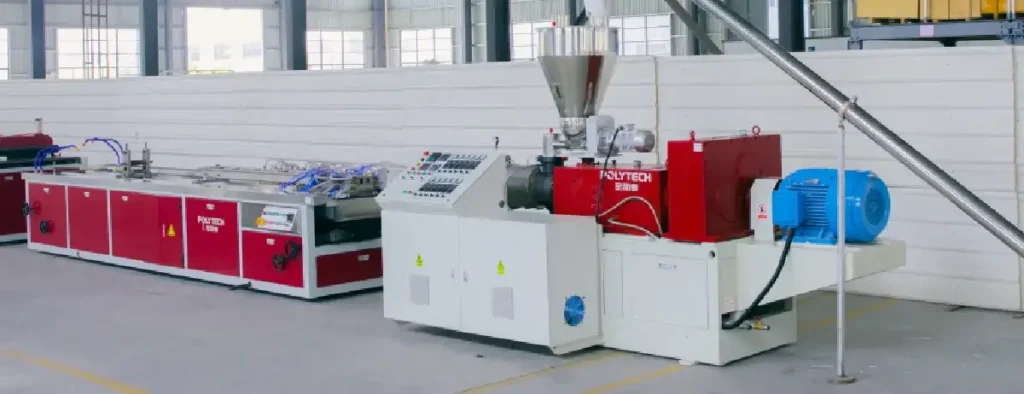
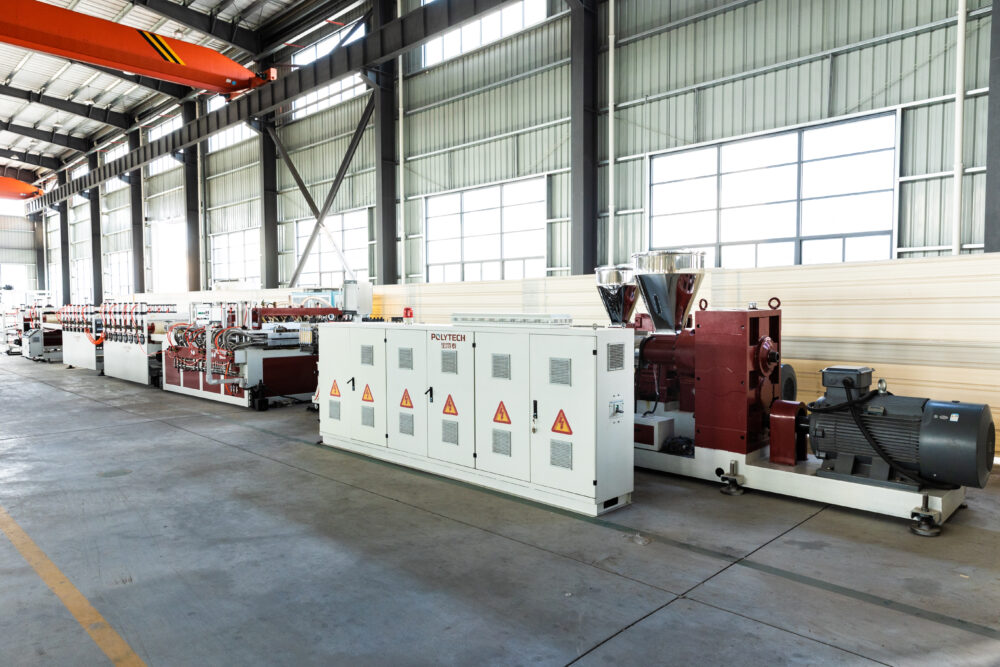
Plastic extrusion products play a vital role in modern manufacturing, providing versatile solutions for industries ranging from construction to packaging. Extrusion allows plastic materials to be shaped into continuous profiles, sheets, pipes, and films with precise dimensions and consistent quality. For manufacturers, investing in high-quality plastic extrusion products ensures durability, cost-effectiveness, and performance reliability across various applications.
Moreover, plastic extrusion products offer flexibility in design, material choice, and production speed. Companies can tailor these products to meet specific requirements, including chemical resistance, mechanical strength, and aesthetic appeal. With advancements in extrusion technology, manufacturers can produce innovative products that meet industry standards and consumer expectations. As a result, plastic extrusion products have become an essential component of efficient and modern production lines.
Types of Plastic Extrusion Products
Plastic extrusion come in a wide variety of forms, each designed to meet specific industry needs. Understanding the different types helps manufacturers select the right products for their applications and ensures efficient production.
Plastic Sheets and Panels
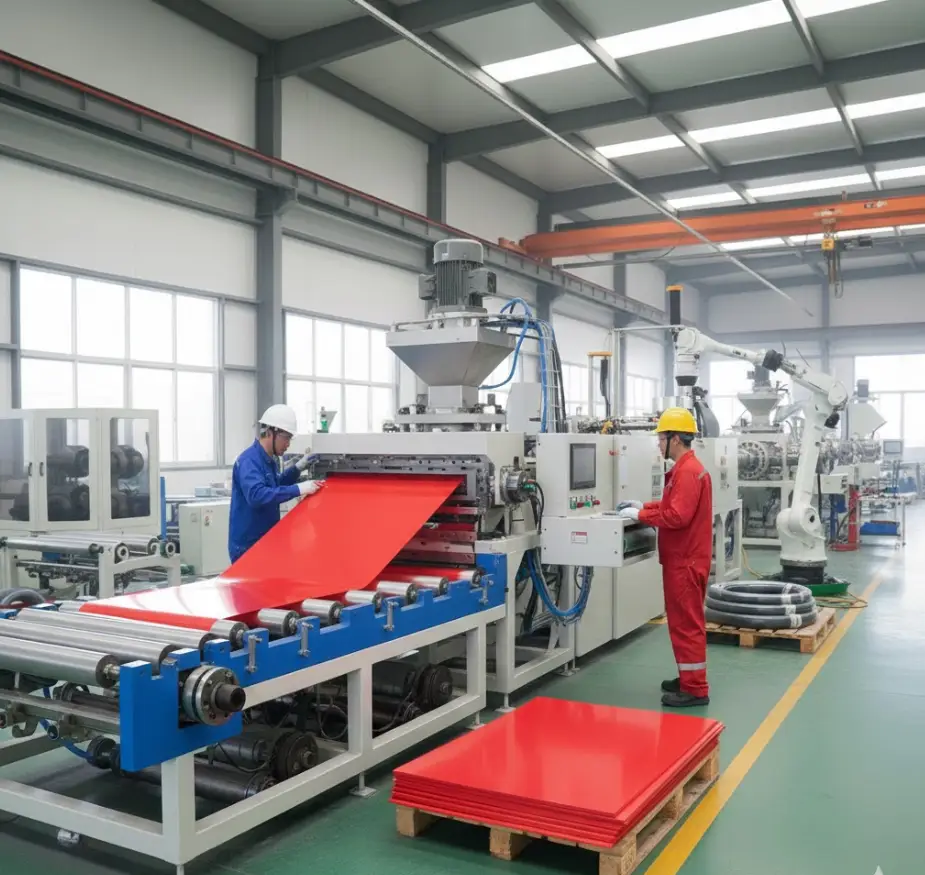
Plastic sheets and panels are among the most commonly produced plastic extrusion products. They are widely used in construction, signage, and packaging due to their durability, flexibility, and lightweight nature. Manufacturers can produce sheets in various thicknesses, sizes, and colors, making them versatile for multiple applications.
Plastic Pipes and Tubing
Plastic pipes and tubing are essential plastic extrusion products in plumbing, irrigation, and industrial systems. They offer resistance to corrosion, chemical exposure, and environmental wear. High-quality extrusion ensures uniform wall thickness, strength, and dimensional accuracy for reliable long-term use.
Plastic Profiles
Plastic profiles include custom shapes like window frames, weatherstrips, and decorative trims. These plastic extrusion products allow manufacturers to create tailored solutions for architectural and industrial applications. The precision of extrusion ensures consistent dimensions and a smooth surface finish, which is critical for both functional and aesthetic purposes.
Plastic Films and Sheets for Packaging
Extruded plastic films and sheets are widely used in packaging applications, including food wrap, protective covers, and industrial packaging. These plastic extrusion products provide barrier properties, flexibility, and clarity, meeting stringent quality standards. Manufacturers can adjust extrusion parameters to achieve specific thickness, strength, and transparency.
Specialty Extrusion Products
Specialty plastic extrusion cater to unique industry requirements, such as medical tubing, automotive components, and technical profiles. These products often involve specialized materials and advanced extrusion techniques to achieve precise performance characteristics. By using these plastic extrusion products, manufacturers can meet high-end applications while maintaining production efficiency.
Benefits of Plastic Extrusion Products
Plastic extrusion offer numerous advantages that make them indispensable across various industries. Their versatility, durability, and cost-effectiveness provide significant value to manufacturers and end-users alike.
High Precision and Consistency
One of the main benefits of plastic extrusion products is their precise dimensions and consistent quality. Extrusion technology allows manufacturers to produce identical profiles, sheets, or pipes in large quantities. This consistency ensures reliable performance in construction, packaging, and industrial applications.
Cost-Effectiveness
Plastic extrusion are generally more affordable than alternative materials while maintaining high performance. The efficiency of the extrusion process reduces material waste and energy consumption, making these products a cost-effective choice for manufacturers seeking quality solutions.
Customization and Versatility
Extrusion products can be customized in terms of size, shape, color, and material. This flexibility allows manufacturers to create tailored solutions that meet specific functional and aesthetic requirements. As a result, plastic extrusion products are suitable for a wide range of applications.
Durability and Resistance
These products are known for their durability and resistance to impact, corrosion, and chemical exposure. Plastic extrusion products maintain their structural integrity even in challenging environments, making them ideal for industrial and commercial use.
Lightweight and Easy to Handle
Extrusion products are lightweight compared to materials like metal or glass, simplifying transportation, installation, and handling. This advantage reduces labor costs and improves overall efficiency in production and application processes.
Plastic Extrusion Best Practices
Implementing best practices in plastic extrusion ensures high-quality products, reduces production issues, and maximizes equipment efficiency. Manufacturers who follow these guidelines can produce reliable plastic extrusion products while minimizing waste and operational costs.
Maintaining extrusion machines regularly is one of the most critical best practices. Scheduled inspections, lubrication, and timely replacement of worn parts keep the equipment running smoothly. Proper machine care ensures consistent dimensions, surface quality, and performance of plastic extrusion products.
Adjusting extrusion parameters such as temperature, pressure, and screw speed is essential for producing high-quality products. Manufacturers should carefully monitor these settings to match the type of plastic material used and the desired product characteristics. Optimized parameters prevent defects like warping, surface roughness, or inconsistent thickness in plastic extrusion products.
The quality of raw materials directly affects the final plastic extrusion products. Using high-grade polymers reduces the risk of contamination, color inconsistencies, and weak structural properties. Consistent raw material quality ensures better performance and longevity of the extruded products.
Regular quality checks during and after the extrusion process help detect defects early. Measuring dimensions, checking surface finish, and testing material properties ensures that plastic extrusion products meet the required specifications. Effective quality control minimizes rework and waste.
Well-trained operators are vital for producing superior plastic extrusion products. Skilled personnel can identify early signs of extrusion issues, make necessary adjustments, and ensure smooth production. Continuous training keeps teams updated on new techniques and technologies, improving overall efficiency.
Cleanliness in the extrusion area is essential for high-quality plastic extrusion products. Dust, debris, or residue can affect the surface finish and mechanical properties of the extruded products. Regular cleaning of machines, hoppers, and die components supports consistent product quality and reduces downtime.
Using monitoring tools to track machine performance, material usage, and production metrics helps manufacturers make informed decisions. Data-driven insights allow adjustments in real-time, preventing defects and improving efficiency. Monitoring systems are especially beneficial for high-volume plastic extrusion products.
Common Challenges in Plastic Extrusion
While plastic extrusion products offer numerous advantages, manufacturers often face several challenges that can affect production efficiency and product quality. Understanding these challenges helps companies implement effective solutions and maintain consistent operations.
Material Quality Variations
One of the main challenges in plastic extrusion is inconsistent raw material quality. Variations in polymer properties can lead to defects such as surface blemishes, warping, or dimensional inaccuracies. Manufacturers need to carefully source materials and perform quality checks to ensure consistent performance of plastic extrusion products.
Equipment Wear and Tear
Extrusion machines undergo significant stress during continuous operation, which can cause wear and tear on screws, barrels, and dies. This mechanical degradation affects product quality and can lead to unexpected downtime. Regular maintenance and timely replacement of critical components are essential to overcome this challenge.
Process Parameter Fluctuations
Maintaining stable extrusion parameters like temperature, pressure, and screw speed is crucial. Fluctuations can result in uneven thickness, poor surface finish, or weak structural properties in plastic extrusion products. Implementing monitoring systems and operator training can help manage these variations effectively.
Waste Management
Plastic extrusion processes can generate significant waste, including off-spec products, trimming, or start-up material. Managing and recycling this waste efficiently is a common challenge. Manufacturers who implement sustainable practices can reduce waste while improving cost efficiency.
Skilled Workforce Availability
Producing high-quality plastic extrusion products requires skilled operators who understand equipment, materials, and process control. A shortage of trained personnel can lead to errors, increased downtime, and inconsistent product quality. Continuous training programs and knowledge sharing are critical to overcoming this challenge.
Conclusion
Plastic extrusion products are essential components in modern manufacturing, offering versatility, durability, and cost-effectiveness across multiple industries. By understanding the types, benefits, and best practices of plastic extrusion, manufacturers can produce high-quality products while minimizing waste and operational challenges.
Although challenges such as material variations, equipment wear, and process fluctuations exist, implementing structured maintenance, quality control, and operator training ensures reliable production. Sustainable practices further enhance efficiency and brand reputation in today’s competitive market.