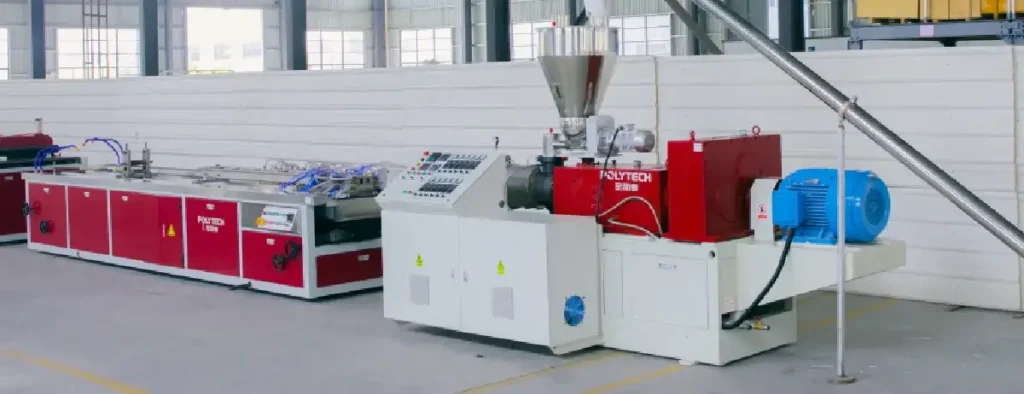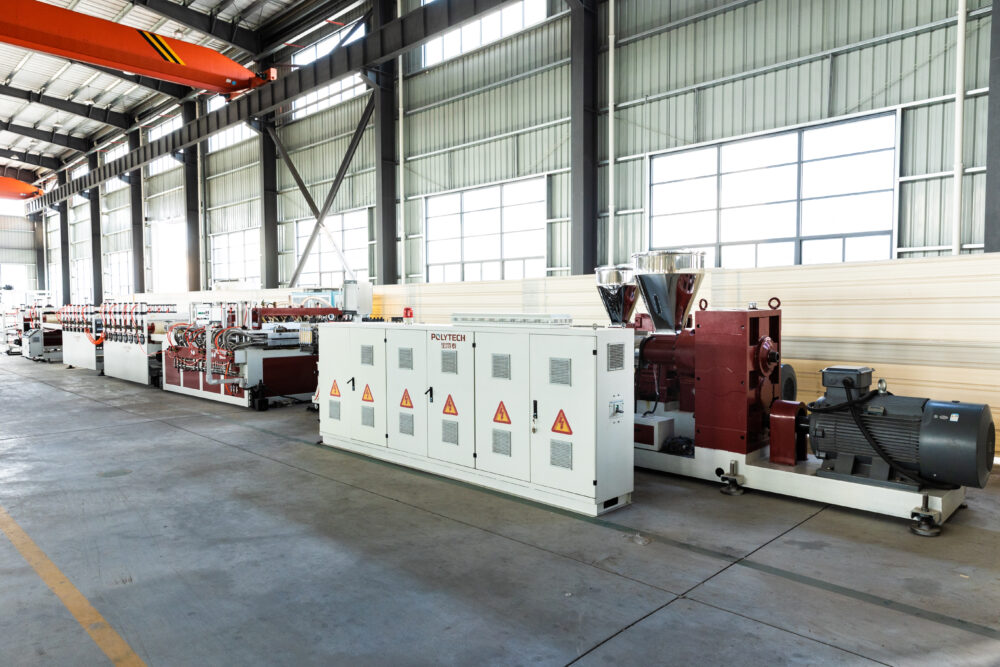


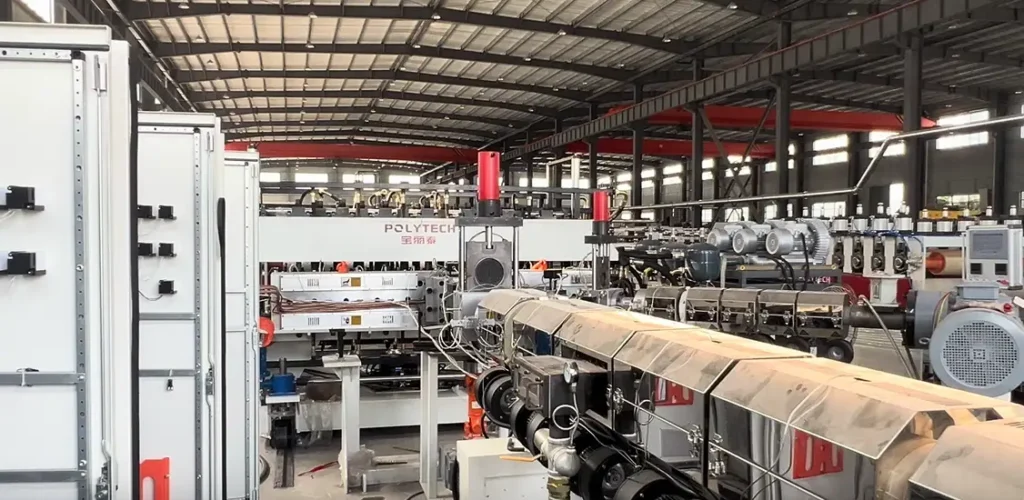
Plastic equipment – the machines and tools used to process plastics – is essential to modern manufacturing. Plastic equipment ranges from large molding presses and extrusion lines to auxiliary items like dryers and conveyors. These machines are the workhorses behind everyday products: from automotive parts and consumer electronics to packaging materials and medical devices. In fact, plastic equipment plays a pivotal role in the manufacturing landscape, “revolutionizing industries with its efficiency and precision”hitech-machinery.com. This article explores the main types of plastic equipment, their uses and benefits, and emerging trends in the field.
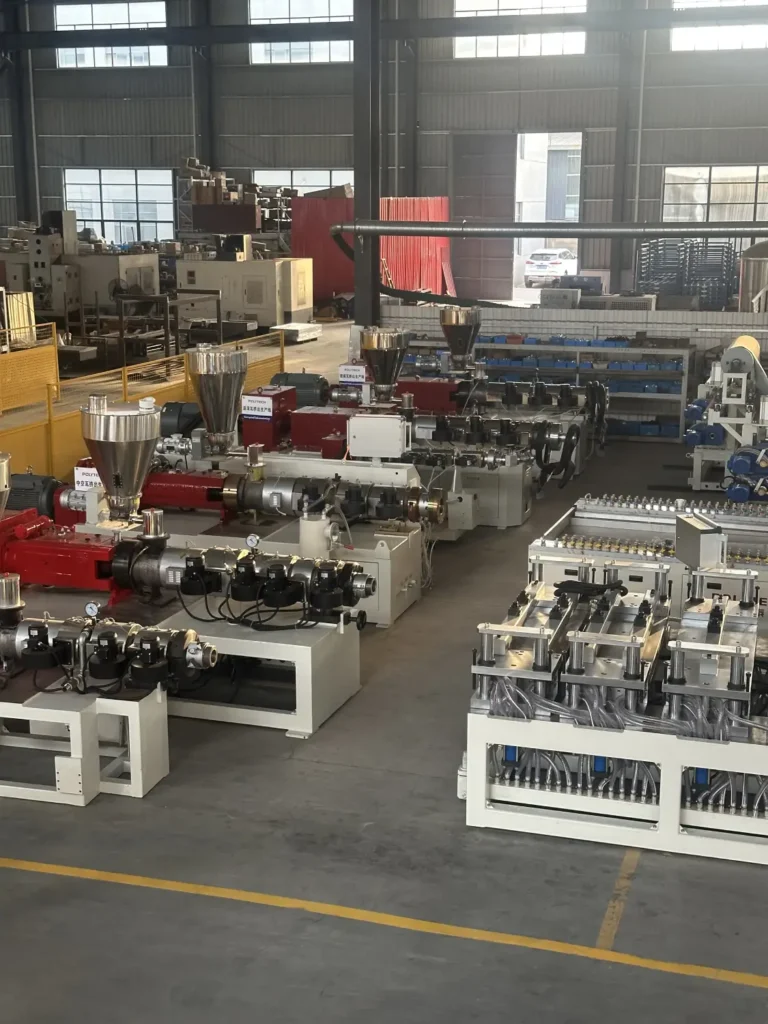
The plastics industry uses many kinds of equipment. Common plastic equipment includes:
1. Injection Molding Machines:
High-precision presses that melt plastic pellets and inject the molten polymer into metal molds. This process creates parts with complex shapes (e.g. housings, connectors, fasteners). Injection molding machines are known for their precision, enabling “high-quality and intricate plastic products” for automotive, electronics, medical and consumer markets.
2.Extrusion Lines:
Continuous machinery that pushes (extrudes) molten plastic through a die to form long profiles. Examples are plastic sheet/film lines (for bags, packaging, and films) and plastic pipe/profile lines. For instance, PVC pipe extrusion lines produce plumbing and infrastructure pipes – recent innovations in these machines have greatly improved the quality and durability of plastic pipes.
3. Blow Molding Machines:
Equipment that forms hollow plastic items (like bottles and containers) by inflating hot plastic tubes (parison) in a mold. Blow molding (both extrusion blow and injection blow) is critical for packaging. (The Plastics Machinery & Manufacturing industry covers blow molding alongside injection and extrusion.)
4.Thermoforming Equipment:
Machines that heat flat plastic sheets and drape or press them into molds (often with vacuum or pressure) to make trays, panels, and enclosures. Thermoformers are used for packaging trays, appliance panels, and other large, thin products.
5. 3D Printers (Additive Manufacturing):
Although different from traditional molding, 3D printing machines build plastic parts layer-by-layer. Additionally, additive manufacturing is increasingly used for rapid prototyping and even limited production.
6. Recycling & Materials-Handling Equipment:
To support sustainability, many plants have plastic recyclers: grinders/shredders turn scrap into flakes, pelletizers and twin-screw extruders reprocess waste into raw pellets. These keep scrap in the production loop.
7. Auxiliary Equipment:
Supporting systems ensure the main machines run smoothly. This includes plastic dryers (to remove moisture from resins), material loaders and blenders, mold temperature controllers, industrial chillers, and screw air compressors. Proper auxiliary equipment “maximizes productivity and minimizes downtime”, providing reliable, consistent processing.
Each piece of plastic equipment serves a specific function in manufacturing. Together, they enable the continuous production of plastic components and parts for a vast array of uses.
Plastic equipment serves a diverse set of industries. For example:
1. Packaging:
Film extruders and bag-making machines turn plastic pellets into wraps, bags, and pouches. Blow molders produce bottles and containers. Consequently, these machines are fundamental to food packaging, consumer goods, and e-commerce shipping.
2. Automotive:
Injection molding presses produce dashboards, bumpers, interior trims, and under-the-hood components. Since many car parts are made from durable plastics, modern plastic equipment lets automakers produce complex, high-precision components reliably.
3. Medical & Healthcare:
Plastic molding machines create syringes, surgical instruments, diagnostic components, and single-use items. The precision of injection molding and clean designs are vital here. Advanced 3D printing is also used for prototypes and custom medical devices.
4. Construction & Infrastructure:
Extrusion lines make PVC pipes, fittings, siding, window profiles, and flooring. The latest pipe extrusion equipment is more automated and energy-efficient, producing high-quality PVC plumbing and electrical conduits.
5. Electronics & Consumer Goods:
Injection molded plastic housings for phones, toys, appliances, and lab equipment. Blow molded enclosures and cable conduits. Moreover, lightweight plastic parts are crucial as industries demand lighter, durable components.
6. Food & Beverage:
PET preform injection molders and blow molders make bottles, caps, and containers for drinks and food. Film extruders make packaging film, and thermoformers create blister packs. High-speed plastic equipment meets food safety standards.
7. Agriculture & Consumer Goods:
Irrigation pipes and fittings (extruded PVC), farming tool parts, toys, sporting goods – nearly all benefit from plastic processing equipment.
In short, wherever plastic parts or packaging are used, specialized plastic equipment is behind them. As one expert source notes, equipment such as injection molders, air compressors, and pipe manufacturing machines spans many applications in manufacturing.
Modern plastic equipment delivers several key benefits:
1.Efficiency & High Throughput:
Automated machines can run 24/7, producing thousands of parts per hour. For example, all-electric injection presses cycle faster and use less energy than older hydraulic machines. This high-speed production dramatically increases output. As one industry overview emphasizes, plastic equipment brings “efficiency and precision” to manufacturing.
2. Precision and Quality:
Computer-controlled presses and extruders yield consistent, tight-tolerance parts. Therefore, injection molders can repeat exact dimensions on intricate parts (from micro-components to large panels) with minimal variation. Consistency in plastic equipment leads to uniform product quality and lower scrap rates.
3. Versatility:
A single machine can make many shapes by changing molds or tooling. For example, extruders can switch dies to produce pipes of different diameters, while injection molding machines can manufacture everything from small medical parts to large automotive panels.
4. Cost Savings:
Over time, investing in modern plastic equipment lowers labor and per-part costs. Automated feeding, unloading robots, and inline inspection reduce manual steps. Energy-efficient designs (like servo motors in electric machines) cut power usage. Auxiliary systems (dryers, compressors) ensure stable processing, reducing waste and rework.
5. Integration and Automation:
Many plastic machines now connect to factory networks (Industry 4.0). Sensors and controls allow predictive maintenance and optimized production. For example, data-driven injection molding (“what is your equipment telling you?”) uses real-time data to reduce downtime and improve yields.Robots and vision systems automate loading and inspection, relieving labor shortages.
6. Sustainability:
Advanced plastic equipment can also support green goals. Recycling extruders reprocess scrap into new pellets, reducing waste. Lightweighting technologies reduce material use. Energy-efficient electric machines cut power consumption. Overall, modern equipment helps manufacturers meet environmental regulations and consumer demand for “greener” production.
In essence, plastic equipment boosts productivity and enables high-quality manufacturing. As one supplier notes, reliable auxiliary machines “maximize productivity and minimize downtime,” complementing the main molding and extrusion machines. The result is a streamlined production line that turns plastic raw materials into finished goods quickly and cost-effectively.
The field of plastic equipment is evolving rapidly. Key trends include:
1. Electrification and Hybrid Machines:
The industry is shifting toward all-electric and hybrid machinery. As a result, electric injection molding machines and extruders offer tighter control, faster response, and lower energy use.
2. Automation and Smart Factories:
With workforce shortages, plastics manufacturers are adding robots, cobots, and conveyor automation. Automation handles material loading, part removal, and even quality inspection. Connectivity (IIoT) lets machines self-monitor. For example, smart injection molding cells can adjust parameters on the fly for consistency. Advances in AI and data analytics are also being applied: systems now exist that help processors “leverage data” to fine-tune operations.
3. Additive Manufacturing (3D Printing):
Although not new, 3D printing is increasingly part of plastics production. In fact, companies now use plastic 3D printers for rapid prototyping and even short production runs. For example, a manufacturing magazine notes the “growing array of applications possible from 3D printers,” ranging from R&D to tooling and even end-use part repair. Moreover, as additive tech matures, it complements traditional plastic equipment by enabling custom, low-volume parts and faster design iteration.
4. Lightweighting and Material Innovation:
Manufacturers demand lighter parts for fuel savings and material reduction. Advanced molding and extrusion tools are helping. One example is using specialized molds (TRIM technology) to produce 5-gallon buckets weighing significantly less plastic than before. In addition, new polymer blends and composites (often processed on standard plastic equipment) allow for stronger, lighter products.
5. Sustainability and Recycling:
Equipment for recycling (like optical sorters and high-efficiency grinders) is improving. Smart sorting machines can now identify dozens of plastic types for proper reprocessing. The machine tools themselves are being designed for energy efficiency. Plus, there’s a push for circular economy: plastic processing lines that can run recycled pellets effectively are in demand. As one trend summary noted, sustainability goals are ever-present in plastics and machinery innovation.
6. Local Production (Reshoring):
Many machinery makers are expanding near customer markets in order to reduce lead times. For instance, an Asian IMM (injection molding machine) supplier plans to build a North American assembly plant so that it can meet local demand. As a result, quicker delivery means faster machine upgrades and less downtime for manufacturers, which in turn supports the broader trend of resilient supply chains.
Overall, these trends show how plastic equipment is becoming smarter, cleaner, and more flexible. Therefore, staying ahead in plastics manufacturing means adopting these innovations – from IoT-enabled equipment to greener processes – while the industry continues to transform.
Conclusion
Plastic equipment underpins virtually all plastic product manufacturing, from packaging and toys to medical devices and construction materials. Therefore, understanding the range of equipment, their applications, and the benefits they deliver is crucial for any plastics operation. By leveraging modern equipment – especially those using the latest trends in automation, electrification, and sustainability – companies can boost productivity, quality, and competitiveness.
For manufacturers seeking comprehensive plastic processing solutions, it’s worth exploring specialist providers. To learn more about cutting-edge plastic equipment and machinery solutions, visit POLYTECH MIDDLE EAST today.