

Introduction
Manufacturing plastic parts is a cornerstone of modern industry, enabling companies to produce components that are lightweight, durable, and versatile. These parts are used across countless applications, from automotive and aerospace components to medical devices, household products, electronics, and packaging solutions. The ability to create high-quality plastic parts efficiently allows businesses to meet the growing demands of consumers while maintaining cost-effectiveness and scalability. Plastic parts are especially valued for their design flexibility, resistance to corrosion, chemical stability, and adaptability to complex shapes, making them a preferred choice over metal in many applications. As industries evolve, the demand for precision, performance, and sustainability in manufacturing plastic parts continues to grow, pushing manufacturers to adopt advanced technologies and optimized production techniques.
Moreover, the process of manufacturing plastic parts does not just focus on volume—it also emphasizes quality and reliability. With precise molding, controlled cooling, and accurate material selection, manufacturers can achieve exceptional dimensional accuracy and surface finishes. This ensures that plastic components can perform reliably under stress, heat, or chemical exposure. By combining the right materials, machinery, and design practices, companies are able to deliver plastic parts that meet stringent industrial standards while also reducing production costs and material waste. Consequently, investing in efficient production methods for plastic parts provides a competitive advantage, enabling businesses to innovate and expand into new markets.
Common Methods for Manufacturing Plastic Parts
Manufacturing plastic parts involves several specialized methods, each chosen based on the desired product geometry, production volume, material properties, and application requirements. Understanding these methods helps manufacturers optimize efficiency, quality, and cost-effectiveness. The most widely used techniques include injection molding, blow molding, extrusion, compression molding, and thermoforming.
Injection molding is the most commonly used method for producing precise and complex plastic parts at high volumes. In this process, plastic pellets are heated until molten and then injected under high pressure into a pre-designed mold cavity. Once cooled, the plastic solidifies, taking the shape of the mold.
This method allows for intricate designs, tight tolerances, and consistent surface finishes, making it ideal for automotive components, medical enclosures, electronic housings, bottle caps, and consumer products. Injection molding also minimizes waste because any excess material can be collected and reused. Additionally, it supports multi-material molding, enabling manufacturers to combine different plastics or add fillers to achieve enhanced strength, color variations, or specific mechanical properties.
Blow molding is specifically used to manufacture hollow plastic parts. The process starts with heating a plastic preform or tube until it becomes pliable, then inflating it inside a mold using air pressure. The plastic expands to conform to the mold cavity, creating hollow containers with uniform wall thickness.
This method is widely used in producing bottles, tanks, drums, and other hollow containers. Blow molding is particularly advantageous for packaging applications because it allows for lightweight, strong, and leak-proof parts. Manufacturers can also produce complex shapes and sizes while maintaining high production speeds, making it efficient for large-scale operations.
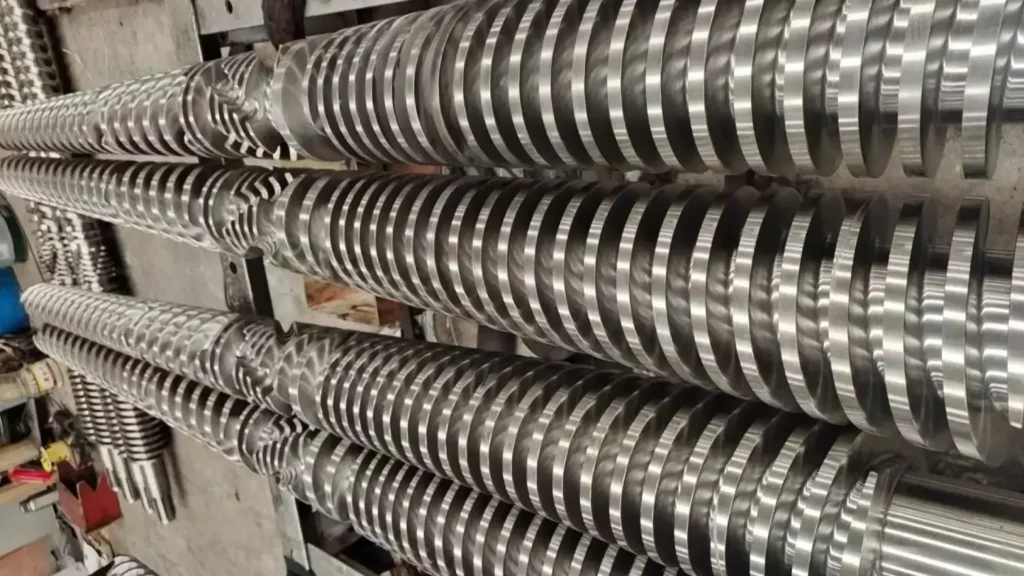
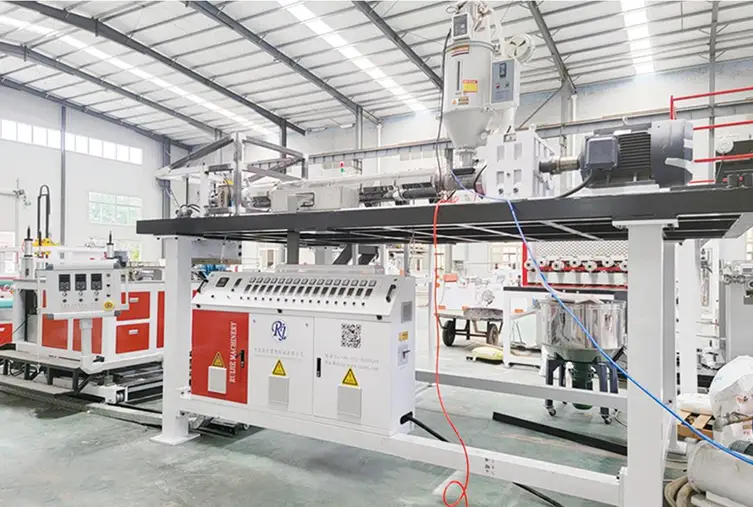
Extrusion is a continuous manufacturing process used to produce long plastic profiles such as pipes, tubes, sheets, films, and custom shapes. In extrusion, plastic pellets are melted and forced through a die, which shapes the molten material into the desired cross-section.
The extrusion process is highly efficient, allowing manufacturers to produce consistent, uniform products in long lengths. It is commonly used for construction materials like window profiles and siding, industrial tubing, packaging films, and cable insulation. Extrusion also enables precise control over thickness, width, and mechanical properties, making it a versatile method for both standard and custom applications.
Compression molding is used for manufacturing larger or thicker plastic components, especially when high strength or heat resistance is required. In this method, preheated plastic material is placed into a mold cavity, then compressed under heat and pressure until it conforms to the mold’s shape.
This technique is ideal for automotive panels, industrial equipment housings, and other structural parts that must withstand mechanical or thermal stress. Compression molding allows the use of reinforced plastics, such as those with fibers or fillers, which can improve impact resistance, rigidity, and durability.
Thermoforming involves heating a plastic sheet until it becomes pliable, then shaping it over a mold using vacuum, pressure, or mechanical force. After cooling, the sheet retains the mold’s shape, creating lightweight and uniform parts.
Thermoforming is often used to produce packaging trays, clamshell containers, automotive interior panels, and custom protective components. It offers cost-effective production for medium-volume runs and allows easy adjustments in design, material thickness, and surface finish.
In addition to the main methods, some manufacturers use techniques like rotational molding for large hollow parts, 3D printing for prototyping, and reaction injection molding for thermosetting plastics. These specialized methods allow flexibility for custom, low-volume, or highly complex parts.
Materials Used in Manufacturing Plastic Parts
The selection of materials is a crucial factor in manufacturing plastic parts, as it determines the performance, durability, flexibility, and overall quality of the final product. Choosing the right material ensures that the plastic parts can withstand mechanical stress, heat, chemical exposure, and environmental conditions while meeting industry standards and application requirements.
Thermoplastics
Thermoplastics are widely used because they can be melted and reshaped multiple times without losing their properties. Common thermoplastics include:
- Polypropylene (PP): Lightweight, chemically resistant, and versatile. PP is ideal for automotive trims, packaging containers, laboratory equipment, and household items.
- Polyethylene (PE): Flexible, impact-resistant, and cost-effective, making it suitable for films, piping, protective packaging, and containers.
- Acrylonitrile Butadiene Styrene (ABS): Tough, durable, and dimensionally stable, widely used for electronic housings, automotive parts, and structural components.
- Polyvinyl Chloride (PVC): Can be rigid or flexible, highly resistant to chemicals and environmental factors, commonly used in piping, window profiles, and industrial components.
- Polycarbonate (PC): Transparent, strong, and heat-resistant, ideal for safety equipment, electronic displays, and automotive lighting.
Thermosetting Plastics
Thermosetting plastics are materials that solidify permanently after curing. They are used when high heat resistance, chemical stability, and structural integrity are required. Common examples include epoxy, phenolic, and polyurethane. These materials are often used in automotive parts, aerospace components, electrical insulation, and industrial equipment.
Composite Materials
Composite plastics combine polymers with reinforcing fibers or fillers to enhance strength, stiffness, and thermal resistance. Glass fiber, carbon fiber, or mineral fillers can be added to produce lightweight yet durable parts suitable for automotive, aerospace, and industrial machinery applications. These composites allow for superior performance where standard plastics might fail under stress or high temperatures.
Specialty Plastics
Specialty or high-performance plastics are engineered to meet demanding requirements such as low friction, wear resistance, high-temperature tolerance, or exceptional chemical stability. Materials like PEEK, PTFE, or high-grade nylon are used for medical devices, aerospace parts, electronics, and precision engineering components.
By selecting the right material and pairing it with the appropriate manufacturing method, manufacturers can produce plastic parts that are strong, reliable, and cost-effective. This careful material selection ensures that manufacturing plastic parts meets both functional and aesthetic requirements across multiple industries, from automotive and medical to consumer goods and construction.
Advantages of Different Manufacturing Methods
Choosing the right manufacturing method for plastic parts is critical because it directly affects quality, cost, production speed, and the range of applications. Each method offers unique advantages depending on the type of part, required precision, material, and production volume. Understanding these advantages helps manufacturers optimize efficiency and meet specific industry needs.
Injection Molding Advantages
Injection molding provides exceptional precision and consistency, making it ideal for high-volume production of complex parts. It allows for tight tolerances, intricate designs, and excellent surface finishes. The process generates minimal material waste, as excess plastic can be recycled and reused. Additionally, injection molding supports multi-material molding, which enables manufacturers to combine different plastics or incorporate additives and fillers to enhance strength, color, or other properties. This method is particularly valuable in industries like automotive, medical devices, consumer electronics, and packaging, where reliability and repeatability are essential.
Blow Molding Advantages
Blow molding excels in producing hollow parts, such as bottles, containers, and tanks, with uniform wall thickness. Its ability to create lightweight, leak-proof, and durable components makes it perfect for packaging and industrial applications. Blow molding also allows for high-speed production of large volumes at relatively low cost. Manufacturers can produce various sizes and shapes while maintaining consistent quality, making it one of the most efficient methods for certain types of plastic parts.
Extrusion Advantages
Extrusion is highly efficient for continuous profiles like pipes, tubes, sheets, films, and custom shapes. This method ensures dimensional consistency, uniform thickness, and excellent mechanical properties along the entire length of the part. Extrusion is cost-effective for producing long materials and allows precise control over material flow, wall thickness, and surface finish. It is widely used in construction, packaging, industrial tubing, and electrical insulation, offering both flexibility and scalability for large-scale production.
Compression Molding and Thermoforming Advantages
Compression molding is ideal for producing large or thick parts that require high strength, rigidity, or heat resistance. It allows the use of reinforced plastics and fillers to improve performance. Thermoforming, on the other hand, is cost-effective for medium-volume runs and enables manufacturers to create lightweight, uniform, and visually appealing parts. Both methods provide versatility for custom applications where standard techniques may not be sufficient, making them useful in automotive panels, industrial housings, and packaging solutions.
Specialized Methods Advantages
Other methods, such as rotational molding, reaction injection molding, or 3D printing, offer flexibility for custom, low-volume, or highly complex parts. Rotational molding produces large, hollow, seamless components efficiently. Reaction injection molding allows for rapid curing of thermosetting plastics in complex shapes. 3D printing enables rapid prototyping and small-batch production with minimal tooling costs. These specialized techniques complement traditional methods, allowing manufacturers to meet unique design challenges and market demands.
Overall, selecting the appropriate manufacturing method ensures optimal performance, cost-efficiency, and product quality. By understanding the advantages of each process, companies can produce plastic parts that meet precise specifications, enhance reliability, and satisfy the functional and aesthetic needs of diverse industries.
Applications of Plastic Parts
Plastic parts play a vital role across a wide spectrum of industries, offering lightweight, durable, and cost-effective solutions. The versatility of plastics allows manufacturers to create components that meet stringent requirements for strength, flexibility, chemical resistance, and heat tolerance. These applications span from everyday consumer goods to highly specialized industrial and medical uses, highlighting the adaptability and efficiency of manufacturing plastic parts.
Automotive Industry
In the automotive sector, plastic parts are used extensively to reduce weight, improve fuel efficiency, and enhance durability. Components such as dashboards, interior trims, bumpers, door panels, air vents, and tubing are commonly manufactured using injection molding or extrusion. Advanced composites and reinforced plastics further provide high strength and resistance to impact, heat, and chemicals, making vehicles safer and more reliable. The use of plastic parts also allows for more complex designs that would be difficult or expensive to produce with metals.
Medical and Healthcare
Plastic parts are crucial in the medical industry due to their sterilizability, chemical resistance, and biocompatibility. Syringes, catheters, fluid lines, enclosures for medical devices, laboratory equipment, and surgical tools are often made from polypropylene, polyethylene, or other biocompatible plastics. The ability to manufacture precise, high-quality, and disposable parts ensures safety, reliability, and hygiene, which are critical in medical and healthcare applications.
Electronics and Consumer Goods
In electronics, plastic parts provide insulation, protection, and lightweight structural support. Housings for computers, smartphones, appliances, connectors, and wire insulation are manufactured using ABS, PC, or other engineering plastics. Consumer goods, including toys, furniture components, kitchen tools, and household items, also benefit from the durability, flexibility, and design versatility of plastic parts. Injection molding, blow molding, and extrusion allow mass production while maintaining high quality and consistency.
Construction and Industrial Applications
Plastic parts are widely used in construction and industrial applications. Pipes, profiles, panels, fittings, fasteners, and protective sheets are commonly produced via extrusion or compression molding. Plastics offer chemical resistance, corrosion resistance, and ease of installation, making them ideal for plumbing, electrical conduits, HVAC systems, and industrial machinery components. Specialty plastics and composites further enhance performance for demanding environments.
Packaging Industry
The packaging industry relies heavily on plastic parts for containers, bottles, caps, closures, films, and trays. Blow molding, thermoforming, and extrusion methods enable the production of lightweight, durable, and leak-proof containers. Plastics offer excellent barrier properties for food and beverages, protecting products from contamination, moisture, and oxygen while reducing transportation costs due to their low weight.
Aerospace and High-Performance Applications
In aerospace, lightweight and high-strength plastic components contribute to fuel efficiency and reliability. Aircraft interior panels, ducting, brackets, and insulation components are often manufactured from advanced engineering plastics and composites. These materials provide exceptional mechanical properties, thermal resistance, and chemical stability required in critical environments.
The diversity of applications demonstrates why manufacturing plastic parts is integral to modern industry. From automotive to medical, electronics, construction, packaging, and aerospace, plastic components provide solutions that are efficient, cost-effective, and adaptable to specific requirements. This versatility ensures that manufacturers can meet the demands of multiple industries while maintaining high-quality standards and functional performance.
Conclusion
In conclusion, manufacturing plastic parts plays a pivotal role in modern industry, providing solutions that are lightweight, durable, and highly versatile. By selecting the right materials, such as polypropylene, polyethylene, ABS, PVC, or specialty plastics, and pairing them with the most suitable manufacturing method—whether injection molding, blow molding, extrusion, compression molding, or thermoforming—manufacturers can produce parts that meet stringent quality, performance, and safety requirements.
The advantages of using plastic parts are clear: they allow for intricate designs, consistent quality, cost-efficiency, and scalability across a wide range of applications. From automotive components and medical devices to electronics, consumer goods, construction materials, and aerospace parts, plastic parts provide unmatched adaptability and reliability. Additionally, modern manufacturing techniques and technological advancements, such as automation, robotics, and precision mold design, have further enhanced efficiency, reduced waste, and improved overall product quality.
Sustainability is another key benefit. Many plastics can be recycled, and careful process optimization minimizes material waste and energy consumption. As industries continue to innovate, manufacturing plastic parts will remain critical to delivering solutions that are not only practical and cost-effective but also environmentally responsible.
verall, the combination of advanced materials, precise manufacturing methods, and cutting-edge technology ensures that plastic parts continue to meet evolving industry demands. Companies that invest in high-quality production processes, maintain flexibility in design, and prioritize efficiency will be well-positioned to succeed in competitive markets, providing reliable, high-performance plastic components across multiple sectors.