

Introduction
Manufacturing equipment is the backbone of modern industrial production, enabling businesses to produce high-quality products with speed, precision, and consistency. From plastic processing and metal fabrication to packaging and automated assembly, manufacturing equipment plays a vital role in improving productivity and maintaining competitive production standards.
As industries continue to embrace automation and smart manufacturing technologies, modern equipment has become more efficient, reliable, and adaptable than ever before. Advanced manufacturing systems help companies reduce production costs, optimize material usage, and deliver products that meet strict quality requirements.
Key Features of Modern Manufacturing Equipment
Modern industrial equipment is designed to maximize efficiency while maintaining excellent product quality and operational reliability.
Key features include:
- High production capacity.
- Automated process control.
- Precision engineering.
- Energy-efficient operation.
- User-friendly control systems.
- Durable machine construction.
- Flexible production capabilities.
- Real-time monitoring and diagnostics.
These features allow manufacturers to increase productivity while reducing operational costs and production errors.
Types of Manufacturing Equipment
Manufacturing facilities utilize different types of equipment depending on the production process and industry requirements.
Production Machines
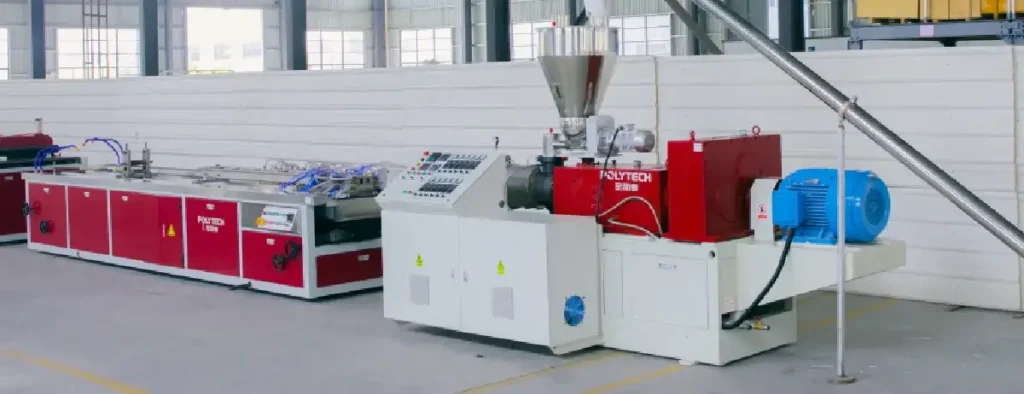
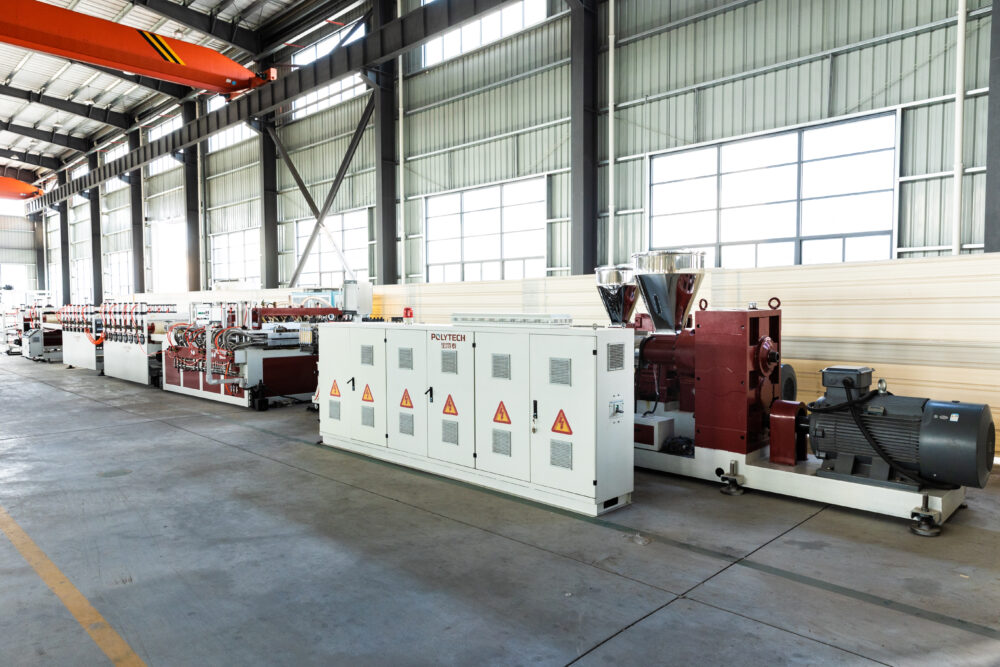
These machines perform the primary manufacturing operations such as extrusion, molding, cutting, forming, and assembly.
Material Handling Equipment
Conveyors, lifting systems, feeders, and automated transport units ensure smooth movement of materials throughout the production process.
Processing Equipment
Specialized machines prepare, mix, heat, cool, or transform raw materials into finished products.
Inspection and Quality Control Equipment
Measurement systems, testing devices, and automated inspection machines verify product quality and ensure compliance with technical specifications.
Packaging Equipment
Automated packaging systems prepare finished products for storage, transportation, and distribution while improving production efficiency.
Each type of equipment contributes to creating a reliable and well-organized manufacturing operation.
Benefits of Advanced Manufacturing Equipment
Investing in modern manufacturing equipment provides significant advantages for industrial facilities.
Increased Productivity
Automation enables faster production cycles and continuous operation with minimal manual intervention.
Improved Product Quality
Precise machine control ensures consistent dimensions, accurate processing, and superior finished products.
Lower Operating Costs
Efficient energy consumption, optimized material usage, and reduced waste help decrease overall production expenses.
Enhanced Workplace Safety
Modern machines include advanced safety systems that protect operators and improve working conditions.
Greater Production Flexibility
Manufacturers can adapt equipment to produce different products, sizes, and specifications with minimal setup time.
Long-Term Reliability
Robust construction and high-quality components ensure dependable operation under demanding industrial conditions.
Applications of Manufacturing Equipment
Manufacturing equipment supports production across a wide range of industrial sectors.
Plastic Processing Industry
Extrusion, recycling, compounding, pelletizing, and plastic product manufacturing.
Construction Industry
Production of building materials, pipes, profiles, panels, insulation products, and structural components.
Automotive Industry
Manufacturing vehicle parts, interior components, and precision engineering products.
Packaging Industry
Production of plastic packaging, containers, films, and protective materials.
Food and Beverage Industry
Processing, filling, packaging, labeling, and automated handling systems.
Electronics Industry
Manufacturing electronic components, protective housings, insulation materials, and technical assemblies.
The versatility of manufacturing equipment makes it indispensable across nearly every industrial sector.
Importance of Equipment Maintenance
Regular maintenance is essential for maximizing equipment performance and extending machine lifespan. Preventive maintenance helps identify potential issues before they result in unexpected breakdowns.
Effective maintenance programs typically include:
- Routine machine inspections.
- Lubrication of moving components.
- Replacement of worn parts.
- Calibration of production systems.
- Cleaning of equipment and processing areas.
- Monitoring machine performance through scheduled testing.
Proper maintenance improves operational efficiency, reduces downtime, and minimizes repair costs over the long term.
Choosing the Right Manufacturing Equipment
Selecting the appropriate equipment is a critical decision that affects production efficiency and business performance.
Important factors to consider include:
- Production capacity requirements.
- Material compatibility.
- Automation level.
- Product specifications.
- Energy efficiency.
- Maintenance requirements.
- Equipment durability.
- Future production expansion.
Choosing the right machinery ensures maximum productivity while supporting long-term business growth.
Future Trends in Manufacturing Equipment
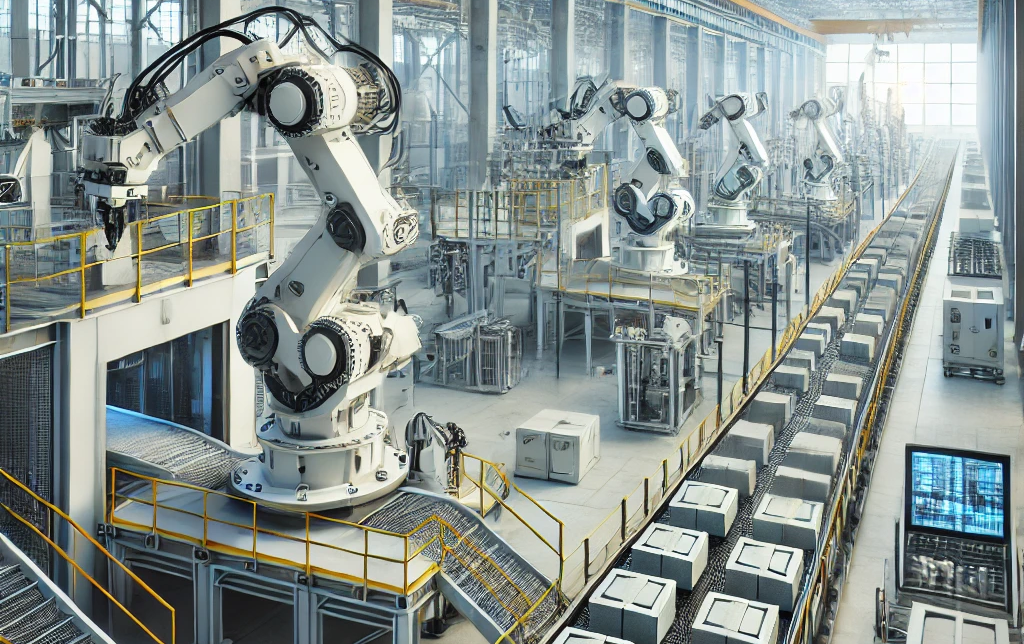
Manufacturing technology continues to evolve through innovations in automation, artificial intelligence, robotics, and digital monitoring systems. Smart factories now use connected equipment that collects real-time production data, predicts maintenance needs, and optimizes operational performance.
Sustainability is also becoming a key focus, with manufacturers investing in energy-efficient machinery, waste reduction technologies, and environmentally responsible production methods. These advancements are helping industries improve efficiency while reducing environmental impact.
Conclusion
Manufacturing equipment is essential for achieving efficient, reliable, and high-quality industrial production. Modern machinery combines automation, precision engineering, and advanced control systems to support a wide range of manufacturing processes across multiple industries. By investing in high-performance equipment and implementing effective maintenance strategies, manufacturers can improve productivity, reduce operating costs, and maintain a competitive advantage in today’s rapidly evolving industrial landscape.