

Introduction
Machine installation is a critical stage in establishing an efficient and reliable industrial production facility. Proper installation ensures that industrial equipment is positioned correctly, connected safely, aligned accurately, and prepared for stable operation. Whether installing a single machine or a complete production line, careful planning and professional execution can significantly affect equipment performance, productivity, safety, and service life.
Modern industrial machines often include complex mechanical, electrical, hydraulic, pneumatic, and control systems. For this reason, installation requires more than simply positioning equipment and connecting power. Every component must be inspected, assembled, aligned, tested, and commissioned according to the machine’s technical requirements.
What Is Machine Installation?
Machine installation is the process of preparing industrial equipment for operation at its intended production location. It generally includes site preparation, equipment transportation, positioning, assembly, mechanical alignment, electrical connections, auxiliary connections, testing, and commissioning.
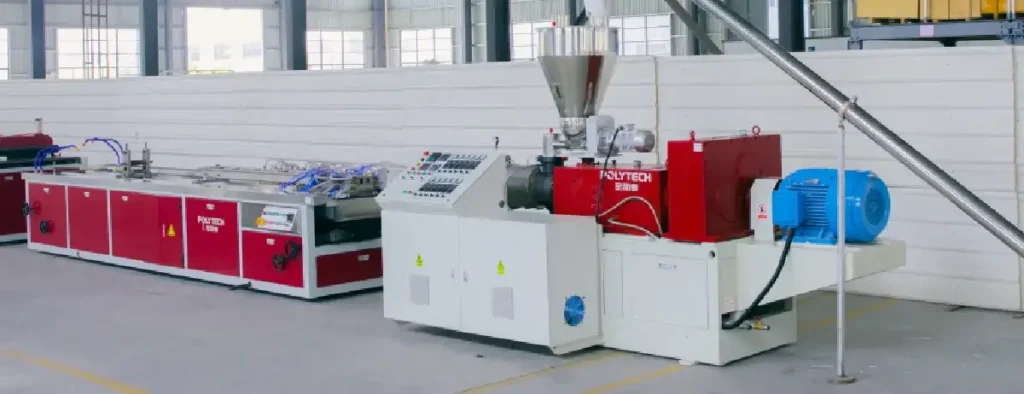
The installation process can vary significantly depending on the machine type, size, production environment, and required utilities. A plastic extrusion machine, for example, may require connections for electrical power, cooling water, compressed air, material feeding, and downstream equipment.
A well-planned installation helps ensure that the machine operates according to its intended specifications from the beginning.
Importance of Proper Machine Installation
Correct installation plays an important role in achieving reliable industrial production.
Improved Machine Performance
Proper positioning and alignment allow mechanical components to operate efficiently and reduce unnecessary stress.
Reduced Downtime
A systematic installation process helps identify potential problems before production begins, reducing unexpected interruptions.
Extended Equipment Life
Correct alignment, lubrication, connections, and operating conditions can reduce premature wear on machine components.
Improved Safety
Proper installation ensures that guards, emergency systems, electrical connections, and other safety features are correctly installed and tested.
Better Production Quality
A correctly installed machine provides more stable operating conditions, helping manufacturers maintain consistent product quality.
Pre-Installation Planning
Successful machine installation begins long before the equipment arrives at the factory.
The installation team should review the machine’s technical documentation and confirm that the production site is ready.
Important preparation steps include:
- Reviewing machine specifications and installation requirements.
- Checking the available floor space.
- Preparing foundations or mounting areas.
- Confirming electrical power requirements.
- Preparing cooling water systems where required.
- Checking compressed air and other utilities.
- Preparing lifting and transportation equipment.
- Planning access routes for moving the machine.
- Preparing required tools and installation equipment.
- Establishing appropriate safety procedures.
Proper planning helps prevent delays and unexpected installation costs.
Site Preparation for Machine Installation
The production area must be prepared before equipment positioning begins. The floor or foundation should be capable of supporting the machine’s weight and operating loads.
The installation area should also provide sufficient space for:
- Machine operation.
- Operator access.
- Maintenance activities.
- Material handling.
- Product movement.
- Electrical and utility connections.
- Emergency access.
Adequate ventilation, lighting, drainage, and environmental conditions should also be considered according to the machine’s operating requirements.
Transportation and Positioning
Moving heavy industrial equipment requires careful planning and suitable handling equipment. Machinery may be transported using cranes, forklifts, rollers, lifting platforms, or other appropriate systems depending on its size and weight.
During transportation and positioning, installation teams should protect sensitive components from impact, vibration, moisture, and other potential damage.
Once the machine reaches its designated location, it should be positioned according to the approved installation layout. Correct positioning provides sufficient access for operation, maintenance, and future servicing.
Machine Assembly and Alignment
After positioning, the machine is assembled according to the manufacturer’s technical documentation.
Alignment is particularly important for equipment containing rotating shafts, screws, rollers, gearboxes, motors, and other precision components.
Accurate alignment can help:
- Reduce vibration.
- Minimize mechanical stress.
- Improve power transmission.
- Reduce component wear.
- Improve production stability.
- Extend equipment service life.
Depending on the machine, alignment may involve precision measuring tools and specialized procedures.
Electrical and Utility Connections
Industrial machines commonly require several utility connections before commissioning.
These may include:
- Electrical power.
- Cooling water.
- Compressed air.
- Hydraulic systems.
- Vacuum systems.
- Ventilation.
- Material feeding systems.
- Drainage connections.
Electrical connections should be completed according to the machine’s electrical specifications and applicable safety requirements.
All cables, pipes, hoses, and connections should be properly secured and inspected before the machine is energized.
Control System Installation
Modern industrial machines frequently use PLC, HMI, sensors, drives, and other automated control technologies.
During installation, control systems should be checked to ensure that:
- Sensors are correctly positioned.
- Cables are properly connected.
- Control panels are securely installed.
- Communication systems function correctly.
- Emergency stop systems operate properly.
- Motors and drives respond correctly.
- Safety interlocks function as intended.
Proper control system installation is essential for achieving accurate and reliable automated operation.
Machine Commissioning
Commissioning is the stage where the installed machine is tested and prepared for actual production.
The process commonly begins with no-load testing to verify basic machine operation. Motors, drives, pumps, fans, conveyors, heating systems, and control functions can be checked before introducing production materials.
After successful no-load testing, the machine can be operated under controlled production conditions.
Commissioning may include:
- Startup testing.
- Temperature verification.
- Motor rotation checks.
- Pressure monitoring.
- Speed adjustment.
- Safety system testing.
- Product quality inspection.
- Production parameter optimization.
Testing and Quality Verification
Testing helps confirm that the machine operates correctly and produces the required results.
Important checks may include:
- Mechanical vibration.
- Temperature stability.
- Electrical current.
- Pressure levels.
- Production speed.
- Product dimensions.
- Surface quality.
- Energy consumption.
- Safety system performance.
Any abnormal noise, vibration, overheating, leakage, or inconsistent production should be investigated before full-scale operation.
Safety During Machine Installation
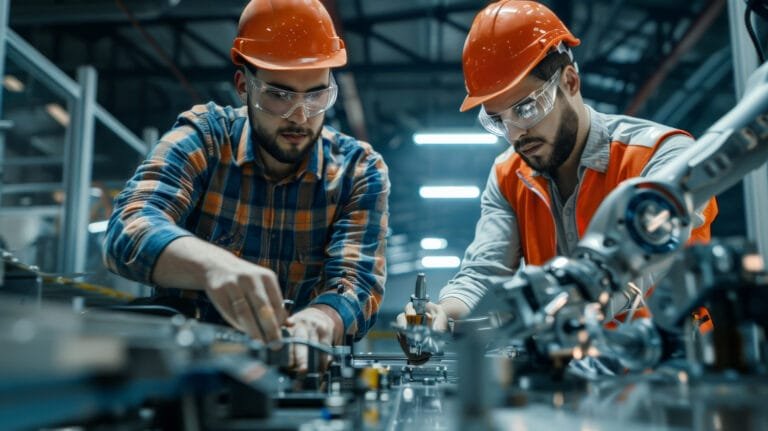
Safety must remain a priority throughout the installation process. Heavy machinery, electrical systems, lifting operations, and moving components can create significant hazards if proper procedures are not followed.
Important safety practices include:
- Using appropriate personal protective equipment.
- Isolating electrical power when required.
- Following safe lifting procedures.
- Securing heavy equipment before assembly.
- Keeping unauthorized personnel away from installation areas.
- Testing emergency stop systems.
- Installing machine guards correctly.
- Maintaining clear access routes.
A structured safety plan reduces installation risks and protects both workers and equipment.
Common Machine Installation Challenges
Industrial machine installation can involve several challenges, particularly when equipment is large or highly complex.
Common issues include:
Limited Installation Space
Insufficient clearance can make transportation, positioning, and maintenance difficult.
Foundation Problems
An unsuitable or uneven foundation can affect machine stability and alignment.
Utility Mismatch
Incorrect electrical power, cooling capacity, compressed air pressure, or other utilities can prevent proper operation.
Alignment Errors
Poor alignment may cause vibration, premature wear, and reduced production efficiency.
Incorrect Connections
Improper electrical, hydraulic, pneumatic, or control connections can cause equipment failures or safety risks.
Careful planning and pre-installation inspection can significantly reduce these problems.
Machine Installation for Production Lines
Installing a complete production line requires coordination between multiple machines and auxiliary systems. Equipment must be positioned according to the production flow so that materials can move smoothly between processing stages.
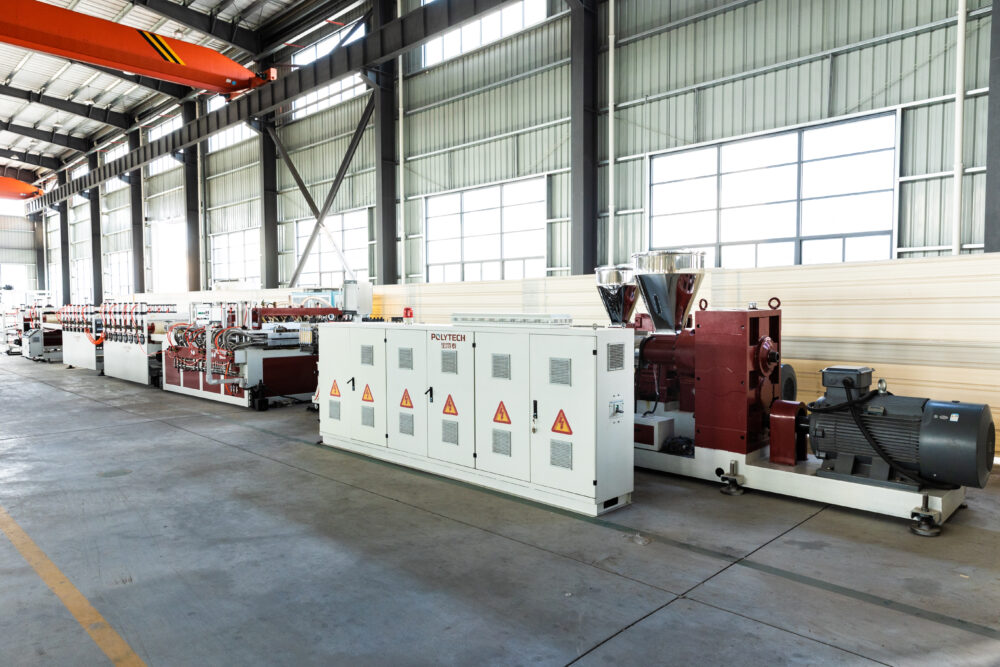
For example, a plastic extrusion line may include:
- Material feeding equipment.
- Main extruder.
- Die system.
- Calibration unit.
- Cooling system.
- Haul-off machine.
- Cutting or winding equipment.
- Control system.
Each component must be correctly positioned, connected, synchronized, and tested to achieve stable production.
Maintenance After Machine Installation
Installation is not the end of equipment management. Regular maintenance should begin after commissioning to preserve machine performance and prevent unexpected failures.
Recommended practices include:
- Regular inspection of mechanical components.
- Lubrication according to technical requirements.
- Cleaning of production equipment.
- Inspection of electrical connections.
- Monitoring of vibration and temperature.
- Replacement of worn components.
- Calibration of sensors and control systems.
- Preventive maintenance scheduling.
A well-structured maintenance program helps extend equipment life and maintain consistent production performance.
Benefits of Professional Machine Installation
Professional installation provides several long-term benefits for industrial manufacturers.
- Faster and more organized commissioning.
- Improved machine reliability.
- Reduced installation errors.
- Better mechanical alignment.
- Improved operator safety.
- Reduced startup problems.
- Lower risk of premature component failure.
- Better production efficiency.
- Easier future maintenance.
Professional installation is particularly valuable for complex machines and complete production systems where multiple mechanical and electrical components must work together.
Conclusion
Machine installation is a fundamental part of establishing a safe, efficient, and reliable manufacturing operation. From site preparation and transportation to positioning, assembly, alignment, utility connections, testing, and commissioning, every stage contributes to the machine’s long-term performance.
By following a structured installation process and paying close attention to safety, alignment, electrical systems, utilities, and commissioning requirements, manufacturers can reduce downtime, improve productivity, and extend equipment service life. Proper machine installation ultimately provides a strong foundation for stable production and efficient industrial operations.