

Introduction
Plastic extrusion services are an essential part of modern manufacturing, enabling the transformation of raw plastic materials into durable, high-precision products. These services allow manufacturers to create continuous shapes such as sheets, films, pipes, tubes, and custom profiles, meeting a wide range of industrial and commercial needs.
The versatility of plastic extrusion services makes them suitable for many sectors, including packaging, construction, automotive, electronics, and healthcare. Companies rely on extrusion not only for high-volume production but also for consistent quality and reliable dimensional accuracy, which are critical in industrial applications.
One of the main advantages of plastic extrusion services is their ability to customize materials. Manufacturers can adjust thickness, color, flexibility, chemical resistance, and mechanical strength to suit specific requirements. This flexibility allows businesses to produce products that meet both functional and aesthetic demands while maintaining cost efficiency.
Furthermore, modern plastic extrusion services incorporate advanced technologies such as automated control systems, real-time monitoring, and precise temperature management. These innovations enhance production efficiency, reduce material waste, and improve overall product performance, making extrusion an increasingly preferred method in today’s competitive manufacturing environment.
How Plastic Extrusion Works
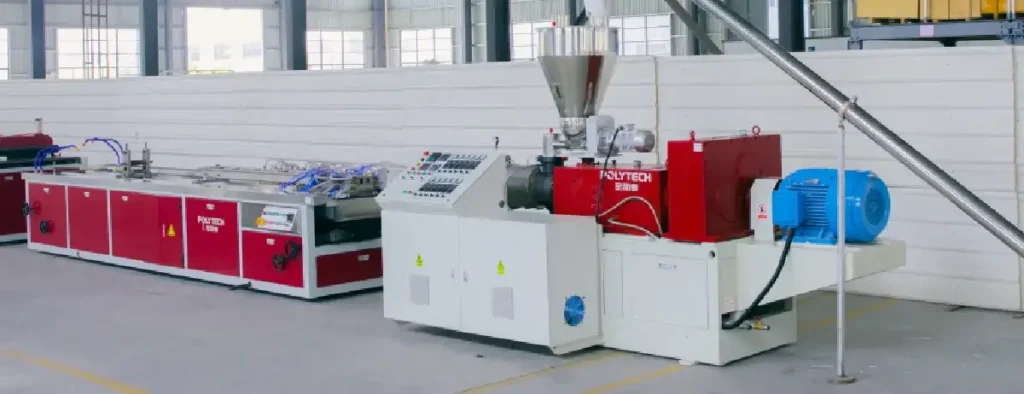
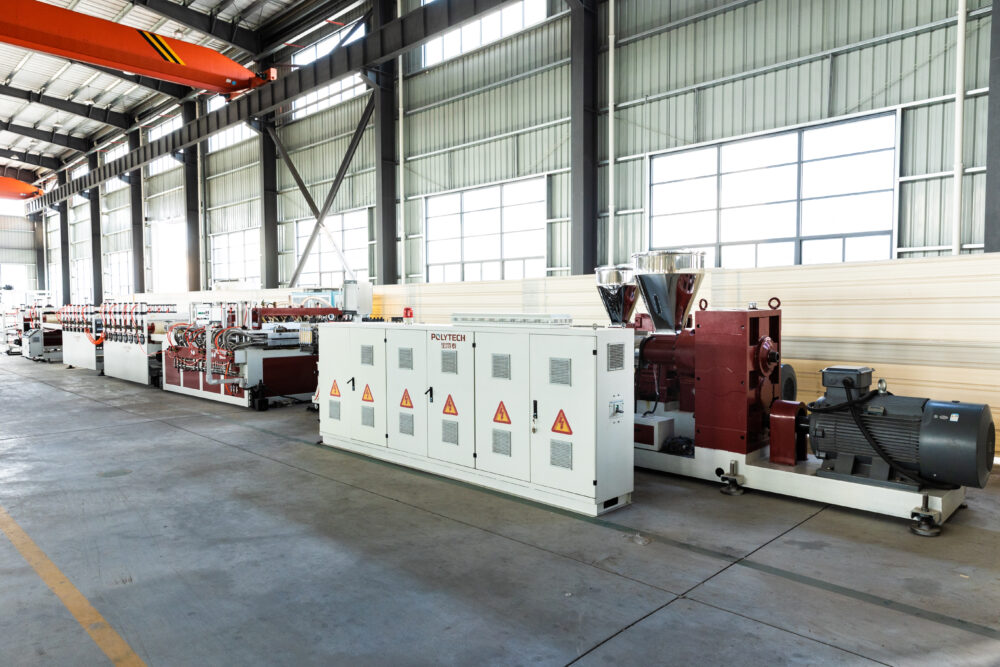
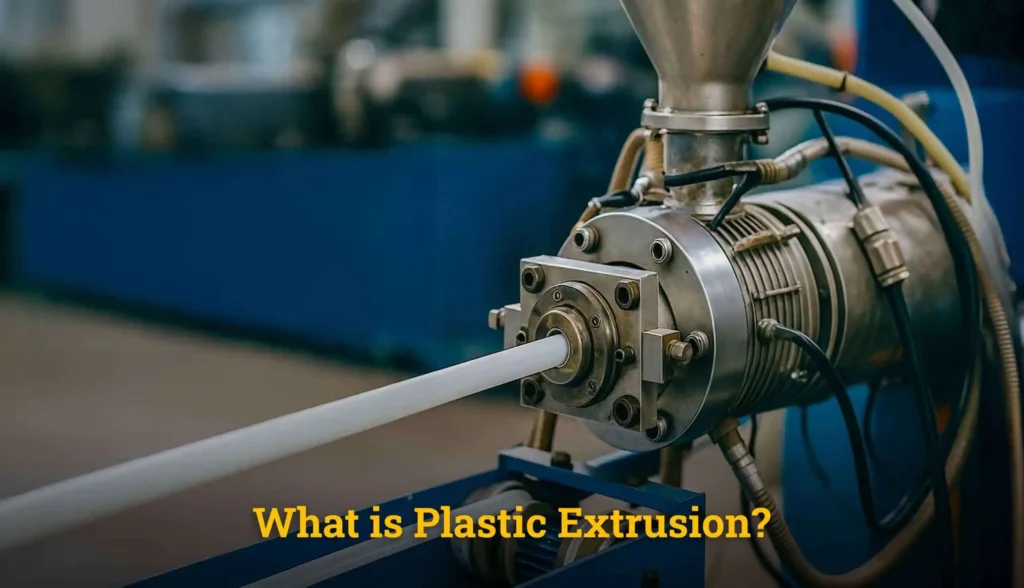
The plastic extrusion process is a continuous operation that transforms thermoplastic materials into precise and uniform products. It begins when plastic pellets are fed into a hopper and gradually move into a heated barrel. Inside the barrel, a rotating screw melts and blends the plastic, applying controlled heat and pressure to create a homogeneous molten material. The careful regulation of temperature, screw speed, and pressure ensures that the plastic flows smoothly, which is critical for maintaining consistency in the final product.
Once the material reaches the die, it is forced into the desired shape, whether that is a tube, sheet, film, or complex custom profile. After extrusion, the product passes through a series of cooling processes—often involving water baths or air cooling—to solidify while preserving its shape and dimensions. Finally, finishing equipment trims, cuts, or rolls the material for storage, shipping, or further processing. This seamless and continuous workflow allows extrusion to deliver high production rates without sacrificing quality, dimensional accuracy, or surface finish, making it ideal for applications that require both durability and precision.
Types of Plastic Extrusion Services
Plastic extrusion services provide versatile solutions for producing a wide range of plastic products. They allow manufacturers to create durable and consistent materials tailored to industrial and commercial needs.
Profile Extrusion
Profile extrusion focuses on creating custom shapes such as window frames, edge trims, cable ducts, and sealing strips. Each profile can be adjusted in size, color, texture, and flexibility to meet specific requirements.
This type of extrusion is widely used in construction, automotive, and industrial applications, where consistent quality and long-lasting performance are essential.
Sheet and Film Extrusion
Sheet and film extrusion produces flat or thin plastic materials used in packaging, thermoforming, protective layers, and industrial insulation. Manufacturers can control thickness, transparency, and material properties to suit different applications.
These products benefit from the precision and uniformity provided by plastic extrusion services, making them reliable for large-scale production.
Pipe and Tube Extrusion
Pipe and tube extrusion creates tubes for plumbing, medical devices, irrigation systems, and automotive fluid transfer. Products must withstand pressure, temperature changes, and chemical exposure, which makes material selection crucial.
High-quality extrusion ensures that pipes and tubes remain strong, leak-free, and durable over long-term use.
Co-Extrusion
Co-extrusion involves layering two or more materials in a single product to enhance strength, barrier properties, or aesthetic appearance. Examples include multi-layer packaging films and dual-color automotive trims.
This method demonstrates the flexibility and innovation possible with modern plastic extrusion services.
Industries That Use Plastic Extrusion Services
Plastic extrusion services are utilized across a wide range of industries thanks to their ability to produce durable, precise, and cost-effective plastic components. Below is an expanded explanation of the major sectors that rely on extrusion, with each point broken into smaller sub-paragraphs for clarity:
Packaging Industry
The packaging industry is one of the largest users of plastic extrusion services. Manufacturers rely on extrusion to produce films, sheets, and protective wraps used for food, medical products, and consumer goods.
Because extrusion allows for tight control over thickness, strength, and surface finish, packaging companies can create materials that offer important benefits such as product protection, moisture resistance, and long shelf life.
In addition, plastic extrusion services support high-volume production, making it easier for packaging suppliers to maintain competitive pricing and consistent quality.
Construction and Building Materials
In the construction sector, plastic extrusion services make a huge impact by supplying high-strength and weather-resistant components. PVC pipes, profiles, panels, window frames, cable conduits, and decorative trims are commonly produced through this process.
Extruded plastics offer durability, corrosion resistance, and impressive longevity, which are essential in building applications exposed to harsh environments. Additionally, the ability to customize cross-sections and sizes allows manufacturers to match very specific architectural and safety requirements.
Automotive Industry
The automotive industry depends heavily on plastic extrusion services for producing lightweight and highly precise components. These include sealing strips, dashboards, interior trims, tubing, cable channels, and under-hood insulation profiles.
By incorporating extruded plastic materials, car manufacturers benefit from reduced vehicle weight, improved energy efficiency, and lower production costs. The process also supports mass production with excellent repeatability—key advantages in high-volume automotive manufacturing.
Electrical and Electronics
Plastic extrusion services are fundamental to producing insulation materials, wire coatings, connectors, and protective cable housings used in electronics and power distribution.
Extruded polymers in this field often need to meet strict safety and thermal performance standards. The extrusion process ensures consistent insulation thickness, resistance to heat and chemicals, and safe handling of electrical currents.
This makes the method essential for modern electronics, telecommunications systems, and scalable wiring infrastructure.
Medical and Healthcare Industries
In the medical world, plastic extrusion services support the production of catheter tubes, medical-grade sheets, fluid transfer lines, and precision single-use components.
Medical extrusion requires exceptional cleanliness and accuracy. Materials need to be biocompatible and manufactured under strict regulatory standards like ISO and FDA guidelines. Thanks to extrusion’s consistency and process control, the healthcare sector can rely on high-quality, sterile, and reliable products.
Consumer Goods
A wide variety of everyday household items are produced using plastic extrusion services. These include curtain tracks, furniture components, storage solutions, toys, gardening tools, and many other domestic products.
Because extrusion enables flexible design and cost-efficient manufacturing, companies can deliver affordable items while still meeting functional and aesthetic requirements.
Materials Used in Plastic Extrusion Services
Plastic extrusion services support a variety of thermoplastics, allowing manufacturers to choose the right material for performance, durability, and cost.
PVC (Polyvinyl Chloride) is commonly used for rigid pipes, window profiles, and medical tubing. It offers durability, chemical resistance, and cost-effectiveness.
Polyethylene (PE) provides flexibility and impact resistance, making it suitable for films, irrigation tubes, and protective sheets.
Polypropylene (PP) is lightweight, strong, and food-safe, ideal for automotive components, packaging, and household items.
Other materials, such as ABS, TPU, and PET, expand the range of applications, providing options for high-impact, flexible, or transparent products.
The selection of materials is crucial to the quality and performance of extruded products, ensuring that plastic extrusion services can meet diverse industrial needs effectively.
Benefits of Plastic Extrusion Services
Plastic extrusion services offer manufacturers a reliable and efficient way to produce plastic products at scale. The process provides consistent results, which makes it ideal for industries that require high precision and dependable performance.
Cost-Effective Production
One major advantage of plastic extrusion services is their ability to support high-volume manufacturing at relatively low cost. Because the process runs continuously, material waste is reduced, and production time is optimized. This benefit allows companies to meet market demand without increasing expenses significantly.
Flexible Design Options
Extrusion gives manufacturers the flexibility to create customized shapes, sizes, and material properties. Modifications such as color, texture, thickness, and reinforcement can be adjusted to meet specific application requirements. This level of adaptability makes extrusion suitable for automotive components, building materials, consumer products, and more.
Material Efficiency
The extrusion process uses raw materials efficiently, minimizing scrap and improving sustainability. Waste from trimming or start-up adjustments can often be recycled back into production. This approach makes plastic extrusion services not only economical but also environmentally responsible.
Consistent Quality and Performance
Because the extrusion line operates continuously and under controlled conditions, it produces uniform products with stable mechanical and physical properties. Industries that require precise dimensions—such as medical, engineering, and packaging—benefit from the reliability and repeatability of the process.
Compatibility with Many Thermoplastics
Manufacturers can select from a wide range of thermoplastic materials depending on performance needs. Whether the goal is impact resistance, flexibility, transparency, or chemical resistance, extrusion allows the right material to be chosen for the job. This versatility expands the number of products that can be manufactured efficiently.
Common Products Made with Plastic Extrusion
Plastic extrusion services are responsible for producing a wide range of everyday and industrial products. The process allows manufacturers to create continuous shapes with consistent quality, making it suitable for mass production across many sectors.
Pipes and Tubing
One of the most common products made through extrusion is plastic pipes and tubes. These are used in plumbing, irrigation systems, medical devices, automotive fluid lines, and industrial transport. Their durability, low weight, and resistance to corrosion make them a preferred alternative to metal.
Plastic Sheets and Films
Extruded plastic sheets and films are widely used in packaging, protective wrapping, vacuum forming, and insulation. Manufacturers can adjust thickness, transparency, and flexibility to suit specific needs. For example, food packaging relies on thin films that provide hygiene, strength, and low cost while maintaining product freshness.
Custom Profiles
The extrusion process also creates specialized profiles used in construction, electrical installations, and automotive trim. Window frames, cable channels, weather seals, and decorative strips are all produced using dies designed for specific shapes. These products benefit from consistent dimensions and reliable performance.
Wire and Cable Coatings
Plastic extrusion services produce insulation layers for electrical wires and data cables. The molten plastic coats the conductive core and forms a protective barrier that resists heat, chemicals, and abrasion. This protection helps maintain signal strength and electrical safety.
Filaments and Rods
Extrusion also produces filaments for 3D printing, welding rods, and industrial applications. The continuous process allows the production of uniform diameters, which is essential for applications that depend on precision and stable material performance.
Packaging Straps and Bands
Many industries use plastic strapping to secure goods during shipping and storage. Extruded straps are lightweight, strong, and cost-effective, making them suitable for pallets, cartons, and bulk shipments.
Conclusion
Plastic extrusion services play a vital role in today’s manufacturing landscape, offering a cost-effective and highly adaptable solution for producing continuous plastic profiles and components. With the ability to work with different polymers, tooling options, and production scales, the process allows manufacturers to meet the needs of numerous industries—from packaging and construction to automotive, electronics, and consumer goods.
Moreover, the precision and consistency of plastic extrusion services ensure reliable quality, reduced waste, and efficient production cycles, making them a preferred choice for businesses seeking scalable output and long-term value. As technology continues to advance, modern extrusion techniques are becoming even more efficient, enabling tighter tolerances, faster production, and broader design possibilities.
In short, plastic extrusion services provide the perfect balance of flexibility, performance, and cost savings, helping manufacturers transform raw polymers into products that power daily life and industrial progress.