

Introduction to Factory Equipment
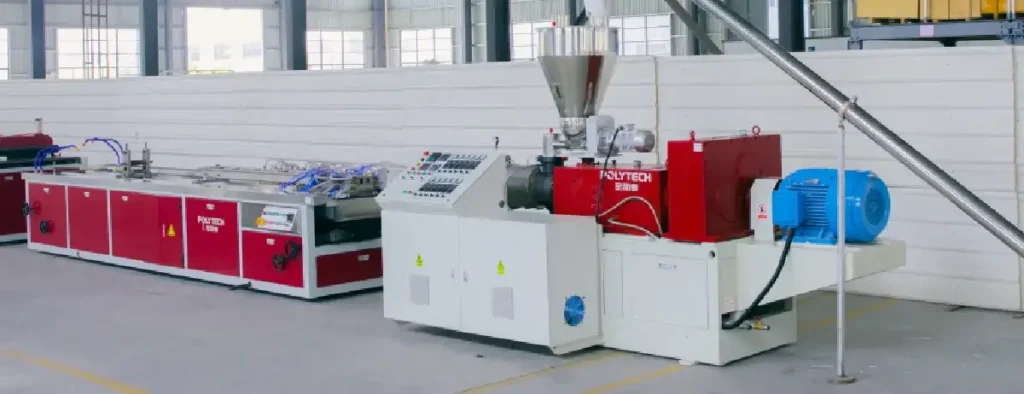
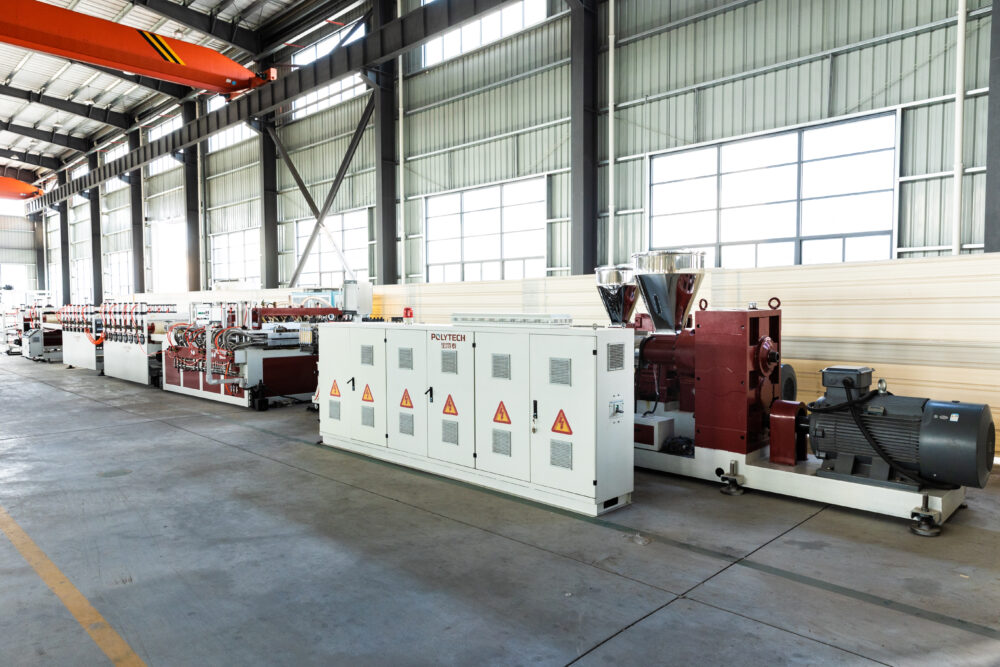
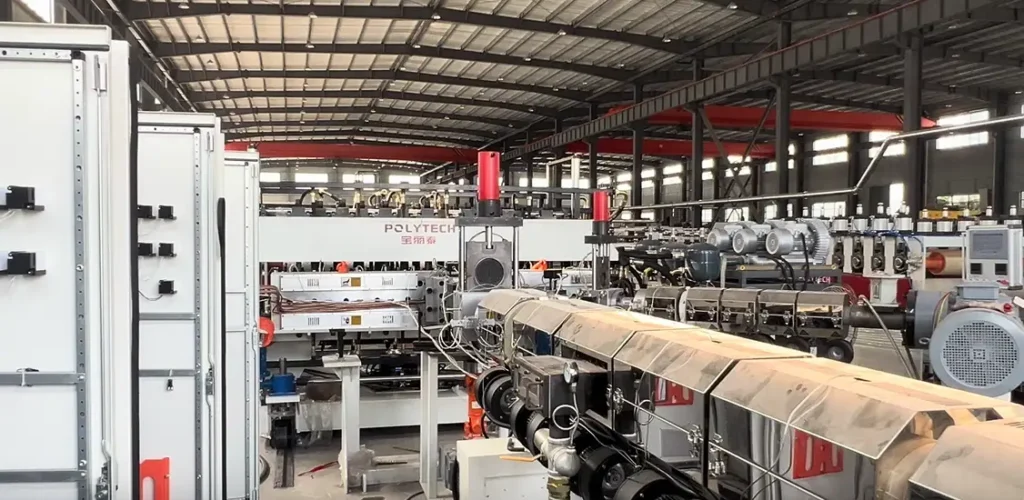
Factory equipment plays a fundamental role in modern industries, serving as the backbone of production and manufacturing processes. It includes a wide range of machines, tools, and systems that help transform raw materials into finished goods with speed, precision, and consistency. Without reliable factory equipment, businesses would struggle to maintain high productivity levels and consistent quality standards. From heavy-duty machinery like CNC machines and injection molding systems to material handling tools such as conveyors and forklifts, factory equipment ensures that every stage of production runs smoothly. It minimizes manual labor, reduces errors, and significantly improves efficiency. As industries become more competitive, investing in advanced factory equipment is no longer a choice but a necessity. Additionally, modern factory equipment is not limited to physical production machines. It also includes automated systems, inspection devices, and quality control instruments that guarantee every product meets the required specifications. This combination of technology and machinery makes factory equipment an essential part of industrial growth and success.
Types of Factory Equipment
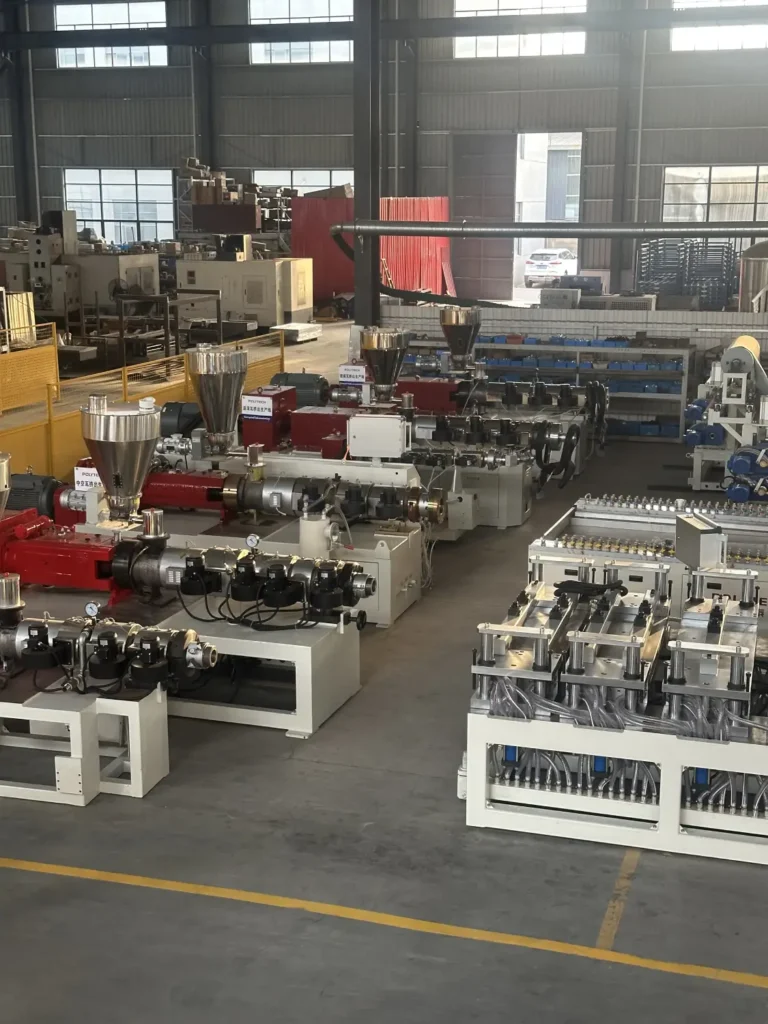
Factory equipment covers a wide variety of machines and tools, each designed to serve a specific role in the production process. By understanding these categories, industries can select the right factory equipment to improve efficiency, safety, and product quality.
1. Production Machinery
- This type of factory equipment includes all machines that directly create or shape products. Common examples are:
- CNC machines for precise cutting and shaping in the automotive and aerospace industries.
- Injection molding machines used in plastics manufacturing for making packaging, toys, and automotive parts.
- 3D printers for rapid prototyping and small-batch production in electronics and medical device manufacturing.
- Production machinery reduces errors, increases speed, and ensures consistent product quality.
2. Material Handling Equipment
- Material handling factory equipment ensures smooth movement of materials throughout the production floor. Key examples include:
- Conveyors in food processing plants for continuous product flow.
- Forklifts and pallet jacks in warehouses for lifting and stacking goods.
- Cranes in heavy industries such as shipbuilding and steel plants.
- This equipment minimizes manual labor, boosts workplace safety, and improves overall productivity.
3. Packaging Equipment
- Packaging factory equipment handles tasks like wrapping, sealing, labeling, and palletizing products. Examples include:
- Automatic labeling machines in the pharmaceutical industry for compliance with strict regulations.
- Vacuum packaging machines in food processing to extend shelf life.
- Robotic palletizers in logistics centers for efficient shipment preparation.
- With packaging automation, factories save time, reduce costs, and maintain hygiene standards.
4. Quality Control and Inspection Equipment
- Factory equipment dedicated to quality control ensures that every product meets required standards. Examples include:
- Vision inspection systems in electronics for detecting micro-defects.
- Material testing machines in construction for checking strength and durability.
- X-ray scanners in the food industry to identify contamination.
- By using these tools, factories prevent defective products from reaching customers and maintain their reputation.
5. Maintenance and Support Equipment
- No factory can operate efficiently without support systems. Important types of maintenance factory equipment are:
- Air compressors for powering pneumatic tools.
- Generators to provide backup power during outages.
- Industrial cleaning machines for hygiene and dust control.
- Safety systems like fire suppression and protective barriers.
- Such equipment reduces downtime, protects workers, and ensures smooth operations.
6. Specialized Factory Equipment
- Some industries require highly specialized machines. Examples include:
- Textile machinery in clothing production.
- Robotic arms in electronics assembly lines.
- Bottling machines in beverage factories.
- Laser cutting systems in metalworking industries.
- Specialized factory equipment allows companies to stay competitive by improving precision and reducing waste.
Importance of Factory Equipment in Manufacturing
- Factory equipment holds critical importance in manufacturing because it directly influences how fast and how well products are made. Efficient machines reduce dependency on manual labor, shorten production cycles, and deliver consistent product quality. For instance, in industries like automotive or electronics, even small variations can lead to costly rework. By relying on precise equipment, manufacturers maintain high accuracy and uniform standards across all production lines.
- Another key aspect is safety. Modern equipment often comes with advanced safety features, such as automatic shutoffs, sensors, and protective enclosures. These features lower the risk of workplace accidents by taking on dangerous or repetitive tasks, such as handling heavy loads or operating in extreme environments. This not only protects workers but also ensures smoother operations with fewer disruptions.
- From a financial perspective, investing in advanced equipment creates long-term cost efficiency. Although the upfront cost may seem high, automation reduces labor expenses, minimizes raw material waste, and improves energy efficiency. Over time, these savings can significantly outweigh the initial purchase price, making the investment highly valuable.
- Additionally, factory equipment plays a role in sustainability. Energy-efficient machines and precision tools help reduce environmental impact by lowering emissions, optimizing material use, and supporting recycling initiatives. In today’s global market, manufacturers that adopt sustainable equipment gain a competitive advantage and improve their reputation.
- Finally, the ability to adapt to change is another major benefit. With the right equipment, factories can quickly adjust to new product designs, increased demand, or updated regulations. This flexibility keeps businesses competitive and resilient, especially in industries where technology and consumer needs evolve rapidly.
Benefits of Modern Factory Equipment
1. Improved Precision and Quality
Modern factory equipment delivers exceptional accuracy thanks to advanced sensors, digital controls, and automation software. These tools minimize human error, which ensures consistent product quality. In industries like pharmaceuticals or electronics, where small mistakes can cause major issues, this level of precision is essential.
2. Higher Productivity
Automation allows machines to operate continuously with minimal downtime. As a result, factories achieve higher output within shorter timeframes. In addition, smart monitoring systems provide real-time data on machine performance. Managers can use this information to identify maintenance needs early, reducing the risk of sudden breakdowns and costly delays.
3. Energy and Cost Efficiency
Modern equipment is often designed with energy-saving technologies. Lower power consumption reduces operating expenses, while improved efficiency minimizes waste of raw materials. Over time, these savings balance out the initial investment, making modern equipment a cost-effective choice for manufacturers.
4. Flexibility and Adaptability
Unlike older machines that serve limited functions, modern equipment can often be reprogrammed or adjusted for multiple tasks. For example, a single automated machine may handle different packaging sizes or switch between product designs quickly. This flexibility helps manufacturers adapt to new market trends without major disruptions.
5. Enhanced Workplace Safety
Many modern machines include protective enclosures, emergency shutoffs, and automated handling systems. These features reduce the need for workers to engage in dangerous or repetitive tasks. By minimizing direct human involvement in hazardous processes, factories improve overall safety and reduce the likelihood of accidents.
6. Competitive Advantage
By combining precision, speed, and sustainability, modern equipment strengthens a company’s position in the market. Faster production cycles, reduced costs, and reliable product quality help manufacturers meet deadlines and maintain customer trust. Ultimately, this leads to stronger growth and long-term competitiveness.
How to Choose the Right Factory Equipment
Selecting the right factory equipment is a strategic decision that directly impacts productivity, costs, and product quality. Companies should carefully evaluate several key factors before making an investment:
1. Production Capacity
The equipment must match the current output requirements while leaving room for future growth. Undersized machines can slow production, whereas oversized equipment may increase unnecessary costs.
2. Energy Efficiency
Modern equipment often comes with energy-saving features that reduce electricity consumption and operating expenses. Choosing energy-efficient models not only lowers costs but also supports sustainability goals.
3. Maintenance Requirements
Every piece of equipment needs servicing. Businesses should consider machines that are easy to maintain, with readily available spare parts and simple repair procedures. Preventive maintenance can also extend equipment lifespan and minimize downtime.
4. Compatibility with Existing Systems
New equipment should integrate smoothly with existing production lines. Compatibility reduces the need for costly modifications and ensures a faster return on investment.
5. Total Cost of Ownership
While purchase price is important, companies should also evaluate long-term expenses such as energy consumption, repair costs, and operator training. This broader view helps in selecting equipment that remains cost-effective over time.
6. Safety and Compliance
Factory equipment must meet industry safety standards and regulations. Built-in protective features safeguard workers, reduce accidents, and promote a safer workplace.
By considering these factors together, companies can make smarter investment decisions that improve efficiency, reduce costs, and ensure long-term success.
Maintenance of Factory Equipment
Proper maintenance is essential to keep factory equipment running smoothly and extend its operational lifespan. Without regular care, even the most advanced machines can suffer from breakdowns, leading to costly downtime and reduced productivity. To avoid these problems, companies should adopt a structured maintenance strategy that includes:
1. Preventive Maintenance
Scheduling regular inspections helps identify small issues before they escalate. Preventive maintenance tasks include cleaning, tightening loose components, and replacing worn-out parts. This approach minimizes unexpected failures and ensures equipment reliability.
2. Lubrication and Calibration
Machines with moving parts require proper lubrication to reduce friction and prevent wear. Regular calibration is equally important, especially for equipment that relies on precision. Accurate calibration ensures consistent product quality and reduces material waste.
3. Timely Repairs
Delaying repairs often increases the severity of damage. Addressing issues as soon as they appear prevents prolonged downtime and lowers overall maintenance costs. Quick repairs also protect workers from operating unsafe equipment.
4. Training and Skilled Workforce
Well-trained technicians and operators play a crucial role in equipment maintenance. When staff understand how machines function and recognize early signs of malfunction, they can act quickly to prevent disruptions.
5. Use of Monitoring Technologies
Modern factories often rely on sensors and IoT systems that track machine performance in real time. These tools detect anomalies early and help schedule predictive maintenance, reducing the likelihood of sudden breakdowns.
By combining preventive practices, skilled workers, and modern monitoring tools, companies can keep their equipment in peak condition. Ultimately, a strong maintenance program reduces downtime, lowers operating costs, and improves overall efficiency
Technological Advancements in Factory Equipment
IoT and Real-Time Monitoring
The integration of IoT (Internet of Things) has transformed how factories operate. Sensors embedded in machines constantly collect data on temperature, vibration, and performance levels. This information is transmitted to a central dashboard where managers can track equipment health in real time. For example, if a motor overheats, the system sends an immediate alert, allowing technicians to fix the problem before a breakdown occurs. This predictive approach lowers maintenance costs, minimizes downtime, and extends the life of expensive machines.
Artificial Intelligence and Robotics
AI and robotics are reshaping manufacturing by automating tasks that once relied heavily on manual labor. AI-driven software can predict production bottlenecks, adjust workflows, and even optimize energy use. Robotics, meanwhile, handle precision-based tasks such as welding, assembly, and packaging with high accuracy. This not only improves productivity but also reduces the risk of workplace injuries. In industries like automotive and electronics, robots now work side by side with humans in collaborative systems, combining human judgment with robotic efficiency.
Green and Energy-Efficient Equipment
Environmental responsibility is now a global priority, and modern equipment reflects this shift. Factories are investing in energy-efficient machinery with advanced motors, power-saving modes, and renewable energy compatibility. For instance, injection molding machines that once consumed massive amounts of electricity are now designed with smart energy recovery systems. This not only lowers utility bills but also reduces carbon emissions, helping manufacturers meet international sustainability standards.
Digital Twins and Virtual Simulations
One of the most exciting advancements is the rise of digital twins—virtual replicas of physical machines. Using simulation software, engineers can test new designs, optimize workflows, and predict potential failures before they happen in the real world. For example, a digital twin of a conveyor system can reveal weak points under heavy loads, allowing companies to make adjustments before installing the actual equipment. This technology reduces costly trial-and-error processes and speeds up innovation.
Smart Connectivity and Industry 4.0 Integration
Factory equipment is no longer isolated. With Industry 4.0, machines communicate with each other, exchange data, and create fully connected production lines. Smart sensors and cloud-based platforms allow managers to access performance data remotely, enabling faster decision-making. In the near future, self-adjusting machines will autonomously balance workloads, shift energy use, and optimize entire production cycles without human intervention.
Conclusion
- Factory equipment has become more than just machines that produce goods; it now represents the core of industrial innovation. With the integration of IoT, AI, robotics, and green technologies, factories are transforming into intelligent, efficient, and sustainable ecosystems. These advancements not only cut costs and reduce downtime but also improve product quality and workplace safety.
- Looking ahead, the future of factory equipment lies in even greater connectivity and automation, driven by Industry 4.0 and digital twin technologies. Manufacturers who invest in modern equipment and adopt smart maintenance strategies will gain a clear competitive edge in global markets. Ultimately, staying updated with technological advancements ensures that factories remain productive, adaptable, and ready to meet the challenges of tomorrow.