

Introduction
Extrusion plastic manufacturing is one of the most efficient and versatile processes in modern plastics production. This technology enables manufacturers to transform raw thermoplastic materials into continuous shapes such as pipes, sheets, films, and custom profiles with exceptional precision and consistency. Unlike batch production methods, extrusion allows for continuous, scalable manufacturing, making it ideal for meeting high-volume demands across industries.
The process begins by melting raw polymers and forcing them through a specifically designed die, which shapes the material into the desired profile. Advanced extrusion lines are equipped with automated controls, temperature regulation, and in-line monitoring systems that ensure every meter of product meets strict dimensional and quality standards. By incorporating extrusion technology, businesses can reduce material waste, improve energy efficiency, and maintain reliable output, all while producing products that meet both industrial and consumer requirements.
Extrusion plastic manufacturing is widely applied across numerous sectors, including construction, packaging, automotive, electronics, and medical applications. Its ability to handle different types of polymers, incorporate additives, and produce complex multi-layer structures gives manufacturers remarkable flexibility in product design. This adaptability, combined with high production speed, makes extrusion a cornerstone of modern plastics manufacturing.
Materials Used in Extrusion Plastic Manufacturing
The success of the extrusion process depends largely on the selection of the right plastic material. Different polymers offer unique characteristics that influence product strength, flexibility, temperature resistance, and surface finish. Manufacturers carefully choose the type of polymer based on the desired application and performance requirements.
Polyethylene (PE):
Polyethylene is one of the most common materials used in extrusion. It comes in several types, such as low-density (LDPE), high-density (HDPE), and linear low-density (LLDPE). Each variant provides different levels of toughness, flexibility, and chemical resistance, making it suitable for films, pipes, and packaging materials.
Polypropylene (PP):
Polypropylene offers excellent mechanical strength and heat resistance. It is widely used in the production of fibers, sheets, and profiles where lightweight and durability are essential.
Polyvinyl Chloride (PVC):
PVC is a versatile and cost-effective polymer known for its rigidity and resistance to environmental stress. It is commonly used for pipes, fittings, window frames, and cable insulation.
Polystyrene (PS):
Polystyrene is ideal for products requiring clarity and ease of molding. It is used in extrusion for producing sheets, packaging trays, and insulation boards.
Engineering Plastics (ABS, PET, PC):
Advanced materials such as Acrylonitrile Butadiene Styrene (ABS), Polyethylene Terephthalate (PET), and Polycarbonate (PC) are used when high performance, impact resistance, or optical clarity are required.
Selecting the appropriate material ensures that the extrusion plastic manufacturing process delivers optimal performance and meets the demands of both industrial and consumer applications.
The Extrusion Process Explained
The extrusion plastic manufacturing process is a continuous and highly efficient method for transforming raw polymers into finished plastic products with precise shapes and consistent quality. Each stage of the process is carefully engineered to ensure uniform material flow, stable thermal conditions, and accurate product dimensions.
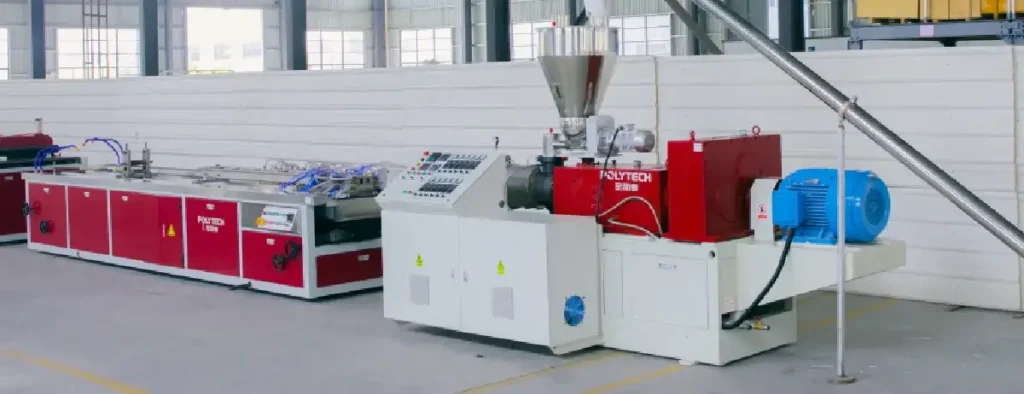
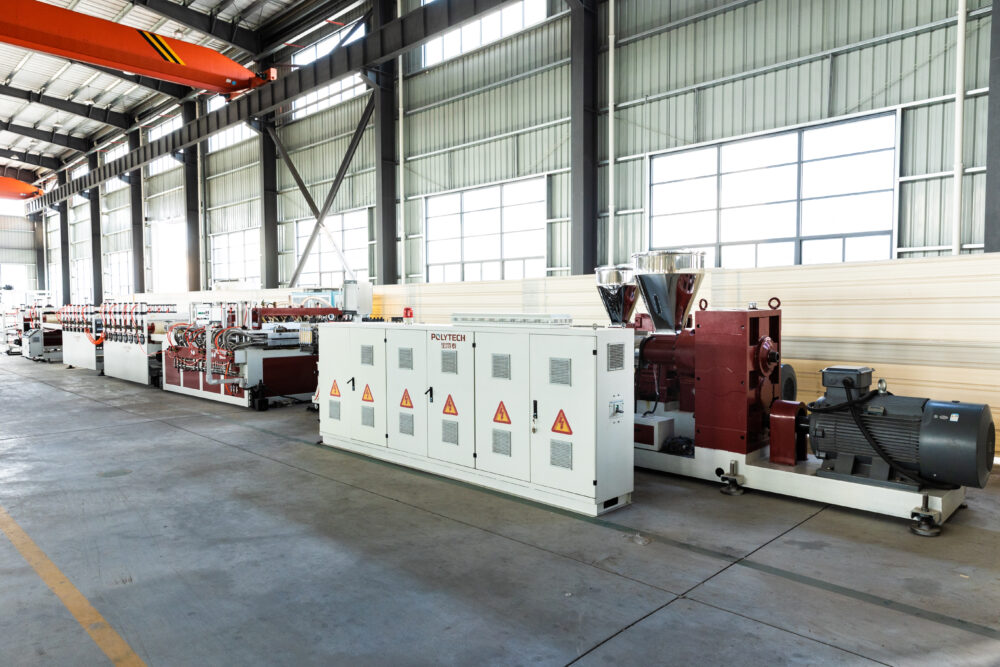
The process begins when raw plastic pellets, granules, or powders are fed into a hopper positioned above the extruder barrel. A rotating screw, housed inside the barrel, transports the material forward. As it moves, the polymer is exposed to controlled heat zones and frictional energy, which gradually melt it into a homogeneous, viscous fluid. The temperature profile along the barrel is critical—it must be high enough to melt the polymer but not so high that it causes degradation or discoloration.
During melting, additives such as stabilizers, colorants, and reinforcing fillers are blended with the molten polymer. The screw geometry plays a vital role in achieving uniform mixing and eliminating air bubbles or unmelted particles. Proper homogenization ensures that the final extrudate exhibits consistent mechanical, optical, and chemical properties throughout its length.
Once the material reaches the correct viscosity, it is forced through a precision-engineered die that defines the shape of the extrudate. Dies can produce a wide range of cross-sectional profiles—from simple circular pipes and flat sheets to complex hollow or multi-layer structures. The design and maintenance of the die directly affect the product’s surface finish, dimensional stability, and flow uniformity. Advanced computer-aided simulations are often used to optimize die geometry for specific materials and product designs.
After exiting the die, the molten plastic passes through a cooling section—typically a water bath, air ring, or vacuum calibration unit—depending on the product type. For example, pipes and profiles often require vacuum calibration to maintain tight dimensional tolerances, while films and sheets use chill rolls for smooth surface texture. Cooling must be gradual and uniform to prevent warping, internal stresses, or surface defects.
The solidified product is continuously pulled by haul-off rollers at a controlled speed, ensuring a steady production rate and consistent wall thickness. Afterward, it is cut to length, coiled, or rolled depending on its final use. Some products undergo post-processing treatments such as surface embossing, printing, or lamination to enhance functionality and appearance.
Throughout the entire extrusion plastic manufacturing process, sensors and automated systems monitor parameters like temperature, pressure, and screw speed in real time. Any deviation triggers automatic corrections to maintain optimal conditions. Advanced extrusion lines integrate closed-loop control systems, laser gauges, and ultrasonic measurement tools to guarantee dimensional precision and reduce waste.
By combining thermal control, mechanical precision, and automation, the extrusion plastic manufacturing process delivers consistent, high-quality products at industrial scale. This efficiency makes it a cornerstone of modern plastic production, supporting industries that rely on durability, accuracy, and cost-effectiveness.
Advantages of Extrusion Plastic Manufacturing
The extrusion plastic manufacturing process stands out as one of the most efficient, adaptable, and cost-effective methods in the plastic industry. It supports the production of a wide variety of continuous profiles — from thin films and pipes to advanced multi-layer sheets — while maintaining excellent quality control and production speed. Below are the key advantages that make extrusion a cornerstone of modern plastic production.
High Production Efficiency
One of the greatest advantages of extrusion plastic manufacturing is its unmatched efficiency. Unlike batch processes, extrusion is continuous — meaning it can operate 24 hours a day with minimal interruption. Once the polymer feed and die setup are optimized, the machine maintains steady output, significantly increasing productivity.
Advanced extruders are now equipped with automated material feeders, temperature regulators, and pressure sensors that ensure stable flow and consistent melt quality throughout production. This reduces downtime caused by manual adjustments and helps achieve kilometers of product output per run with uniform dimensions and finish.
In high-demand sectors such as construction, packaging, and cable insulation, this continuous operation makes extrusion not just faster but also more reliable for meeting tight delivery deadlines.
Consistent Product Quality
Consistency is at the heart of extrusion plastic manufacturing. The process relies on tightly controlled parameters — including temperature gradients, screw speed, and die pressure — to maintain stable melt flow and uniform thickness.
Modern systems use closed-loop control with real-time sensors that adjust conditions automatically to keep variations within micrometer tolerances. As a result, products such as pipes, films, or sheets emerge with identical wall thickness, density, and surface smoothness across long production runs.
In industries where dimensional accuracy is critical — like medical tubing, automotive seals, and electrical insulation — this precision ensures both performance and safety compliance.
Material Flexibility and Range
The extrusion plastic manufacturing process can handle a wide variety of polymers and blends, giving manufacturers great design freedom. Common materials include:
- Polyethylene (PE) for flexible films and coatings
- Polypropylene (PP) for lightweight packaging and containers
- PVC (Polyvinyl Chloride) for pipes, windows, and cable insulation
- ABS and Polycarbonate (PC) for rigid, impact-resistant components
Through co-extrusion, multiple materials can be combined in a single product to balance mechanical strength, aesthetics, and functionality. Additives such as UV stabilizers, flame retardants, and color pigments are often incorporated directly into the melt, eliminating secondary finishing steps.
This adaptability allows extrusion to cater to specialized applications — from transparent food packaging to high-performance engineering parts.
Cost-Effectiveness and Waste Reduction
Another reason extrusion remains dominant is its economic efficiency. The tooling costs for dies and screws are significantly lower than those for injection molding, especially for long or continuous shapes.
Since extrusion is a continuous process, waste material is minimal. Any offcuts or startup scrap can often be re-pelletized and reintroduced into the feed stream, promoting circular production practices.
Energy-efficient heaters, advanced cooling systems, and digital process controls further reduce operational costs. For large-scale production, the cost per meter or kilogram of extruded product is among the lowest in the plastics sector.
Design Versatility and Complexity
Extrusion allows engineers to achieve complex cross-sectional profiles that are difficult or impossible to produce with other methods. Multi-layer co-extrusion enables the creation of films with barrier layers for food packaging or pipes with different material properties for durability and flexibility.
Profile extrusion can also include hollow chambers, embedded reinforcements, or decorative finishes in a single production step.
Moreover, extrusion tooling can be customized quickly — changing dies or calibrators to adapt to new product requirements with minimal reconfiguration. This design flexibility accelerates innovation and shortens product development cycles.
Sustainability and Environmental Responsibility
As sustainability becomes a global priority, extrusion plastic manufacturing has evolved to support eco-friendly production. Many extrusion lines now feature energy-efficient motors, heat recovery systems, and optimized screw designs to minimize energy usage.
Manufacturers are increasingly using recycled plastics, bio-based polymers, or reprocessed materials as part of their extrusion feedstock. Additionally, the low-waste nature of extrusion helps minimize landfill contributions.
By enabling recyclability and reducing carbon emissions, extrusion supports both environmental and economic sustainability goals.
Customization and Adaptability
Extrusion is highly adaptable to changing market demands. By simply modifying the die design, cooling method, or processing parameters, producers can switch between different product types or material grades within hours.
This adaptability is vital for industries that experience rapid changes in specifications or consumer trends, such as packaging, construction, and automotive manufacturing.
In addition, digital monitoring systems and smart manufacturing technologies allow for real-time quality checks, predictive maintenance, and automated adjustments — ensuring flexibility without sacrificing precision or performance.
In essence, extrusion plastic manufacturing combines continuous productivity, precision control, and remarkable versatility. It empowers industries to produce durable, high-quality, and sustainable plastic products at scale. With ongoing advancements in automation, materials, and energy efficiency, extrusion continues to lead the way in shaping the future of modern plastic production.
Challenges and Limitations of Extrusion Plastic Manufacturing
While extrusion plastic manufacturing offers many advantages such as efficiency, versatility, and cost-effectiveness, it also presents several technical and operational challenges. Understanding these limitations helps manufacturers optimize processes, improve product quality, and minimize costly downtime.
Die Design and Flow Instabilities
One of the most common challenges in extrusion plastic manufacturing is maintaining stable polymer flow through the die.
If the melt viscosity or temperature distribution is uneven, the result can be die swell, melt fracture, or surface roughness on the final product.
Die design plays a critical role in preventing these issues — engineers must carefully balance flow channels, pressure gradients, and temperature zones to ensure a smooth, uniform melt distribution.
For complex profiles or multi-layer co-extrusions, this becomes even more difficult. Small imperfections in die geometry can lead to layer delamination, uneven wall thickness, or dimensional distortion, requiring time-consuming recalibration.
Thermal Sensitivity of Materials
Most thermoplastics used in extrusion — such as PVC, PE, and PP — are sensitive to temperature fluctuations.
If overheated, the material can degrade chemically, releasing gases or causing burn marks and discoloration.
If the temperature is too low, the melt may not flow evenly, resulting in poor surface finish or incomplete filling of the die.
Maintaining the ideal thermal profile across the barrel and die zones is therefore critical. This requires precise heating control systems and frequent monitoring to avoid defects.
In continuous operations, even small thermal drifts can accumulate, leading to large quantities of off-spec products before the issue is detected.
Dimensional Tolerances and Product Shrinkage
Achieving tight tolerances is another challenge in extrusion plastic manufacturing, especially when dealing with high-speed production lines.
Plastic materials tend to shrink upon cooling, and the shrinkage rate depends on both the polymer type and the cooling method used.
For example, extruded PVC pipes or profiles can warp or curve if cooling is uneven or too rapid.
To mitigate this, manufacturers use calibration tools, air or water cooling baths, and puller systems that control the rate of solidification — but this adds complexity and requires regular maintenance.
Ensuring consistent product dimensions over long runs demands both precise machine control and skilled operator oversight.
Startup Waste and Process Optimization
Even with automation, every extrusion line requires trial runs and parameter tuning before achieving stable production.
During startup, it’s common to waste a certain amount of material due to unstable melt flow, improper die alignment, or unoptimized temperatures.
Although this material can often be recycled, it still represents a loss in energy, time, and productivity.
Continuous improvement methods such as Statistical Process Control (SPC) and machine learning optimization are increasingly being used to minimize startup waste and improve repeatability in extrusion plastic manufacturing.
Material Compatibility and Additive Interactions
Not all polymers behave the same way during extrusion. Some blends or additives can cause phase separation, gel formation, or uneven dispersion in the melt.
When producing co-extruded or multi-layer films, differences in melt viscosity and adhesion between layers can lead to delamination or weak interfaces.
To overcome this, engineers must choose compatibilizers, stabilizers, and processing aids that enhance interlayer bonding and thermal stability.
However, this often increases material costs and requires extensive testing to verify long-term performance.
Equipment Maintenance and Wear
The continuous nature of extrusion means that screws, barrels, and dies experience constant mechanical and thermal stress.
Over time, abrasion from fillers like glass fibers or minerals can erode the metal surfaces, altering the flow path and affecting product quality.
Regular cleaning and preventive maintenance are crucial to prevent contamination or buildup that can cause defects such as black specks, burn marks, or flow lines.
Advanced systems now use nitrided or bimetallic barrels and wear-resistant coatings to extend equipment lifespan, but these come with higher upfront costs.
Environmental and Energy Considerations
Although extrusion is more energy-efficient than many manufacturing methods, it still consumes a significant amount of heat and electricity — particularly during startup or for thick-wall products.
Improper waste handling or lack of recycling can contribute to environmental pollution.
To address this, modern facilities are adopting energy recovery systems, optimized heating zones, and closed-loop recycling of scrap material.
Still, balancing productivity with sustainability remains an ongoing challenge for extrusion manufacturers worldwide.
Skilled Labor and Process Expertise
Despite automation, extrusion lines still require experienced operators and engineers who understand material behavior, process tuning, and equipment maintenance.
Troubleshooting issues such as melt fracture, die drool, or uneven thickness demands deep knowledge of both mechanical and chemical aspects of plastics processing.
The growing demand for high-performance extruded products — from medical tubing to multilayer packaging films — means that workforce training and skill development are becoming as important as the machines themselves.
While extrusion plastic manufacturing remains one of the most versatile and efficient plastic production techniques, it is not without its complexities.
Manufacturers must carefully manage temperature, pressure, die design, and material compatibility to maintain consistent quality and reduce waste.
With advancements in automation, AI-based process control, and sustainable materials, many of these challenges are being addressed — paving the way for even more precise, eco-friendly, and efficient extrusion technologies in the future.
Applications of Extrusion Plastic Manufacturing
The versatility of extrusion plastic manufacturing has made it one of the most significant and widely adopted processes in the plastics industry. Its ability to produce continuous, uniform shapes from various thermoplastics allows manufacturers to serve multiple industries — from construction and packaging to automotive, electrical, and agriculture.
Below are the major applications that highlight how extrusion contributes to modern plastic production.
One of the largest and most traditional uses of extrusion plastic manufacturing is in producing plastic pipes and tubes.
Materials such as PVC, HDPE, and PPR are extruded to create durable systems for water supply, sewage management, electrical conduits, and irrigation networks.
These pipes are favored for their light weight, corrosion resistance, and long service life, offering a cost-effective alternative to metal counterparts.
Modern extrusion lines feature vacuum calibration tanks, cooling baths, and haul-off units that maintain precise diameters and smooth finishes.
For specialized applications — like gas distribution or chemical transport — advanced multi-layer co-extrusion techniques are used to combine layers that improve strength, temperature resistance, and chemical stability.
Extruded plastic profiles form the backbone of many construction and industrial applications, including window frames, door seals, curtain walls, and cable management systems.
Common materials like UPVC, ABS, and polycarbonate allow for intricate designs and color customization, making them both functional and aesthetically pleasing.
Through custom extrusion dies, manufacturers can create complex cross-sections with embedded channels, grooves, or clips — minimizing the need for post-processing.
These profiles enhance energy efficiency, durability, and ease of installation, especially in modern architectural systems.
Plastic films and sheets are another major outcome of extrusion plastic manufacturing, produced through flat die extrusion or blown film extrusion.
They play a critical role in packaging, agriculture, construction, and electronics due to their adaptability and cost efficiency.
- Packaging films made from LDPE, HDPE, and PP offer flexibility, clarity, and strength — perfect for food wrapping, industrial bags, and stretch applications.
- Agricultural films provide UV shielding, water retention, and temperature regulation in greenhouses or soil covers.
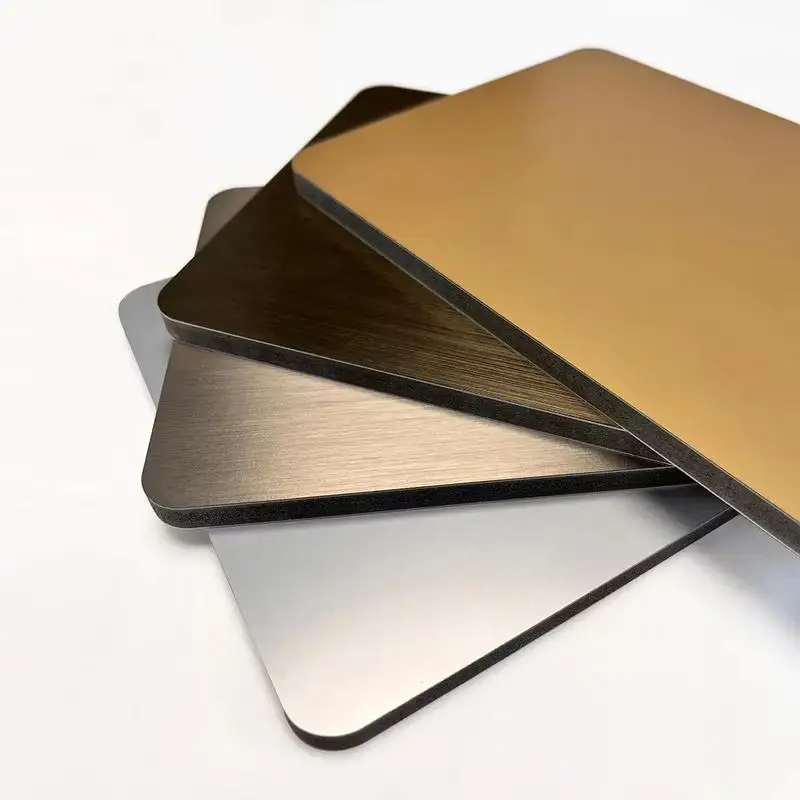
- Extruded sheets are later thermoformed into trays, containers, signage panels, and protective barriers used across industries.
With multi-layer co-extrusion, manufacturers can combine different polymers into a single film or sheet — adding oxygen barriers, glossy finishes, or anti-static layers. This not only improves performance but also reduces material waste.
In the electrical and automotive sectors, the extrusion plastic manufacturing process ensures precision, safety, and performance.
For electrical applications, wire coatings, insulation layers, and cable sheaths are extruded using PVC, TPE, or XLPE, providing flexibility, heat resistance, and protection against environmental factors.
In the automotive industry, extrusion is used to produce weather seals, dashboards, trims, and tubing for fuel or cooling systems.
Lightweight plastics help reduce total vehicle weight, contributing to better fuel efficiency and lower emissions, aligning with global sustainability goals.
Beyond the traditional sectors, extrusion is also utilized in producing medical tubing, 3D printing filaments, furniture edges, and decorative strips.
Continuous innovations in materials and die design allow manufacturers to achieve higher precision and adapt extrusion technology for emerging markets.
Advantages of Extrusion Plastic Manufacturing
The extrusion plastic manufacturing process offers a unique combination of efficiency, flexibility, and scalability that makes it essential in today’s industrial landscape. From producing small precision profiles to large industrial pipes, extrusion delivers consistent quality and cost-effective results. Below are the key advantages that explain why this process dominates plastic production worldwide.
Continuous and Scalable Production
Unlike batch manufacturing, extrusion allows continuous, non-stop production, which means high output rates and minimal downtime.
Manufacturers can run extrusion lines 24/7, producing kilometers of tubing, sheets, or films with consistent quality. This scalability makes it ideal for large-volume manufacturing without compromising precision.
Cost Efficiency and Material Optimization
Extrusion minimizes waste by using only the material needed for the final shape. Any leftover plastic can often be recycled directly back into the process, reducing production costs and environmental impact.
Modern extrusion systems are also energy-efficient, thanks to advanced heating zones, optimized screw designs, and closed-loop temperature control.
Design Flexibility
One of the biggest strengths of extrusion plastic manufacturing is its ability to produce a vast range of shapes and dimensions.
By simply changing the die, manufacturers can create custom profiles, hollow tubes, or multi-layer structures suited for various applications.
This flexibility extends to coloring, texture, and additive integration, allowing engineers to meet both functional and aesthetic requirements.
Consistent Quality and Repeatability
Extrusion ensures uniform material flow, leading to consistent thickness, strength, and surface finish.
Automated control systems monitor every parameter — from pressure and melt temperature to pull speed — guaranteeing that each meter of product meets exact specifications.
This repeatability is crucial for industries that rely on tight tolerances, such as medical, automotive, and packaging.
Compatibility with a Wide Range of Materials
The extrusion process can handle numerous thermoplastic materials, including PVC, HDPE, LDPE, PP, PET, ABS, and polycarbonate.
Each polymer can be modified with additives, fillers, or reinforcements to enhance UV stability, flame retardancy, or chemical resistance.
This adaptability enables manufacturers to serve a diverse market while maintaining product performance and durability.
Integration with Automation and Smart Systems
Modern extrusion lines incorporate PLC automation, real-time monitoring, and AI-driven control algorithms.
These systems improve process accuracy, predict maintenance needs, and optimize energy usage — all contributing to greater operational efficiency and reduced downtime.
✅ In summary:
The extrusion plastic manufacturing process combines productivity, flexibility, and quality in one continuous operation. Its ability to adapt to different polymers, product types, and market needs makes it an indispensable part of the global plastics industry.
Conclusion
The extrusion plastic manufacturing process stands as one of the most advanced and reliable methods in modern plastic production. Its unique ability to transform raw polymers into durable, precise, and customizable products has revolutionized industries ranging from construction and automotive to packaging and electronics.
With continuous progress in automation, materials, and process control, extrusion technology continues to evolve — offering manufacturers greater efficiency, reduced waste, and improved sustainability. Whether producing high-performance pipes, films, or custom profiles, extrusion remains a cornerstone of the global plastic industry.
In an era focused on innovation and environmental responsibility, extrusion plastic manufacturing proves that advanced engineering can deliver both quality and sustainability — shaping the future of plastic production worldwide