

What Are Extrusion Materials?
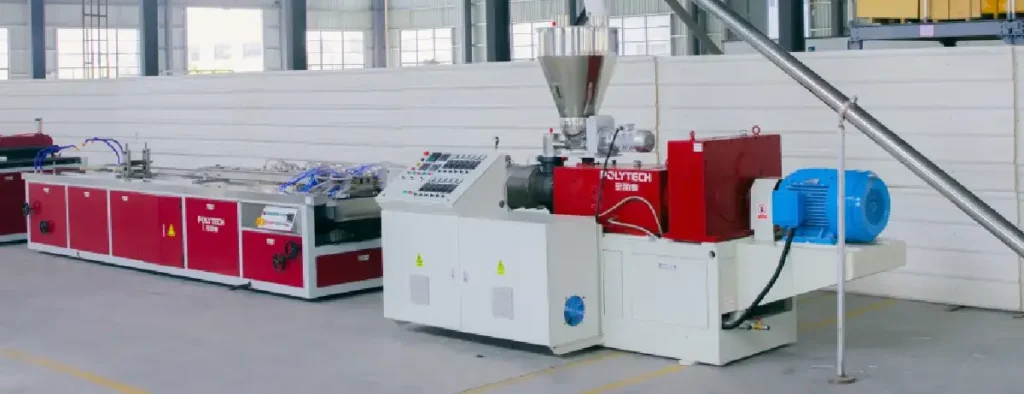
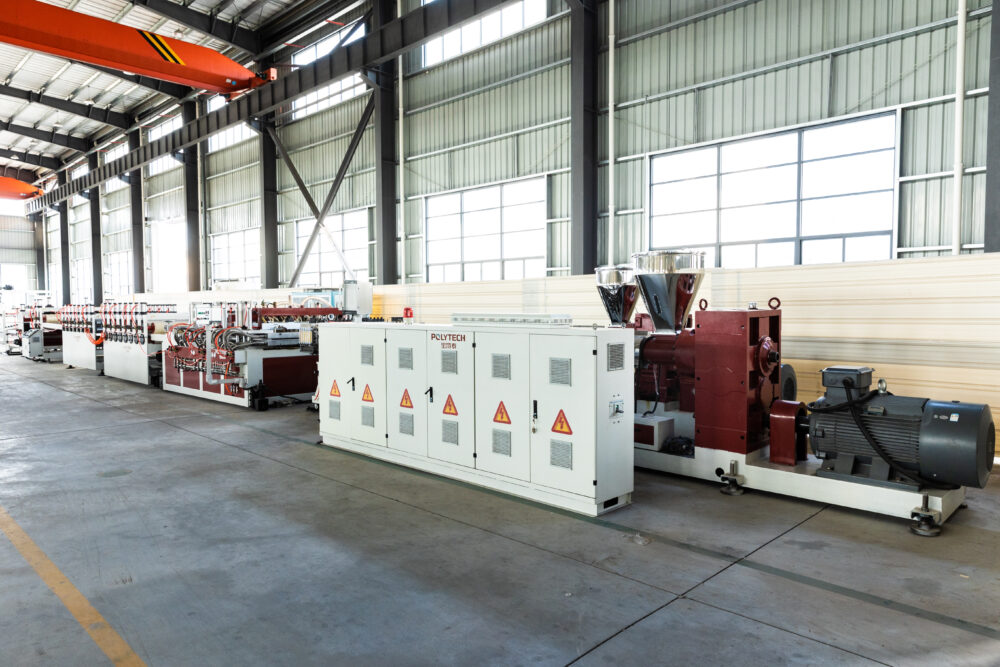
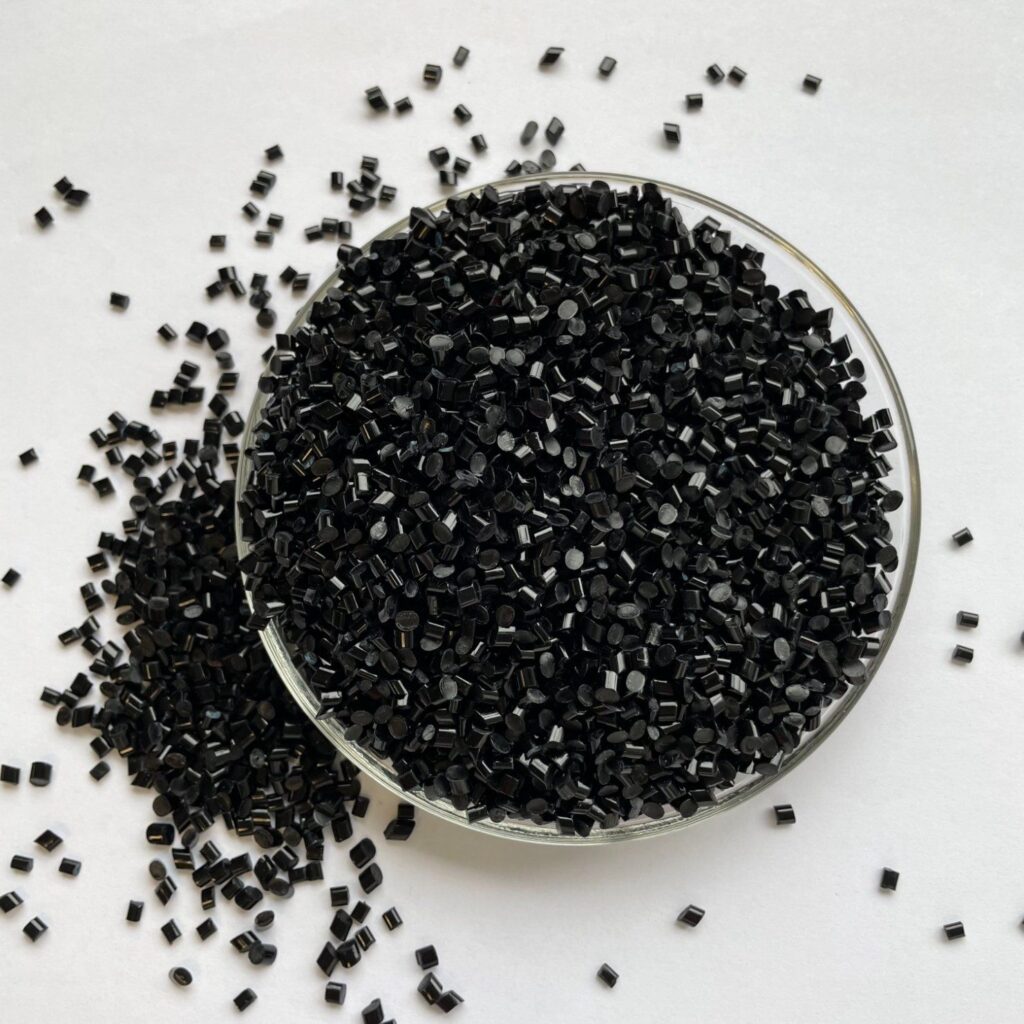
Extrusion materials are raw materials used in the extrusion process to manufacture continuous products with specific shapes and dimensions. In plastic manufacturing, these materials are usually supplied as polymer granules or pellets, which are heated until they melt and are then pushed through a specially designed die to produce items such as pipes, sheets, tubes, profiles, and plastic panels.
Choosing the right extrusion material is essential for achieving the required product quality, mechanical strength, durability, and production efficiency.
Common Types of Plastic Extrusion Materials
Different thermoplastic materials are used in extrusion manufacturing depending on the product’s intended application and performance requirements.
- Polyvinyl Chloride (PVC): Commonly used for pipes, window profiles, cable conduits, and wall panels because of its durability and chemical resistance.
- Polyethylene (PE): Available in different grades, including HDPE and LDPE. It is widely used for water pipes, films, sheets, and protective applications.
- Polypropylene (PP): Known for its chemical resistance, lightweight structure, and good mechanical properties. It is used in sheets, pipes, packaging, and industrial products.
- Polystyrene (PS): Used in sheet extrusion, packaging materials, and certain profiles due to its rigidity and ease of processing.
- Acrylonitrile Butadiene Styrene (ABS): Offers good impact resistance and surface quality, making it suitable for technical profiles and industrial components.
Each material has different processing temperatures, flow characteristics, and cooling requirements, which must be considered when selecting extrusion equipment.
Key Properties of Extrusion Materials
The performance of an extruded product depends heavily on the properties of the selected raw material. Important factors include:
- Melt Flow Properties: Determine how easily the material flows through the extruder and die.
- Thermal Stability: Helps the polymer withstand processing temperatures without significant degradation.
- Mechanical Strength: Influences the durability and performance of the final product.
- Chemical Resistance: Important for products exposed to chemicals, moisture, or industrial environments.
- Shrinkage and Cooling Behavior: Affect final dimensions, product shape, and dimensional accuracy.
Understanding these properties helps manufacturers select suitable materials and adjust machine settings for consistent production.
Additives Used in Plastic Extrusion
In addition to base polymers, extrusion materials may contain additives to improve processing and final product performance. Common additives include:
- Colorants: Provide the required color and appearance.
- Stabilizers: Protect polymers against heat, UV exposure, or degradation.
- Lubricants: Improve material flow and reduce friction during processing.
- Fillers: Such as calcium carbonate, used to modify material properties and production costs.
- Impact Modifiers: Improve toughness and resistance to impact.
The correct formulation depends on the product specifications and the extrusion process.
How to Choose the Right Extrusion Material
Selecting the appropriate material requires considering the final product, operating conditions, and extrusion machine capabilities. Manufacturers should evaluate the required strength, flexibility, temperature resistance, chemical exposure, and production cost.
It is also important to consider compatibility with the extruder screw, barrel, die design, and processing temperature range. Using unsuitable materials or incorrect processing conditions can lead to surface defects, dimensional variations, and reduced product quality.
Applications of Extrusion Materials
Plastic extrusion materials are used across many industries because they can produce continuous products in different shapes and sizes. Common applications include:
- Water and drainage pipes.
- Plastic sheets and boards.
- Window and door profiles.
- Electrical cable conduits.
- Packaging films and sheets.
- Wall panels and decorative profiles.
- Industrial tubes and protective components.
Conclusion
Extrusion materials play a major role in plastic manufacturing, directly affecting product quality, production efficiency, and machine performance. Understanding the properties of polymers, selecting suitable additives, and matching materials with the correct extrusion equipment are essential steps toward achieving reliable and consistent production.