

Introduction
ASA co extrusion is an advanced plastic processing technology used to manufacture high-performance products with improved weather resistance, surface appearance, and long-term durability. The process combines an ASA outer layer with a suitable core material, creating a multi-layer product that benefits from the properties of both materials.
ASA, or Acrylonitrile Styrene Acrylate, is particularly valuable for outdoor applications because of its excellent resistance to ultraviolet radiation, moisture, temperature changes, and environmental aging. By applying ASA as a protective surface layer through co extrusion, manufacturers can produce durable plastic products with excellent color retention and attractive surface finishes.
What Is ASA Co Extrusion?
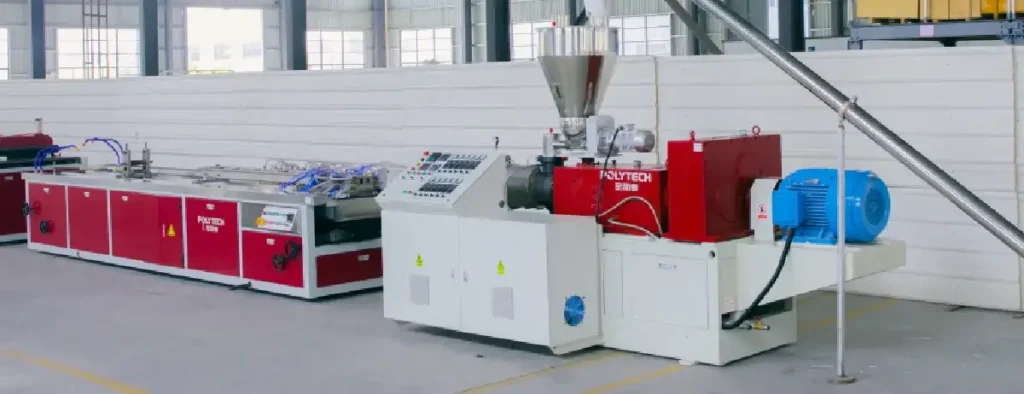
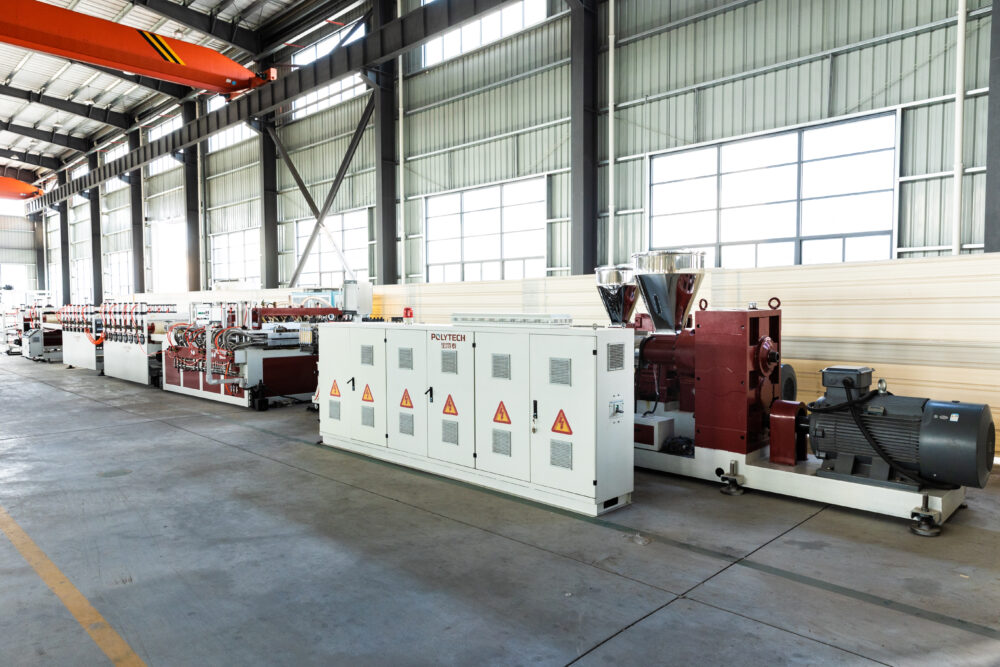
ASA co extrusion is a continuous manufacturing process in which two or more polymer materials are extruded simultaneously through a specially designed co-extrusion die. One material forms the main body or core of the product, while ASA is used as a durable and weather-resistant outer layer.
This structure allows manufacturers to optimize product performance and production costs. The core material provides the required structural properties, while the ASA layer protects the product from sunlight, moisture, weathering, and surface degradation.
The result is a finished product that combines structural efficiency with superior exterior performance.
How ASA Co Extrusion Works
The ASA co extrusion process consists of several carefully controlled stages.
1. Material Preparation
ASA and the core polymer are prepared according to the required product formulation and processing conditions.
2. Separate Material Feeding
The different materials are supplied to dedicated extrusion units, allowing each layer to be processed under suitable conditions.
3. Melting and Plasticizing
Each polymer is heated and homogenized inside its respective extruder.
4. Layer Combination
The molten materials are brought together inside a specialized co-extrusion die, where the ASA layer is accurately distributed over the core material.
5. Shaping and Calibration
The combined material exits the die as a multi-layer profile and passes through calibration equipment to achieve precise dimensions.
6. Cooling and Finishing
Cooling systems stabilize the finished product before it passes through haul-off, cutting, or other finishing equipment.
Precise control of temperature, pressure, layer thickness, and extrusion speed is essential for achieving consistent co-extrusion quality.
Key Features of ASA Co Extrusion
ASA co extrusion technology offers several important features for modern plastic manufacturing.
- Excellent UV resistance.
- Superior weatherability.
- Long-term color stability.
- High surface durability.
- Attractive surface appearance.
- Excellent dimensional stability.
- Strong bonding between layers.
- Efficient continuous production.
- Flexible product design.
- Reduced material consumption.
These characteristics make ASA co extrusion suitable for demanding exterior applications where both performance and appearance are important.
Benefits of ASA Co Extrusion
1. Exceptional Weather Resistance
The ASA outer layer provides strong protection against sunlight, rain, humidity, and temperature fluctuations. This allows products to maintain their appearance and performance in demanding outdoor environments.
2. Excellent Color Retention
ASA has excellent resistance to fading and discoloration caused by prolonged UV exposure. This makes it particularly suitable for products where long-term appearance is important.
3. Improved Surface Quality
The outer ASA layer can provide a smooth, attractive, and durable surface finish that improves the appearance of finished products.
4. Enhanced Product Durability
Combining ASA with a structural core can improve resistance to impact, environmental exposure, and long-term aging.
5. Material Cost Optimization
Using ASA primarily as a surface layer allows manufacturers to achieve excellent weatherability without manufacturing the entire product from ASA.
6. Design Flexibility
Co-extrusion technology allows manufacturers to combine different materials, colors, textures, and layer structures according to application requirements.
Materials Used in ASA Co Extrusion
The choice of core material depends on the required mechanical, thermal, and processing characteristics of the final product.
Common core materials may include:
- PVC
- WPC
- ABS
- ASA
- PE
- PP
- Other compatible thermoplastic compounds
ASA is commonly selected for the exterior layer because of its excellent weatherability and surface performance, while the core material provides structural strength and dimensional stability.
Applications of ASA Co Extrusion
ASA co extrusion is widely used for products that require excellent outdoor durability and long-term aesthetic performance.
Wall Cladding
ASA co-extruded wall cladding provides a durable exterior surface with excellent resistance to sunlight and weather conditions.
Outdoor Decking
Co-extruded decking systems can use an ASA protective layer to improve resistance to UV exposure, moisture, staining, and environmental aging.
Fencing Systems
ASA co-extruded profiles are suitable for outdoor fencing applications where color stability and weather resistance are essential.
Architectural Profiles
Window profiles, decorative trims, façade components, and exterior building profiles can benefit from the protective characteristics of ASA.
Outdoor Decorative Products
The technology can be used for various exterior decorative products requiring attractive appearance and long-term environmental resistance.
Industrial Profiles
Protective covers, technical profiles, equipment components, and other products exposed to outdoor conditions can benefit from ASA surface protection.
ASA Co Extrusion for Construction Applications
The construction industry is one of the key application areas for ASA co extrusion technology. Outdoor building products must withstand continuous exposure to sunlight, rain, humidity, dust, and temperature variations.
ASA co-extruded profiles provide a practical solution by combining a strong structural core with a highly weather-resistant exterior layer. This approach can help extend product service life while maintaining a consistent appearance throughout long-term outdoor use.
Products such as wall cladding, decking, fencing, exterior profiles, and decorative architectural components can benefit from this technology.
Quality Control in ASA Co Extrusion
Maintaining accurate process control is essential for producing high-quality co-extruded products. Manufacturers typically monitor several parameters throughout production.
Important quality control procedures include:
- Raw material inspection.
- ASA layer thickness measurement.
- Melt temperature monitoring.
- Extrusion pressure control.
- Layer adhesion inspection.
- Dimensional verification.
- Surface quality inspection.
- Color consistency testing.
- Weatherability evaluation.
These procedures help ensure that the ASA layer remains uniform and properly integrated with the core material.
Advantages Over Single-Material Extrusion
ASA co extrusion can provide performance advantages compared with producing the entire product from a single high-performance polymer.
The main advantage is the ability to place premium weather-resistant material exactly where it is needed—the outer surface. This reduces unnecessary material consumption while maintaining excellent outdoor performance.
The technology also allows manufacturers to combine different material properties within one product, providing a balance between structural performance, appearance, durability, and manufacturing cost.
Future of ASA Co Extrusion
Demand for durable and low-maintenance outdoor products continues to drive interest in advanced co-extrusion technologies. Manufacturers are focusing on improved layer control, energy-efficient processing, automated production monitoring, and optimized material formulations.
The development of new ASA compounds and compatible core materials is also expanding the range of products that can benefit from co-extrusion technology. These developments are expected to support continued growth in construction, outdoor living, automotive, and industrial applications.
Conclusion
ASA co extrusion is an advanced manufacturing technology that combines the excellent weatherability of ASA with the structural and economic advantages of a suitable core material. By creating a durable protective outer layer, the process provides excellent UV resistance, color retention, surface quality, and long-term outdoor performance.
From wall cladding and decking to fencing, architectural profiles, and industrial components, ASA co extrusion offers a flexible and efficient solution for producing durable plastic products designed to perform reliably in demanding outdoor environments.